
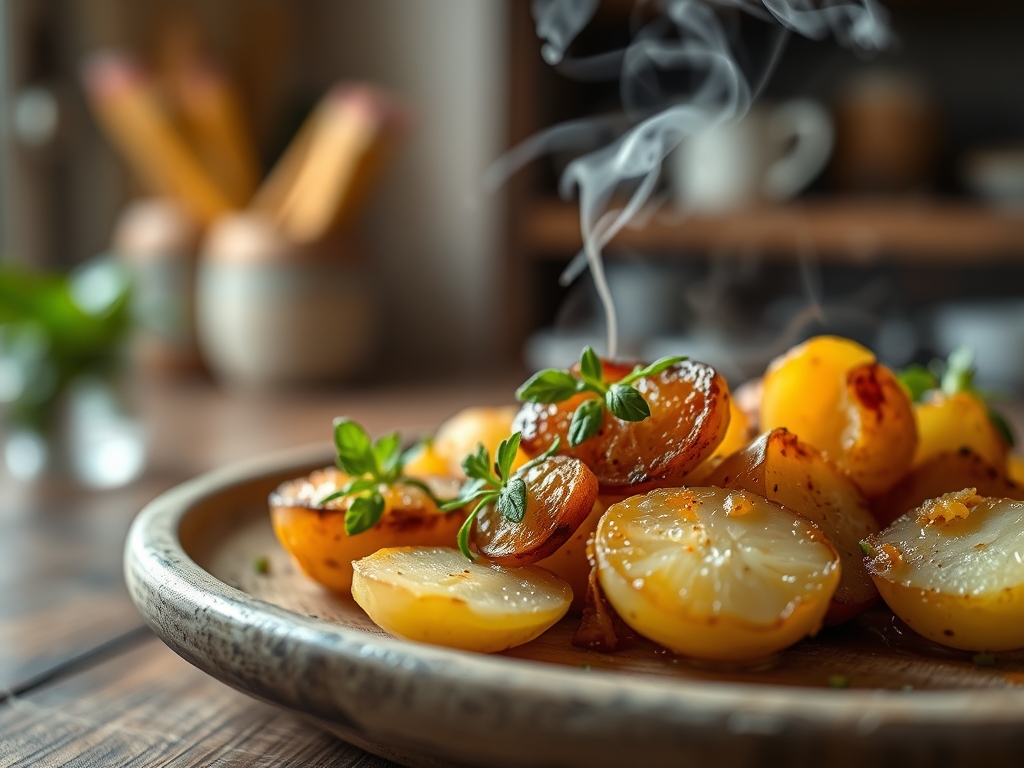
Imagine a golden, crusted wedge of Yukon Gold hitting your palate with the crunch of a fried chip but the soul of a cloud. Most people treat the humble spud like a dietary villain, yet when you master the chemistry of diet potato recipes, they become your most powerful weight loss ally. It is time to reclaim the tuber through the lens of molecular gastronomy and smart styling.
We are moving past the days of heavy cream and butter-drenched mashes. Instead, we are leaning into the resistant starch phenomenon and the glorious Maillard reaction to create textures that feel indulgent but remain nutritionally lean. Potatoes are actually more satiating than pasta or rice; they just need a better wardrobe. By controlling the moisture content and leveraging high-heat convection, we can transform these root vegetables into high-performance fuel. Whether you are prepping for a marathon or just trying to survive a Tuesday, these hacks will turn your kitchen into a laboratory of flavor. Grab your apron and your favorite chef's knife; we are about to rewrite the rules of the starch game with precision, wit, and a lot of heat.
The Gathers:
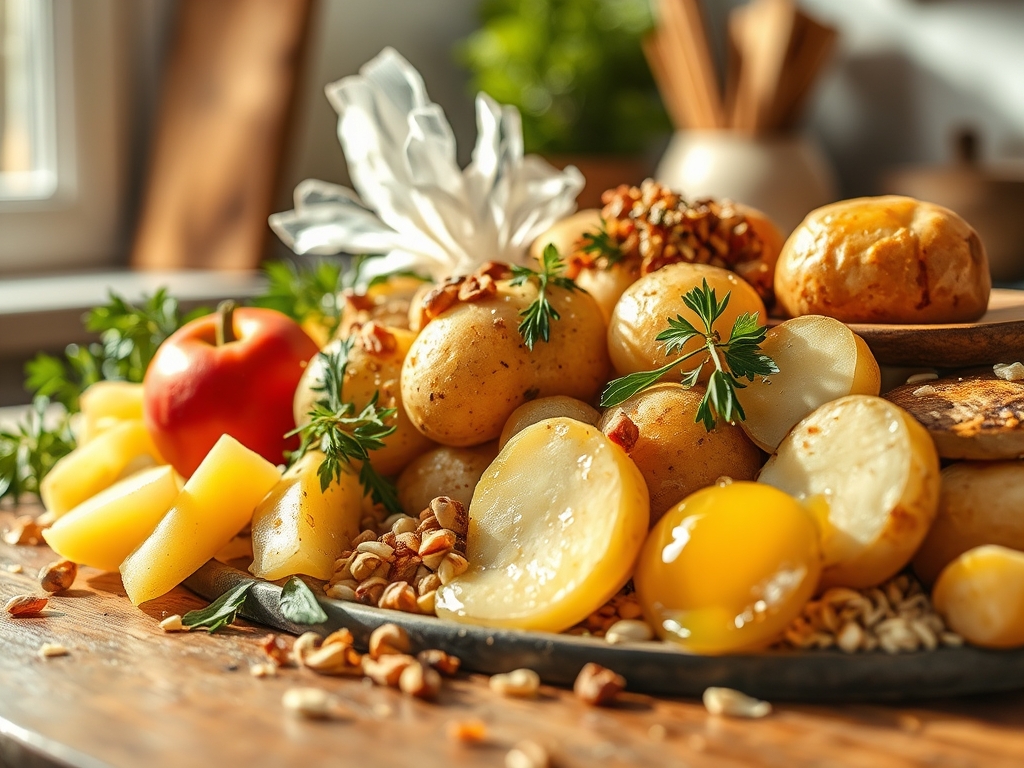
To execute these diet potato recipes with professional finesse, your mise-en-place must be impeccable. We start with the specific gravity of our tubers. For crispy hacks, reach for Russets; their high starch content and low moisture allow for a superior crunch. For salads or chilled hacks, the waxy Red Bliss or Yukon Gold offers a viscous, creamy mouthfeel without the need for added fats.
You will need high-smoke-point fats like avocado oil or ghee, though we will use them sparingly with a mister to ensure even distribution. Your aromatics should be fresh: woody rosemary, pungent garlic cloves, and bright thyme. Do not forget the acids. A splash of apple cider vinegar or a squeeze of charred lemon is essential to deglaze the palate and brighten the earthy notes of the potato.
Smart Substitutions: Replace heavy sour cream with non-fat Greek yogurt to boost protein while maintaining that piquant tang. Instead of breadcrumbs, use a microplane to zest hard parmesan or toasted nutritional yeast for a savory, umami-rich crust. If you are watching sodium, utilize smoked paprika and cumin to provide a "charred" flavor profile that mimics the depth of salt without the water retention.
The Clock: Timing the Starch
Efficiency in the kitchen is about managing the Chef's Flow. Prep time for these hacks averages 15 minutes of active knife work, but the real magic happens during the thermal transition. Most recipes require a 20 to 30 minute roast or a 12 minute steam.
The secret to the best diet potato recipes is the retrogradation process. By boiling your potatoes ahead of time and chilling them for at least four hours, you convert the digestible starch into resistant starch. This lowers the glycemic index and improves gut health. Plan to "par-boil" your spuds in bulk on a Sunday; this reduces your active weeknight cooking time to a mere 10 minute sear in a heavy-bottomed skillet.
The Masterclass: 10 Hacks for Perfection
1. The Alkaline Par-Boil
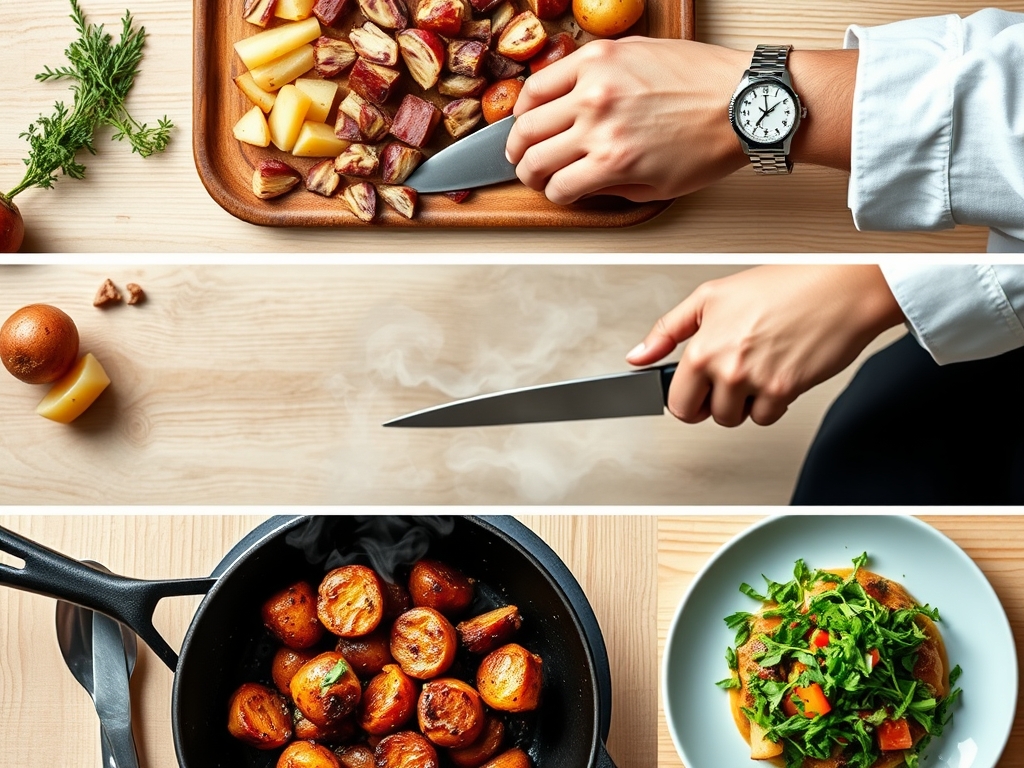
Add a half-teaspoon of baking soda to your boiling water. This breaks down the potato's pectin, creating a starchy "slurry" on the surface. When roasted, this slurry dehydrates into an ultra-thick, glass-like crust.
Pro Tip: This technique maximizes the surface area for the Maillard reaction, the chemical reaction between amino acids and reducing sugars that creates that savory, browned flavor.
2. The Cold-Start Roast
Instead of preheating your pan, place your seasoned wedges on a cold, parchment-lined baking sheet. This allows the internal temperature to rise slowly, ensuring the interior is fluffy before the exterior hardens.
Pro Tip: This prevents enzymatic browning from occurring too rapidly, which can lead to a bitter aftertaste if the sugars burn before the starch gelatinizes.
3. The Greek Yogurt Emulsification
For a "creamless" mash, use a saucier to warm a splash of vegetable stock and garlic. Fold in Greek yogurt at the very end, off the heat, to prevent curdling.
Pro Tip: Emulsification is the process of combining two liquids that usually don't mix. The protein in the yogurt acts as a stabilizer, creating a silky texture without the saturated fat of butter.
4. The Vinegar Soak
Before air-frying or roasting, soak sliced potatoes in cold water and white vinegar for 30 minutes. This removes excess surface starch and prevents the pieces from sticking together.
Pro Tip: The acid in the vinegar strengthens the cell walls of the potato, allowing you to slice them paper-thin without them falling apart during the cooking process.
5. The Microplane Crust
Use a microplane to finely grate a small amount of Pecorino Romano over your potatoes in the last five minutes of baking. The fine particles melt instantly into a lacy, crisp veil.
Pro Tip: This uses the "flavor-per-gram" principle. Because the cheese is so finely aerated, you use 70 percent less than you would with traditional shredding while achieving more flavor coverage.
6. The "Smashed" Compression
Boil whole baby potatoes until tender, then use a bench scraper to flatten them. This creates jagged edges that crisp up perfectly with minimal oil.
Pro Tip: Compression increases the density of the potato, while the jagged edges increase the surface-to-volume ratio, leading to a faster, more efficient crisping cycle.
7. The Infused Steam
Add aromatics like bay leaves, smashed ginger, or peppercorns to your steaming water. As the steam penetrates the potato, it carries these volatile flavor compounds into the center of the vegetable.
Pro Tip: This is known as infusion. It allows you to flavor the potato from the inside out, reducing the need for heavy sauces or salt at the table.
8. The Dry-Brine Method
Salt your cut potatoes 10 minutes before cooking and pat them dry with a lint-free towel. This draws out surface moisture through osmosis.
Pro Tip: Removing surface moisture is vital because water is the enemy of the crunch. If the surface is wet, the potato will steam rather than roast, resulting in a soggy texture.
9. The Cast Iron Sear
Use a digital scale to measure exactly one teaspoon of oil into a preheated cast iron skillet. Sear the flat side of halved potatoes until deep brown, then flip and finish in the oven.
Pro Tip: Cast iron has high thermal mass, meaning it holds heat better than stainless steel. This ensures a consistent sear that locks in the potato's natural moisture.
10. The Nutritional Yeast Dusting
After cooking, toss your potatoes in a bowl with nutritional yeast and smoked paprika. The yeast provides a "cheesy" flavor and a boost of B-vitamins.
Pro Tip: This is a dry application that avoids adding moisture or fats at the final stage, preserving the structural integrity of the crispy exterior you worked so hard to build.
The Deep Dive: Science and Troubleshooting
From a macro nutrition perspective, a medium potato contains about 110 calories, zero fat, and a surprising amount of Vitamin C and potassium. When you follow these diet potato recipes, you are keeping the calorie density low while maximizing satiety.
Dietary Swaps: For a Vegan version, swap ghee for refined coconut oil. For Keto enthusiasts, while potatoes are generally avoided, you can use these same "crisping" techniques on radishes or turnips for a similar mouthfeel. For GF (Gluten-Free) diners, potatoes are naturally safe, but always check your spices for hidden anti-caking agents that may contain gluten.
The Fix-It:
- Soggy Potatoes: You overcrowded the pan. Steam got trapped between the spuds. Use two pans or a larger sheet to allow for airflow.
- Burned Outside, Raw Inside: Your heat was too high. Lower the temperature and use a tongs to rotate the potatoes frequently for even heat distribution.
- Gummy Mash: You over-worked the starch. Use a ricer instead of a blender. A blender shears the starch granules, releasing too much amylose and creating a glue-like texture.
Meal Prep: To reheat and maintain "day-one" quality, avoid the microwave. Use a toaster oven or a dry skillet. This re-dehydrates the surface, bringing back the crunch through evaporative cooling and subsequent crisping.
The Wrap-Up
Mastering diet potato recipes is about respecting the chemistry of the ingredient. By manipulating starch, moisture, and heat, you can enjoy one of the world's most comforting foods without compromising your health goals. Remember, the potato is a canvas; your tools and techniques are the paint. Go forth, use your bench scraper with confidence, and make every carb count!
The Kitchen Table
Can I eat potatoes on a weight loss diet?
Yes. Potatoes are highly satiating and low in calorie density when prepared without heavy fats. Using techniques like air-frying or roasting with minimal oil makes them an excellent choice for maintaining a calorie deficit while staying full.
What is the healthiest way to cook potatoes?
Steaming or boiling and then chilling them is the healthiest method. This process increases resistant starch, which acts like fiber in the body, improving insulin sensitivity and supporting gut health while lowering the overall glycemic load.
How do I make potatoes crispy without deep frying?
Use the alkaline par-boil method. Adding baking soda to the boiling water creates a starchy surface layer that dehydrates into a thick, crunchy crust when roasted at high heat with just a light spray of oil.
Why do my roasted potatoes turn out mushy?
Mushiness usually results from overcrowding the baking sheet or failing to dry the potatoes after washing. Excess moisture creates steam, which prevents the Maillard reaction. Always pat potatoes dry and give them plenty of space on the pan.