
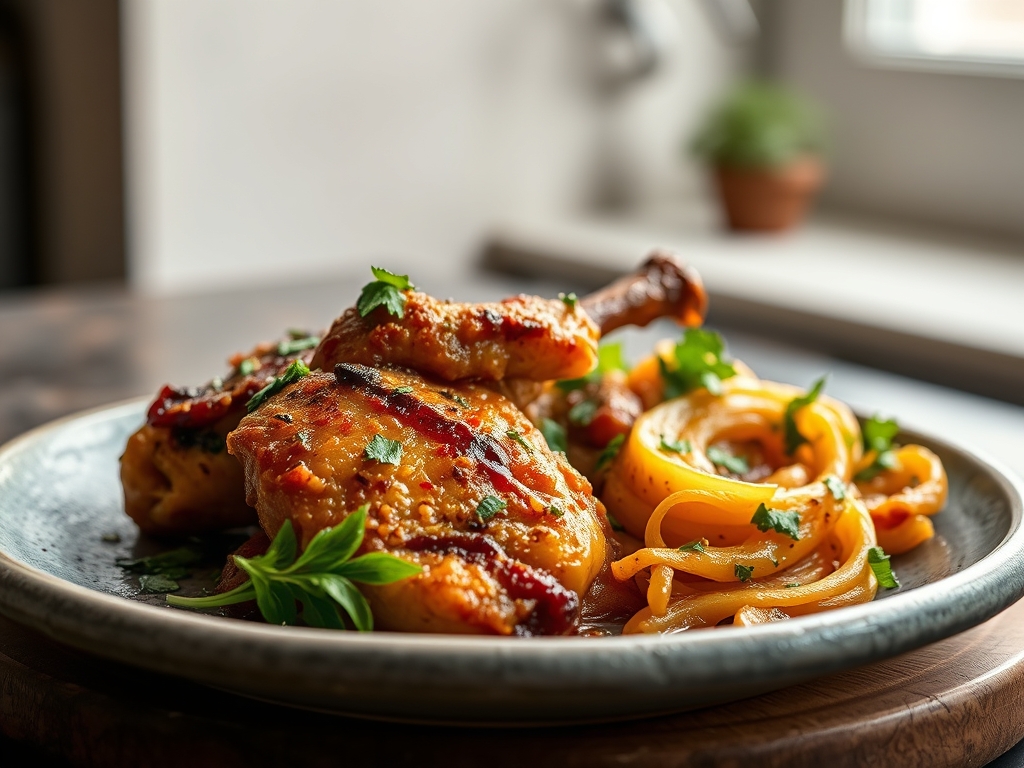
Close your eyes and imagine the scent of pimento wood smoke dancing through a humid tropical breeze. That intoxicating aroma is the hallmark of Jamaica; it is a heady mixture of charred scallions, pungent allspice berries, and the unmistakable, floral heat of scotch bonnet peppers. While the traditional pits of Boston Bay rely on underground embers, finding jerk chicken recipes easy enough for a Tuesday night shouldn't mean sacrificing that soul-stirring depth. We are going to bridge the gap between ancient Caribbean traditions and your modern kitchen. By understanding the molecular structure of our marinade and the physics of heat transfer, you can achieve that iconic, blackened crust and succulent interior without a backyard fire pit. This is not just a dinner; it is a masterclass in flavor layering. We are looking for that perfect balance of salt, acid, heat, and "sweet" (via aromatic spices) that defines the genre. Grab your apron and a cold drink; we are about to transform humble poultry into a piquant masterpiece that rivals any roadside stand in Portland Parish.
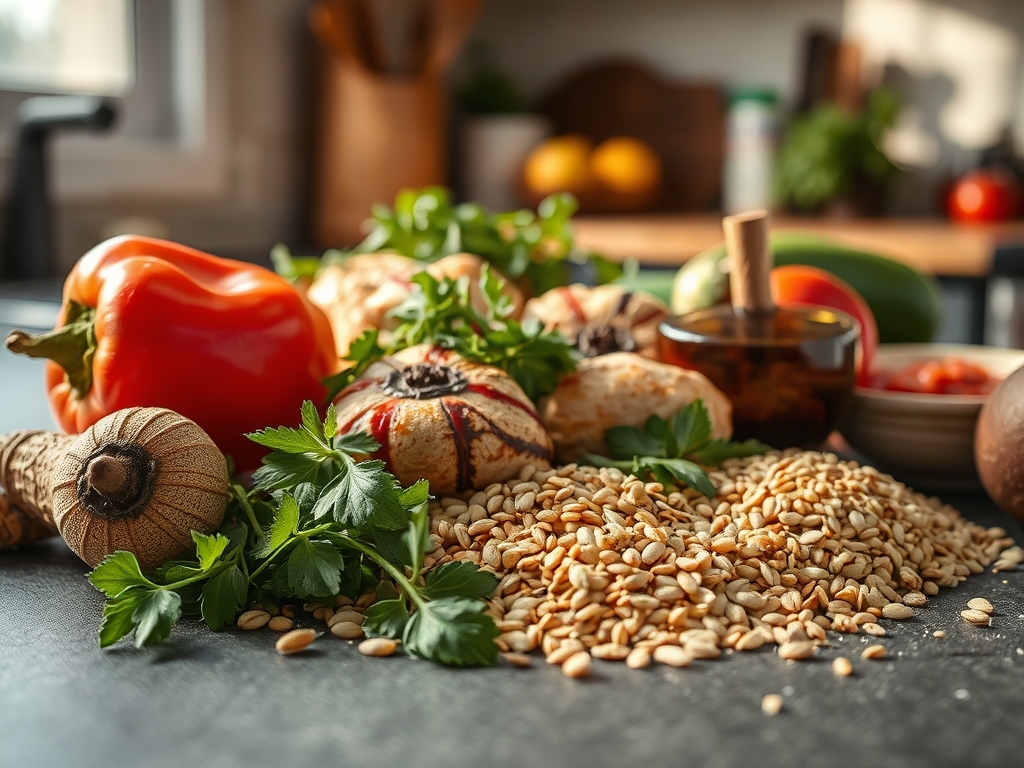
The Gathers:
To execute this recipe with precision, your mise-en-place must be impeccable. Jerk is a highly viscous marinade, meaning we need ingredients that can emulsify into a thick paste that clings to the protein fibers. You will need:
- The Protein: 3 to 4 pounds of bone-in, skin-on chicken thighs. The bone acts as an insulator, slowing down thermal conduction to ensure the meat stays moist while the skin undergoes Maillard reaction.
- The Aromatics: Six green onions (scallions), a thumb-sized piece of fresh ginger, and four cloves of garlic.
- The Heat: Two to three Scotch Bonnet peppers. If you cannot find these, Habaneros are a scientifically similar substitute in terms of Scoville Heat Units, though they lack the specific apricot-like floral notes.
- The Spice Core: Two tablespoons of whole allspice berries (pimento). Use a mortar and pestle or a spice grinder to pulverize these fresh; pre-ground allspice loses its volatile oils rapidly.
- The Acid and Sweet: Juice of two limes and two tablespoons of dark brown sugar. The sugar is critical for caramelization, while the citric acid begins to denature the surface proteins, allowing the marinade to penetrate deeper.
- The Binder: Neutral oil (like grapeseed) and a splash of soy sauce for umami depth.
Smart Substitutions: If you are sensitive to heat, remove the seeds and pith of the peppers, as this is where the capsaicin glands are concentrated. For a smoky profile without a grill, add half a teaspoon of liquid smoke or high-quality smoked paprika to mimic the pimento wood essence.
The Clock
Prep Time: 20 minutes (active) + 4 to 24 hours (marinating).
Cook Time: 35 to 45 minutes.
Chef's Flow: Success in the kitchen is about timing. Your "active" work happens in a burst of high-intensity blending. The real magic occurs during the "passive" phase. Think of the marinade as a chemical brine. You need at least four hours for the salt and acid to infuse the muscle tissue. While the chicken roasts, use that 40-minute window to prepare your sides (rice and peas or fried plantains) and clean your bench scraper and blender.
The Masterclass
1. Create the Flavor Base
Place your aromatics, peppers, spices, lime juice, and oil into a high-speed blender or food processor. Pulse until the mixture is a thick, textured paste. Do not over-process into a liquid; you want small bits of scallion and pepper to create texture on the skin.
Pro Tip: This is an emulsification process. The oil captures the fat-soluble capsaicin from the peppers, ensuring the heat is distributed evenly across your palate rather than hitting in sharp, inconsistent spikes.
2. Prepare the Protein
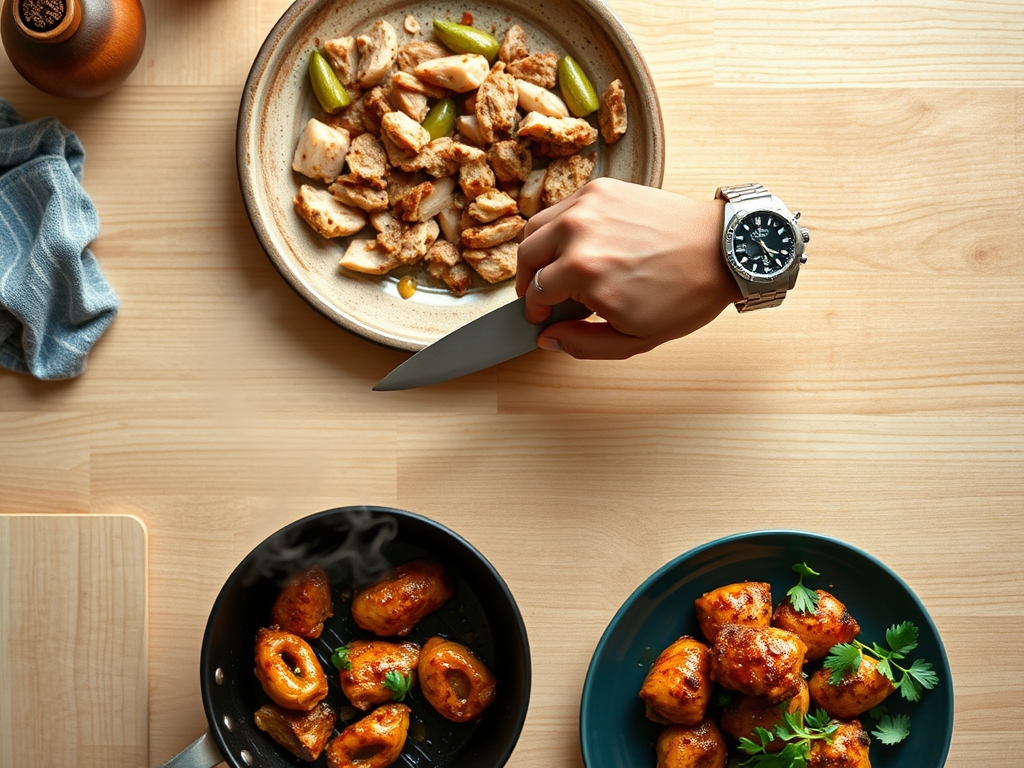
Pat the chicken bone-dry with paper towels. Use a sharp chef's knife to make two or three shallow slashes in the skin of each thigh. This increases the surface area for the marinade and allows rendered fat to escape, preventing soggy skin.
Pro Tip: Moisture is the enemy of browning. By drying the skin, you ensure the energy of the oven goes toward enzymatic browning (Maillard reaction) rather than evaporating surface water.
3. The Marination Phase
Massage the paste into the chicken, ensuring it gets into the slashes and under the skin. Place the chicken in a glass bowl or heavy-duty zip-top bag. Refrigerate for at least 4 hours, though 24 hours is the "gold standard" for structural protein breakdown.
Pro Tip: The salt in the soy sauce acts as a denaturant. It unwinds the tightly coiled protein strands, allowing them to trap more moisture during the cooking process.
4. The Initial Sear
Heat a heavy-bottomed skillet or cast-iron pan over medium-high heat with a teaspoon of oil. Place chicken skin-side down and sear for 5 minutes until the skin is dark brown (almost blackened).
Pro Tip: This "pre-sear" initiates the caramelization of the brown sugar. The dark color is not burnt meat; it is a complex layer of carbonized sugars and spices that provides the signature "jerk" profile.
5. The Roasting Finish
Transfer the skillet to a preheated 400 degree Fahrenheit oven. If using a baking sheet, move the seared chicken to a wire rack set over the sheet to allow air to aerate and circulate around the meat. Roast for 25 to 30 minutes.
Pro Tip: Use a digital scale or meat thermometer to pull the chicken when it hits 165 degrees Fahrenheit. Thermal carryover will raise the internal temperature by another 3 to 5 degrees while it rests.
6. The Rest
Remove the chicken from the oven and let it sit on a warm platter for 10 minutes before serving.
Pro Tip: Resting allows the muscle fibers, which contracted under high heat, to relax and reabsorb the internal juices. If you cut it too soon, the moisture will flood the plate, leaving the meat dry.
The Deep Dive
Macro Nutrition: Jerk chicken is a high-protein, moderate-fat dish. A standard serving (two thighs) provides roughly 35g of protein and 22g of fat. It is naturally low-carb, provided you don't go overboard on the brown sugar.
Dietary Swaps:
- Vegan: Use the same marinade on extra-firm tofu or thick cauliflower steaks.
- Keto: Replace brown sugar with a monk fruit erythritol blend.
- GF: Ensure you use Tamari or liquid aminos instead of standard soy sauce.
The Fix-It:
- Problem: The skin is soft. Fix: Ensure you used a wire rack during roasting to prevent the chicken from sitting in its own rendered fat.
- Problem: It is too salty. Fix: Balance the plate with an acidic slaw or extra lime juice to cut through the sodium.
- Problem: The spice is overwhelming. Fix: Serve with a side of coconut rice; the fats in the coconut milk help dissolve the capsaicin on your tongue.
Meal Prep: To maintain "day-one" quality, reheat leftovers in an air fryer or oven at 350 degrees. Avoid the microwave, which turns the skin rubbery by vibrating water molecules rather than applying dry, conductive heat.
The Wrap-Up
Mastering jerk chicken recipes easy enough for your daily rotation is a culinary superpower. You have learned how to balance the volatile oils of allspice with the aggressive heat of Scotch Bonnets, and you have used the science of the Maillard reaction to create a professional-grade crust. This dish is vibrant, bold, and unrepentantly spicy. Whether you are serving it for a summer dinner party or prepping it for a week of high-protein lunches, you now have the technical foundation to deliver authentic Jamaican flavor every single time. Now, go forth and get that perfect char!
The Kitchen Table
Can I use chicken breasts instead of thighs?
Yes, but breasts lack the fat content to withstand high-heat roasting without drying out. Reduce the oven time and use a meat thermometer to ensure the internal temperature does not exceed 165 degrees Fahrenheit for optimal juiciness.
How do I make it less spicy?
Remove all seeds and white membranes from the peppers before blending. You can also substitute one Scotch Bonnet with a red bell pepper to maintain the vibrant color and volume of the marinade without the intense capsaicin heat.
What if I don't have a blender?
Finely mince the aromatics with a sharp knife and use a microplane for the ginger and garlic. Whisk the ingredients together in a saucier or bowl. The texture will be coarser but the flavor profile remains identical.
How long does the marinade last?
The prepared jerk paste will stay fresh in an airtight container in the refrigerator for up to one week. You can also freeze it in ice cube trays for convenient, pre-portioned flavor bombs for future meals.