
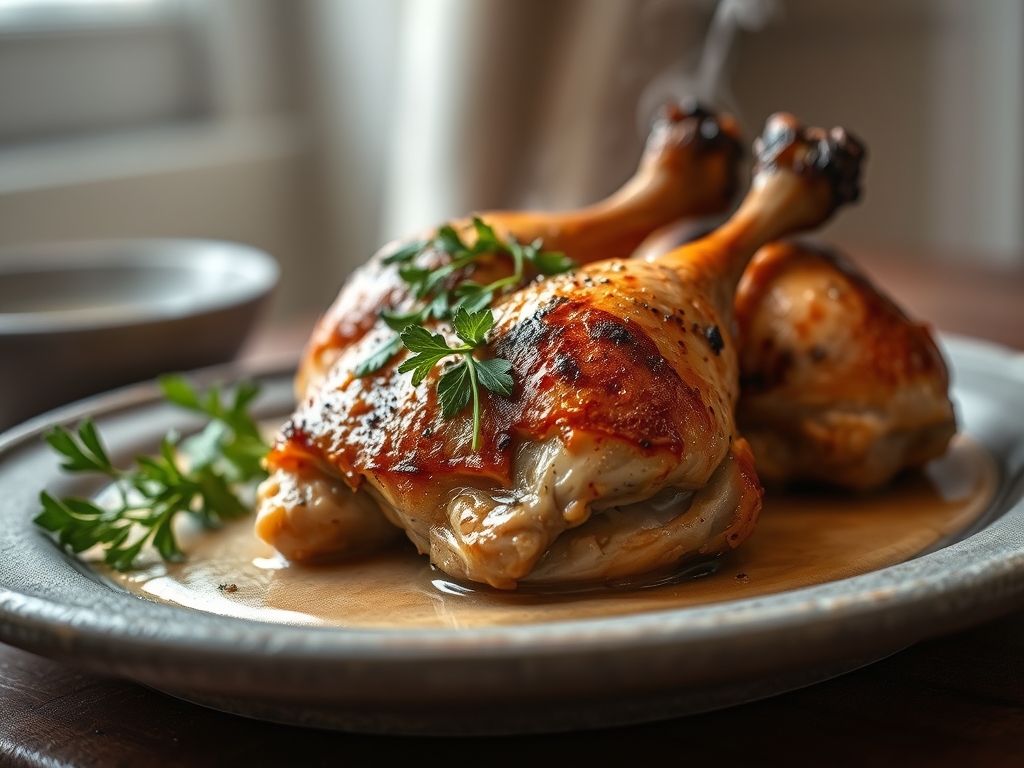
Picture the scene: a Tuesday evening where the air in your kitchen is thick with the scent of rendered schmaltz and toasted paprika. We are not just making dinner; we are mastering the art of the bird. When it comes to baked chicken recipes leg quarters, the goal is a trifecta of culinary perfection: skin that shatters like parchment, meat that pulls away with a gentle tug, and a pan sauce so rich it feels illegal. Leg quarters are the unsung heroes of the poultry world because they contain both the thigh and the drumstick. This means you get a higher fat content and more connective tissue than a breast, which translates to a more forgiving, succulent result. We are going to leverage high-heat physics to transform humble protein into a masterpiece. Forget soggy skin or dry fibers. We are diving deep into the chemistry of the Maillard reaction to ensure every bite is a textural revelation. Grab your apron; we are about to turn your oven into a high-performance flavor laboratory.
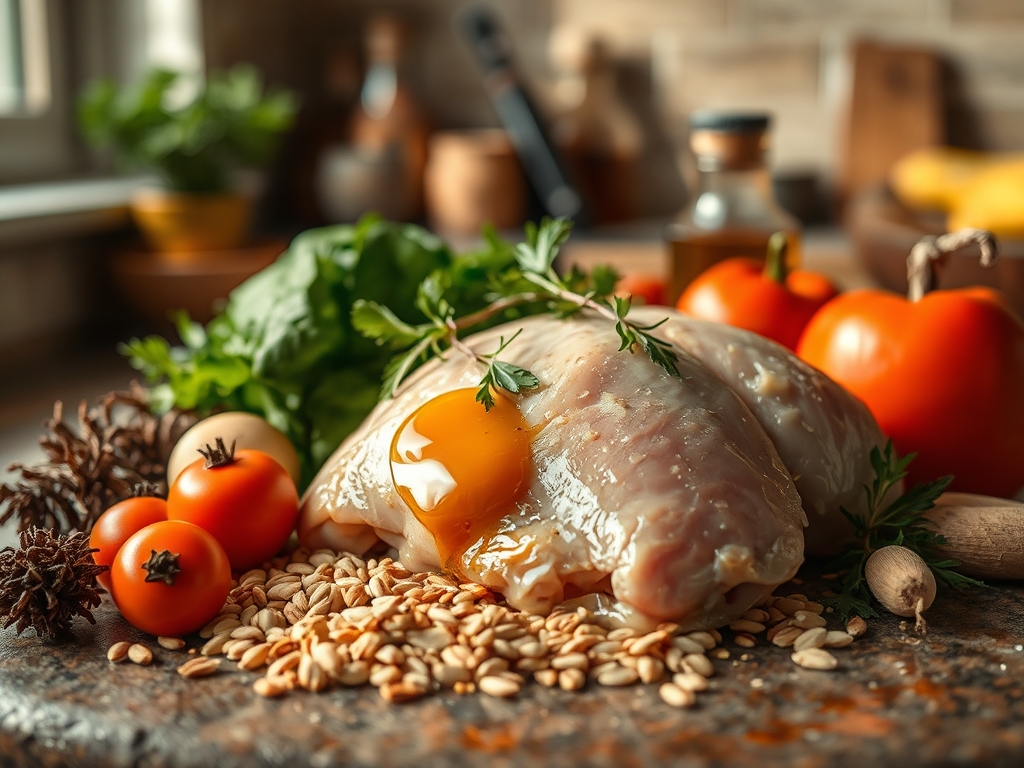
The Gathers:
To achieve greatness, your mise-en-place must be precise. Start with five pounds of high-quality chicken leg quarters. Look for skin that is translucent and tight. You will need a digital scale to ensure your dry rub ratios are exact. For the seasoning, we are using a blend of smoked paprika, garlic powder, onion powder, dried oregano, and a pinch of cayenne for a piquant finish. The salt is non-negotiable; use Diamond Crystal Kosher salt for its hollow flake structure, which adheres better to the skin.
You will also need a high-smoke-point lipid. Avocado oil is ideal because it remains stable at the 425-degree temperatures we require. To brighten the profile, keep a fresh lemon nearby; use a microplane to harvest the zest, which contains the essential oils responsible for that citrus punch.
Smart Substitutions: If you are out of smoked paprika, a dash of chipotle powder adds a similar depth. For a Mediterranean twist, swap the oregano for dried thyme and add a tablespoon of sumac. If you prefer a dairy-based richness, brushed ghee works beautifully as it has the milk solids removed, preventing burning while adding a nutty aroma.
The Clock:
Prep Time: 15 minutes. This includes the time to pat the chicken dry, which is the most critical step for crispiness.
Cook Time: 40 to 50 minutes. We are aiming for an internal temperature of 175 degrees Fahrenheit. While 165 is the safety standard, the dark meat in leg quarters benefits from the extra heat to fully break down collagen.
Total Time: 65 minutes.
Chef's Flow: Start by preheating your oven. While the heating elements reach equilibrium, prepare your spice blend in a small bowl. Use a bench scraper to clear your workspace as you go. Once the chicken is in the oven, you have a 40-minute window to prepare a side dish or a quick reduction in a saucier. Efficiency in the kitchen is about overlapping tasks, not rushing them.
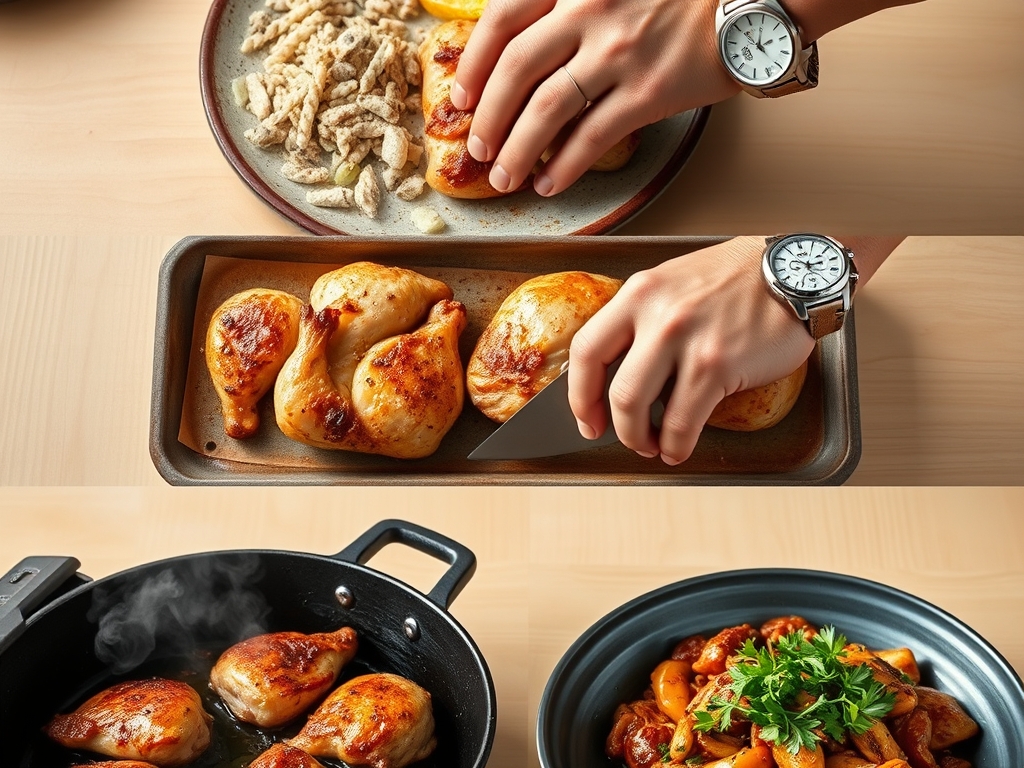
The Masterclass:
1. The Desiccation Ritual
Start by using paper towels to aggressively pat the skin of each leg quarter until it feels like dry suede. Any residual moisture will turn to steam in the oven, preventing the skin from crisping.
Pro Tip: This is about evaporative cooling. If the surface is wet, the oven's energy goes into boiling off the water rather than browning the skin. Dry skin allows the surface temperature to rise rapidly, triggering the Maillard reaction almost immediately.
2. The Lipid Barrier
Place the chicken in a large mixing bowl and drizzle with your oil. Use your hands or tongs to ensure every crevice is coated. This creates a viscous layer that helps the spices stick and conducts heat evenly across the uneven surface of the meat.
Pro Tip: Fat is a superior heat conductor compared to air. By coating the chicken in oil, you are creating a "frying" effect on the surface while it bakes, leading to that golden-brown finish.
3. The Spice Application
Sprinkle your dry rub from about twelve inches above the bowl. This "snowing" technique ensures an even distribution of particles. Don't forget to lift the skin slightly and tuck some seasoning underneath to infuse the meat directly.
Pro Tip: Salt acts as a denaturant. It breaks down the tightly wound proteins in the muscle, allowing them to hold onto more moisture during the cooking process, resulting in a juicier interior.
4. The Thermal Blast
Arrange the quarters on a wire rack set over a rimmed baking sheet. This allows hot air to circulate 360 degrees around the meat. Slide them into the center rack of your 425-degree oven.
Pro Tip: Using a wire rack prevents the chicken from sitting in its own juices. This avoids the "soggy bottom" syndrome and ensures the skin on the underside becomes just as crisp as the top.
5. The Carryover Rest
Once your digital thermometer reads 175 degrees, remove the pan. Transfer the chicken to a warm platter and let it rest for at least 10 minutes.
Pro Tip: This stage respects thermal carryover. The internal temperature will continue to rise by 5 degrees. More importantly, resting allows the muscle fibers to relax and reabsorb the juices that were pushed toward the center during cooking.
The Deep Dive:
Macro Nutrition: One leg quarter (approximately 250g) provides roughly 450 calories, 40g of protein, and 30g of fat. It is a powerhouse of Vitamin B12 and zinc, making it a nutrient-dense choice for muscle recovery.
Dietary Swaps:
- Keto: This recipe is naturally keto-compliant. Increase the fat by serving with a side of garlic-herb butter.
- Vegan: To mimic this flavor profile, use large oyster mushrooms or "hen of the woods." Roast them with the same spice blend and a heavy brush of olive oil.
- Gluten-Free: This recipe is inherently GF. Just ensure your spices are certified free of cross-contamination.
The Fix-It:
- Problem: The skin is pale but the meat is done. Fix: Move the tray to the top rack and turn on the broiler for 120 seconds. Watch it like a hawk to avoid burning.
- Problem: The spices are scorched. Fix: This usually happens if there is too much sugar in your rub. For high-heat roasting, omit sugar and stick to dried herbs and salts.
- Problem: The meat is tough. Fix: You likely undercooked it. Dark meat needs to pass the 165-degree mark to allow the connective tissue to melt into gelatin.
Meal Prep: To reheat, avoid the microwave as it turns the skin rubbery. Instead, place leftovers in a heavy-bottomed skillet over medium heat with a splash of water. Cover for three minutes to steam the meat, then uncover for two minutes to re-crisp the skin. This preserves the "day-one" structural integrity.
The Wrap-Up:
Mastering baked chicken recipes leg quarters is a fundamental skill that elevates your weeknight rotation from mundane to magnificent. By understanding the relationship between moisture control and heat distribution, you have unlocked the secret to professional-grade poultry. These quarters are bold, juicy, and unapologetically flavorful. Whether you are serving them with a crisp green salad or creamy mashed potatoes, the technique remains the same. Go forth, use your tools with confidence, and enjoy the crunch that only science can provide!
The Kitchen Table:
How do I get the skin extra crispy?
The secret is dryness. Pat the chicken with paper towels and leave it uncovered in the fridge for two hours before baking. This air-drying process dehydrates the skin, ensuring a glass-like crunch once the heat hits the fat.
What temperature is best for leg quarters?
While 350 degrees is common, 425 degrees is superior for leg quarters. The high heat renders the fat quickly and crisps the skin before the meat can overcook. It ensures the interior stays succulent while the exterior browns beautifully.
Can I bake these from frozen?
It is not recommended. Baking from frozen leads to uneven cooking where the outside burns before the inside reaches a safe temperature. Always thaw your chicken completely in the refrigerator overnight to ensure the protein fibers cook at a consistent rate.
Do I need to flip the chicken?
If you are using a wire rack, there is no need to flip. The air circulates around the entire quarter. If baking directly on a pan, flip halfway through to ensure both sides of the skin have contact with the conductive heat.
How long do leftovers stay fresh?
Store leftovers in an airtight container for up to four days. For the best texture, separate the meat from the bone before storing. This makes it easier to incorporate into salads, soups, or tacos the following day without reheating the bone.