
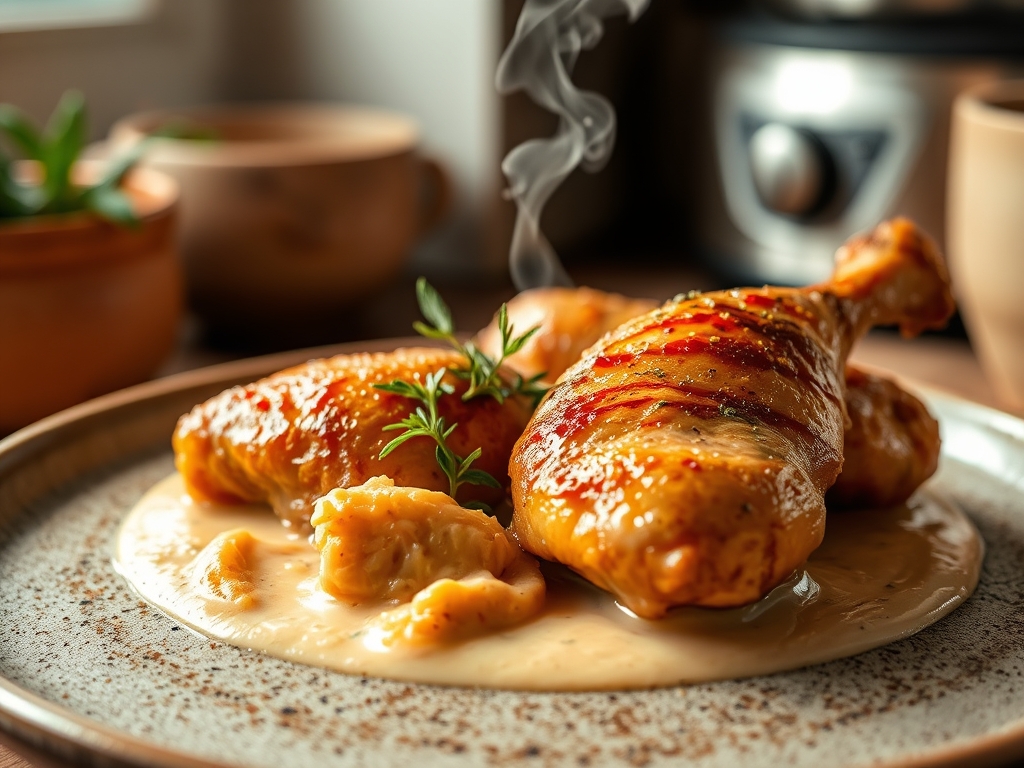
Picture this: it is 5:30 PM on a Tuesday. The air outside is biting, but your kitchen smells like a five-star hug. That velvet aroma is the result of mastering slow cooker chicken recipes with cream of chicken soup, the ultimate secret weapon for the busy gourmand. We are not just dumping cans into a ceramic pot; we are orchestrating a symphony of amino acids and lipids. By the time you kick off your shoes, the collagen in those chicken thighs has surrendered into a silken masterpiece. We are diving into seven distinct variations of this creamy base, ranging from a zesty poblano infusion to a classic herb-heavy pot pie filling. This is the intersection of high-end comfort and scientific efficiency. Forget the watery stews of your childhood. We are leveraging the emulsifying power of condensed bases to create a high-viscosity sauce that clings to every fiber of protein. Whether you are craving a rustic Tuscan profile or a sharp cheddar-laced broccoli blend, these recipes transform the humble slow cooker into a precision tool for flavor extraction.
The Gathers:
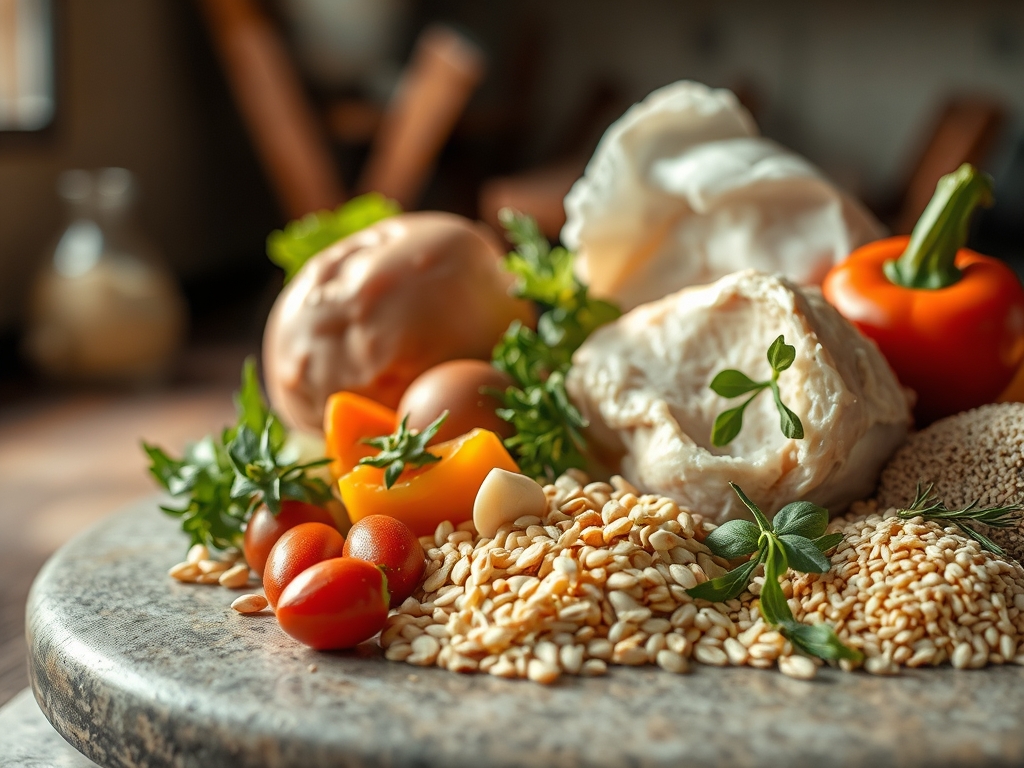
Before we flip the switch, we must respect the mise-en-place. Your workstation should be a shrine to organization. Start with high-quality poultry; I prefer boneless, skinless thighs because their higher fat content prevents the meat from becoming stringy during the long thermal cycle. You will need a digital scale to ensure your aromatics are balanced. Grab your microplane for the garlic and zest; this tool increases the surface area of your aromatics, allowing them to infuse the fat more effectively.
Your pantry staples are the backbone here. You will need high-sodium-controlled cream of chicken soup, heavy cream, and a sharp acid like lemon juice or white wine to cut through the richness. For "Smart Substitutions," consider using Greek yogurt instead of sour cream for a protein boost, or swap the standard soup for a roasted garlic cream base to add depth. If you are watching sodium, use a homemade roux-based veloute. Always have a bench scraper handy to transition your chopped mirepoix from the cutting board to the crock without losing a single precious cube of carrot or celery.
The Clock
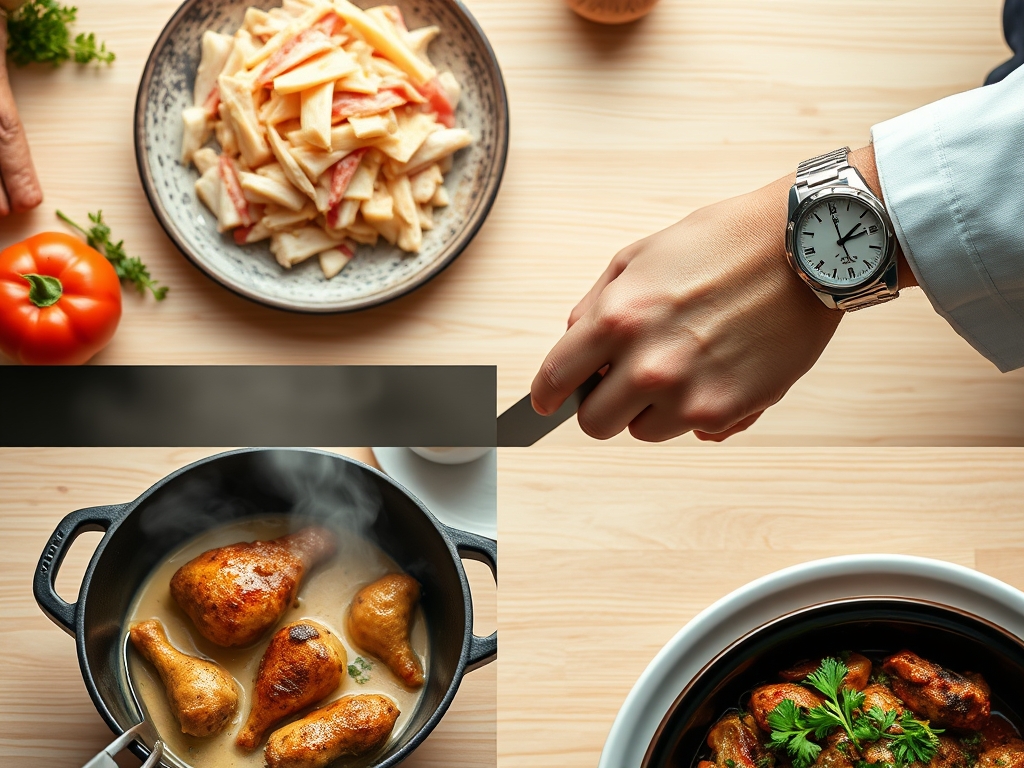
Efficiency is the soul of a great meal. The "Chef's Flow" dictates that we spend twenty minutes in the morning on active prep to save two hours of stress in the evening. Most of these seven variations require a low-and-slow approach; six to eight hours on low is the sweet spot. This allows the connective tissues to render without toughening the muscle fibers. If you are in a rush, four hours on high works, but you risk a slightly more aggressive texture. The final "finishing" stage takes ten minutes. This is when you add your delicate dairy and fresh herbs to preserve their volatile oils and bright colors.
The Masterclass
1. The Sear and Deglaze
Do not just throw raw meat into the pot. Heat a heavy-bottomed skillet and sear the chicken in a tablespoon of avocado oil until a golden crust forms. Use tongs to flip the pieces once they release naturally from the pan.
Pro Tip: This creates the Maillard reaction, a chemical dance between amino acids and reducing sugars that produces hundreds of different flavor compounds you simply cannot get from boiling alone.
2. Layering the Aromatics
Place your onions, carrots, and celery at the bottom of the slow cooker. These vegetables act as a thermal buffer for the chicken and release moisture that prevents scorching.
Pro Tip: This is known as sweating the vegetables. As they heat, their cell walls break down, releasing natural sugars that provide a foundational sweetness to the creamy sauce.
3. Emulsifying the Base
Whisk your cream of chicken soup with a splash of dry white wine or chicken stock in a saucier before pouring it over the meat. This ensures a smooth, non-clumpy texture.
Pro Tip: The starch in the condensed soup acts as a stabilizer. It prevents the fats from the chicken and the water from the vegetables from separating, creating a permanent emulsion.
4. The Low Thermal Cycle
Set your cooker to low. Resist the urge to peek; every time you lift the lid, you lose significant heat and moisture, extending the cook time by twenty minutes.
Pro Tip: Maintaining a steady temperature between 190 and 200 degrees Fahrenheit is crucial for collagen conversion. This turns tough connective tissue into gelatin, which provides that luxurious mouthfeel.
5. The Finishing Touch
In the final thirty minutes, stir in your heavy cream and fresh herbs like parsley or chives. Use a microplane to grate in fresh parmesan for an extra umami kick.
Pro Tip: Adding dairy at the end prevents curdling. High heat can cause the proteins in milk or cream to denature and clump; adding them at the end ensures a silky finish through gentle thermal carryover.
The Deep Dive
From a macro perspective, these meals are protein powerhouses. A standard serving offers roughly 35 grams of protein and 15 grams of healthy fats. To keep it Keto, omit the potatoes and use a cauliflower mash base. For my Gluten-Free friends, ensure your condensed soup is labeled GF, as many brands use wheat flour as a thickener.
Even the best chefs hit snags. If your sauce is too thin, do not panic. Create a slurry with cornstarch and cold water, then whisk it in. If it is too salty, add a peeled potato for the last thirty minutes to absorb the excess sodium, or balance it with a squeeze of lemon juice. If the chicken feels dry, it likely overcooked; next time, use a digital thermometer to pull the meat at 165 degrees Fahrenheit.
For meal prep, reheating is a science. Microwave radiation can make chicken rubbery. Instead, reheat your leftovers in a small pot over low heat, adding a splash of milk to aerate and loosen the sauce back to its original viscous glory.
The Wrap-Up
You are now officially the master of the slow cooker. By understanding the chemistry of the sear and the physics of the emulsion, you have turned a simple convenience meal into a culinary event. These seven recipes are your roadmap to a stress-free, delicious week. Go forth, use your tongs with confidence, and let the slow cooker do the heavy lifting while you take the credit for the most comforting kitchen in the neighborhood.
The Kitchen Table
Can I use frozen chicken in these recipes?
No, it is unsafe. Frozen meat stays in the "danger zone" for bacteria growth too long in a slow cooker. Always thaw chicken completely in the refrigerator before adding it to the pot to ensure food safety and even cooking.
How do I prevent the cream sauce from curdling?
Add dairy products like heavy cream, sour cream, or cream cheese during the final thirty minutes of cooking. High heat over long periods breaks down dairy proteins; adding them at the end ensures a smooth, velvety texture without separation.
What is the best way to thicken the soup?
If the sauce is too thin, whisk one tablespoon of cornstarch with two tablespoons of cold water to create a slurry. Stir this into the bubbling liquid and cook on high for fifteen minutes until the sauce reaches your desired viscosity.
How long can I store leftovers in the fridge?
Store leftovers in an airtight container for up to four days. When reheating, add a splash of broth or milk to restore the creamy consistency. Avoid freezing cream-based soups, as the texture often becomes grainy and separated upon thawing.