
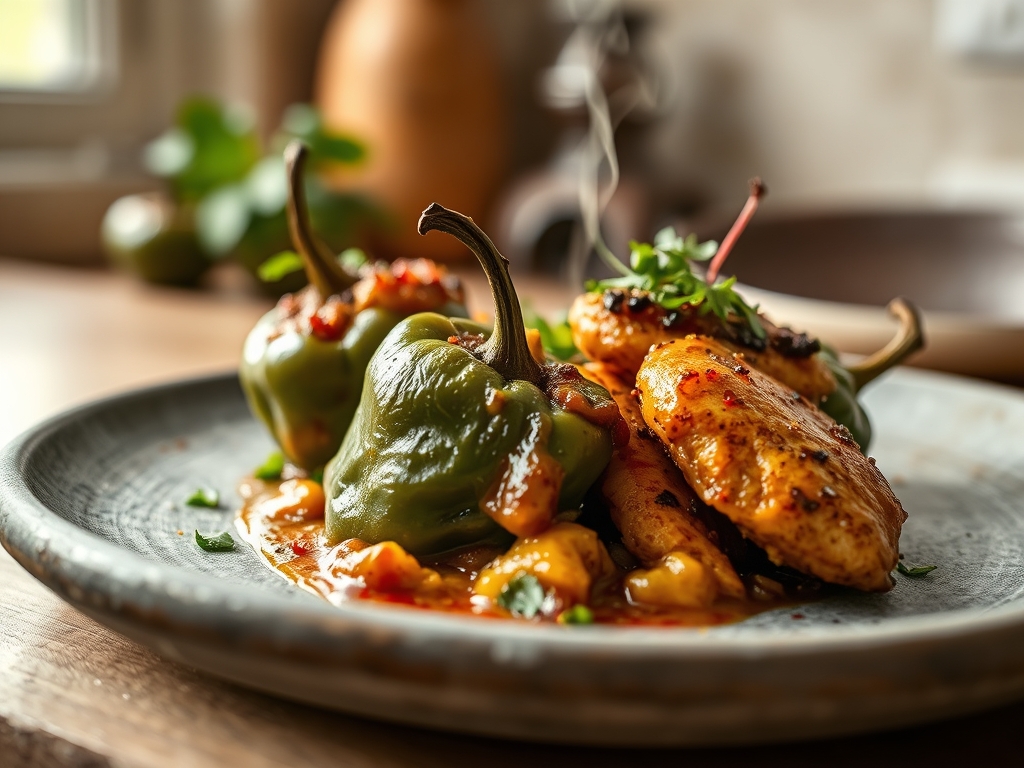
Picture the scent of charred, obsidian skins peeling away to reveal a velvety, emerald flesh that carries a whisper of smoke. When you pair that deep earthiness with succulent protein, you unlock a flavor profile that is both sophisticated and incredibly comforting. Mastering poblano peppers and chicken recipes is the ultimate culinary flex for your weeknight rotation.
The poblano is not your average pepper. It sits comfortably at the lower end of the Scoville scale; usually between 1,000 and 2,000 units. This mild heat allows the complex, raisin like undertones of the pepper to shine without incinerating your palate. Whether you are stuffing them with shredded thighs or dicing them into a creamy sauce, the chemistry of this pairing relies on the balance of fats and acids. We are going to dive into nine variations of this duo, focusing on the Maillard reaction and the art of the perfect sear to ensure every bite is a masterclass in texture.
The Gathers:
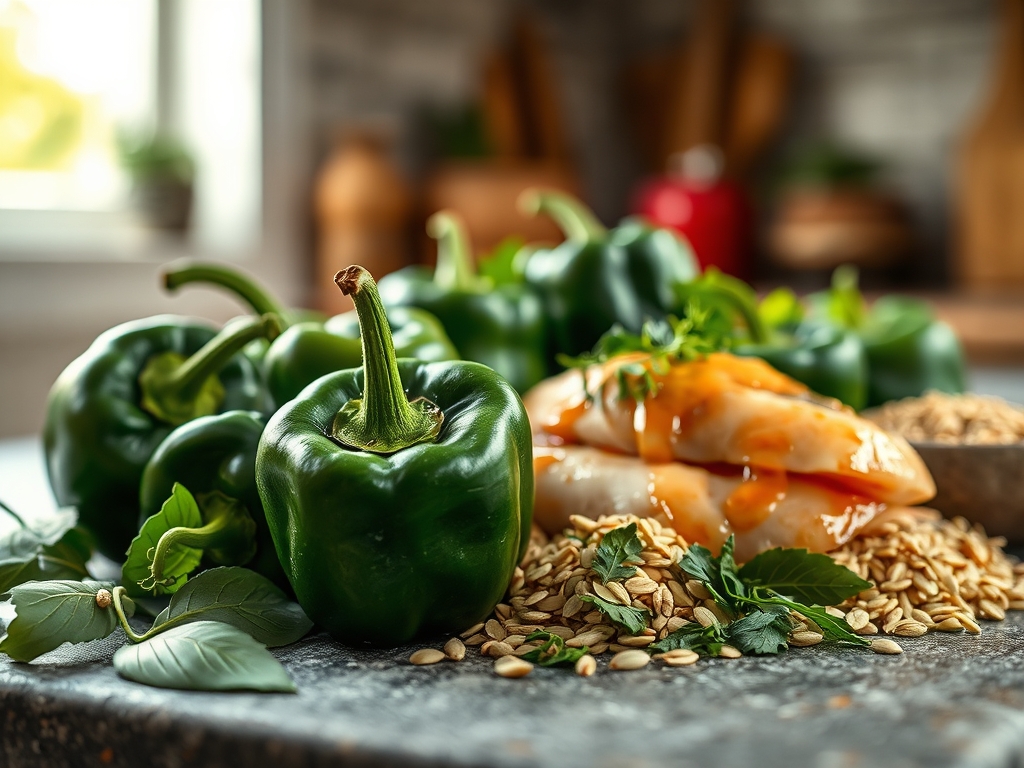
To execute these poblano peppers and chicken recipes with precision, your mise en place must be immaculate. Start with high quality chicken; preferably organic thighs for their higher fat content and resilience against overcooking. You will need a heavy bottomed skillet to manage heat distribution and a sharp chef knife for consistent dicing.
The Produce: Look for poblanos that are firm, heavy for their size, and possess a deep, waxy sheen. Avoid any with soft spots or shriveled stems. You will also need aromatics: white onions for their sharp bite, garlic cloves to be processed with a microplane for maximum surface area, and fresh cilantro to provide a bright, grassy finish.
The Liquids: Keep a carton of low sodium chicken bone broth nearby. The gelatin content in bone broth provides a more viscous mouthfeel than standard stock. You will also need heavy cream or Mexican crema to emulsify into your sauces, creating a luxurious coating for the meat.
Smart Substitutions: If you cannot find poblanos, Anaheim peppers are a viable alternative, though they lack the smoky depth. For a leaner profile, chicken breasts work well if you use a digital scale to ensure they are sliced to a uniform thickness for even cooking. If you are avoiding dairy, a full fat coconut milk or a cashew cream can provide that essential creamy texture without the lactose.
The Clock
Efficiency in the kitchen is about the Chef's Flow. For these recipes, expect a total time of 45 minutes. You will spend 15 minutes on prep; dicing, mincing, and measuring. The remaining 30 minutes are for the active cook.
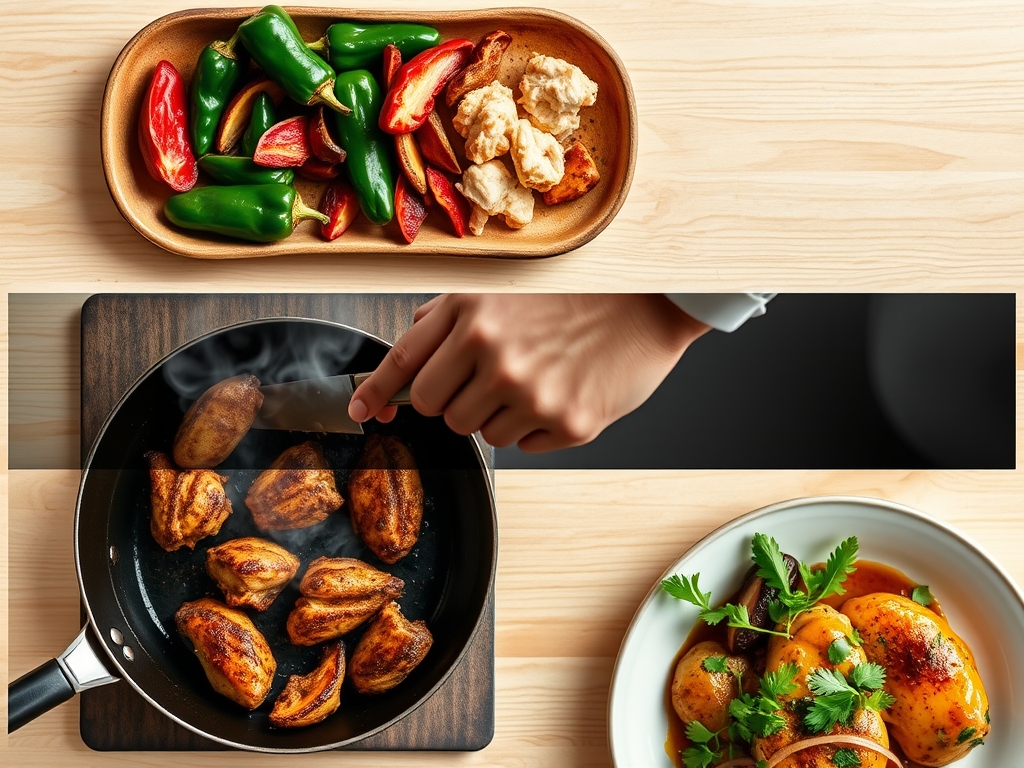
The secret to timing is "The Overlap." While your chicken is searing and developing a golden crust, use that time to roast your peppers under the broiler. Never wait for one component to finish before starting the next. This parallel processing ensures that the chicken stays juicy while the peppers reach their peak tenderness.
The Masterclass
1. The Char and Steam
Begin by placing your whole poblanos directly over a gas flame or under a high broiler. Use metal tongs to rotate them until the skin is blistered and black. Immediately transfer them to a glass bowl and cover with plastic wrap for ten minutes.
Pro Tip: This is called steam exfoliation. The trapped heat creates steam that loosens the skin from the flesh, making it effortless to peel without tearing the delicate pepper walls.
2. Searing the Protein
Pat your chicken dry with paper towels. Moisture is the enemy of the sear. Season liberally with kosher salt and heat oil in your heavy bottomed skillet until it shimmers. Lay the chicken away from you to avoid splashes and do not move it for four minutes.
Pro Tip: This facilitates the Maillard reaction, a chemical reaction between amino acids and reducing sugars that gives browned food its distinctive flavor. If the meat sticks, the crust has not fully formed yet.
3. Deglazing the Fond
Once the chicken is removed, you will see brown bits stuck to the pan. This is "fond." Pour in a splash of dry white wine or broth and use a wooden spoon or bench scraper to lift those bits into the liquid.
Pro Tip: This process captures concentrated flavor molecules that would otherwise be lost. It creates a complex base for your sauce that mimics hours of simmering in just seconds.
4. The Aromatics Infusion
Lower the heat and add your onions and garlic. Sauté until translucent but not browned. Add your diced, peeled poblanos and a pinch of cumin.
Pro Tip: Sautéing aromatics in fat is called blooming. Fat is a highly efficient carrier for flavor; it extracts the fat soluble compounds in spices and vegetables, distributing them evenly throughout the dish.
5. Emulsifying the Sauce
Slowly whisk in your cream or crema. Bring the mixture to a gentle simmer, never a rolling boil. Return the chicken to the pan to finish cooking through.
Pro Tip: Keep the temperature below 180 degrees Fahrenheit to prevent protein denaturation in the dairy, which causes curdling. A gentle simmer ensures a smooth, stable emulsion.
The Deep Dive
Macro Nutrition: These dishes are a powerhouse of nutrition. A standard serving offers roughly 35g of protein and is rich in Vitamin A and C thanks to the peppers. By using thighs, you get essential healthy fats that aid in the absorption of the peppers' fat soluble vitamins.
Dietary Swaps: For a Keto version, lean heavily on the cream and cheese while omitting any starch. For a Vegan twist, replace chicken with roasted cauliflower or oyster mushrooms; their fibrous texture mimics poultry surprisingly well.
The Fix-It:
- Too Spicy? Add a squeeze of lime juice. The acid breaks down the capsaicin.
- Too Thin? Whisk a teaspoon of cornstarch with cold water and stir it in. This is a "slurry" and will thicken the sauce instantly.
- Bland? You likely need more salt or acid. Salt enhances existing flavors, while a splash of vinegar or citrus "wakes up" the palate.
Meal Prep Science: To reheat without losing quality, avoid the microwave. Reheat on the stovetop over low heat with a tablespoon of water or broth. This restores the moisture lost during refrigeration and prevents the chicken from becoming rubbery through over-coagulation.
The Wrap-Up
You are now equipped to tackle the world of poblano peppers and chicken recipes like a pro. From the smoky char of the peppers to the scientific precision of the sear, these dishes are designed to impress. Remember that cooking is as much about chemistry as it is about soul. Keep your pans hot, your knives sharp, and your peppers blistered. Now, go turn your kitchen into a sanctuary of flavor!
The Kitchen Table
Can I use frozen chicken for these recipes?
Yes, but ensure it is completely thawed and patted dry. Excess moisture prevents the Maillard reaction, resulting in steamed, grey meat rather than a golden, flavorful sear. Always thaw in the refrigerator for safety and texture retention.
How do I make the sauce thicker without flour?
Use a "reduction" method by simmering the sauce longer to evaporate water. Alternatively, blend a portion of the roasted peppers with a bit of heavy cream or Greek yogurt to create a thick, flavorful base that coats the chicken perfectly.
Are poblano peppers always mild?
Generally, yes, but they are unpredictable. Occasionally, a single pepper will carry significantly more heat than its neighbors. To mitigate this, remove all seeds and internal white ribs, where the highest concentration of capsaicin resides.
What is the best way to store leftovers?
Store in an airtight glass container for up to four days. Glass is non-reactive and won't absorb the pungent oils from the peppers. Reheat gently on the stovetop to maintain the emulsion of the creamy sauce.