
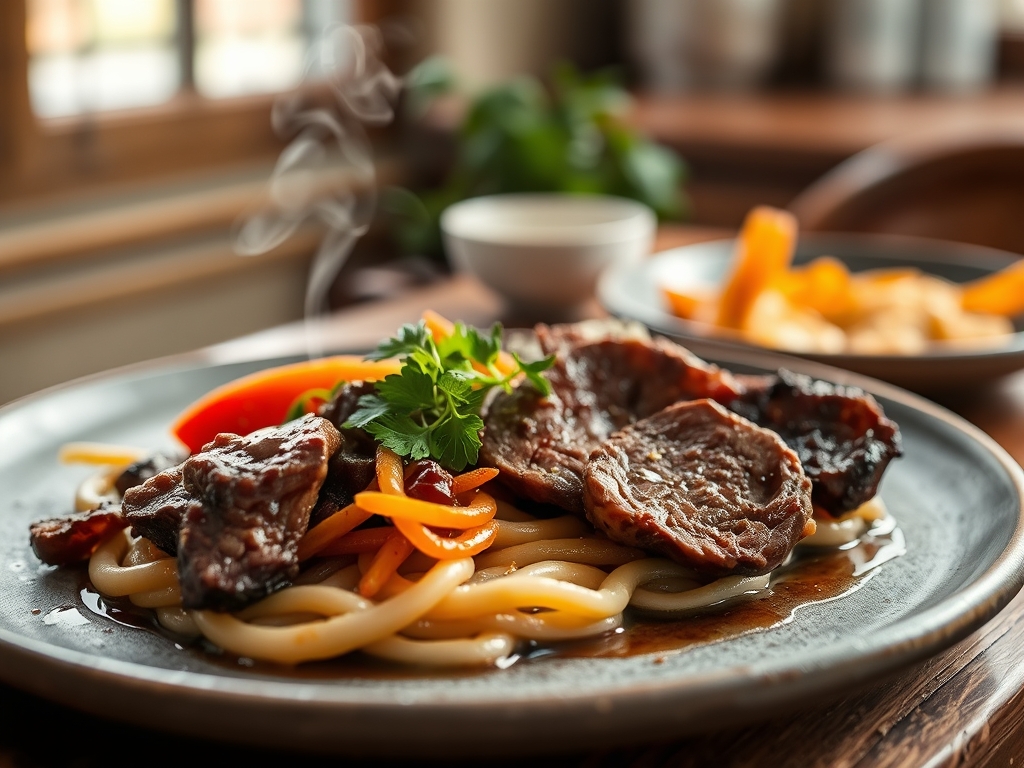
Picture the sizzle of a heavy-bottomed skillet meeting cold fat; it is the sound of a Tuesday night being saved. When you are juggling homework and a high-stress career, family friendly beef recipes are the ultimate tactical advantage. Beef provides a dense nutritional profile that satisfies growing appetites while offering the complex, savory depth that keeps adults interested.
The secret to a kid-approved meal is not hiding the flavor; it is mastering the texture. We are moving beyond the rubbery textures of school lunches and into the realm of professional-grade home cooking. By understanding the molecular mechanics of how proteins break down and how sugars caramelize, you can transform standard ground chuck into a culinary masterpiece. We are focusing on six specific profiles: the classic smash burger, a silky beef stroganoff, tactile taco boats, honey-garlic steak bites, a deconstructed cottage pie, and the ultimate sheet-pan nachos. Each dish is designed to be approachable yet sophisticated.
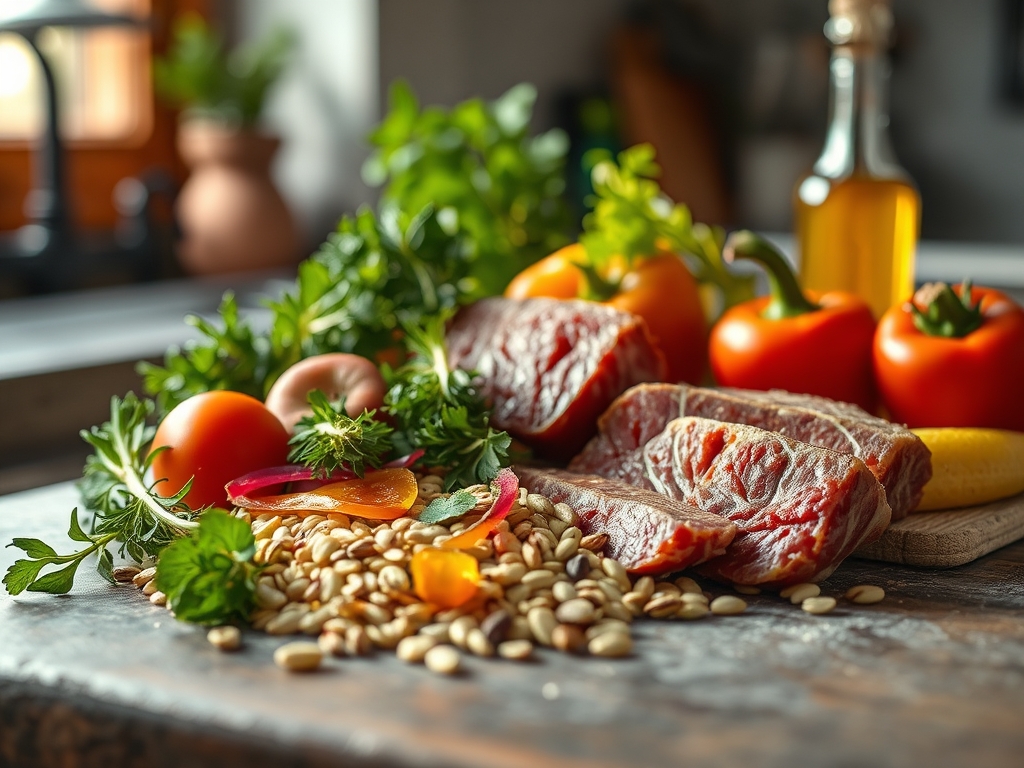
The Gathers:
Your mise-en-place is your roadmap to sanity. Before the first burner is lit, organize your station with the precision of a laboratory. You will need high-quality ground beef (80/20 ratio is ideal for moisture), flank steak for quick searing, and short ribs if you are feeling adventurous. Use a microplane to zest aromatics like garlic and ginger; this increases the surface area and allows the oils to infuse the fat more rapidly.
Smart Substitutions:
- Fat: If you want to lower the saturated fat, swap half the beef for finely minced cremini mushrooms. This maintains the umami profile while adding dietary fiber.
- Acid: Instead of harsh synthetic vinegars, use a splash of piquant apple cider vinegar or fresh lime juice to brighten the heavy proteins.
- Binder: Use panko breadcrumbs instead of traditional crumbs to aerate meatloaf or meatballs, preventing them from becoming dense and leaden.
The Clock
Efficiency in the kitchen is about "Chef's Flow." This is the art of overlapping tasks so that no second is wasted. For these family friendly beef recipes, the average prep time is 15 minutes with a cook time of 20 to 30 minutes.
Start by preheating your oven or skillet immediately; thermal inertia takes time to build. While the metal absorbs heat, perform all your knife work. Use a bench scraper to move chopped vegetables efficiently from the board to the pan. If a recipe requires a sauce to thicken, start that process mid-way through the protein sear to ensure the viscous consistency peaks right as the meat finishes resting.
The Masterclass
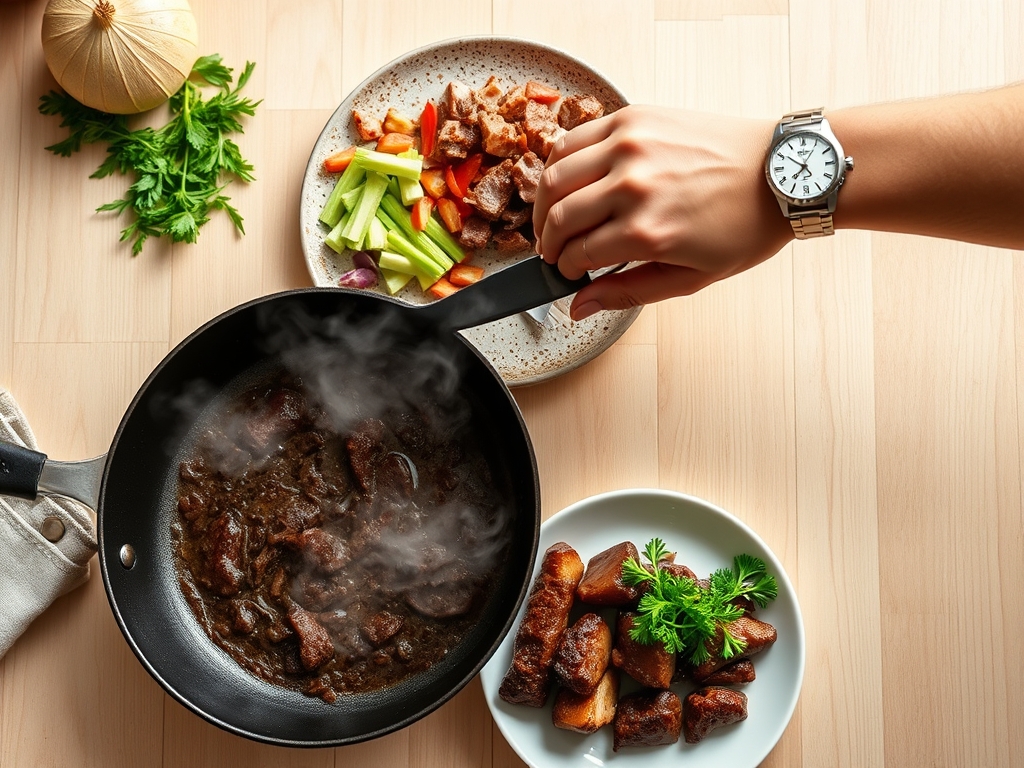
1. The Maillard Sear
Place your protein in a preheated heavy-bottomed skillet. Do not crowd the pan. If you add too much meat at once, the temperature drops and the beef will steam in its own juices rather than sear.
Pro Tip: This is the Maillard Reaction at work. It is a chemical reaction between amino acids and reducing sugars that creates the brown crust and complex flavor. Without a dry, hot surface, you lose the signature "beefy" taste.
2. Deglazing for Depth
After removing the meat, you will see brown bits stuck to the bottom of the pan. This is called the fond. Pour in a small amount of beef stock or water and use a wooden spoon to scrape it up.
Pro Tip: Deglazing captures concentrated flavor molecules that would otherwise be lost. This liquid becomes the base for a rich, savory pan sauce that ties the whole dish together.
3. Emulsifying the Sauce
When adding butter or cream to your pan sauce, whisk it in slowly over low heat. Use a saucier if available, as the rounded bottom prevents ingredients from scorching in the corners.
Pro Tip: This creates an emulsion, where fat and water-based liquids bond together. A stable emulsion feels "creamy" on the tongue and prevents the sauce from breaking into an oily mess.
4. Resting for Retention
Once the beef reaches its target temperature (use a digital scale or thermometer for precision), move it to a cutting board and wait five minutes before slicing.
Pro Tip: This allows for thermal carryover, where the internal temperature continues to rise slightly. More importantly, it allows the muscle fibers to relax and reabsorb the juices. If you cut too soon, the moisture escapes and the meat becomes dry.
5. Balancing with Acid
Just before serving, add a final squeeze of citrus or a sprinkle of fresh herbs. This provides a "high note" to the "bass note" of the beef.
Pro Tip: Acid cuts through the heavy lipids (fats) on your palate. It resets your taste buds with every bite, making the meal feel lighter and more balanced.
6. Texture Management
For the kids, ensure any vegetables are diced to a size consistent with the beef. Use a mandoline for perfectly uniform slices of potatoes or carrots.
Pro Tip: Uniformity in size ensures even heat distribution. It also prevents "selective eating" where children pick out large chunks of vegetables they might otherwise enjoy if the texture matched the protein.
The Deep Dive
From a macro perspective, beef is a powerhouse of iron, B12, and zinc. A standard 4-ounce serving provides roughly 25 grams of protein. To keep it healthy, focus on the "Plate Method": 50% colorful vegetables, 25% lean beef, and 25% complex carbohydrates like quinoa or sweet potatoes.
Dietary Swaps:
- Keto: Replace pasta with zucchini noodles or "zoodles." Use heavy cream and parmesan for sauces.
- Gluten-Free: Swap soy sauce for liquid aminos and use cornstarch or arrowroot powder as a thickener instead of flour.
- Vegan-Adjacent: If cooking for a mixed household, use "Impossible" or "Beyond" crumbles in the same skillet after the beef is done to avoid cross-contamination while using the same flavor base.
The Fix-It:
- Tough Meat: If your steak is chewy, you likely cut with the grain. Always slice perpendicular to the muscle fibers to shorten them.
- Bland Sauce: It usually needs salt or acid. Add a teaspoon of Worcestershire sauce for an instant umami boost.
- Greasy Dish: If the fat has separated, use a bread slice to blot the surface or toss in a small amount of flour to bind the lipids.
Meal Prep:
When reheating beef, avoid the microwave if possible. The high-frequency waves agitate water molecules, often "steaming" the meat from the inside out and making it rubbery. Instead, use a low oven (275°F) with a splash of broth covered in foil. This maintains the moisture levels and preserves the "day-one" texture.
The Wrap-Up
Mastering family friendly beef recipes is about more than just feeding a crowd; it is about reclaiming the dinner hour with confidence and scientific flair. By focusing on the Maillard reaction, proper resting times, and the art of the emulsion, you turn a simple chore into a culinary event. Grab your tongs, fire up the range, and show those picky eaters exactly what a professional home cook can do. Your kitchen is now a sanctuary of flavor and efficiency.
The Kitchen Table
How do I make ground beef less greasy for kids?
Brown the meat thoroughly in a heavy-bottomed skillet and then transfer it to a colander. Rinse briefly with hot water to remove excess surface lipids before returning it to the pan to finish seasoning with aromatics.
What is the best cut of beef for quick weeknight meals?
Flank steak or skirt steak are superior choices. They have a loose grain structure that absorbs marinades rapidly and cooks in under eight minutes. Always slice against the grain to ensure a tender, kid-friendly bite.
Can I cook beef from frozen in a rush?
It is safer to use a cold-water bath for rapid thawing. Cooking directly from frozen leads to uneven heat distribution, leaving the exterior overcooked and dry while the center remains dangerously under temperature.
Why does my beef turn gray instead of brown?
This happens when the pan is not hot enough or is overcrowded. Moisture escapes the meat and boils it. To fix this, cook in smaller batches and ensure the oil is shimmering before adding the protein.
How long can I store leftover beef dinners?
Cooked beef remains optimal for three to four days when stored in an airtight container in the refrigerator. For longer storage, freeze for up to three months, ensuring you leave minimal headspace to prevent freezer burn.