
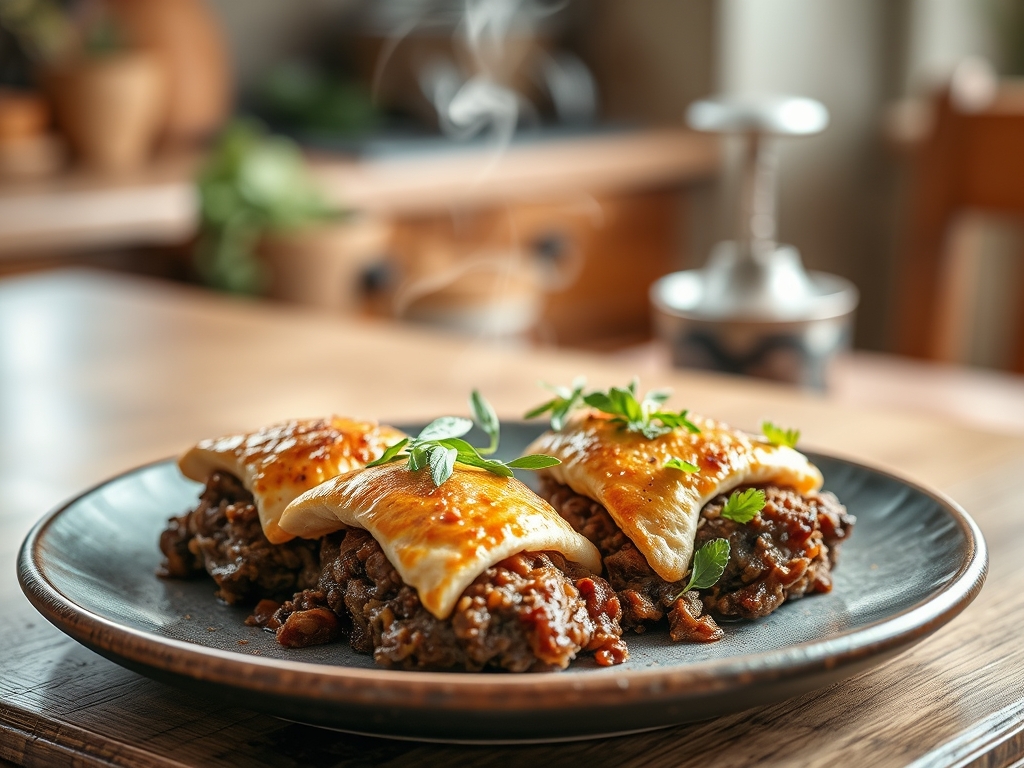
Imagine the scent of buttery, laminated dough meeting the savory, umami-rich aroma of searing protein. It is the ultimate kitchen alchemy. When you are craving comfort but lack the luxury of time, crescent ground beef recipes are your secret weapon for weeknight victory. We are transforming humble canned dough into a golden, flaky masterpiece that defies its simple origins.
This is not just about rolling dough; it is about the chemistry of the Maillard reaction. That deep brown crust on your beef is a symphony of amino acids and reducing sugars creating complex flavor compounds. When tucked inside layers of leavened pastry, the meat juices infuse the dough, creating a succulent interior contrast to the crisp, shatter-prone exterior. Whether you are crafting a ring, a braid, or a pocket, these ten hacks will elevate your dinner game from basic to brilliant. We are going to master the art of the savory pastry, ensuring every bite is a balanced profile of salt, fat, and acid. Grab your apron; we are about to turn your kitchen into a high-end bistro with just a few clever techniques.
The Gathers:
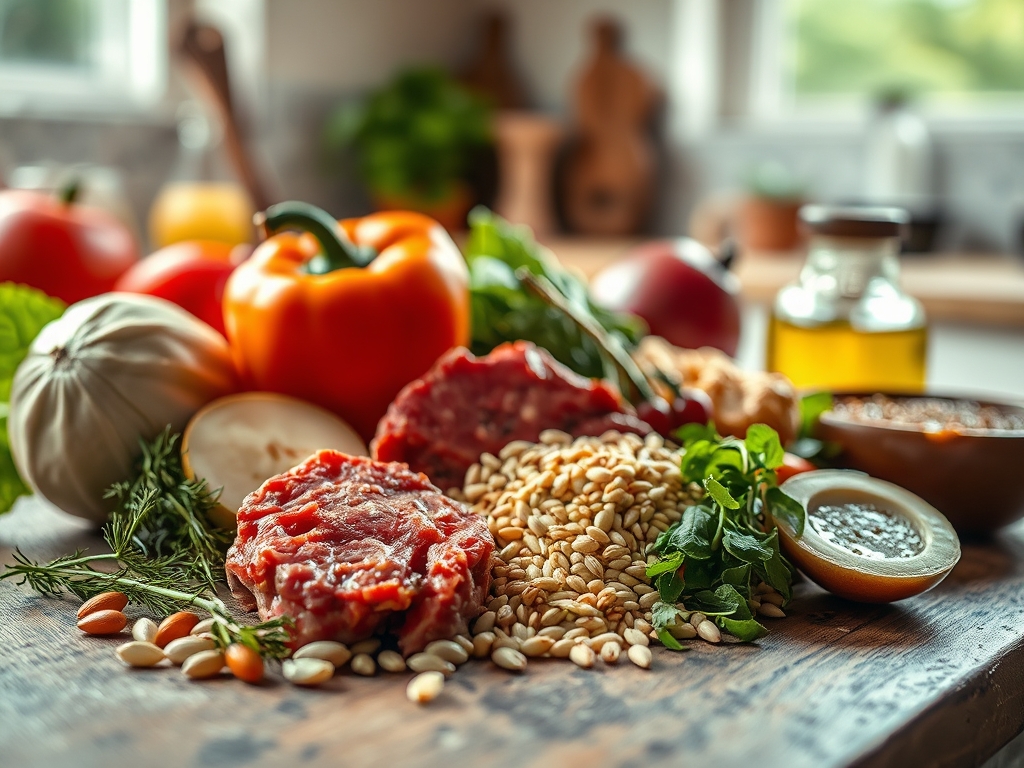
To achieve culinary excellence, your mise-en-place must be precise. Start with high-quality ground chuck, ideally an 80/20 lean-to-fat ratio. This specific ratio ensures enough lipid content to render and flavor the meat without making the pastry soggy. You will need two cans of refrigerated crescent dough; look for the "seamless sheet" variety if available to avoid unwanted leakage.
For the aromatic base, gather yellow onions, garlic cloves, and bell peppers. Use a microplane to grate your garlic into a fine paste; this increases surface area and allows the pungent oils to infuse the beef more thoroughly. Your spice cabinet should yield smoked paprika, cumin, and kosher salt. For the finish, a sharp cheddar or a viscous Gruyere provides the necessary fat-binding properties.
Smart Substitutions:
If you want to lighten the profile, swap the beef for ground turkey but add a teaspoon of Worcestershire sauce to mimic the deep beefy umami. For a Mediterranean twist, use ground lamb and swap the cheddar for feta. If you find yourself out of crescent rolls, puff pastry is a viable substitute, though it requires a slightly higher baking temperature to achieve full lamination.
The Clock: Chef's Flow
Efficiency in the kitchen is about managing thermal energy and timing. Total preparation time is 15 minutes, with a bake time of 20 to 25 minutes. The "Chef's Flow" dictates that you brown your meat first. This allows the beef to cool slightly before it touches the dough. If you place piping hot meat onto raw crescent dough, the fats in the pastry will melt prematurely, resulting in a "leaden" texture rather than a flaky one.
While the oven preheats to 375 degrees Fahrenheit, use your heavy-bottomed skillet to handle the heavy lifting. By the time your meat is seasoned and drained, your oven will be at the precise temperature to trigger the steam expansion needed for those doughy layers to rise.
The Masterclass
1. The Sear and Render
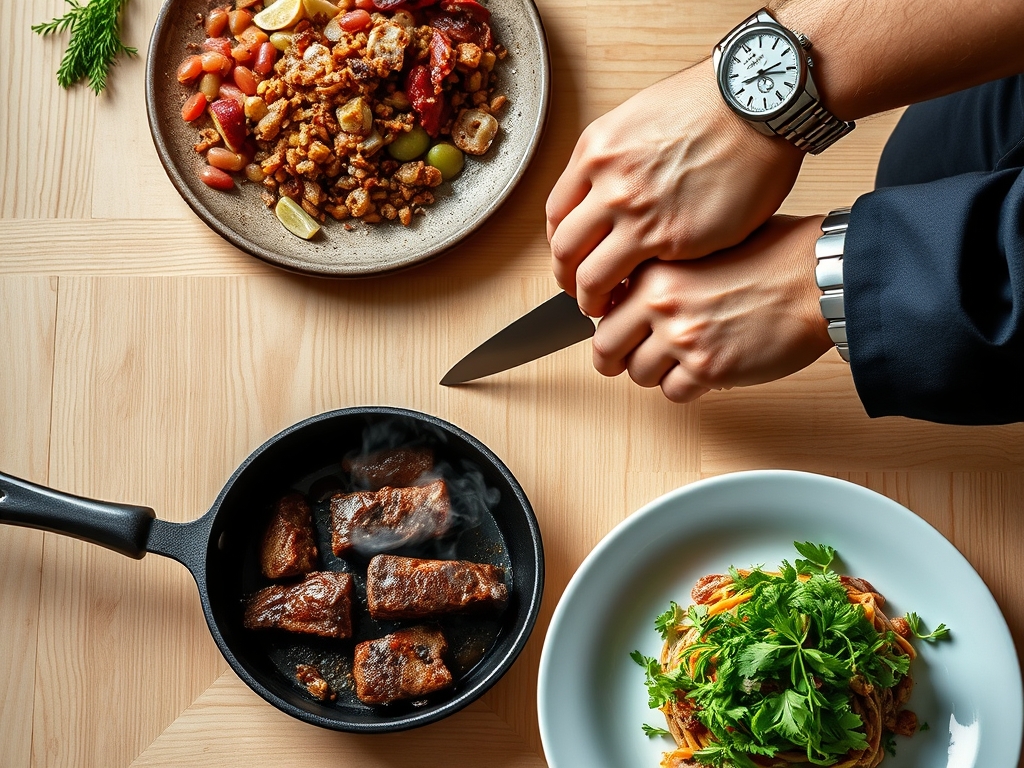
Heat your heavy-bottomed skillet over medium-high heat. Add the beef, breaking it apart with a stiff spatula or a bench scraper. Do not crowd the pan; you want to sear, not steam.
Pro Tip: This stage is all about enzymatic browning. By letting the meat sit undisturbed for three minutes, you allow the Maillard reaction to create a complex flavor profile that boiled or gray meat simply cannot match.
2. Deglazing the Aromatics
Once the meat is browned, remove it and leave a tablespoon of fat. Add your diced onions and peppers. As they release moisture, use a wooden spoon to deglaze the bottom of the pan, scraping up those toasted brown bits (the fond).
Pro Tip: The moisture from the vegetables acts as a solvent, lifting the concentrated flavor from the pan and redistributing it into the aromatics through solvent extraction.
3. Emulsifying the Filling
Return the beef to the pan and add a splash of beef stock or tomato paste. Stir until the mixture is cohesive and slightly viscous.
Pro Tip: Adding a small amount of starch or thickener creates an emulsion that traps the fats. This prevents the grease from migrating into the crescent dough, which would otherwise cause a "soggy bottom."
4. The Lamination Layout
Unroll your crescent dough onto a parchment-lined baking sheet. If using triangles, overlap them to form a starburst pattern or a long rectangle.
Pro Tip: Keep the dough chilled until the very last second. Cold fat in the dough creates steam pockets when it hits the hot oven, which is the mechanical basis for flakiness.
5. The Structural Assembly
Place the beef mixture in the center of your dough. Top with cheese and fold the edges over, tucking them tightly to seal.
Pro Tip: Use an egg wash (one egg beaten with a teaspoon of water) to brush the exterior. The proteins in the egg undergo thermal denaturation, resulting in a professional, glossy golden-brown finish.
6. The Thermal Finish
Slide the tray into the center rack of the oven. Bake until the pastry is puffed and deep gold.
Pro Tip: Understand thermal carryover. The internal temperature of the filling will continue to rise by 5 to 10 degrees after you remove it from the oven. Let it rest for five minutes to allow the juices to redistribute.
The Deep Dive
Macro Nutrition:
A standard serving of these crescent ground beef recipes provides approximately 350 calories, 18 grams of protein, and 22 grams of carbohydrates. To balance the plate, serve with a piquant green salad dressed in lemon vinaigrette to cut through the richness of the pastry.
Dietary Swaps:
For a Keto-friendly version, replace the crescent dough with a "Fathead" dough made from mozzarella and almond flour. For a Vegan option, use plant-based crumbles and a vegan-certified crescent roll (many commercial brands are accidentally vegan) along with cashew-based cheese.
The Fix-It:
- Soggy Bottom: Your filling was too wet. Next time, drain the beef in a fine-mesh strainer before adding it to the dough.
- Dough Tearing: The dough became too warm. Pop it in the freezer for 5 minutes to firm up the fats.
- Uneven Browning: Your oven has hot spots. Rotate the baking sheet 180 degrees halfway through the cooking process.
Meal Prep & Reheating:
To maintain "day-one" quality, avoid the microwave. The microwave agitates water molecules, making the bread chewy. Instead, use an air fryer at 350 degrees for 4 minutes or a toaster oven. This recrisps the lipid layers through conduction, restoring the original texture.
The Wrap-Up
Mastering crescent ground beef recipes is about more than just a quick dinner; it is about understanding how heat, fat, and flour interact to create something crave-worthy. By focusing on the sear of the beef and the temperature of the dough, you have elevated a pantry staple into a culinary triumph. Whether you are feeding a crowd of hungry kids or hosting a casual brunch, these hacks ensure a perfect, flaky result every single time. Go forth and bake with confidence!
The Kitchen Table
How do I prevent the crescent dough from getting soggy?
Always drain the cooked ground beef thoroughly using a colander. Additionally, let the meat filling cool for at least ten minutes before placing it on the raw dough to prevent the pastry fats from melting prematurely.
Can I make these crescent beef rolls in advance?
You can prepare the beef filling up to two days ahead. However, do not assemble the rolls until you are ready to bake. Raw dough will absorb moisture from the filling in the fridge, resulting in a gummy texture.
What is the best way to store leftovers?
Store leftovers in an airtight container in the refrigerator for up to three days. To preserve the flaky texture, reheat them in an oven or air fryer rather than a microwave to keep the pastry crisp.
What can I use if I don't have a skillet?
A wide, shallow pot or a saucier can work in a pinch. The key is using a vessel with enough surface area to allow moisture to evaporate quickly, which ensures the beef browns rather than boils in its own juices.