
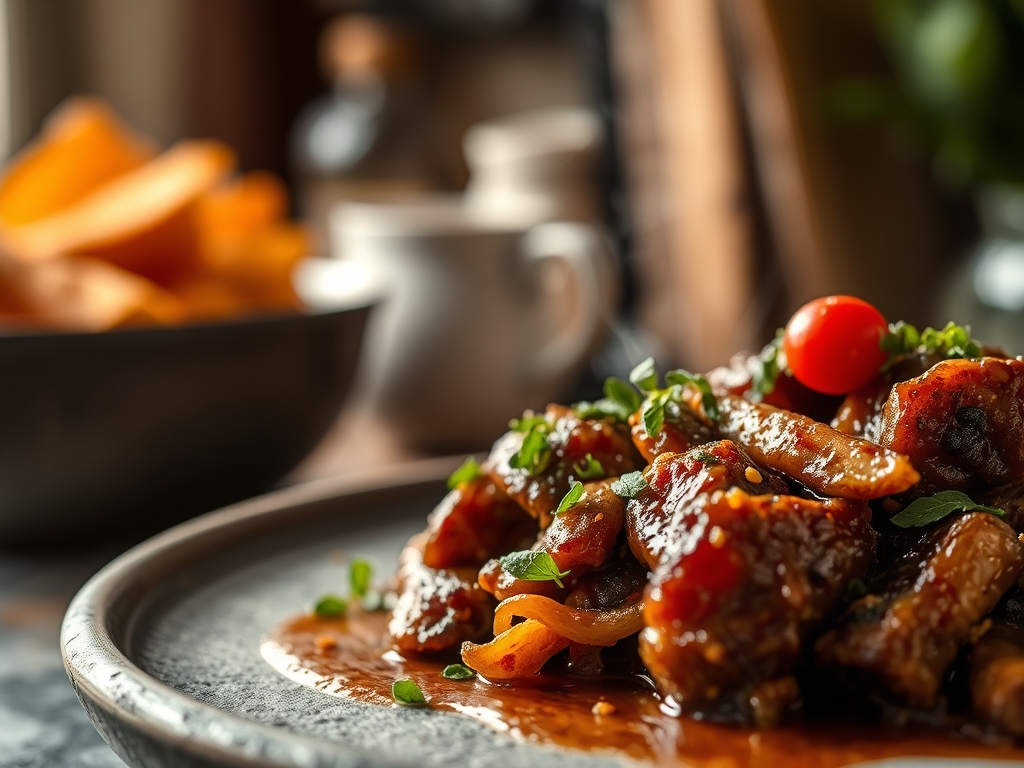
Close your eyes and imagine the scent of scorched pimento wood mingling with the deep, iron-rich aroma of searing protein. This is the sensory gateway to the world of jerk beef recipes; a culinary landscape where the aggressive heat of scotch bonnet peppers meets the warm, floral embrace of allspice. We are moving beyond basic grilling into a realm of high-impact flavor profiles.
The secret to mastering jerk beef recipes lies in the chemical marriage of acid and capsaicin. While chicken is the traditional canvas, beef offers a robust fat content that stands up to the intense, piquant marinade without being overshadowed. We are looking for that perfect crust, a combination of caramelized sugars and charred spices that creates a literal explosion of flavor on the palate. Grab your apron and your sharpest chef knife; we are about to transform a simple cut of meat into a masterpiece of Caribbean fusion. This is about more than just heat; it is about the sophisticated balance of smoke, salt, and soul.
The Gathers:
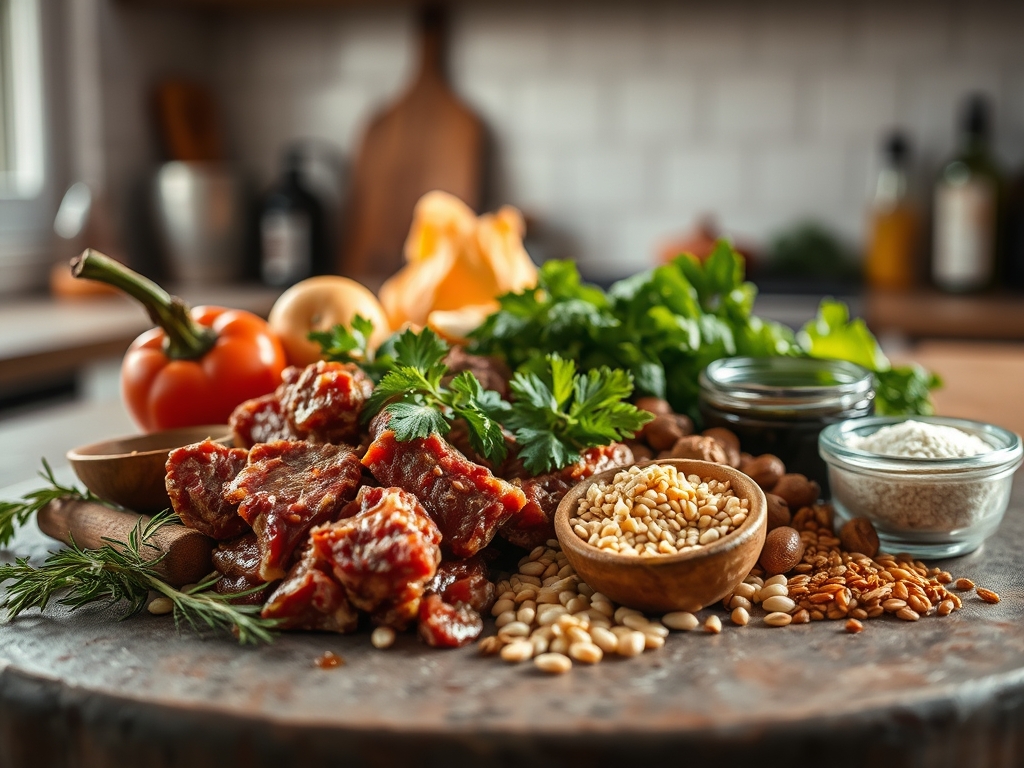
To execute these jerk beef recipes with precision, your mise-en-place must be impeccable. You will need high-quality aromatics: fresh scallions, knobs of ginger with tight skin, and whole allspice berries (pimento) which you should grind yourself for maximum volatile oil release. The beef selection is critical. For high-heat searing, choose a ribeye or flank; for slow braises, a chuck roast with significant intramuscular fat is ideal.
Smart Substitutions:
If scotch bonnets are unavailable, habaneros provide a similar heat level, though they lack the slightly fruity undertone. For a soy-free alternative, use coconut aminos to maintain that deep umami base. If you do not have access to a traditional pimento wood smoker, a high-quality liquid smoke or smoked paprika can mimic that essential wood-fired finish. Always use a microplane for your ginger and garlic to create a fine paste that integrates seamlessly into the viscous marinade.
The Clock
Efficiency in the kitchen is about understanding the "Chef's Flow." For most jerk beef recipes, you are looking at 30 minutes of active prep time, primarily focused on the marinade and vegetable knife work. However, the passive time is where the magic happens. A minimum of 4 hours for marinating is required, though 24 hours is the gold standard for deep tissue penetration.
Cooking times vary by method. A high-heat sear in a heavy-bottomed skillet takes roughly 8 to 12 minutes, while a low-and-slow braise requires 3 to 4 hours to properly render connective tissue. Always factor in a 10-minute rest period for the meat. This allows the internal juices to redistribute, ensuring every bite is succulent rather than dry.
The Masterclass
1. The Emulsified Marinade
Combine your aromatics, spices, and liquids in a high-speed blender. You want to create a cohesive, viscous liquid that clings to the meat.
Pro Tip: Adding a neutral oil during the blending process creates an emulsion. This ensures that the fat-soluble flavor compounds in the spices are evenly distributed across the surface of the beef.
2. The Deep Infusion
Score the surface of your beef in a crosshatch pattern before applying the marinade. This increases the surface area for the enzymes to work.
Pro Tip: Use a vacuum sealer if available. The pressure forces the marinade into the muscle fibers, accelerating the infusion process and breaking down tough proteins through enzymatic action.
3. The Maillard Reaction
Pat the excess moisture off the surface of the beef before it hits the pan. Use a digital scale to portion your meat for even cooking.
Pro Tip: Excess water is the enemy of browning. By drying the surface, you trigger the Maillard reaction immediately, creating a complex crust of amino acids and reducing sugars.
4. The Temperature Control
Use tongs to flip the meat only once. Monitor the internal temperature with a digital probe to ensure you hit your target doneness.
Pro Tip: Account for thermal carryover. Remove the beef from the heat when it is 5 degrees below your target temperature; the residual heat will continue to cook the center while the meat rests.
5. The Deglaze and Reduction
Once the beef is removed, use a saucier or the same skillet to capture the "fond" (the brown bits) left behind. Add a splash of beef stock or rum.
Pro Tip: Deglazing releases caramelized proteins back into a liquid state. Reducing this liquid creates a concentrated "jus" that intensifies the overall flavor profile of your jerk beef recipes.
6. The Resting Phase
Place the beef on a wire rack over a sheet pan rather than a flat plate. This prevents the bottom from steaming and losing its crust.
Pro Tip: Resting allows the muscle fibers to relax. If you cut the meat too soon, the internal pressure will force the juices out, leaving you with a dry, grey steak.
7. The Final Slice
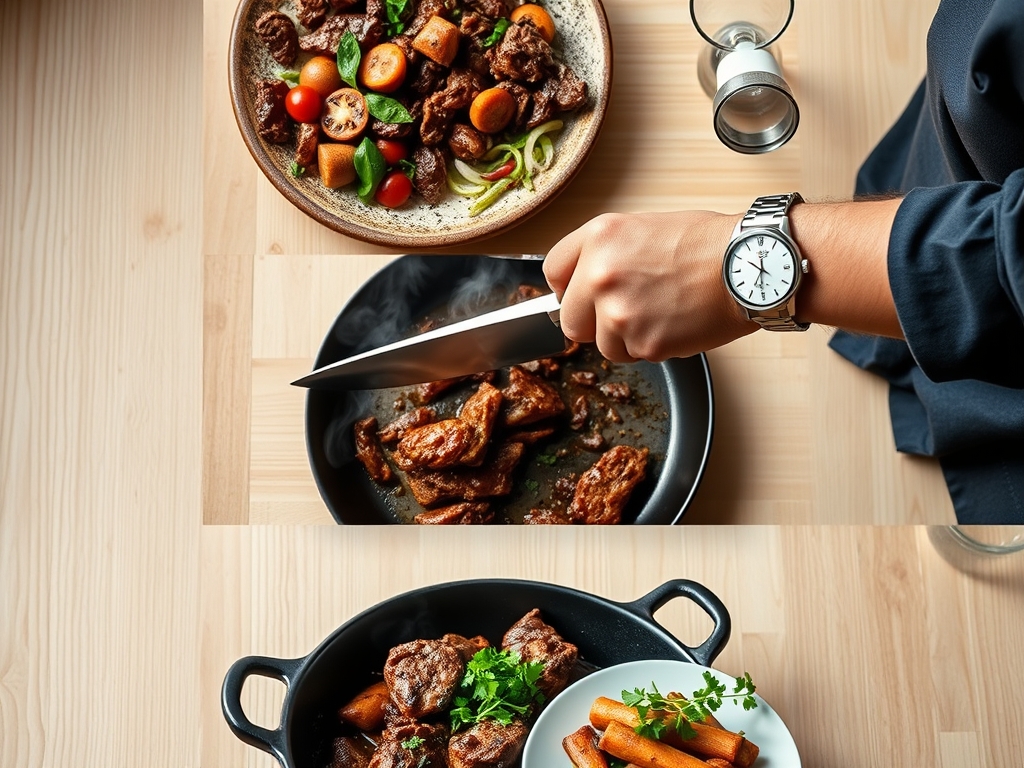
Use a bench scraper to clear your board and a sharp carving knife to slice against the grain.
Pro Tip: Slicing against the grain shortens the muscle fibers. This makes even the toughest cuts of jerk beef feel tender and buttery on the tongue.
The Deep Dive
Macro Nutrition:
Jerk beef is a powerhouse of protein and essential minerals like zinc and B12. By using lean cuts and controlling the sugar in the marinade, you can keep the caloric density manageable. A standard serving contains approximately 35g of protein and 12g of fat.
Dietary Swaps:
For a Keto version, replace the brown sugar in the marinade with an erythritol-based sweetener. For Vegan guests, the same marinade works wonders on thick slabs of roasted cauliflower or seitan. To keep it Gluten-Free, ensure your soy sauce is replaced with tamari.
The Fix-It:
- Too Spicy: If the heat is overwhelming, whisk in a tablespoon of honey or serve with a side of lime-infused yogurt to neutralize the capsaicin.
- Tough Texture: If the beef is chewy, you likely cut with the grain. Slice it thinner in the opposite direction to fix the mouthfeel.
- Burnt Spices: If the marinade burns before the meat is cooked, lower the heat and add a splash of water to the pan to regulate the temperature.
Meal Prep:
To maintain "day-one" quality, reheat your jerk beef in a covered dish with a tablespoon of water at 300 degrees Fahrenheit. This creates a gentle steam environment that prevents the proteins from tightening and becoming rubbery.
The Wrap-Up
Mastering jerk beef recipes is a rite of passage for any home cook looking to elevate their flavor game. It is a technical dance between fire and spice; a way to bring the vibrant energy of the islands directly to your kitchen table. By focusing on the science of the marinade and the precision of the sear, you are not just making dinner; you are creating an experience. Now, go grab those spices and let the kitchen become your laboratory of bold, beefy brilliance!
The Kitchen Table
How do I make my jerk beef more tender?
Marinate the beef for at least 12 hours. The acidity from lime juice and vinegar breaks down tough connective tissues. Additionally, always slice the finished beef against the grain to ensure the shortest possible muscle fibers for a tender bite.
What is the best cut of meat for jerk beef?
For quick grilling, use flank steak or skirt steak. For slow cooking or stews, choose chuck roast or oxtail. These cuts have the fat content necessary to balance the intense heat and spices found in traditional jerk seasonings.
Can I make jerk beef without a grill?
Yes. Use a heavy-bottomed cast iron skillet to achieve a deep sear. Finish the beef in a hot oven to reach your desired internal temperature. The skillet mimics the high-intensity heat of a grill, providing that essential charred exterior.
How do I store leftover jerk beef?
Store leftovers in an airtight container in the refrigerator for up to four days. To preserve moisture, keep some of the cooking juices with the meat. Reheat gently to avoid overcooking the proteins and making them tough.