
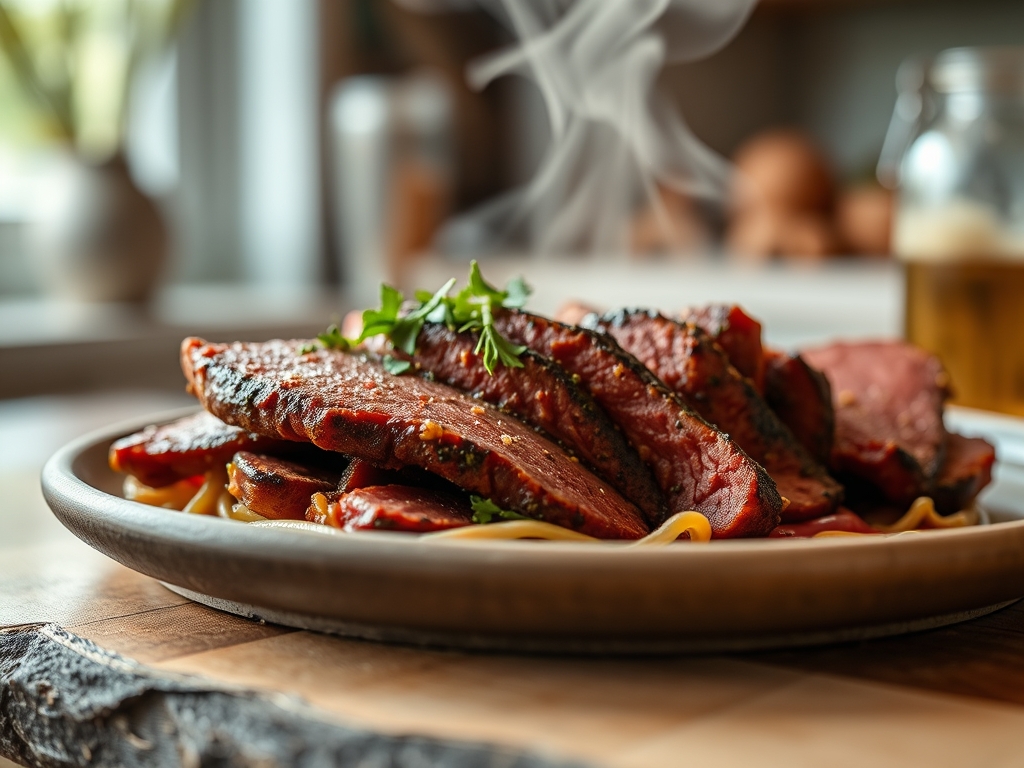
Imagine a kitchen filled with the scent of toasted coriander and the deep, malty hum of a dark stout. There is something primal and perfect about the way the salt-cured brisket reacts to the carbonation and complex sugars of a cold brew. When you are hunting for the ultimate corned beef recipes beer is your secret weapon; it acts as both a tenderizer and a flavor enhancer that bridges the gap between the piquant brine and the rich, fatty protein. This is not just a meal; it is a chemical transformation where tough connective tissue melts into buttery perfection. We are going to treat this brisket like the royalty it is, using science to unlock every ounce of flavor.
The Gathers:
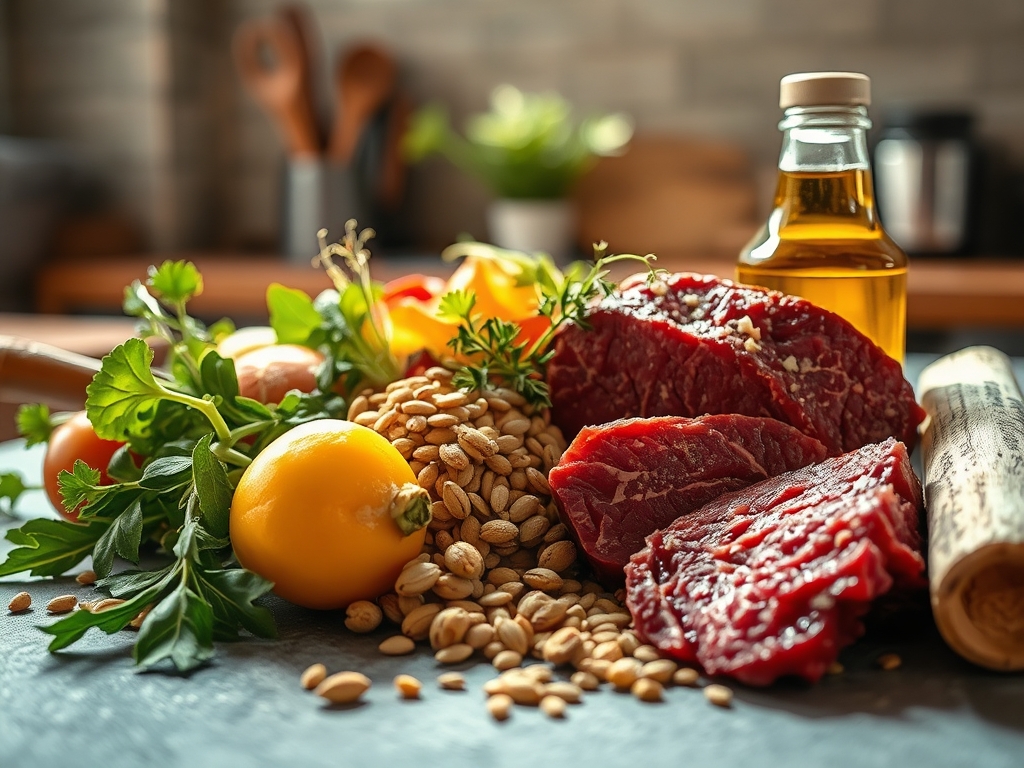
Before we strike a match, we must assemble our mise-en-place with precision. You will need a high-quality corned beef brisket, ideally the point cut for more fat rendering or the flat cut for cleaner slices. Grab your heavy-bottomed skillet or a Dutch oven to ensure even heat distribution. Your liquid gold is the beer; a dry Irish stout provides coffee notes, while a red ale offers a caramel sweetness that balances the salt.
You will also need aromatics: halved garlic bulbs, thick-cut yellow onions, and a bouquet garni of bay leaves and peppercorns. Use a microplane to zest a bit of fresh horseradish into your mustard sauce later for a sharp, volatile kick.
Smart Substitutions: If you are avoiding alcohol, a non-alcoholic malt beverage or a mixture of beef bone broth and a tablespoon of molasses will mimic the viscosity and depth. For those avoiding gluten, a sorghum-based gluten-free ale works beautifully. If you find your brisket is too salty, soak it in cold water for two hours before cooking to leach out excess sodium through osmosis.
The Clock: Chef's Flow
Timing is the difference between a masterpiece and a rubbery mess. Total prep time is roughly 20 minutes of active labor, but the "Chef's Flow" requires patience. You are looking at a 3 to 4-hour simmer on the stovetop or 6 to 8 hours in a slow cooker.
The flow begins with the sear, which takes 10 minutes. Then comes the braise, where the collagen slowly converts to gelatin. Finally, there is the rest, which is non-negotiable. If you slice too early, the internal pressure will push all those precious juices onto your cutting board. Plan for a 20-minute rest period using a digital scale to weigh down the meat if you want ultra-dense, deli-style slices.
The Masterclass:
1. The Maillard Sear
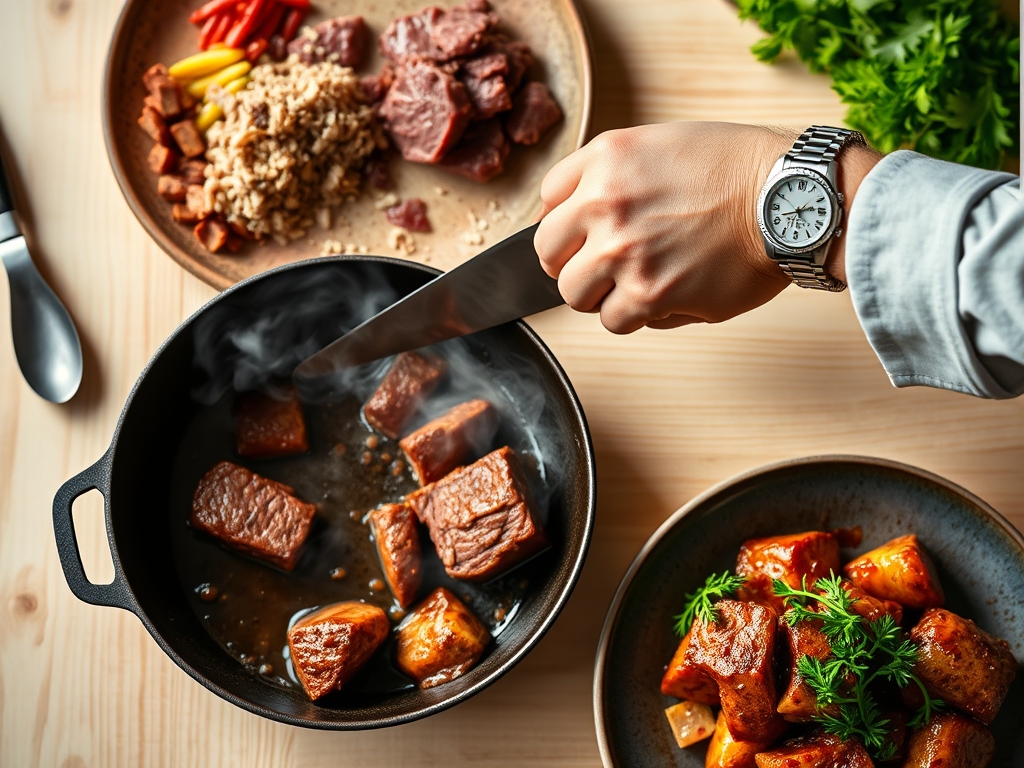
Place your brisket in a heavy-bottomed skillet over medium-high heat. Sear the fat cap until it is golden brown and crispy.
Pro Tip: This is the Maillard Reaction. By browning the surface, you create hundreds of different flavor compounds that a simple boil cannot achieve. This adds a savory "umami" depth to the final broth.
2. Deglaze and Infuse
Remove the meat and pour your chosen beer into the hot pan. Use a bench scraper or wooden spoon to lift the browned bits (the fond) from the bottom.
Pro Tip: Alcohol is a powerful solvent. It captures flavor molecules that are not water-soluble, ensuring the spices in your corned beef recipes beer infusion are fully integrated into the meat fibers.
3. The Low and Slow Braise
Submerge the brisket in the beer and aromatics. Cover tightly and reduce heat to a whisper of a simmer.
Pro Tip: Maintain a temperature of roughly 190 degrees Fahrenheit. This is the "sweet spot" for collagen denaturation. If the liquid boils too hard, the muscle fibers will tighten and become stringy.
4. The Glaze Application
In the final 30 minutes, brush a mixture of honey, stout reduction, and grain mustard over the meat and finish it in a hot oven.
Pro Tip: This creates enzymatic browning and caramelization. The sugars in the glaze bond with the proteins on the surface to create a sticky, lacquered crust that contrasts the tender interior.
5. The Rest and Carve
Transfer the meat to a warm platter. Tent with foil and wait. Use a sharp carving knife to slice against the grain.
Pro Tip: This allows for reabsorption. As the meat cools slightly, the protein fibers relax and pull the liquid back into the center. Slicing against the grain shortens the muscle fibers, making every bite melt in your mouth.
The Deep Dive:
Macro Nutrition
Corned beef is a protein powerhouse, but it is also high in sodium and saturated fats. A standard 4-ounce serving contains roughly 20 grams of protein and 15 grams of fat. To balance the macros, pair it with fiber-rich cabbage and potassium-heavy potatoes to help mitigate the sodium impact.
Dietary Swaps
- Vegan: Use a "corned" brisket made of seitan. The high-protein wheat gluten absorbs the beer and pickling spices similarly to beef.
- Keto: Skip the potatoes and sugar-heavy glazes. Use a sugar-free amber ale and serve with roasted radishes, which mimic the texture of potatoes without the carbs.
- GF: Ensure your beer is certified gluten-free, as standard stouts are brewed with barley.
The Fix-It: Common Pitfalls
- Tough Meat: If it is still chewy, it hasn't cooked long enough. The collagen hasn't fully melted. Put it back in the liquid for another 45 minutes.
- Too Salty: If the broth tastes like the ocean, add a halved raw potato. The starch acts as a sponge for excess salt.
- Greasy Sauce: If your beer braise is too oily, use a saucier and a fat separator. Alternatively, drop an ice cube into the liquid; the fat will congeal around it for easy removal.
Meal Prep: Reheating Science
To maintain "day-one" quality, reheat slices in a pan with a splash of the leftover braising liquid. Cover it to create steam. This prevents the proteins from drying out and keeps the fat in an emulsified, silky state.
The Wrap-Up:
Mastering corned beef recipes beer is about more than just a holiday meal; it is about understanding the beautiful chemistry of slow-cooking. When you combine the enzymatic power of malt with the patience of a low-temperature braise, you turn a humble cut of meat into a buttery, salt-kissed triumph. Grab your tongs, pop a cold one for the pot (and maybe one for yourself), and let the science of flavor do the heavy lifting. Your kitchen is about to smell like an Irish gastropub in the best way possible!
The Kitchen Table:
Which beer is best for corned beef?
Stouts and Irish reds are ideal. The roasted malts in a stout provide a chocolatey bitterness that balances the salt, while red ales offer a caramel sweetness that complements the pickling spices perfectly.
How do I keep corned beef from getting tough?
Keep the temperature low. Boiling the meat causes muscle fibers to seize and toughen. A gentle simmer ensures the collagen breaks down into gelatin, resulting in a tender, succulent texture every time.
Should I wash the brine off before cooking?
Yes, always rinse your brisket under cold water. This removes the excess surface salt and the concentrated brine liquid, preventing the final dish from becoming over-salted during the reduction process.
Can I cook corned beef without a slow cooker?
Absolutely. Use a heavy-bottomed skillet or Dutch oven on the stovetop or in a 300 degree oven. The key is a tight-fitting lid to trap steam and maintain a consistent, moist environment.
How do I slice corned beef correctly?
Always slice against the grain. Look for the direction the muscle fibers are running and cut perpendicular to them. This breaks up the long fibers, making the meat much easier to chew and enjoy.