
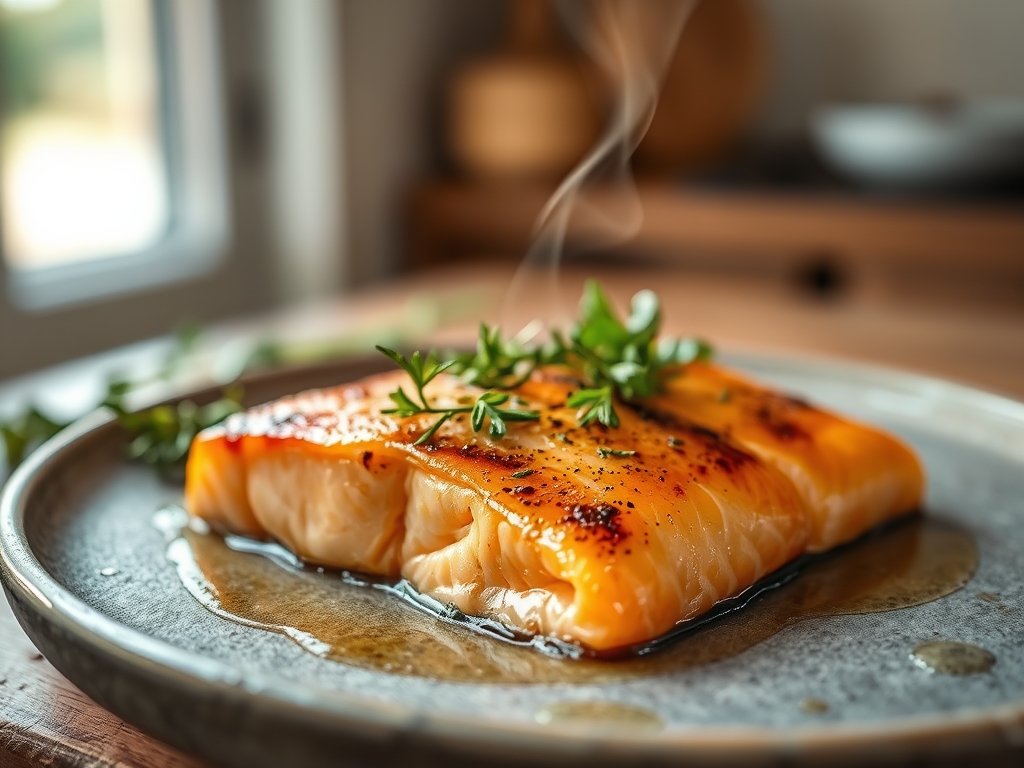
Imagine the scent of alderwood smoke drifting through your kitchen; it is a heady, resinous perfume that signals something truly extraordinary is about to happen. When you master sophisticated smoked king salmon recipes, you are not just cooking; you are performing an act of culinary alchemy. King salmon, or Chinook, is the crown jewel of the Pacific. It boasts the highest fat content of any salmon species, which translates to a buttery, melt-in-your-mouth texture that is frankly incomparable. We are going for that perfect balance of salt, sweet, and smoke, where the exterior takes on a lacquered, mahogany sheen while the interior remains succulent and flaky. This is the kind of dish that makes people stop talking and just eat. It is elegant, it is technical, and it is surprisingly approachable once you understand the molecular dance between protein and heat.
The Gathers:
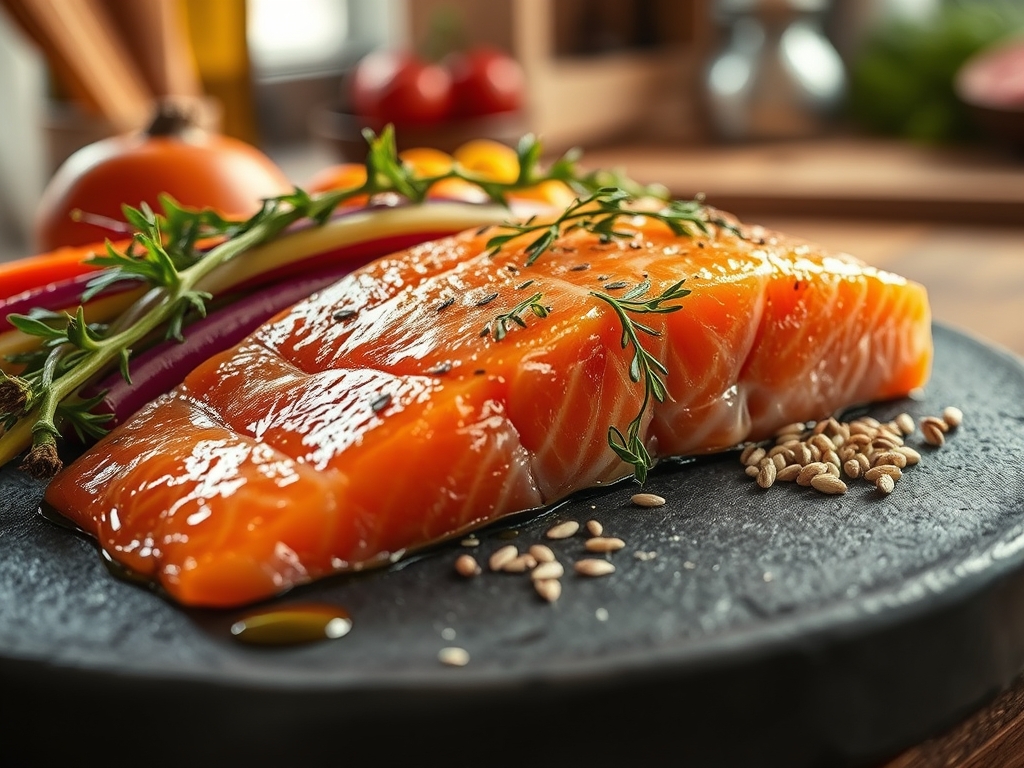
To begin, you need a side of King Salmon that is vibrant and firm to the touch. Look for deep marbling; those white lines are intramuscular fat that will render during the smoking process, keeping the flesh moist. You will need a digital scale to measure your dry brine precisely. Accuracy is non-negotiable here because osmosis is a fickle friend. Your brine consists of dark brown sugar for its molasses depth and coarse kosher salt. The salt creates a denaturation of proteins, drawing out moisture to concentrate the flavor while the sugar aids in the development of a glossy pellicle.
For the aromatics, grab a microplane to zest fresh lemons and grate ginger. You want these flavors to be infused into the surface without adding bulk. You will also need cracked black peppercorns and perhaps a touch of toasted fennel seeds for a piquant edge. If you cannot find King Salmon, a high-quality Atlantic salmon is a smart substitution, though you must reduce the smoking time slightly as it lacks the same fat density. For a wood choice, alder or fruitwoods like apple and cherry are superior; they provide a delicate smoke that does not overwhelm the fish's natural sweetness. Avoid mesquite, which is far too aggressive for this delicate protein.
The Clock
Efficiency in the kitchen is all about the "Chef's Flow." This is not a thirty-minute meal; it is a labor of love that requires patience. Your active prep time is about 30 minutes, involving the cleaning, scaling, and brining of the fish. However, the "cure" time is the longest stretch, requiring 4 to 8 hours in the refrigerator. This is followed by a 2-hour air-drying phase to form the pellicle. The actual smoking process takes roughly 2 to 3 hours depending on the thickness of your fillets. Finally, you must account for a 30-minute rest. Total time investment is roughly 12 hours, but 90 percent of that is passive. Plan to brine the night before so you can smoke the fish the following afternoon.
The Masterclass
1. The Precision Brine
Place your salmon on a bench scraper cleaned surface and check for pin bones using culinary tweezers. Coat the flesh side generously with your salt and sugar mixture. Wrap the fish tightly in plastic wrap and place it on a sheet tray in the refrigerator.
Pro Tip: This process uses osmosis to pull moisture out and then pull the seasoned brine back in. This seasons the fish to the core and alters the protein structure so it can withstand heat without becoming "chalky."
2. The Pellicle Formation
Rinse the brine off with cold water and pat the fish bone-dry with paper towels. Place the salmon on a wire rack over a baking sheet and set a fan to blow cool air across it for two hours. The surface should feel tacky to the touch.
Pro Tip: Creating this "pellicle" is vital. It is a thin, sticky layer of proteins that have migrated to the surface. Without it, the smoke cannot effectively adhere to the fish, and you will lose that iconic lacquered finish.
3. The Low and Slow Smoke
Preheat your smoker to 225 degrees Fahrenheit. Place the salmon skin-side down on the grates. Use a digital probe thermometer to monitor the internal temperature constantly. You are aiming for an internal pull temperature of 135 to 140 degrees Fahrenheit.
Pro Tip: Maintaining a low temperature prevents the rapid contraction of muscle fibers. If you cook it too fast, the fish will "bleed" albumin, that white protein goop that looks like unappetizing foam.
4. The Glaze Application
During the final 30 minutes of smoking, use a silicone pastry brush to apply a thin layer of maple syrup or apricot preserves thinned with a bit of bourbon. This creates a viscous coating that traps the smoke flavor.
Pro Tip: This is a controlled version of the Maillard reaction. While we aren't searing the fish, the sugars in the glaze interact with the amino acids in the salmon under the gentle heat to create complex, savory-sweet flavor compounds.
5. The Thermal Carryover Rest
Once the salmon hits 135 degrees, remove it using wide tongs or a fish spatula. Place it on a wooden board and tent it loosely with foil. Let it rest for at least 20 minutes before serving or chilling.
Pro Tip: Thermal carryover will cause the internal temperature to rise another 5 degrees while resting. This allows the juices to redistribute and the fats to "set," ensuring a clean flake when you finally dive in.
6. The Final Texture Check
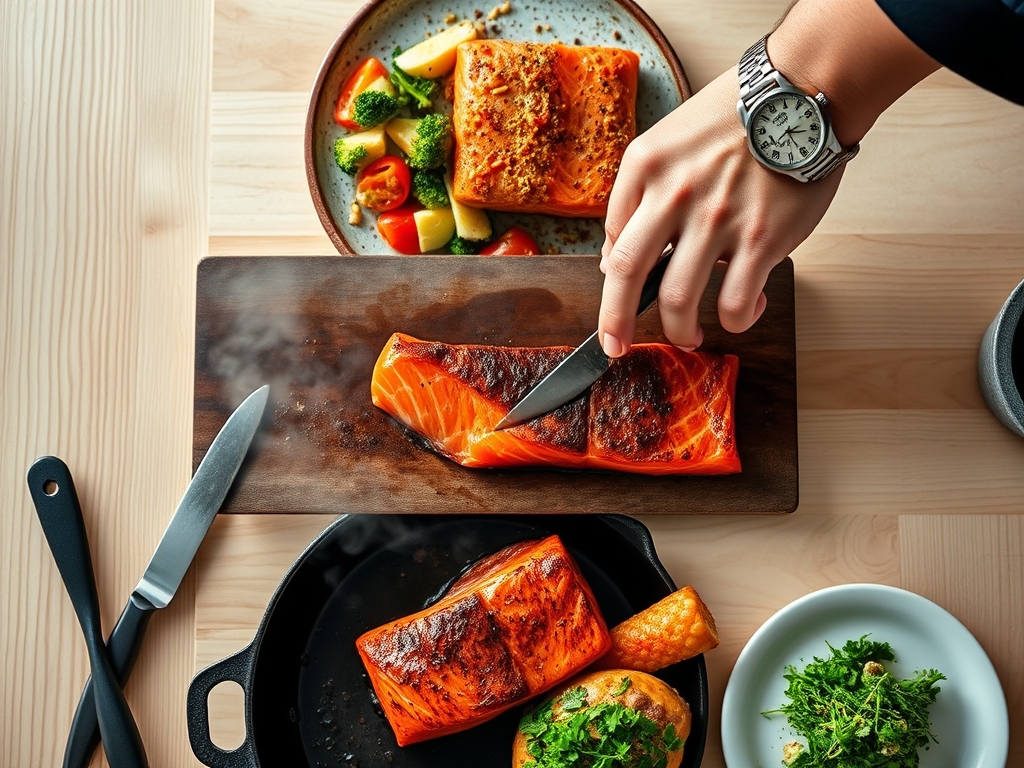
Use a sharp slicing knife to cut the salmon against the grain. The exterior should be firm and smoky, while the interior should be buttery and translucent. If the fish flakes easily with a fork but still feels moist, you have achieved perfection.
Pro Tip: Cold-smoking vs. hot-smoking is a common debate. This method is a "hot smoke," which fully cooks the fish while infusing flavor. This ensures the collagen has broken down, providing that signature "melt" on the tongue.
The Deep Dive
From a macro nutrition perspective, smoked king salmon is a powerhouse. It is exceptionally high in Omega-3 fatty acids, which are essential for heart health and brain function. A standard 4-ounce serving provides roughly 25 grams of high-quality protein and a significant dose of Vitamin D and B12. For those on a Keto diet, this is a dream ingredient. If you are looking for a vegan alternative, "carrot lox" seasoned with liquid smoke and sea salt can mimic the flavor, though it lacks the fatty mouthfeel. For a gluten-free version, simply ensure your glaze ingredients, like soy sauce substitutes, are certified GF.
If you run into trouble, don't panic. If your fish looks dry, it likely overcooked; you can "fix" this by flaking the meat and folding it into a saucier with heavy cream to make a decadent pasta sauce. If the skin is soggy, you can quickly crisp it in a heavy-bottomed skillet with a touch of oil for 60 seconds. If the smoke flavor is too bitter, it usually means your wood was smoldering without enough oxygen; next time, ensure a "clean" blue smoke. For meal prep, reheat leftovers gently in a 275-degree oven with a splash of water to aerate the steam and prevent desiccation.
The Wrap-Up
Mastering smoked king salmon recipes is a rite of passage for any serious home cook. It requires a blend of scientific precision and sensory intuition. By focusing on the pellicle, the brine, and the gentle application of heat, you transform a raw fillet into a masterpiece of texture and taste. Whether you serve it on a brunch platter with capers and red onion or as the star of a sophisticated dinner, this salmon is guaranteed to impress. Now, get your smoker ready and let the alchemy begin!
The Kitchen Table
How do I prevent the white stuff from appearing on the salmon?
That white substance is albumin. To prevent it, brine your fish thoroughly and smoke it at a very low temperature. Avoid "shocking" the fish with high heat, which causes the muscle fibers to contract and squeeze the protein out.
Can I smoke salmon without a professional smoker?
Yes, you can use a charcoal grill. Set it up for indirect heat by placing coals on one side and the fish on the other. Add wood chunks to the coals and keep the vents partially closed to maintain a low temperature.
How long does home-smoked salmon stay fresh?
When stored in an airtight container or vacuum-sealed bag, smoked king salmon will stay fresh in the refrigerator for up to seven days. For longer storage, you can freeze it for up to three months without significant texture loss.
What is the best wood for smoking king salmon?
Alder is the traditional choice for Pacific Northwest salmon. It provides a light, sweet smoke that enhances rather than masks the flavor of the fish. Fruitwoods like apple or cherry are also excellent for a slightly sweeter profile.