
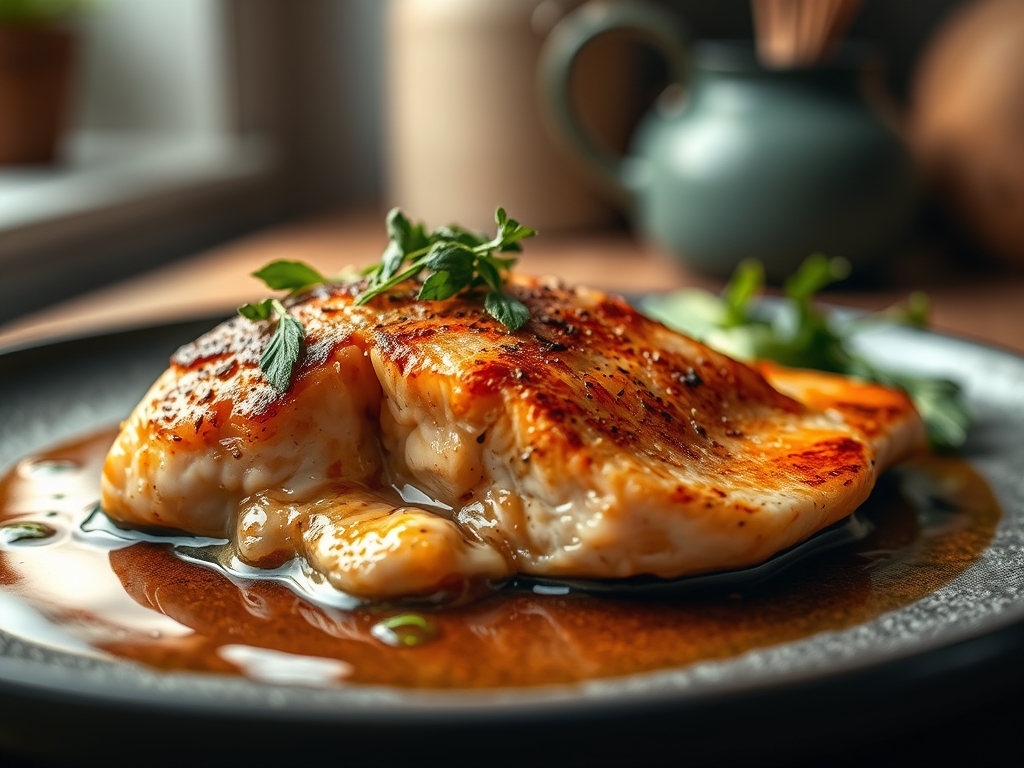
Picture the scene: your heavy-bottomed skillet is screaming hot, the skin of the fish is crackling like parchment paper, and the air is thick with the scent of toasted proteins. We have all been there, staring at a perfectly cooked fillet and realizing it needs a partner to reach its full potential. Mastering pan seared salmon recipes with sauce is the ultimate bridge between a simple weeknight meal and a high-end bistro experience. It is not just about moisture; it is about the chemical interplay between the rich, fatty acids of the fish and the piquant brightness of a well-executed reduction. When you nail the sear, you create a textured canvas that begs for a viscous glaze or a light, aerated foam. We are going to dive deep into the mechanics of the perfect sear and the nine sauces that will transform your kitchen into the hottest seat in town. Grab your apron; we are about to turn basic fillets into a masterclass of flavor and technique.
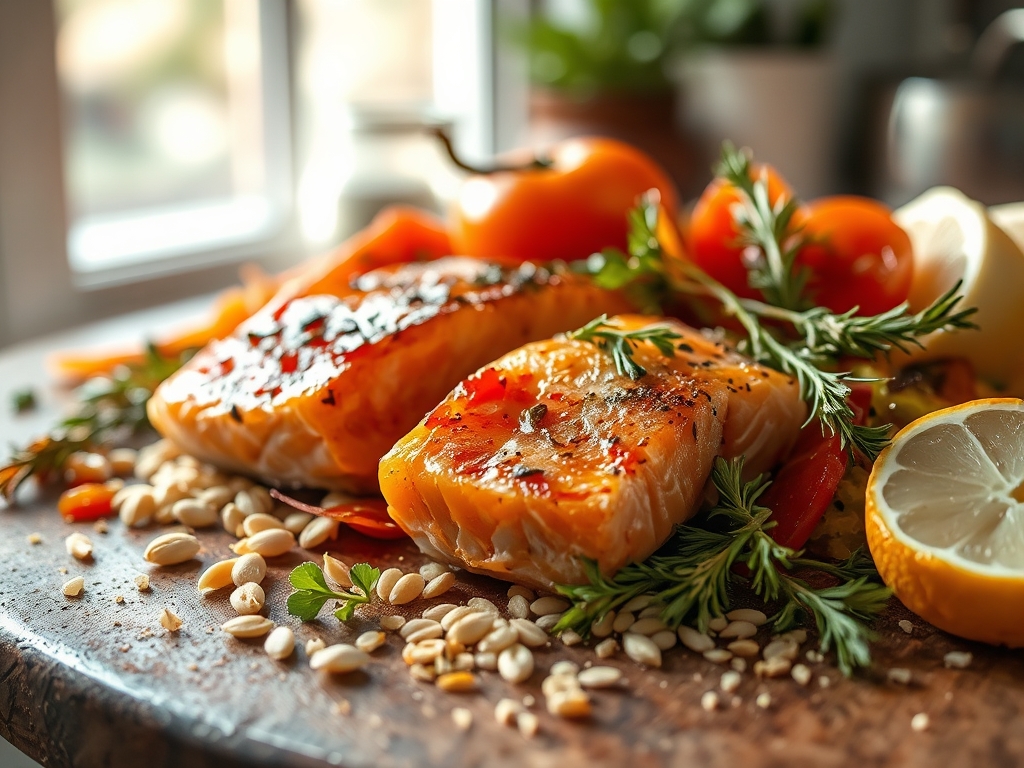
The Gathers:
Before we ignite the burners, we must respect the mise-en-place. Your workstation should look like a laboratory of flavor. You will need high-quality salmon fillets, preferably center-cut for uniform thickness. For the sauces, gather high-smoke-point oils like avocado oil, unsalted European-style butter for its lower water content, and a collection of aromatics. Ensure your microplane is sharp for zesting citrus and your saucier is ready for emulsification.
Smart Substitutions: If you are out of dry white wine for deglazing, a splash of verjuice or a diluted white wine vinegar works wonders to provide that necessary acidity. For a dairy-free richness, full-fat coconut milk can mimic the viscosity of heavy cream, while nutritional yeast adds a savory depth similar to Parmesan. If you lack fresh shallots, the white parts of green onions offer a similar, albeit milder, sulfurous bite. Always use a digital scale for your solid fats to ensure your emulsions remain stable and do not "break" under heat.
The Clock
Efficiency in the kitchen is about understanding "Chef's Flow." Total preparation time for these recipes usually clocks in at 15 minutes, with an active cook time of 10 to 12 minutes. The secret is the overlap. While your salmon is resting to allow for thermal carryover, you will use that same skillet to build your sauce. This "one-pan" philosophy ensures that the fond, those delicious browned bits stuck to the bottom of the pan, is incorporated directly into your sauce. This saves time and maximizes the Maillard reaction's savory profile.
The Masterclass
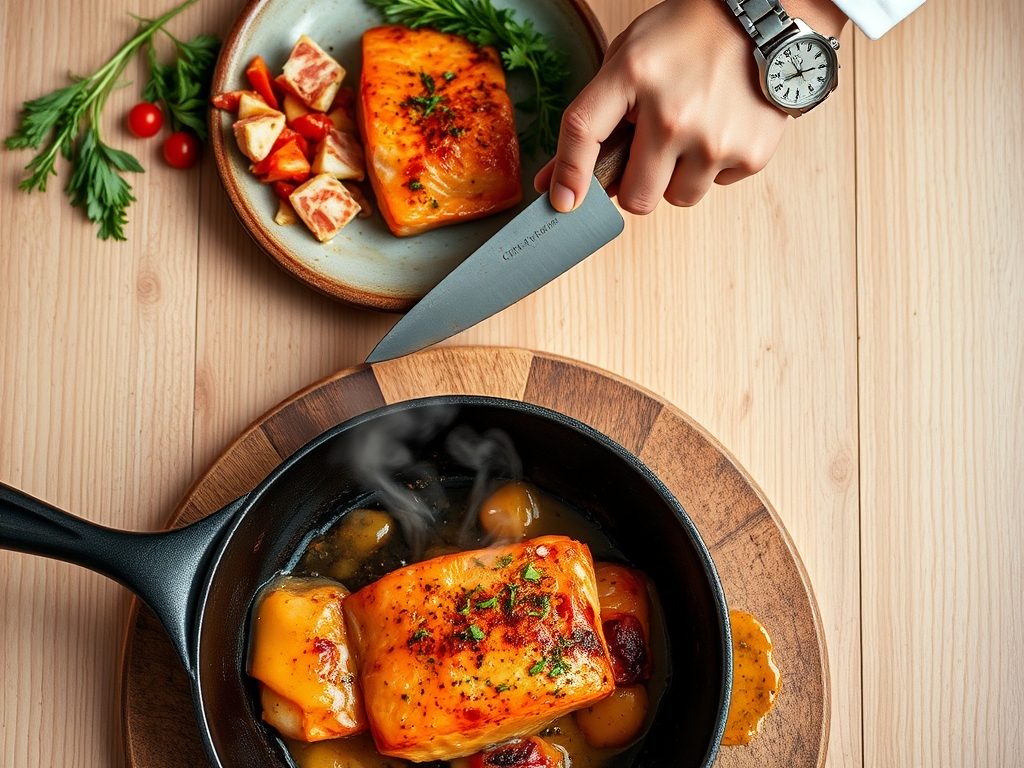
1. The Surface Prep
Pat your salmon fillets bone-dry with paper towels. Any residual moisture will create steam, preventing the skin from achieving that coveted glass-like crunch. Season aggressively with kosher salt just before the fish hits the pan.
Pro Tip: This is about preventing the Leidenfrost effect. By ensuring the surface is dry, you allow the proteins to bond directly with the hot oil, creating a crisp barrier rather than a soggy, steamed exterior.
2. The Initial Sear
Place the salmon skin-side down in a shimmering heavy-bottomed skillet. Use your fish spatula to apply light pressure for the first 30 seconds. This prevents the skin from curling as the collagen fibers contract.
Pro Tip: This stage utilizes conductive heat transfer. Pressing the fish ensures maximum surface area contact, which accelerates the rendering of subcutaneous fat for a crispier result.
3. The Flip and Finish
Once the skin is golden and releases easily from the pan, flip the fillet. Cook for another 2 to 3 minutes until the internal temperature reaches 125 degrees Fahrenheit for a perfect medium-rare. Remove the fish to a warm plate.
Pro Tip: Respect thermal carryover. The internal temperature will rise by 5 to 7 degrees while resting. Pulling it early ensures the albumin (the white protein) does not squeeze out, keeping the fish succulent.
4. Deglazing the Fond
Pour off excess fat but keep the browned bits. Add your aromatics like minced shallots or garlic, then deglaze with your liquid of choice, such as white wine or stock. Use a whisk to scrape the bottom of the pan.
Pro Tip: This is enzymatic browning at its finest. The liquid dissolves the concentrated flavors created during the sear, suspending them in your sauce base for a deeper umami profile.
5. Emulsifying the Sauce
Lower the heat and whisk in cold butter cubes or heavy cream. For a citrus-based sauce, add your lemon juice and zest at the very end to keep the volatile oils bright and piquant.
Pro Tip: This creates a colloidal suspension. By whisking cold fat into a warm liquid, you prevent the fats from separating, resulting in a smooth, glossy, and viscous finish that coats the back of a spoon.
The Deep Dive
Macro Nutrition: Salmon is a nutritional powerhouse, offering approximately 25 grams of protein and 12 grams of healthy fats per 6-ounce serving. The sauces add varying degrees of caloric density; a lemon-caper piccata is lighter, while a garlic butter cream sauce increases the lipid count.
Dietary Swaps: For a Keto-friendly version, stick to butter and herb-based sauces. For a Vegan twist, sear "salmon" made from marinated tofu and use a tahini-lemon sauce. Gluten-free diners should ensure their thickening agents are cornstarch or arrowroot rather than flour.
The Fix-It:
- Broken Sauce: If your butter sauce separates, whisk in a teaspoon of warm water or heavy cream to re-emulsify the fats.
- Soggy Skin: If the skin is not crisp, your pan was not hot enough. Next time, wait for the oil to reach its smoke point before adding the fish.
- Overcooked Fish: If the salmon is dry, flake it into the sauce and serve it over pasta to mask the texture loss.
Meal Prep: To reheat, avoid the microwave. Use a low-temperature oven (275 degrees) with a splash of water covered in foil. This gentle "re-thermalization" prevents the fats from oxidizing and keeps the texture supple.
The Wrap-Up
You are now armed with the technical prowess to turn a standard grocery store fillet into a culinary event. Remember, the sauce is not just an accessory; it is the final movement in a symphony of heat, fat, and acid. Whether you choose a bold balsamic reduction or a delicate dill cream, the key is confidence in your sear and precision in your emulsion. Get into that kitchen, grab your favorite skillet, and let the Maillard reaction work its magic. Your dinner guests (and your palate) will thank you.
The Kitchen Table
How do I get the skin extra crispy?
Ensure the salmon is bone-dry and the pan is medium-high heat. Use a heavy-bottomed skillet and press down with a spatula for thirty seconds to ensure even contact and fat rendering.
Can I use frozen salmon for these recipes?
Yes, but thaw it completely in the refrigerator first. Pat it exceptionally dry with paper towels to remove excess moisture that accumulates during the freezing process to ensure a proper sear.
What is the best oil for searing salmon?
Use an oil with a high smoke point, such as avocado, grapeseed, or canola oil. Avoid extra virgin olive oil for the initial sear, as it can burn and turn bitter.
How do I know when the salmon is done?
The fish is done when it reaches an internal temperature of 125 to 130 degrees Fahrenheit. It should feel firm to the touch and flake easily with a fork while remaining translucent in the center.