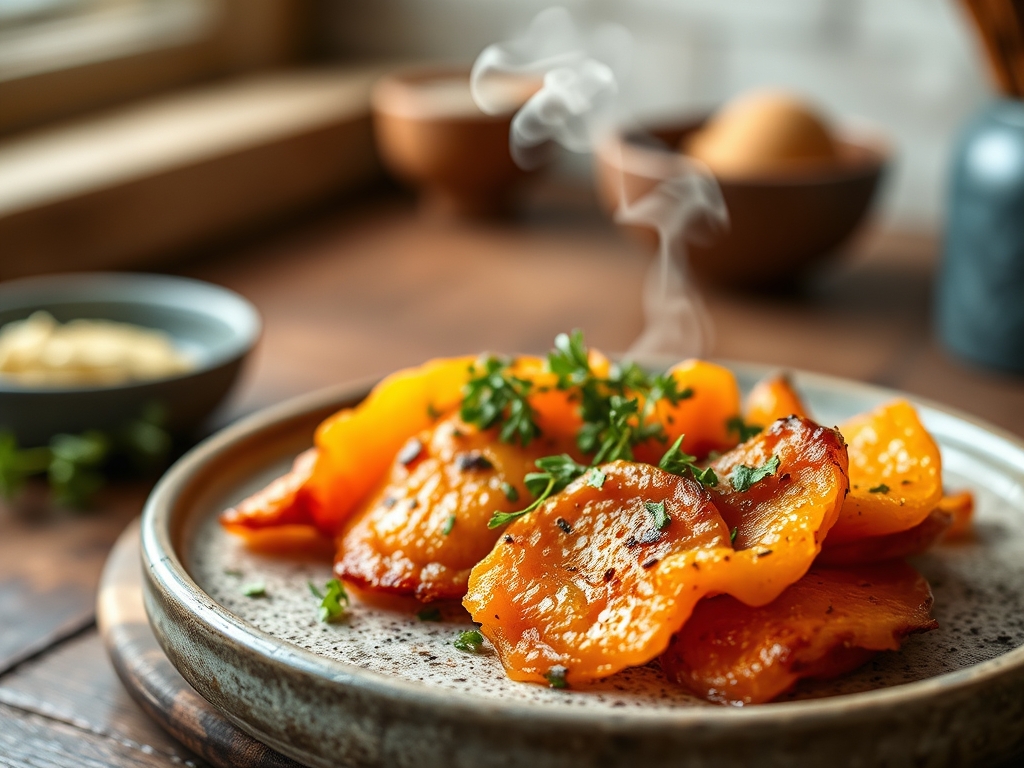
Picture the scent of caramelized sugars wafting through your kitchen as the evening sun hits the counter. We are not just making dinner; we are mastering the chemistry of the earth's most versatile tuber. Whether you are craving a velvety mash or a crisp, salt-flecked wedge, finding the best sweet potato recipes requires more than luck. It requires an understanding of how starch converts to maltose under heat. You want that perfect balance of a charred, papery skin and an interior that mimics the texture of soft butter. Today, we are elevating the humble orange root from a side dish to a culinary masterpiece. We will explore the molecular magic that happens when high heat meets natural sugars, ensuring every bite is a symphony of texture and flavor. Grab your favorite apron and clear some space on the butcher block. We are about to transform your pantry staples into a five-star experience that will make you the hero of the dinner table tonight.
The Gathers:
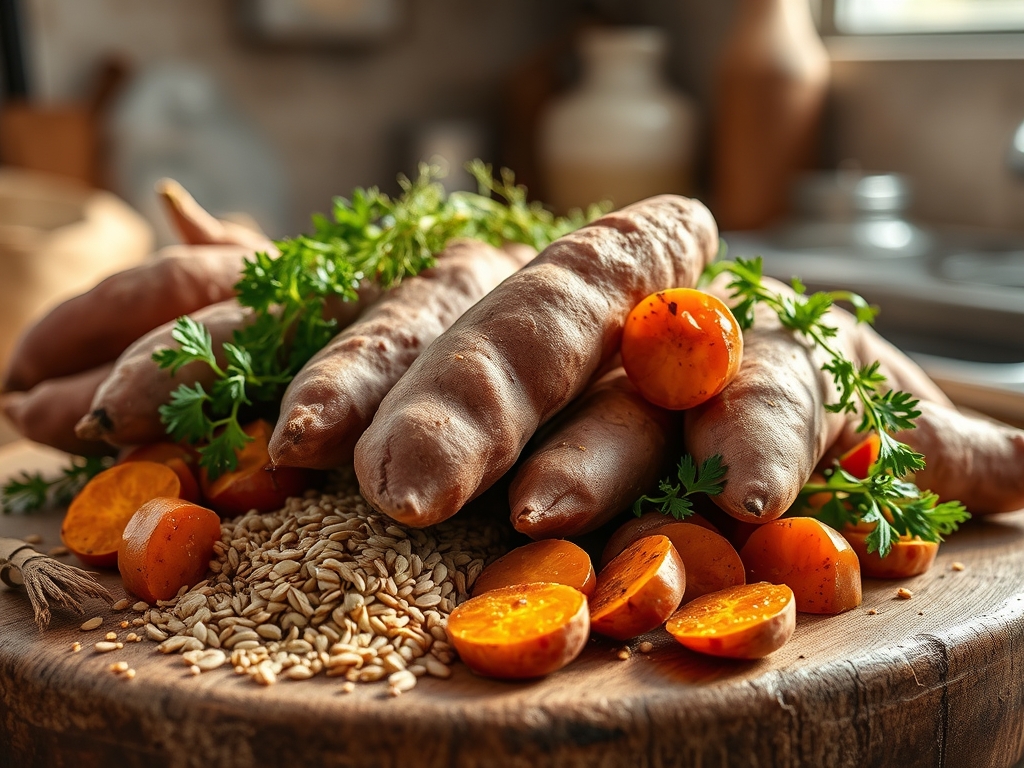
To achieve professional results, your mise-en-place must be precise. Start with firm, jewel-toned Garnet or Beauregard potatoes. These varieties contain a high moisture content and a significant amount of amylase enzymes, which are essential for that signature sweetness. You will also need a high-quality fat with a high smoke point, such as clarified butter or avocado oil, to ensure the exterior crisping occurs without the oil breaking down into acrid compounds.
Next, gather your aromatics. Fresh rosemary and thyme provide a woody contrast to the sugar. Use a microplane to zest a fresh lemon; the citric acid acts as a bright top note to cut through the dense, starchy base. For the seasoning, skip the table salt and reach for flaky sea salt and freshly cracked black pepper. The larger crystals of sea salt provide a textural pop that does not dissolve immediately into the vegetable.
Smart Substitutions: If you are looking for a deeper, more earthy profile, swap the white sugar for dark muscovado or maple syrup. For a dairy-free luxury, use full-fat coconut milk in place of heavy cream. The medium-chain triglycerides in coconut milk provide a similar mouthfeel and viscous quality without the lactose. If you lack fresh herbs, a pinch of smoked paprika or ground cumin can provide a piquant depth that mimics the complexity of a wood-fired oven.
The Clock:
Efficiency in the kitchen is all about the Chef's Flow. Expect about 15 minutes of active prep time and 45 to 60 minutes of roasting or simmering. Your goal is to synchronize the cooking process so the potatoes finish exactly when your protein is resting.
Start by preheating your oven to 425 degrees Fahrenheit. This high temperature is non-negotiable for the Maillard reaction to occur. While the oven stabilizes, use a bench scraper to clear your workspace as you chop. If you are boiling for a mash, remember that starting with cold water ensures the starch granules swell evenly, preventing a gummy texture. Total time from pantry to plate is roughly 75 minutes, but the passive roasting time allows you to deglaze a pan or toss a fresh salad.
The Masterclass:
1. The Precision Cut
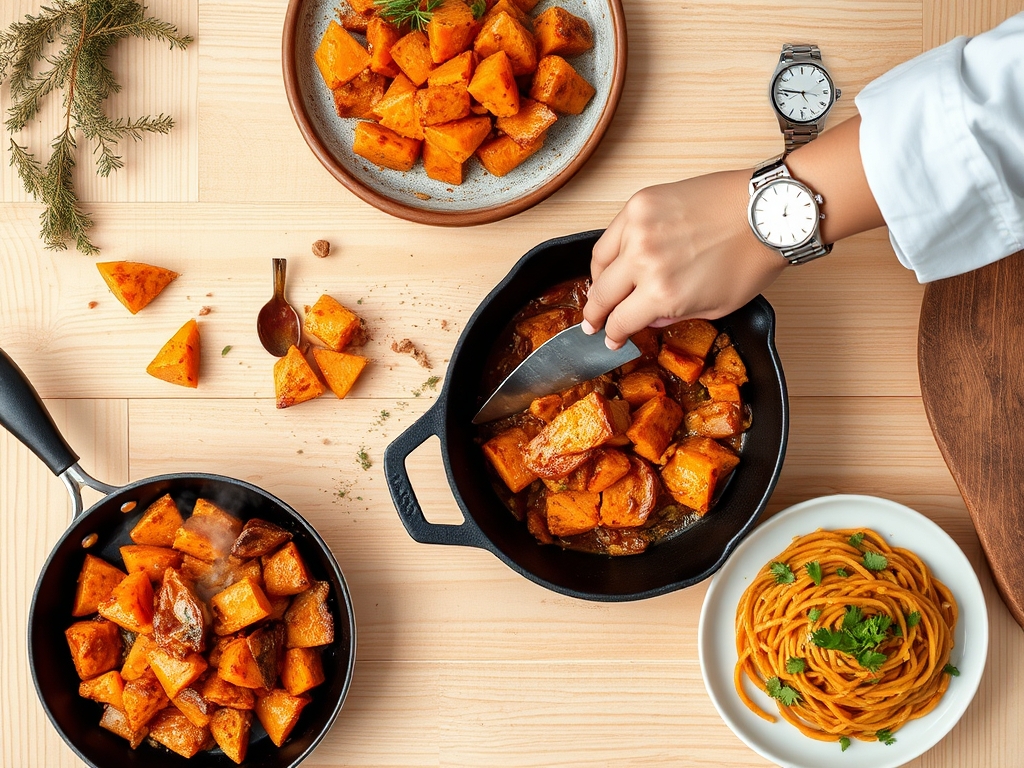
Use a sharpened chef knife to create uniform cubes or wedges. Uniformity is not just for aesthetics; it ensures that every piece reaches the ideal internal temperature at the exact same moment. If pieces vary in size, the smaller ones will carbonize while the larger ones remain raw and starchy.
Pro Tip: This prevents enzymatic browning. By placing your cut potatoes in a bowl of cold water for ten minutes, you wash away excess surface starch, which leads to a crispier exterior when roasted.
2. The Fat Emulsification
Toss your potatoes in a large mixing bowl with your chosen fat and seasonings. Use your hands to ensure every millimeter of surface area is coated. This creates a hydrophobic barrier that allows the heat to fry the skin while steaming the interior.
Pro Tip: This utilizes conduction. The oil acts as a heat transfer medium, moving energy from the hot air of the oven directly into the potato tissue more efficiently than air alone.
3. The Single Layer Spread
Transfer the potatoes to a heavy-bottomed sheet pan. Do not crowd the pan. If the potatoes are touching, they will release steam and boil rather than roast, resulting in a soggy texture.
Pro Tip: This avoids evaporative cooling. When vegetables are spaced out, moisture escapes into the oven air quickly, allowing the surface temperature to rise above 300 degrees Fahrenheit for browning.
4. The Mid-Point Agitation
Halfway through the cooking time, use tongs or a metal spatula to flip the pieces. This ensures that the side in contact with the hot metal pan does not over-caramelize while the top remains pale.
Pro Tip: This maximizes thermal radiation. By exposing different surfaces to the bottom of the pan, you create an even crust across the entire geometry of the cut.
5. The Infusion Phase
In the final five minutes, add your fresh herbs or minced garlic. Adding them too early will cause the delicate volatile oils to burn and turn bitter.
Pro Tip: This is known as infusing. The heat renders the essential oils out of the herbs and into the fat coating the potatoes, creating a fragrant finish.
6. The Carryover Rest
Remove the pan from the oven and let the potatoes sit for three minutes before serving. This allows the internal steam to redistribute, settling the structure of the vegetable.
Pro Tip: This accounts for thermal carryover. The internal temperature will continue to rise by a few degrees even after the heat source is removed, finishing the cooking process gently.
7. The Final Aeration
If you are making a mash, use a saucier and a whisk to incorporate a bit of cold butter at the end. Whisking vigorously incorporates air, making the final product light and fluffy.
Pro Tip: This is called aeration. By trapping tiny air bubbles within the starch matrix, you create a velvet-like texture that feels lighter on the palate.
The Deep Dive:
Sweet potatoes are a nutritional powerhouse, boasting high levels of Vitamin A (as beta-carotene), Vitamin C, and potassium. One medium potato provides over 400 percent of your daily Vitamin A needs. Because they have a lower glycemic index than white potatoes, they provide a slower release of glucose into the bloodstream, making them an excellent choice for sustained energy.
Dietary Swaps: For a Keto-friendly version, limit the portion size and focus on savory fats like tallow or ghee. For vegans, use nutritional yeast to add a cheesy, umami flavor without the dairy. If you are gluten-free, rest easy; sweet potatoes are naturally gluten-free and serve as a fantastic "bun" replacement for sliders.
The Fix-It:
- Soggy Potatoes: Your oven temperature was too low or the pan was crowded. Fix it by cranking the heat to 450 for the last five minutes.
- Burnt Edges, Raw Middle: The pieces were cut too large. Fix it by covering the pan with foil to trap steam and finish the interior.
- Too Sweet: Balance the sugar with a splash of apple cider vinegar or a pinch of cayenne pepper to provide a counter-acid or heat.
Meal Prep: To reheat and maintain "day-one" quality, avoid the microwave, which turns starch into rubber. Instead, use a toaster oven or a dry heavy-bottomed skillet over medium heat to recrisp the edges.
The Wrap-Up:
Mastering the best sweet potato recipes is about respecting the science of the ingredient. By controlling moisture, maximizing surface area, and timing your aromatics, you turn a simple root vegetable into a culinary event. These seven secrets ensure that your kitchen remains a place of joy and discovery. Now, go forth and roast with confidence; your perfect dinner is only an hour away.
The Kitchen Table:
How do I make sweet potatoes crispy?
Soak cut potatoes in cold water to remove surface starch; then coat thoroughly in oil. Roast at 425 degrees Fahrenheit on a preheated sheet pan without crowding the pieces to ensure maximum airflow and browning.
Can I eat the skin of a sweet potato?
Yes, the skin is entirely edible and contains significant fiber and nutrients. Just ensure you scrub the exterior thoroughly with a vegetable brush to remove any residual soil before roasting or boiling.
Why are my roasted sweet potatoes mushy?
Mushiness usually results from overcrowding the pan, which traps steam. It can also happen if the oven temperature is too low. Ensure your oven is fully preheated and leave at least an inch of space between each piece.
What is the best way to store leftovers?
Store cooked sweet potatoes in an airtight glass container in the refrigerator for up to four days. Reheat in an oven or air fryer at 350 degrees Fahrenheit to restore the original texture and prevent sogginess.