
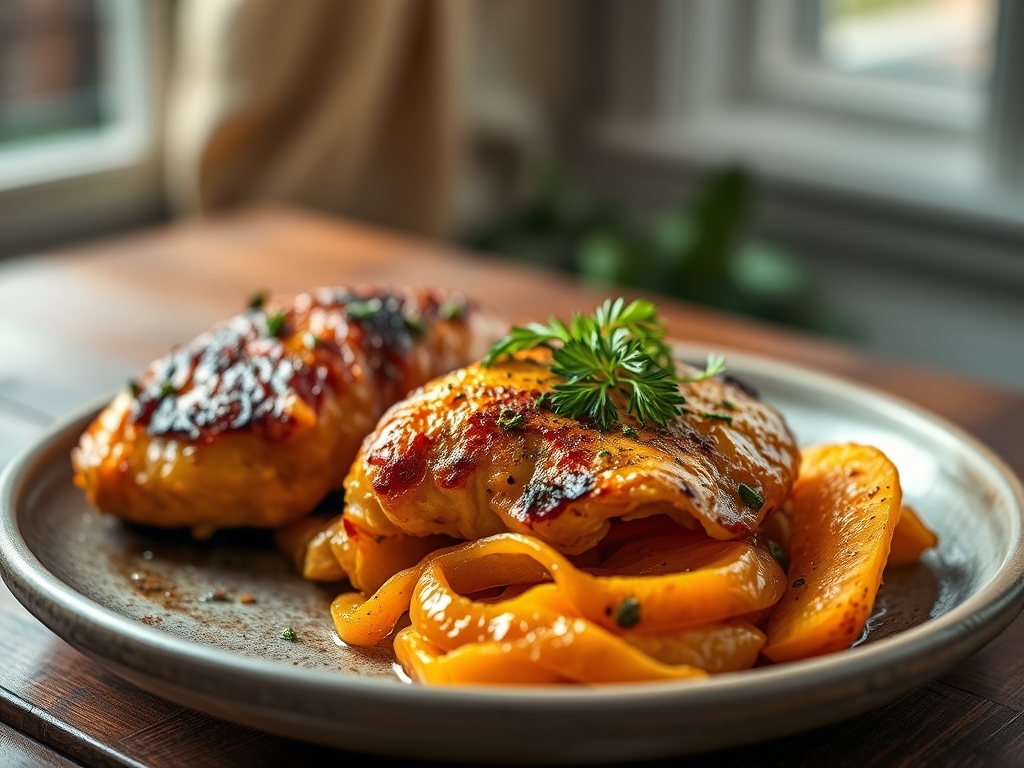
Imagine the scent of caramelized sugars and savory juices filling your kitchen as the oven works its magic. When you master baked chicken and sweet potato recipes, you are not just cooking dinner; you are orchestrating a symphony of Maillard reactions. The humble tuber and the lean protein transform into a nutrient-dense masterpiece that satisfies both the soul and the macros.
The beauty of this pairing lies in the contrast between the earthy, velvety texture of the roasted potato and the crisp, golden skin of the bird. It is a reliable weeknight staple that feels like a gourmet indulgence. Whether you are prepping for a busy week or hosting a cozy dinner, these recipes offer a foolproof path to a balanced, high-protein meal that never skimps on depth or complexity.
To achieve that restaurant-quality finish, we have to look past the surface. It is about understanding how heat interacts with connective tissue and starches. We are going to dive deep into the mechanics of roasting, ensuring every bite is succulent rather than stringy. Grab your favorite apron and let us get into the grit of it.
The Gathers:
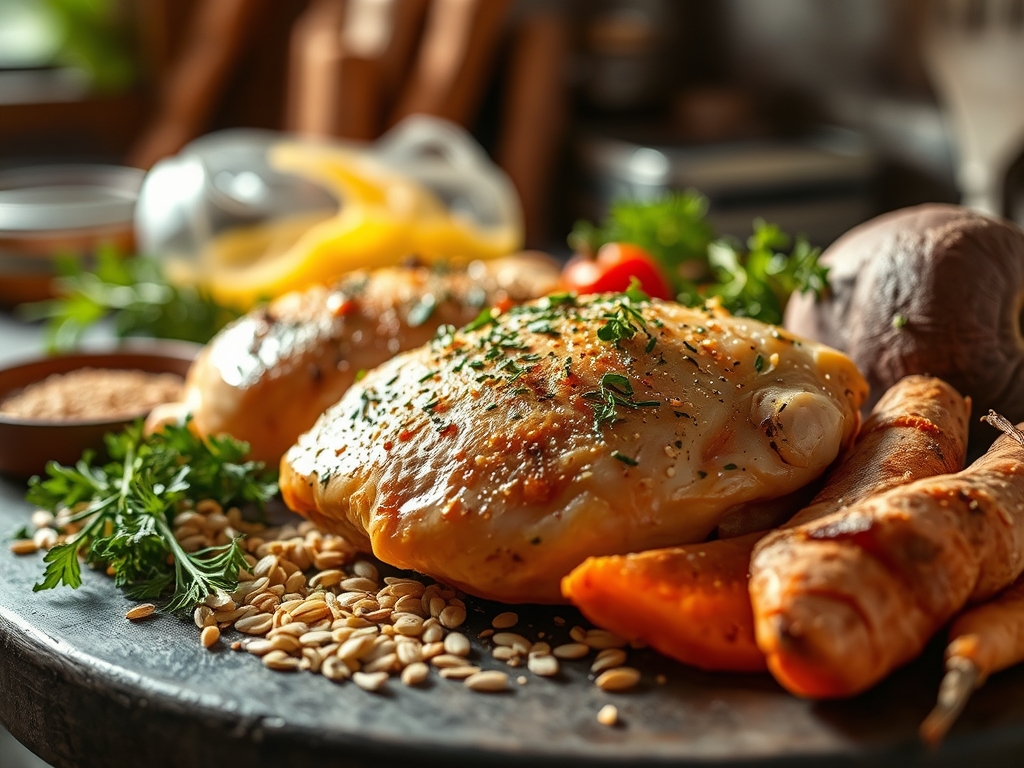
Before we fire up the heat, your mise-en-place must be tight. Precision in your prep prevents uneven cooking. Start with high-quality poultry; look for air-chilled breasts or thighs to avoid excess water weight. For the sweet potatoes, select firm, heavy specimens with smooth skins. These indicate high moisture content and a vibrant sugar profile.
You will need a sharp chef knife to ensure uniform cubes. Use a digital scale to measure your fats and seasonings; consistency is the hallmark of a pro. Your pantry should include a high-smoke-point oil like avocado oil, along with sea salt, cracked black pepper, and aromatics like rosemary or smoked paprika. If you want a more viscous glaze, honey or maple syrup are excellent additions to help the caramelization process along.
Smart Substitutions:
If you are looking to pivot, swap the chicken for turkey breast or even firm tofu blocks. For the potatoes, butternut squash or kabocha provide a similar starchy base with a slightly lower glycemic index. If you lack fresh herbs, use a microplane to zest citrus over the dish at the end to infuse a bright, piquant acidity that cuts through the richness of the roasted fats.
The Clock
Efficiency in the kitchen is about the "Chef's Flow." Total active prep time should clock in at 15 minutes, while the oven does the heavy lifting for 30 to 40 minutes. The secret is the staggered start. Chicken and sweet potatoes have different thermal requirements; starting them together on a single sheet pan requires strategic sizing.
Cut your potatoes into smaller 1/2-inch cubes to ensure they soften at the same rate the chicken reaches its safe internal temperature. If you use bone-in thighs, they require a longer dwell time than boneless breasts. Use a digital thermometer to track progress rather than relying solely on the timer. This precision prevents the dreaded dry-out that plagues many home-cooked meals.
The Masterclass
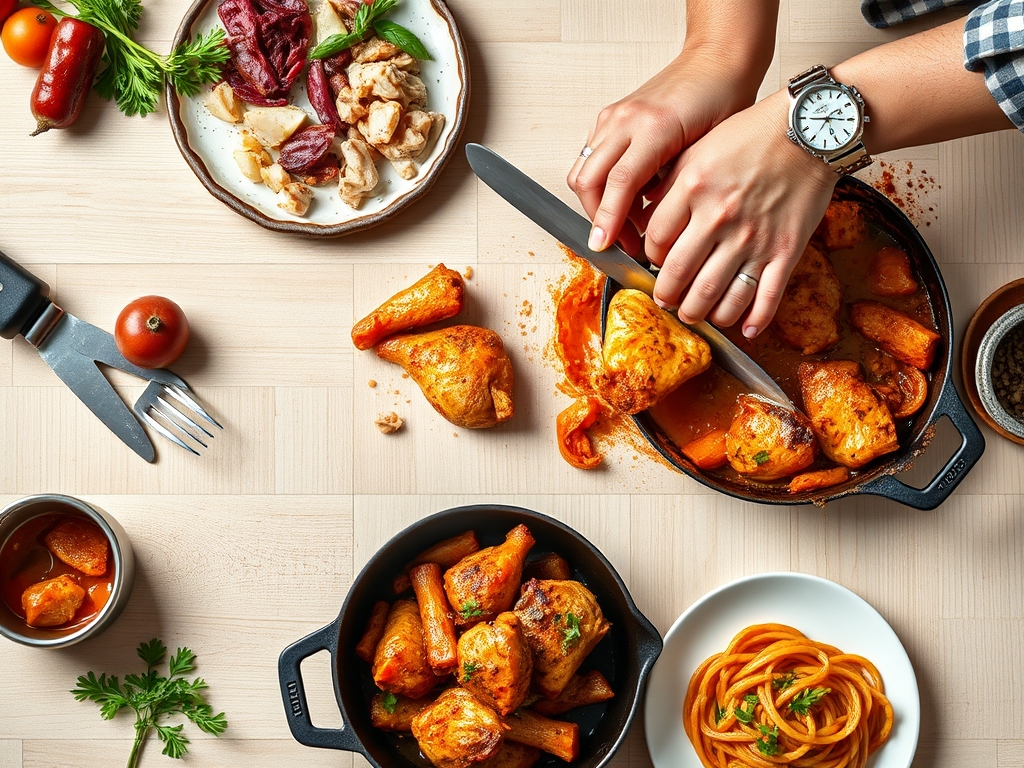
1. Prep and Aerate the Produce
Scrub the potatoes and pat them bone-dry. Moisture is the enemy of a crisp exterior. Use a bench scraper to clear your board as you work.
Pro Tip: Drying the surface of the potato allows the oil to coat the starch more effectively, preventing steam from becoming trapped. This ensures you get a crunch rather than a mushy texture through a process called enzymatic browning.
2. The Emulsified Rub
In a small saucier or bowl, whisk your oil, salt, and spices until they form a cohesive mixture. Toss the chicken and potatoes until every millimeter is coated.
Pro Tip: Salt acts as a denaturant on the protein. By seasoning 15 minutes before roasting, you allow the salt to penetrate the muscle fibers, which helps the meat retain moisture during the high-heat exposure.
3. The Sheet Pan Arrangement
Spread the ingredients on a heavy-duty rimmed baking sheet. Ensure there is plenty of space between each piece.
Pro Tip: Overcrowding the pan causes the temperature to drop and traps steam. For a true roast, you need airflow to render the chicken fat and crisp the potato skins. If the pan is too full, you are essentially boiling your dinner.
4. The High-Heat Roast
Slide the tray into a preheated 425-degree oven. This high temperature triggers the Maillard reaction, where amino acids and sugars react to create complex flavors.
Pro Tip: Position your rack in the bottom third of the oven. The radiant heat from the base of the oven will caramelize the bottoms of the potatoes while the circulating air browns the top of the chicken.
5. The Rest and Carryover
Once the chicken hits 160 degrees, pull the tray. Let it sit for 5 to 10 minutes before slicing.
Pro Tip: Thermal carryover will bring the internal temperature up to the safe 165-degree mark while the juices redistribute. Cutting too early allows the moisture to escape, leaving you with a dry result.
The Deep Dive
From a nutritional standpoint, this meal is a powerhouse. A standard serving offers roughly 35 grams of protein and a significant dose of Vitamin A and fiber. It is naturally gluten-free and easily adapted for various lifestyles. For a Keto version, swap the sweet potatoes for cauliflower florets. For a Vegan twist, replace the chicken with chickpeas or tempeh, adjusting the roasting time to avoid burning.
The Fix-It: Common Pitfalls
- Soggy Potatoes: Usually caused by overcrowding. Fix: Use two sheet pans or a larger tray to ensure proper spacing.
- Rubbery Chicken: This happens if the meat is cooked straight from the fridge. Fix: Let the chicken sit at room temperature for 20 minutes before roasting to ensure even heat penetration.
- Burnt Spices: Dried herbs can scorch at 425 degrees. Fix: Toss the herbs in the oil rub to coat them, which protects them from direct heat.
Meal Prep Mastery
To maintain "day-one" quality, store the chicken and potatoes in airtight glass containers. When reheating, avoid the microwave if possible. Use a toaster oven or a heavy-bottomed skillet over medium heat with a splash of water and a lid. This creates a small steam chamber that revives the moisture without making the skin rubbery.
The Wrap-Up
Mastering baked chicken and sweet potato recipes is a rite of passage for any home cook looking to balance health and flavor. By respecting the science of the roast and using the right tools, you transform basic ingredients into a culinary event. It is efficient, nutritious, and undeniably delicious. Now, get that oven preheated and let the aromas take over your home!
The Kitchen Table
How do I prevent sweet potatoes from sticking to the pan?
Always use a high-quality oil and ensure the pan is preheated. Alternatively, use parchment paper or a silicone mat. This creates a non-stick barrier that allows the sugars to caramelize without bonding to the metal surface.
Can I use frozen chicken for this recipe?
It is not recommended to roast frozen chicken directly with vegetables. The moisture release will steam the potatoes, making them soggy. Always thaw chicken completely in the refrigerator and pat it dry before seasoning and roasting.
What is the best way to cut sweet potatoes for even cooking?
Aim for uniform 1/2-inch cubes. Using a sharp chef knife and a stable cutting board is essential. Uniformity ensures that every piece reaches the desired tenderness at the same time the chicken finishes roasting.
How long does cooked chicken and sweet potato last in the fridge?
When stored in an airtight container, this meal stays fresh for up to four days. For the best texture, reheat in a skillet or oven rather than a microwave to preserve the crispness of the potato skins.