
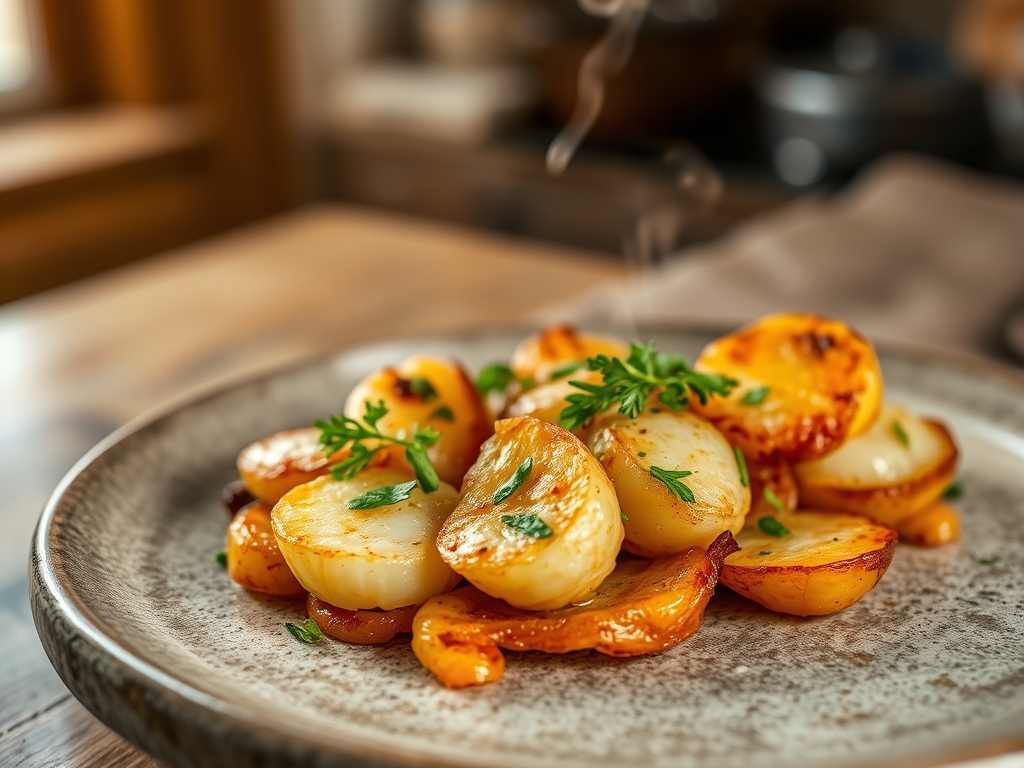
Imagine the sharp hiss of a cold scallop hitting a searing cast iron pan; that sound is the beginning of a chemical love story. We are diving into the world of seafood potato recipes where the ocean meets the earth in a perfect, starchy embrace. This is not just about dinner; it is about mastering the textural contrast between a buttery, pillowy Yukon Gold and the delicate, oceanic snap of fresh shrimp or flaky cod. Whether you are hosting a high-stakes dinner party or just trying to upgrade your Tuesday night, understanding how these two ingredients interact on a molecular level will change your kitchen game forever. We are moving beyond the basic fish and chips into a realm of sophisticated, high-density flavor profiles. From the creamy depths of a classic chowder to the crisp, golden edges of a Spanish-style octopus hash, these eight pairings are designed to maximize both satiety and sensory delight. Grab your apron and your sharpest chef knife; we are about to turn your kitchen into a five-star coastal bistro.
The Gathers:
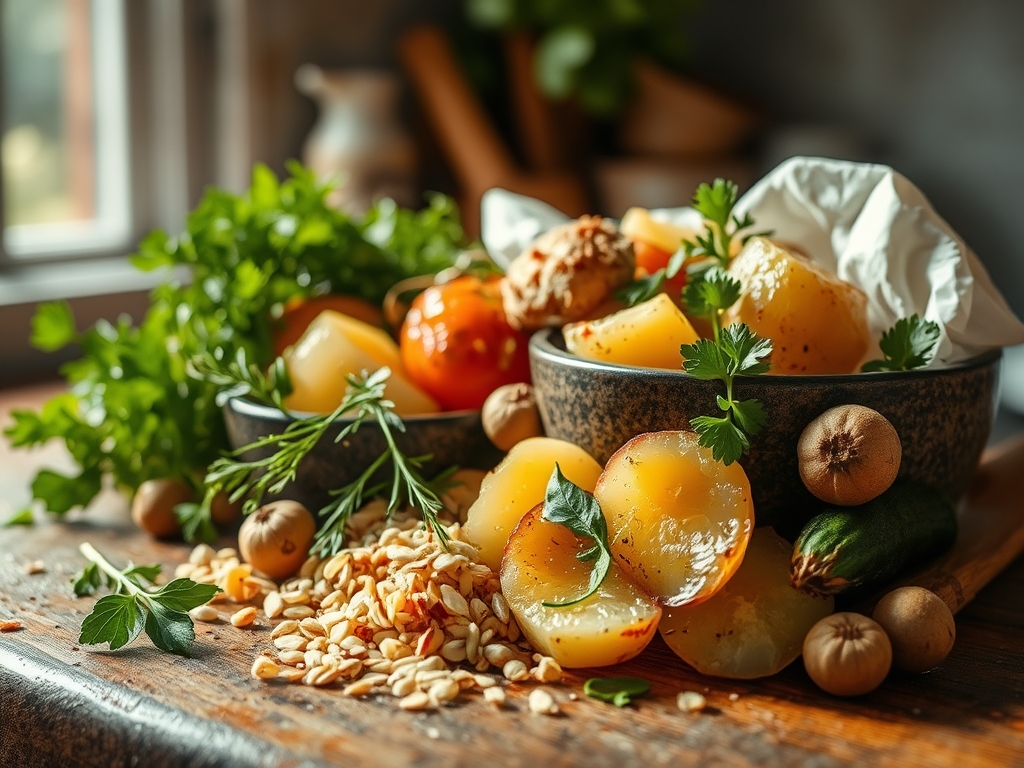
To execute these seafood potato recipes with professional precision, your mise-en-place must be impeccable. We are looking for structural integrity in our spuds and peak freshness in our proteins. Start with your potatoes: Waxy varieties like Red Bliss or Fingerlings are essential for salads and stews because their high moisture and low starch content allow them to hold their shape after boiling. For mash or frying, reach for the Russet, which contains high levels of amylose starch that creates a light, fluffy interior when aerated.
Your seafood selection requires a keen eye for quality. Look for "dry" scallops; these are not treated with sodium tripolyphosphate, meaning they will actually sear rather than leach water into your pan. For white fish, ensure the flesh is translucent and firm to the touch. You will also need aromatics like shallots, which offer a more viscous and subtle sweetness than standard onions, and fresh herbs like chervil or dill to provide a piquant finish.
Smart Substitutions: If you cannot find fresh clams, high-quality bottled clam juice is a pantry hero for adding that briny depth to sauces. If you are avoiding nightshades, parsnips offer a similar earthy sweetness and fibrous structure that mimics the potato in most braised preparations. For a lower-fat option, swap heavy cream for a cauliflower puree; it provides the same mouthfeel without the heavy lipid load.
The Clock
Efficiency in the kitchen is all about the Chef's Flow. This is the art of overlapping tasks so that nothing sits idle and nothing overcooks. Total active prep time for these recipes generally spans 25 to 35 minutes, with cooking times ranging from a quick 10-minute sear to a 45-minute slow simmer for stews.
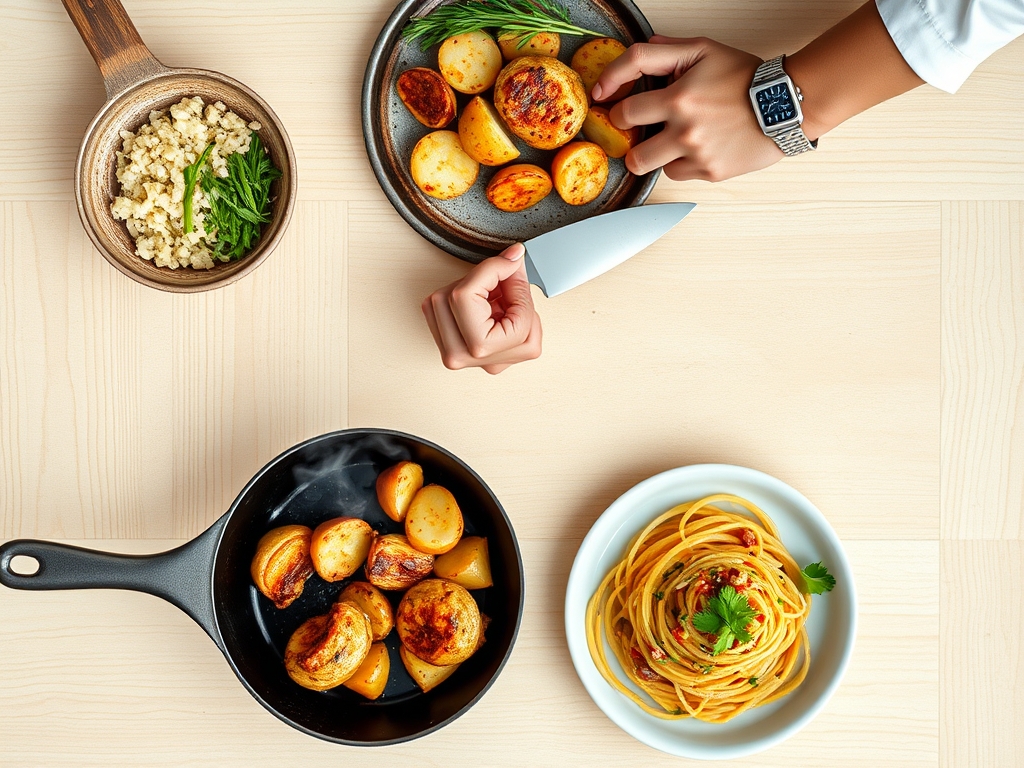
The secret to timing seafood potato recipes is the "staggered start." Potatoes always take longer to reach tenderness than seafood takes to reach its safe internal temperature. Begin by prepping and starting your potatoes first. While they undergo gelatinization in the pot, you can clean your shrimp or portion your fillets. The goal is to have the potatoes hitting their peak texture exactly as the seafood finishes its final rest. This ensures the fish remains succulent rather than turning into rubber while you wait for a fork-tender potato.
The Masterclass
1. The Perfect Sear
Pat your seafood bone-dry with paper towels. Use a heavy-bottomed skillet to ensure even heat distribution. Place the seafood in shimmering oil and do not move it until a crust forms.
Pro Tip: This is the Maillard Reaction at work. Sugars and amino acids react under high heat to create hundreds of flavor compounds. If the pan is too crowded, the temperature drops and the fish steams instead of browning.
2. Parboiling for Texture
When making roasted potato and octopus salad, always parboil the potatoes in salted water before roasting. This creates a starchy surface layer that crisps up beautifully in the oven.
Pro Tip: Adding a splash of vinegar to the water prevents the potato's pectin from breaking down too quickly, ensuring they stay intact during the high-heat roasting phase.
3. Emulsifying the Sauce
After removing your seafood from the pan, deglaze with white wine or citrus juice. Use a saucier and a whisk to incorporate cold butter cubes one by one.
Pro Tip: This creates a stable emulsion. The proteins in the butter coat the fat droplets, preventing the sauce from breaking and ensuring a silky, professional finish.
4. Aerating the Mash
For seafood shepherd's pie or topped fillets, use a ricer or food mill rather than a masher. This separates the granules without smashing the starch cells.
Pro Tip: Over-working potatoes releases too much starch, turning your mash "gluey." Using a ricer keeps the texture light by minimizing cell rupture.
5. Infusing the Aromatics
When simmering potatoes for a chowder, start by rendering fat from pancetta or bacon, then sauté your mirepoix. Add your liquid and potatoes to simmer together.
Pro Tip: This allows the potatoes to absorb the smoky, savory flavors through osmosis, seasoning the starch from the inside out rather than just on the surface.
6. Managing Thermal Carryover
Remove your fish from the heat when it is about 5 degrees below your target temperature. Place it on a warm plate to rest.
Pro Tip: Thermal carryover means the internal temperature will continue to rise even after the heat source is removed. Resting prevents the muscle fibers from tightening and squeezing out all the juices.
7. The Final Zest
Use a microplane to grate fresh lemon zest or bottarga over the finished dish just before serving.
Pro Tip: Heat destroys the volatile oils in citrus zest. Adding it at the very end preserves the bright, aromatic top notes that cut through the richness of the potato.
8. Folding for Integrity
When combining delicate seafood like crab into a potato cake mixture, use a bench scraper or a wide spatula to fold, not stir.
Pro Tip: This preserves the "lumps" of the seafood. Maintaining the physical structure of the ingredients provides a superior mouthfeel and a more luxurious presentation.
The Deep Dive
From a nutritional standpoint, seafood potato recipes are a powerhouse. Seafood provides high-quality lean protein and essential Omega-3 fatty acids, while potatoes offer complex carbohydrates, potassium, and Vitamin C. To keep it Keto, replace the potatoes with daikon radish or turnips. For a Vegan twist, use king oyster mushroom "scallops" and coconut cream.
The Fix-It:
- Gluey Potatoes: If you over-processed your mash, spread it in a baking dish, top with cheese, and bake. The dry heat will help set the starch into a gratin-like texture.
- Tough Squid or Octopus: If it is rubbery, it was likely cooked too long at a medium temperature. Either cook it incredibly fast (under 2 minutes) or very slow (over 45 minutes) to break down the collagen.
- Broken Sauce: If your butter sauce separates, whisk in a teaspoon of very hot water or a splash of heavy cream to re-bind the fats.
Meal Prep: To maintain "day-one" quality, store seafood and potatoes separately. Reheat potatoes in an air fryer to restore crispness; reheat seafood gently in a pan with a splash of broth to prevent the proteins from toughening.
The Wrap-Up
Mastering seafood potato recipes is about balancing the ruggedness of the earth with the elegance of the sea. By using the right tools and understanding the science of starch and protein, you can transform simple ingredients into a culinary masterpiece. Don't be afraid to turn up the heat and experiment with these textures. Your kitchen is your laboratory, and the results are delicious!
The Kitchen Table
Which potato is best for seafood stews?
Waxy potatoes like Red Bliss or Yukon Gold are best. They have a lower starch content and a dense cell structure, which allows them to hold their shape perfectly during long simmering processes without dissolving into the broth.
How do I prevent fish from sticking to the pan?
Ensure the pan and oil are shimmering hot before adding the fish. Pat the skin completely dry to prevent steam from forming. Once placed, do not touch the fish until the proteins naturally release from the surface.
Can I use frozen seafood for these recipes?
Yes, but thaw it completely in the refrigerator first. Pat it dry thoroughly to remove excess moisture, which can interfere with the Maillard reaction and prevent you from achieving a crisp, golden-brown sear on your protein.
Why do my potato cakes fall apart?
This usually happens due to excess moisture or lack of a binder. Ensure your potatoes are dry after boiling. Use a small amount of flour or an egg yolk to help the starch granules adhere to the seafood.