
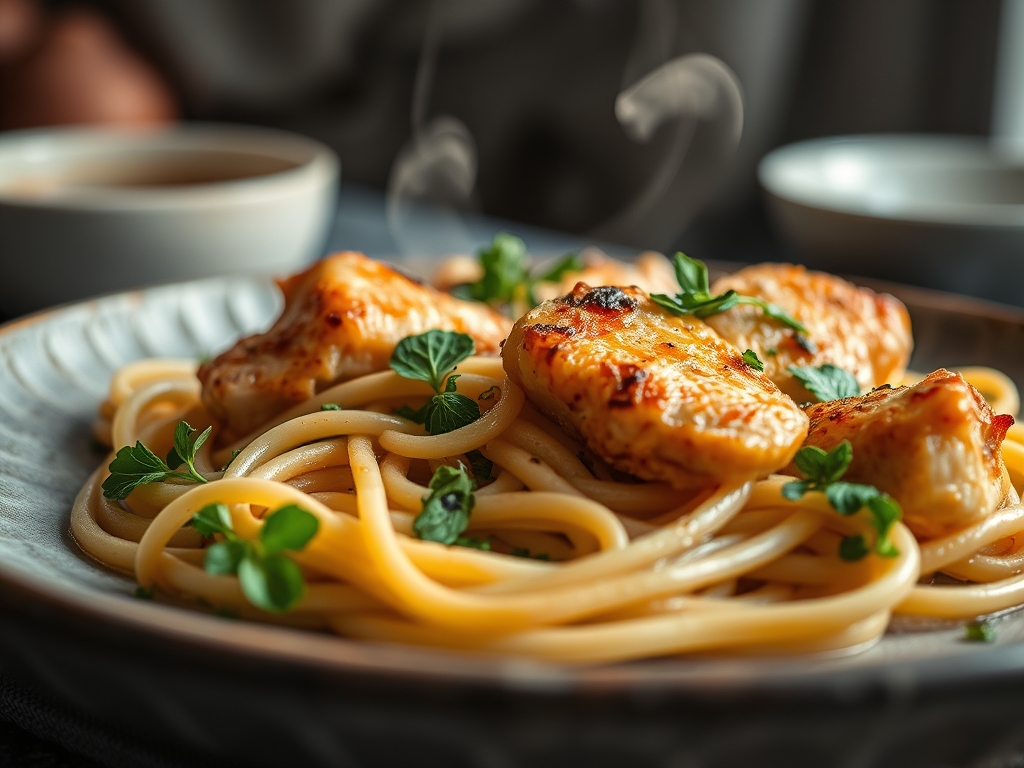
Steam rises in a fragrant, garlic scented cloud as the heavy bottomed skillet hits the heat. This is the ultimate comfort zone where silky pasta meets perfectly seared protein. Finding the perfect balance for linguine and chicken recipes requires more than just a pot of boiling water; it demands an understanding of how starch, fat, and heat dance together to create a restaurant quality plate.
The beauty of linguine lies in its flat, elliptical shape. Unlike spaghetti, linguine offers more surface area for sauces to cling to, making it the ideal partner for succulent chicken. Whether you are craving a piquant lemon butter sauce or a rich, viscous Alfredo, the structural integrity of the noodle is your best friend. We are going beyond the basic "boil and toss" method. We are diving into the molecular magic of emulsification and the Maillard reaction to ensure every bite is a masterpiece of texture and flavor.
Grab your favorite apron and a glass of crisp white wine. We are about to transform a handful of pantry staples into a rotating gallery of ten distinct flavor profiles. From Mediterranean herb infusions to spicy silken creams, these linguine and chicken recipes will redefine your weeknight rotation with professional flair and scientific precision.
The Gathers:
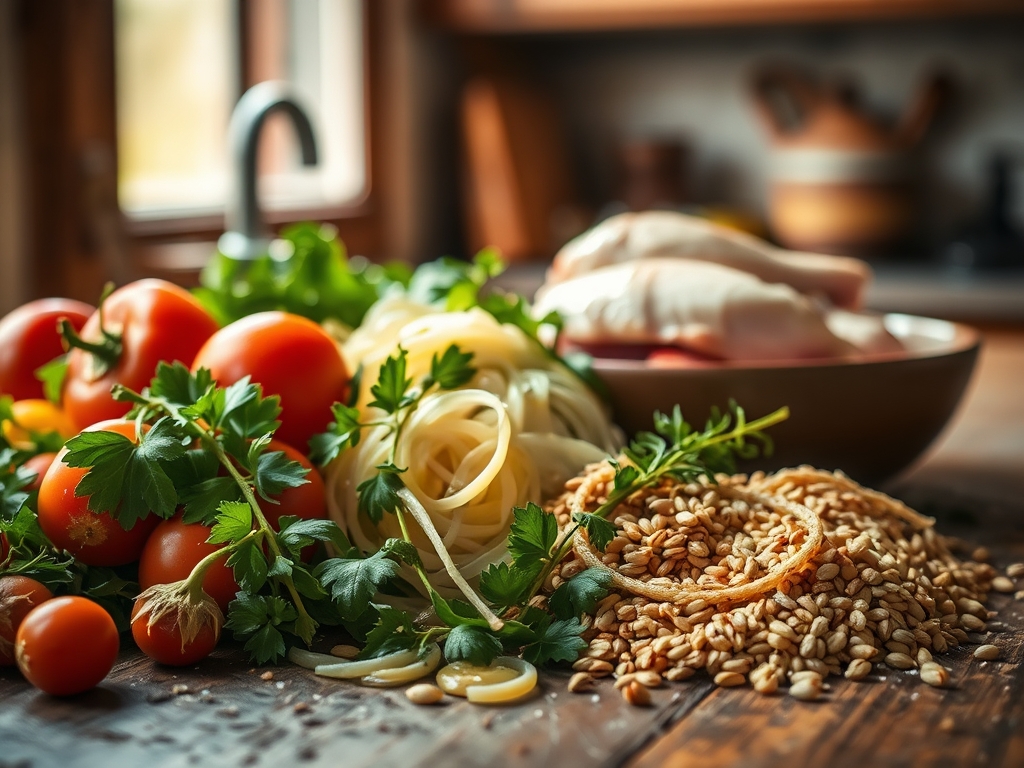
To achieve culinary excellence, your mise-en-place must be intentional. We start with high protein durum wheat linguine; look for brands that use bronze dies, which create a rougher surface texture to better grip your sauce. For the chicken, organic breasts or thighs provide the clean canvas we need. You will also need high quality fats like unsalted European style butter for its lower water content and extra virgin olive oil for its polyphenols and peppery finish.
Aromatics are the backbone of these dishes. Fresh garlic should be firm to the touch; use a microplane to grate it into a fine paste for maximum surface area and flavor release. Fresh herbs like basil, parsley, and thyme should be vibrant and turgid, indicating high moisture content. For the "Smart Substitutions," if you are out of heavy cream, a mixture of whole milk and a touch of cornstarch can mimic that viscous mouthfeel. If chicken is unavailable, firm tofu or seared shrimp offer similar protein densities that pair beautifully with the long, flat strands of pasta.
The Clock:
Efficiency in the kitchen is all about the "Chef's Flow." Total active time for most linguine and chicken recipes ranges from 15 to 25 minutes, with a total turnaround of 40 minutes. The secret is multitasking without sacrificing precision. Start by bringing your large pot of salted water to a rolling boil; this takes about 10 minutes depending on your stove's BTU output. While the water heats, you should be trimming and seasoning your chicken.
The pasta usually requires 9 to 11 minutes to reach a perfect al dente state. This window is exactly when you should be searing your protein and building your sauce base in a wide saucier. By the time the linguine is ready to be moved directly from the water into the pan using stainless steel tongs, your sauce should be bubbling and ready to emulsify. This synchronized timing ensures the pasta never sits and clumps, and the chicken remains succulent rather than overcooked.
The Masterclass:
1. The Sear and the Fond
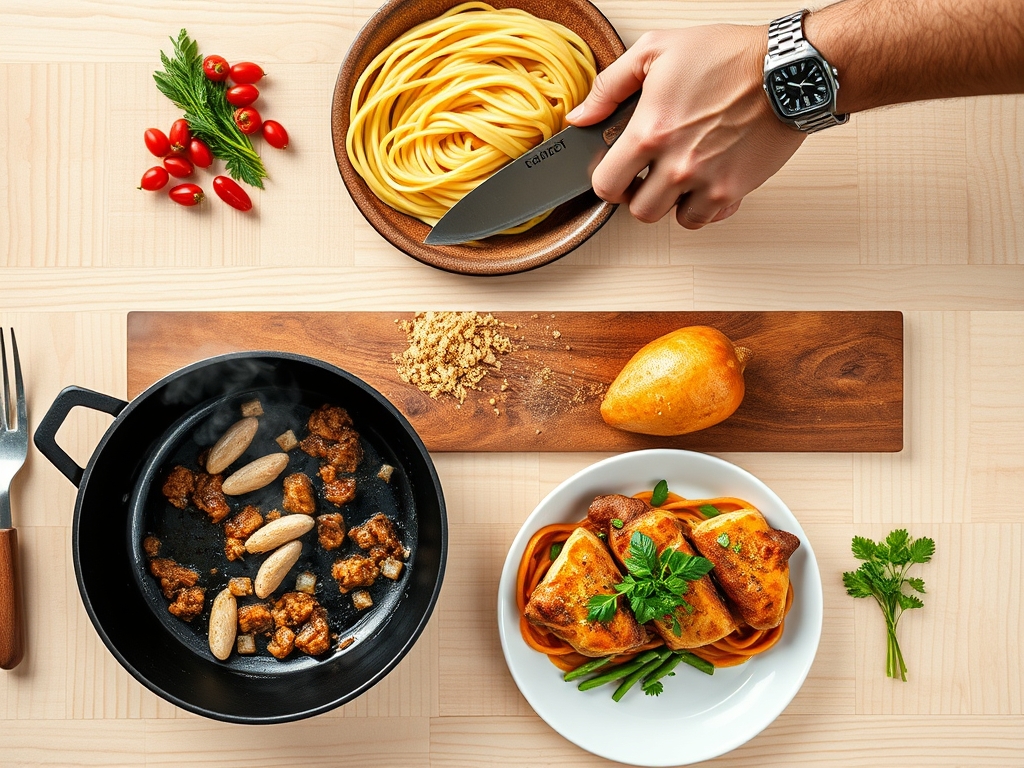
Heat your heavy bottomed skillet over medium high heat before adding oil. Pat the chicken dry with paper towels to remove surface moisture, which prevents steaming. Lay the chicken away from you to avoid oil splatter and let it sit undisturbed.
Pro Tip: This stage relies on the Maillard reaction, a chemical reaction between amino acids and reducing sugars that creates a savory crust. Do not move the meat too early; wait for it to naturally release from the pan to ensure maximum flavor development.
2. Deglazing the Saucier
Once the chicken is removed to rest, you will see golden brown bits stuck to the bottom of the pan. This is called the "fond." Pour in a splash of dry white wine or chicken stock and use a wooden spoon or bench scraper to lift those bits into the liquid.
Pro Tip: Deglazing uses a solvent to dissolve the caramelized proteins. This process infuses the sauce with deep, meaty notes that you cannot get from liquid ingredients alone.
3. Achieving the Perfect Al Dente
Drop your linguine into water that tastes like the sea. Do not add oil to the water; it coats the pasta and prevents the sauce from sticking. Stir immediately with a pasta fork to prevent the strands from bonding via their released starches.
Pro Tip: Aim for "al dente," which literally means "to the tooth." The pasta should have a slight resistance in the center. This is crucial because the pasta will continue to cook via thermal carryover once added to the hot sauce.
4. The Emulsification Marriage
Transfer the pasta directly into the sauce using tongs, bringing a little bit of the starchy pasta water with it. Toss vigorously over medium heat. Add a knob of cold butter or a splash of cream and keep the pasta moving constantly.
Pro Tip: The starch in the pasta water acts as a surfactant, allowing the fats and liquids to bind into a glossy, homogenous sauce rather than separating into a greasy mess.
The Deep Dive:
When we look at the macro nutrition of linguine and chicken recipes, we see a balanced profile of complex carbohydrates and lean proteins. A standard serving provides roughly 35 grams of protein and 50 grams of carbohydrates. To make this keto friendly, swap the linguine for spiralized zucchini or shirataki noodles. For a gluten free version, brown rice linguine offers the best structural mimicry of wheat pasta. Vegan adaptations can swap chicken for oyster mushrooms, which provide a remarkably similar "shredded" texture when seared.
Even the best chefs run into hurdles. If your sauce is too thin, do not panic; simply simmer it for two more minutes to allow for evaporation, or add a handful of finely grated Parmesan to increase the solids. If the sauce is "broken" or oily, whisk in a tablespoon of hot pasta water to re-emulsify the fats. If the chicken is dry, it likely bypassed the 165 degree Fahrenheit safety mark; next time, use a digital scale to ensure even portion sizes for uniform cooking. For meal prep, store the sauce and pasta together but slightly undercook the noodles. When reheating, add a teaspoon of water and cover tightly to create a steam chamber, restoring that "day one" silkiness.
The Wrap-Up:
Mastering linguine and chicken recipes is a rite of passage for any home cook looking to elevate their kitchen game. By focusing on the science of the sear and the art of the emulsion, you turn a simple meal into a technical triumph. Remember that the best food is a mix of high quality ingredients and smart technique. So, keep your tongs ready, your skillet hot, and your pasta water salty. You have the tools and the knowledge to create something truly spectacular tonight.
The Kitchen Table:
How do I prevent my chicken from becoming rubbery?
Avoid overcooking by using a meat thermometer to pull the chicken at 160 degrees Fahrenheit. Let it rest for five minutes; thermal carryover will bring it to the safe 165 degree mark while the juices redistribute through the muscle fibers.
Why is my pasta sauce always watery at the bottom?
This happens when the sauce fails to emulsify. Always finish your pasta in the skillet with the sauce and a splash of starchy pasta water. The starch acts as a binding agent to create a thick, clingy coating.
Can I use chicken thighs instead of breasts?
Absolutely. Thighs have a higher fat content and more connective tissue, making them more flavorful and harder to overcook. They are ideal for longer simmering sauces where breasts might become dry or stringy.
What is the best way to reheat leftover linguine?
Avoid the microwave if possible. Reheat in a skillet over low heat with a splash of water or broth. Cover the pan to trap steam, which rehydrates the starch molecules and prevents the chicken from toughening.