
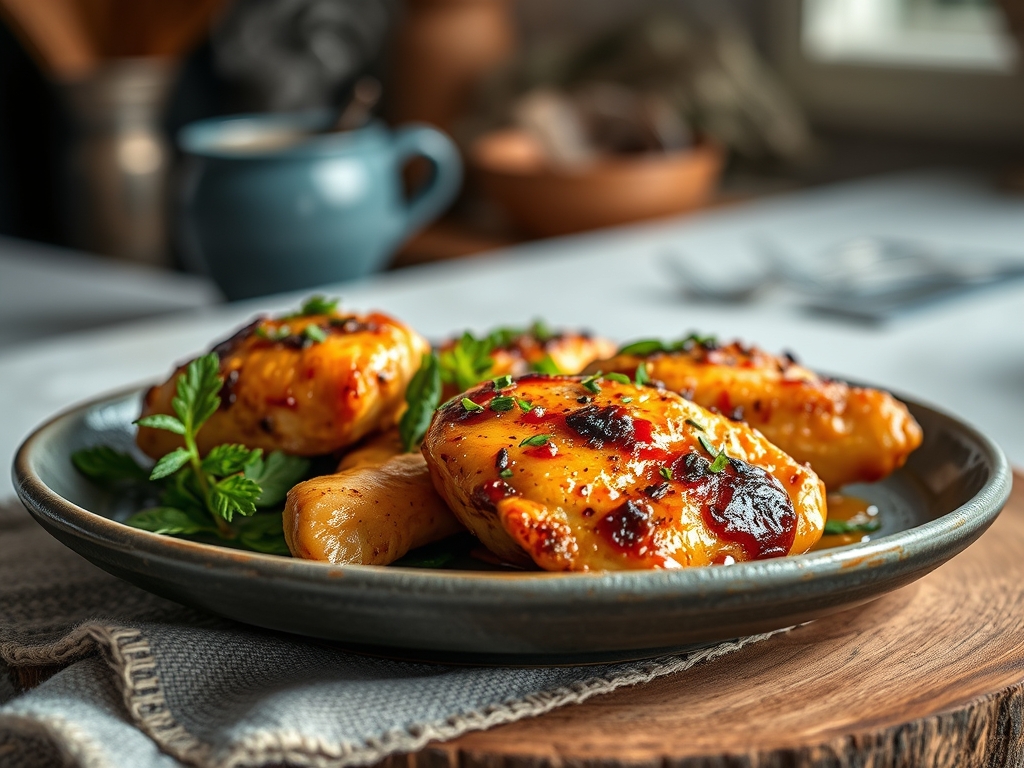
Imagine the sound of cold protein hitting a shimmering layer of hot oil. It is a sharp, aggressive hiss that signals the start of the Maillard reaction. We are not just cooking; we are engineering flavor. If you are hunting for easy skillet chicken recipes that actually deliver restaurant-quality results, you have found the holy grail of weeknight efficiency.
The beauty of the skillet lies in its thermal mass. Whether you are using a seasoned cast iron or a heavy-bottomed stainless steel pan, the goal is high-intensity heat transfer that creates a crust while keeping the interior succulent. We are moving beyond bland, boiled textures. We are aiming for golden, piquant surfaces and sauces that cling with a glossy, professional finish. By mastering a few core principles of thermodynamics and emulsion, you can rotate through ten distinct flavor profiles using the exact same hardware. From a bright lemon-caper piccata to a deeply savory mushroom marsala, the skillet is your most versatile laboratory. Let us get your mise-en-place ready and turn your kitchen into a high-output culinary studio.
The Gathers:
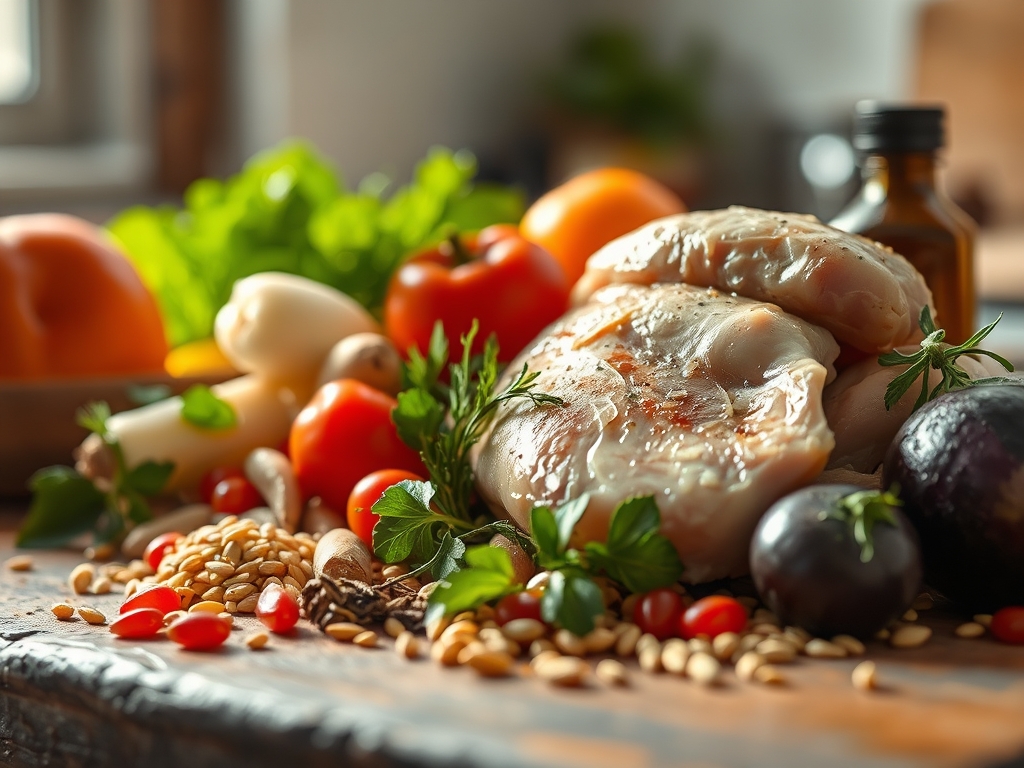
To execute these easy skillet chicken recipes with precision, your ingredient list must be curated for maximum impact. We start with the chicken. For the best results, use organic thighs or breasts patted bone-dry with paper towels. Moisture is the enemy of the sear; residual water creates a steam pocket that prevents browning. You will need a high-smoke-point lipid like avocado oil or clarified butter to ensure the fat does not break down and turn acrid at high temperatures.
Your aromatics are the backbone of the dish. Have your garlic, shallots, and ginger ready. Use a microplane to grate your aromatics directly into the pan for instant infusion. For the liquids, keep a dry white wine or a high-quality stock nearby to deglaze the pan. This process lifts the fond, those caramelized brown bits stuck to the bottom, and incorporates them into your sauce.
Smart Substitutions:
If you are out of heavy cream, use full-fat coconut milk or a dollop of Greek yogurt added off the heat to prevent curdling. No wine? Use a splash of apple cider vinegar diluted with water to provide that necessary acidity. If you need a thickener but want to avoid flour, a cornstarch slurry or a cold knob of butter whisked in at the end (the monter au beurre technique) will create a viscous, velvet-like texture.
The Clock:
Efficiency in the kitchen is about the Chef's Flow. This is the art of overlapping tasks so that no second is wasted. These easy skillet chicken recipes are designed to move from raw ingredients to a plated masterpiece in under 30 minutes.
The first 5 to 7 minutes are dedicated to prep. Use a sharp chef knife and a bench scraper to move your chopped aromatics cleanly. The cooking phase typically takes 15 to 20 minutes. You spend the first 6 minutes achieving a hard sear on the protein. While the chicken rests, you spend 5 minutes building the sauce in the same pan. The final 3 minutes are for re-incorporating the meat and garnishing with fresh herbs. This sequence ensures that the chicken stays juicy while the sauce reaches peak reduction.
The Masterclass:
1. The High-Heat Sear
Place your seasoned chicken skin-side down into the hot oil. Do not crowd the pan, as this drops the temperature and leads to steaming. Use tongs to press the meat down for maximum surface contact.
Pro Tip: This is the Maillard reaction, where amino acids and sugars rearrange to create hundreds of flavor compounds. If the meat resists when you try to flip it, the crust has not fully formed yet. Wait for it to release naturally.
2. Deglazing the Fond
Once the chicken is removed, pour your liquid of choice into the hot skillet. Use a wooden spoon to scrape up the browned bits.
Pro Tip: This is a chemical extraction. The alcohol or acid in your liquid dissolves the flavor molecules trapped in the caramelized proteins, creating a complex base that water alone cannot achieve.
3. Building the Emulsion
Add your fats or creams to the reduced liquid. Whisk vigorously to combine the water-based stock with the oil-based fats.
Pro Tip: To achieve a stable emulsion, add your fat slowly. This prevents the sauce from breaking or looking greasy. The result should be a smooth, glossy coating that clings to a spoon.
4. Thermal Carryover and Resting
Return the chicken to the pan only briefly to coat it. Remove from heat and let it sit for five minutes before slicing.
Pro Tip: Thermal carryover means the internal temperature will rise by 5 to 10 degrees after leaving the heat. Resting allows the muscle fibers to relax and reabsorb juices, ensuring the moisture stays in the meat rather than on the cutting board.
The Deep Dive:
When we look at the macro nutrition, easy skillet chicken recipes are a powerhouse of lean protein. A standard serving provides roughly 35 grams of protein with varying fat content depending on your choice of thigh versus breast. To keep it Keto, focus on heavy cream and butter-based sauces. For a Vegan twist, swap the chicken for pressed extra-firm tofu or cauliflower steaks, using the same searing and deglazing techniques.
The Fix-It:
- The Sauce is Too Thin: Create a quick slurry of equal parts cornstarch and cold water. Whisk it into the boiling sauce for 60 seconds to activate the starches.
- The Chicken is Dry: You likely bypassed the resting phase. Next time, pull the chicken at 160 degrees Fahrenheit and let carryover cooking bring it to the safe 165 mark.
- The Sauce is Too Salty: Add a splash of acid, like lemon juice or vinegar. Acidity masks saltiness on the palate without changing the chemical sodium content.
Meal Prep Science:
To reheat skillet chicken without it becoming rubbery, avoid the microwave if possible. Use a small saucier or skillet over low heat with a tablespoon of water or stock. Cover with a lid to create a steam chamber. This rehydrates the protein fibers gently, maintaining that day-one tenderness.
The Wrap-Up:
Mastering easy skillet chicken recipes is about more than just following a list of steps; it is about understanding the physics of your kitchen. When you control the heat and the moisture, you control the flavor. You now have the technical vocabulary and the tactical skills to turn a simple bird into a gourmet experience. Go grab your favorite skillet and start experimenting with those deglazing liquids. Your weeknight dinners are about to get a serious upgrade.
The Kitchen Table:
How do I get a crispy skin every time?
Ensure the chicken skin is bone-dry before cooking. Use a heavy-bottomed skillet and do not move the meat for at least four minutes. This allows the fat to render and the skin to dehydrate into a crisp golden layer.
Can I use frozen chicken for these recipes?
Always thaw chicken completely in the refrigerator before searing. Excess ice crystals cause a massive temperature drop in the pan, leading to gray, boiled meat instead of a flavorful, caramelized crust. Quality results require controlled thermal energy.
What is the best way to tell if chicken is done?
Use a digital scale or, more accurately, an instant-read thermometer. Insert it into the thickest part of the meat. Once it hits 160 degrees Fahrenheit, remove it from the heat. Carryover cooking will finish the job perfectly.
Why did my cream sauce curdle?
Sauces break when the heat is too high or acid is added too quickly to cold dairy. To fix this, whisk in a splash of warm water or heavy cream off the heat to re-emulsify the fats and proteins.