
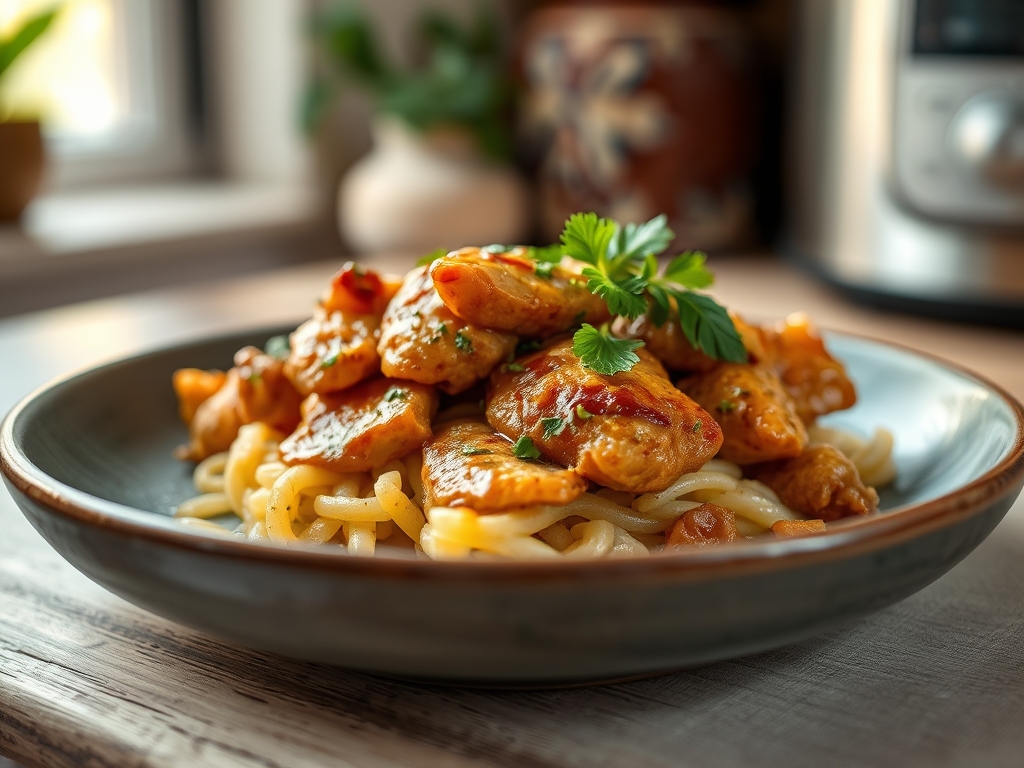
Imagine the scent of caramelized pineapple and toasted ginger drifting through your hallway at five in the evening. It is the ultimate olfactory hug. When it comes to crockpot hawaiian chicken recipes, the magic lies in the intersection of tropical acidity and low, slow thermal energy. We are turning humble poultry into a culinary masterpiece while you work.
The secret to a perfect slow cooker meal is not just tossing things into a ceramic pot and hoping for the best. It is about understanding how heat interacts with sugars and proteins over several hours. We are looking for that specific point where the chicken fibers become tender enough to pull apart with a fork, yet remain juicy enough to hold onto a glossy, viscous sauce. This is not just dinner; it is a chemistry project that happens to taste like a vacation.
By the time you finish this guide, you will be the absolute master of the slow cooker. We are going to dive into the molecular mechanics of why pineapple juice tenderizes meat, how to prevent your sauce from becoming a watery mess, and the exact moment to add your aromatics for maximum impact. Grab your favorite apron and a glass of something cold; we are about to elevate your weeknight routine into something truly gourmet.
The Gathers:
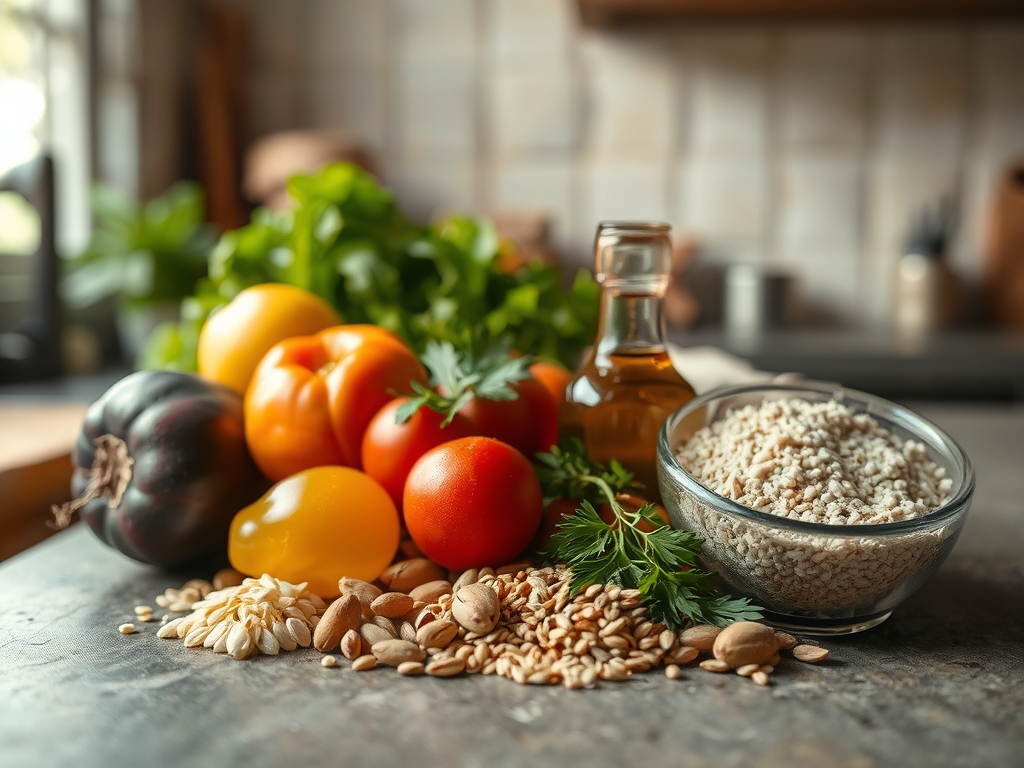
To begin, clear your workspace with a bench scraper and set out your ingredients. We start with two pounds of boneless, skinless chicken thighs. Thighs are superior to breasts in a crockpot because they contain more connective tissue, specifically collagen, which breaks down into gelatin during the long cooking process. This provides a rich, silky mouthfeel that lean white meat simply cannot replicate.
For the aromatics, you will need fresh ginger and garlic. Do not use the pre-minced stuff in a jar; the volatile oils have long since evaporated. Use a microplane to grate two inches of ginger and four cloves of garlic directly into a small bowl. This creates a fine paste that distributes evenly throughout the sauce. You will also need one cup of unsweetened pineapple juice, half a cup of soy sauce (or liquid aminos), and a quarter cup of brown sugar to provide the necessary glucose for a deep, piquant flavor profile.
Smart Substitutions: If you are watching your refined sugar intake, swap the brown sugar for coconut sugar or a splash of maple syrup. For a kick of heat, add a teaspoon of red pepper flakes or a tablespoon of gochujang. If you find yourself out of fresh ginger, a teaspoon of ground ginger works in a pinch, though you will lose that bright, zesty top note that fresh rhizomes provide.
The Clock
Efficiency in the kitchen is all about the Chef's Flow. Your active preparation time should take no more than fifteen minutes. This includes trimming the chicken and whisking your sauce components in a saucier or small mixing bowl. Once the lid is on, the "passive phase" begins.
For the most succulent results, set your crockpot to "Low" for five to six hours. While many recipes suggest "High" for three hours, the rapid temperature climb can cause the muscle fibers to contract too quickly, squeezing out moisture and resulting in a stringy texture. Cooking at a lower temperature allows the heat to penetrate the center of the meat gradually, ensuring the internal temperature reaches 165 degrees Fahrenheit without overshooting the mark.
The Masterclass
1. The Sear and Deglaze
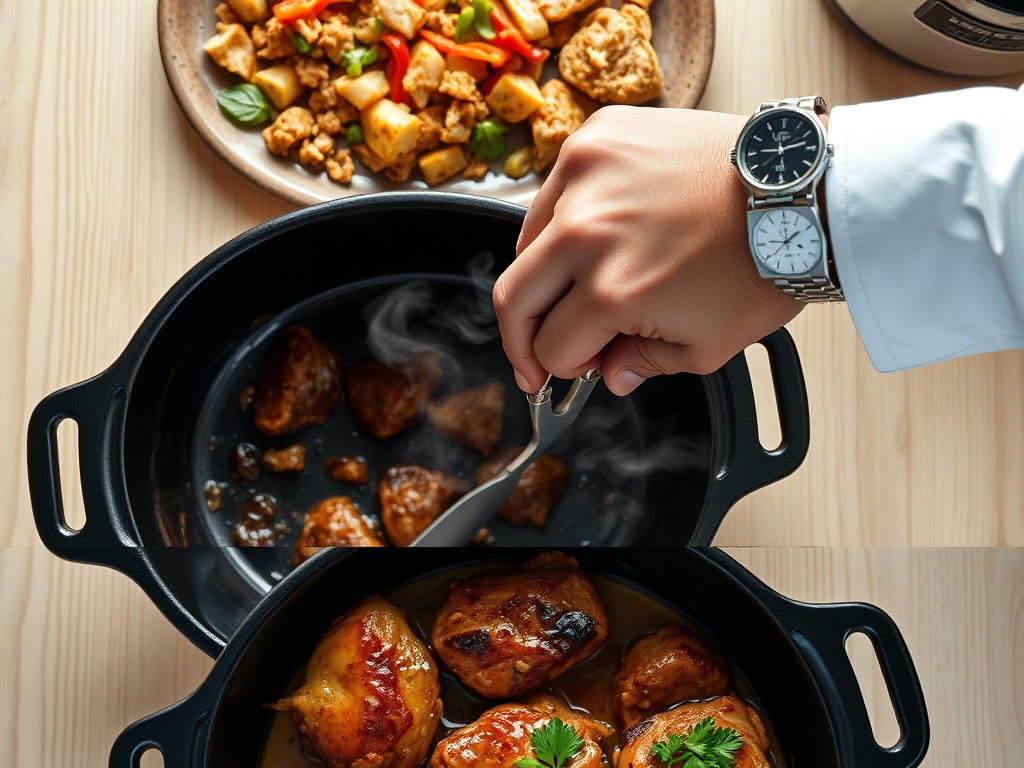
Before the chicken ever touches the crockpot, heat a heavy-bottomed skillet over medium-high heat with a tablespoon of neutral oil. Sear the chicken for two minutes per side until a golden crust forms. Transfer the meat to the crockpot, then pour a splash of your pineapple juice into the hot skillet. Use a wooden spoon to deglaze the pan, scraping up the browned bits.
Pro Tip: This process triggers the Maillard reaction. This chemical reaction between amino acids and reducing sugars creates hundreds of different flavor compounds that a slow cooker alone cannot produce. Those browned bits are concentrated umami gold.
2. The Infusion Phase
Whisk your soy sauce, ginger, garlic, and sugar into the remaining pineapple juice. Pour this mixture over the chicken in the slow cooker. Ensure the meat is mostly submerged to prevent the top layer from drying out during the long cook. Drop in a few chunks of fresh pineapple for an extra layer of sweetness.
Pro Tip: Pineapple contains an enzyme called bromelain. This protease breaks down protein chains, acting as a natural tenderizer. By adding fresh fruit, you are chemically softening the chicken fibers from the outside in as the heat rises.
3. The Gentle Simmer
Secure the lid and resist the urge to peek. Every time you lift the lid, you release a significant amount of steam and heat, which can add fifteen minutes to your total cook time. The crockpot creates a closed environment where the moisture circulates, essentially poaching the chicken in its own juices and the infused liquid.
Pro Tip: This is the stage of thermal equilibrium. The ceramic insert of the crockpot retains heat exceptionally well, ensuring that the liquid remains at a steady simmer just below the boiling point, which prevents the delicate proteins from toughening.
4. The Texture Refinement
Once the timer hits the five-hour mark, use tongs to remove the chicken to a cutting board. The meat should yield easily to pressure. You can either leave the thighs whole for a rustic look or use two forks to shred them into bite-sized pieces.
Pro Tip: Shredding the meat increases the surface area. This allows the chicken to soak up more of the sauce through capillary action, ensuring every single bite is saturated with flavor rather than just being coated on the outside.
5. The Sauce Reduction
The liquid left in the crockpot will be flavorful but likely too thin. Whisk two tablespoons of cornstarch with two tablespoons of cold water to create a slurry. Stir this into the pot and turn the heat to "High" for fifteen minutes, or transfer the liquid to a saucier on the stove to reduce it faster.
Pro Tip: Cornstarch molecules are long chains of glucose that uncoil and swell when heated in the presence of water. This process, called starch gelatinization, creates a thickened, glossy glaze that clings to the meat perfectly.
6. The Final Garnish
Return the chicken to the thickened sauce and toss to coat. Finish the dish with a handful of sliced green onions and toasted sesame seeds. The fresh, crisp onion provides a necessary contrast to the soft, savory chicken and the sweet glaze.
Pro Tip: Adding fresh greens at the very end preserves their chlorophyll levels and enzymatic bite. If you cook them in the pot for six hours, they turn gray and lose their structural integrity.
The Deep Dive
From a nutritional standpoint, this dish is a powerhouse. A standard serving provides roughly 35 grams of protein and is rich in Vitamin C from the pineapple. To make this Keto-friendly, replace the sugar with erythritol and use xanthan gum instead of cornstarch to thicken. For a Vegan version, swap the chicken for extra-firm tofu or seared seitan; just reduce the cook time to two hours so the plant proteins don't disintegrate.
The Fix-It:
If your sauce is too salty, add a tablespoon of rice vinegar; the acidity will balance the sodium. If the chicken is dry, you likely cooked it on "High" for too long; next time, use a digital scale to ensure your portions match the timing. If the flavor is dull, add a squeeze of fresh lime juice at the end to brighten the heavy sugars.
Meal Prep Science:
This recipe is actually better on day two. As the dish cools, the flavors continue to infuse and the sauce stabilizes. When reheating, avoid the microwave if possible. Use a small pan on the stove and add a splash of water or broth to loosen the gelatinized sauce, ensuring "day-one" moisture levels.
The Wrap-Up
Mastering crockpot hawaiian chicken recipes is about more than just convenience; it is about using science to create a restaurant-quality meal with minimal effort. By utilizing the Maillard reaction, enzymatic tenderization, and proper starch gelatinization, you have turned basic pantry staples into a complex, multi-dimensional feast. Now, serve this over a bed of fluffy jasmine rice and enjoy the fruits of your very easy labor!
The Kitchen Table
Can I use frozen chicken in the crockpot?
It is not recommended for safety. Frozen meat stays in the "danger zone" temperature range for too long, allowing bacteria to multiply. Always thaw your poultry completely in the refrigerator before adding it to the slow cooker for even heat distribution.
How do I prevent the sauce from being too watery?
Always use a cornstarch slurry at the end. Slow cookers do not allow for evaporation, so the liquid volume stays the same. Reducing the sauce on the stovetop or using a thickener is essential for that iconic glossy coating.
What is the best way to store leftovers?
Place the chicken and sauce in an airtight glass container. It will stay fresh for up to four days in the fridge. The sauce will thicken into a jelly-like consistency due to the natural gelatin; it melts perfectly when reheated.
Can I add vegetables like bell peppers?
Yes, but timing is everything. Add fibrous vegetables like bell peppers or snap peas during the last thirty minutes of cooking. This ensures they maintain a slight crunch and vibrant color rather than becoming mushy and overcooked.