
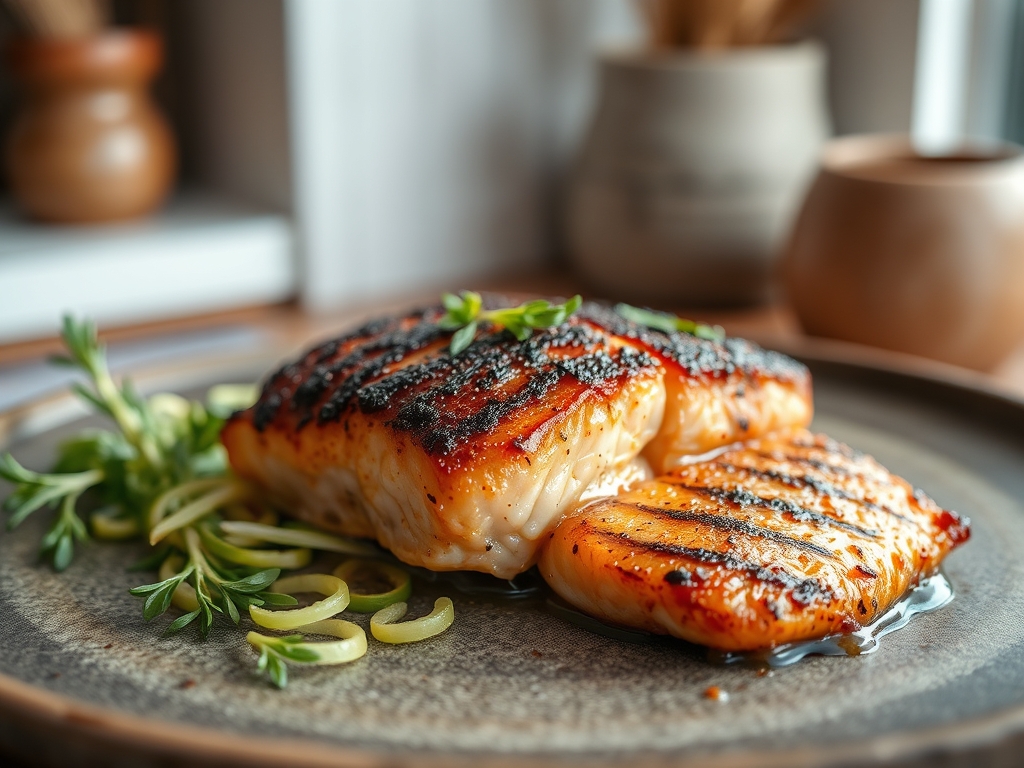
Close your eyes and listen for that distinctive, aggressive sizzle. It is the sound of a transformation. When you drop a cold fillet into a shimmering pan, you are not just cooking; you are orchestrating a chemical masterpiece. Finding easy blackened salmon recipes that actually work requires more than just a shaker of spices. It requires an understanding of how heat interacts with protein to create that iconic, savory crust. We are aiming for a contrast that defines luxury: a dark, piquant exterior that shatters against a buttery, translucent center.
The magic happens at exactly 310 degrees Fahrenheit. This is when the Maillard reaction takes over, fusing amino acids and reducing sugars into hundreds of different flavor compounds. If you have ever suffered through a piece of fish that was more "burnt" than "blackened," you know the stakes are high. But do not worry; I am going to walk you through the physics of the perfect sear. We will turn your kitchen into a high-end bistro using simple techniques that ensure your salmon is never dry, never bland, and always the star of the table.
The Gathers:
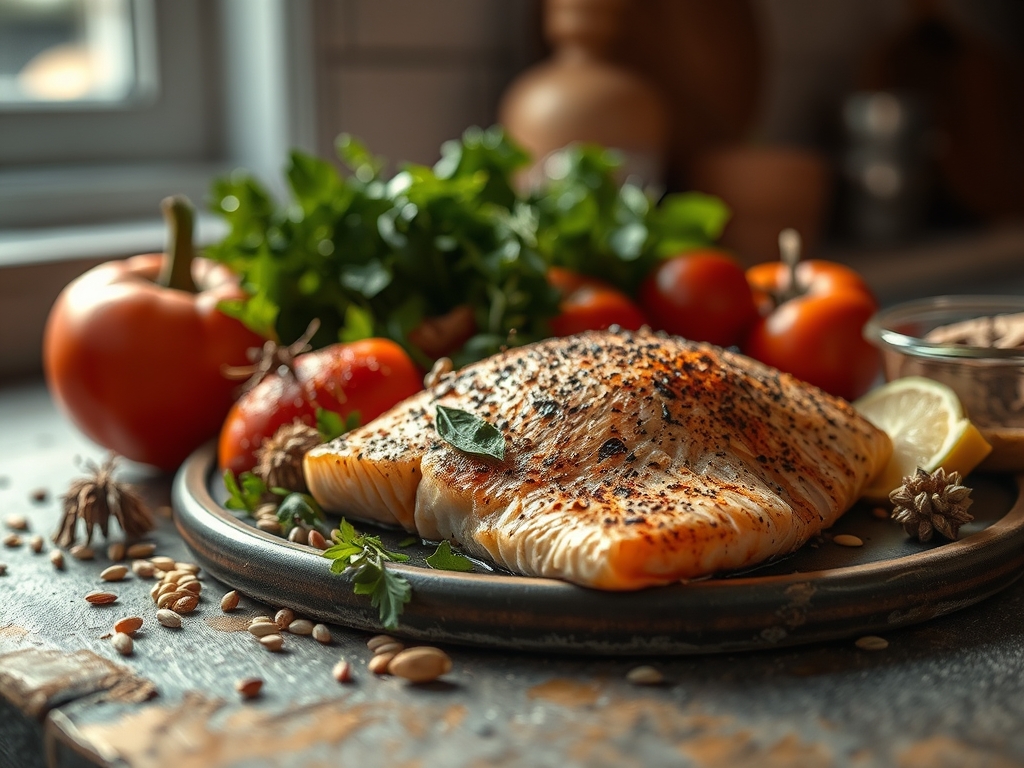
To achieve a professional result, your mise-en-place must be precise. Start with high-quality Atlantic or King salmon fillets. You want a thickness of at least one inch to ensure the interior does not overcook before the crust forms. Use a digital scale to ensure each portion is roughly six ounces for even cooking times across the pan.
The spice blend is your flavor engine. You will need smoked paprika for depth, cayenne for heat, and dried thyme and oregano for an earthy counterpoint. Do not skip the onion and garlic powders; these contain sugars that caramelize beautifully under high heat. For the fat, you need a high-smoke-point oil like avocado or grapeseed oil, finished with a knob of unsalted butter to infuse the fish with a viscous, nutty richness.
Smart Substitutions: If you are watching your sodium, swap the standard table salt for a flaky sea salt added at the very end. This provides a textural pop without over-seasoning the flesh. For a smoky twist without the heat, replace cayenne with chipotle powder. If you lack a traditional cast iron, a heavy-bottomed skillet made of stainless steel will suffice, though you must monitor the heat more closely to prevent sticking.
The Clock
Efficiency in the kitchen is about "Chef's Flow." This is the art of overlapping tasks so no time is wasted. Your total active prep time is only ten minutes, while the cook time spans approximately eight to ten minutes depending on the thickness of the fish.
Start by tempering your salmon. Take it out of the refrigerator fifteen minutes before cooking. Cold fish hitting a hot pan causes the muscle fibers to contract violently, squeezing out moisture and leaving you with a tough texture. While the fish reaches room temperature, use a microplane to zest a lemon for your garnish and prepare your side dishes. By the time your skillet is preheated to a medium-high glow, your salmon will be relaxed and ready for the heat.
The Masterclass
1. The Desiccation Phase
Pat the salmon bone-dry using paper towels. Moisture is the enemy of a crisp crust. If the surface is damp, the heat of the pan will turn that water into steam, boiling the fish instead of searing it. Use a bench scraper to clear any scales or debris from your workspace to keep the skin pristine.
Pro Tip: This is known as surface evaporation. Removing surface water allows the temperature to rise immediately above 212 degrees Fahrenheit, triggering the Maillard reaction instantly rather than waiting for the water to boil off.
2. The Spice Application
Dredge the top and sides of the salmon in your spice mixture. Press the spices into the flesh firmly so they adhere. Do not season the fish until the very last second before it hits the pan. Salt is hygroscopic, meaning it draws moisture out of the cells. If you salt too early, you will end up with a wet surface again.
Pro Tip: This creates a sacrificial layer. The spices take the brunt of the heat, protecting the delicate proteins underneath while creating a concentrated "bark" of flavor.
3. The Initial Sear
Heat your heavy-bottomed skillet until the oil just begins to shimmer and smoke. Lay the salmon fillets away from you to avoid oil splatter. Use tongs to press down lightly on each fillet for the first thirty seconds. This ensures maximum surface contact and prevents the fish from curling.
Pro Tip: This is conduction heating. Direct contact allows for rapid energy transfer, which is essential for creating that dark, flavorful crust without overcooking the center.
4. The Butter Baste
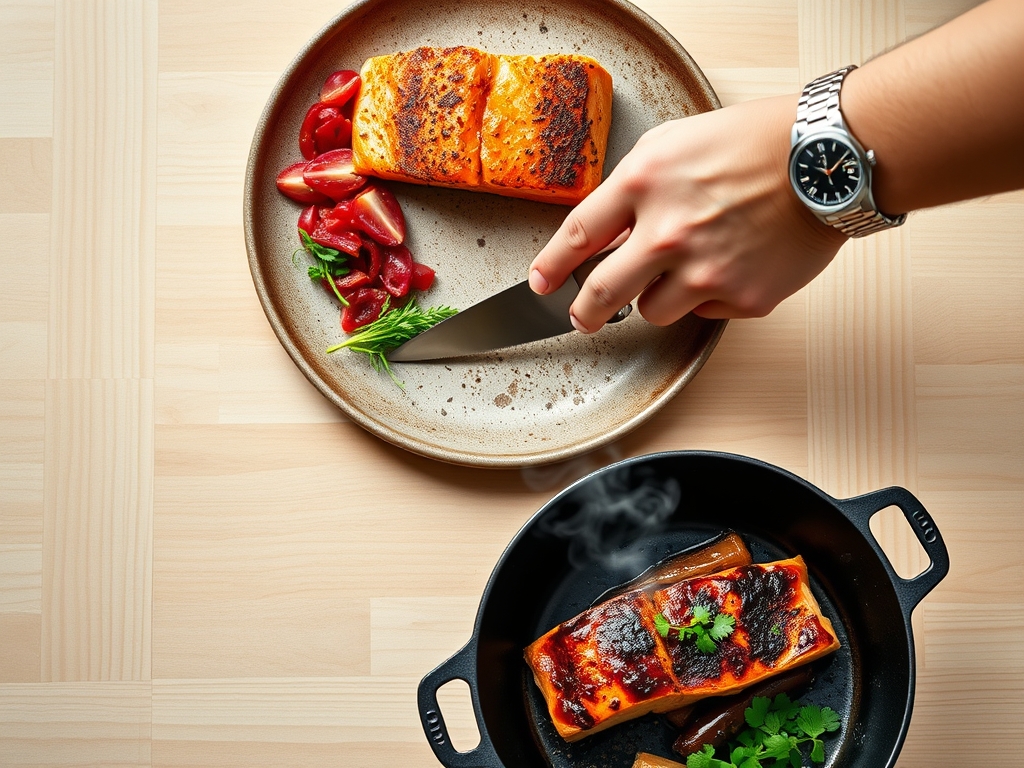
Once a dark crust has formed (about 4 minutes), flip the fish carefully. Drop a tablespoon of butter and a smashed garlic clove into the pan. As the butter foams, tilt the pan and use a large spoon or a saucier spoon to continuously pour the hot fat over the crust.
Pro Tip: This is called "arroser." The hot butter fills the microscopic gaps in the spice crust, deepening the flavor and ensuring the heat is distributed into the crevices of the fillet.
5. The Rest and Carryover
Remove the salmon when the internal temperature hits 125 degrees Fahrenheit for medium-rare. Place it on a warm plate and let it rest for three to five minutes. The temperature will continue to rise as it sits.
Pro Tip: This accounts for thermal carryover. The kinetic energy at the surface continues to move toward the center even after the heat source is removed, bringing the final temperature to a perfect 130 to 135 degrees.
The Deep Dive
Macro Nutrition: Salmon is a nutritional powerhouse. A standard six-ounce serving provides roughly 34 grams of high-quality protein and is rich in Omega-3 fatty acids, which are essential for heart health. Because we are using a dry rub and minimal fat, this remains a lean, nutrient-dense meal.
Dietary Swaps: For a Keto-friendly version, ensure your spice blend contains no added sugars or cornstarch. For a Vegan alternative, this same blackening technique works beautifully on thick slabs of cauliflower or firm tofu. If you are Gluten-Free, simply verify that your spices are processed in a GF-certified facility to avoid cross-contamination.
The Fix-It:
- The Spices are Bitter: You likely used too much heat or too much dried oregano. Reduce the flame slightly and focus on the paprika and garlic powder for color.
- The Fish is Sticking: You tried to flip it too early. The fish will naturally release from the pan once the crust has fully formed.
- The Center is Raw: Your heat was too high, burning the outside before the inside could cook. Use a lower flame and a longer cook time, or finish the fish in a 350-degree oven for two minutes.
Meal Prep: To reheat salmon without it becoming "fishy" or dry, avoid the microwave. Instead, place it in a cold oven and set it to 275 degrees. As the oven heats up, the fish gently warms through. This preserves the moisture and keeps the fats from oxidizing, which is what causes that unpleasant "leftover" smell.
The Wrap-Up
Mastering easy blackened salmon recipes is about more than just a quick dinner; it is about gaining confidence with high-heat cooking. Once you understand the relationship between surface moisture, spice density, and thermal carryover, you can apply these principles to steak, chicken, or even sturdy vegetables. The kitchen is your laboratory, and that cast iron skillet is your most valuable tool. Now, go grab those fillets and make some noise in that pan!
The Kitchen Table
How do I know when the salmon is done?
Use an instant-read thermometer to check the thickest part. Aim for 125 to 130 degrees Fahrenheit for a tender, flaky texture. The fish should easily flake with a fork but still look slightly translucent in the very center.
Can I make blackened salmon in an air fryer?
Yes! Pre-heat the air fryer to 400 degrees. Season the fillets and spray them lightly with oil. Cook for 7 to 9 minutes. While you lose the butter-basting element, the convection air creates a very respectable, even crust.
What is the best pan for blackening fish?
Cast iron is the gold standard because it retains heat exceptionally well, ensuring a consistent sear. Stainless steel is a great second choice. Avoid non-stick pans, as the high heat required for blackening can damage the coating and release fumes.
Why did my spices turn black so fast?
Paprika and dried herbs have low burn points. If your pan is screaming hot, they will carbonize. Start with a medium-high heat and watch for the oil to shimmer. If the spices smoke excessively, turn the heat down immediately.
Is blackened salmon supposed to be spicy?
Traditional blackening involves a kick from cayenne and black pepper, but you can control the heat. For a milder version, omit the cayenne and increase the smoked paprika. The "black" color comes from the charred spices, not just the heat level.