
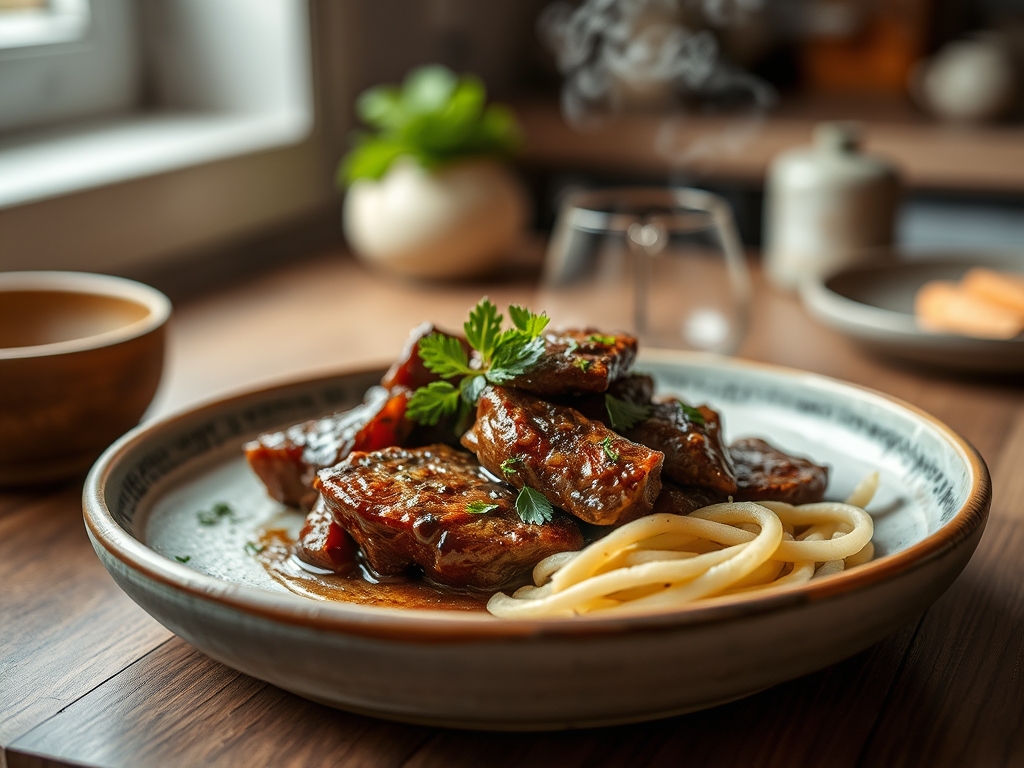
Imagine the sound of a heavy bottomed skillet hitting the burner; that sharp, metallic ring is the starting bell for a dinner that actually works for you. We are moving past the era of bland, boiled proteins and entering a world where easy healthy beef recipes are the backbone of a high performance lifestyle. You deserve a meal that smells like toasted garlic and seared umami while fueling your brain with essential iron and B12.
The secret to mastering these dishes lies in the chemistry of the sear. When that lean cut of grass fed steak meets a screaming hot surface, you are not just cooking; you are initiating the Maillard reaction. This is the chemical marriage of amino acids and reducing sugars that creates that deep, savory crust we crave. It is the difference between a sad, grey strip of meat and a restaurant quality masterpiece that takes less than twenty minutes to execute. We are going to harness that power across nine distinct flavor profiles, ensuring your weeknight rotation is anything but boring.
The Gathers:
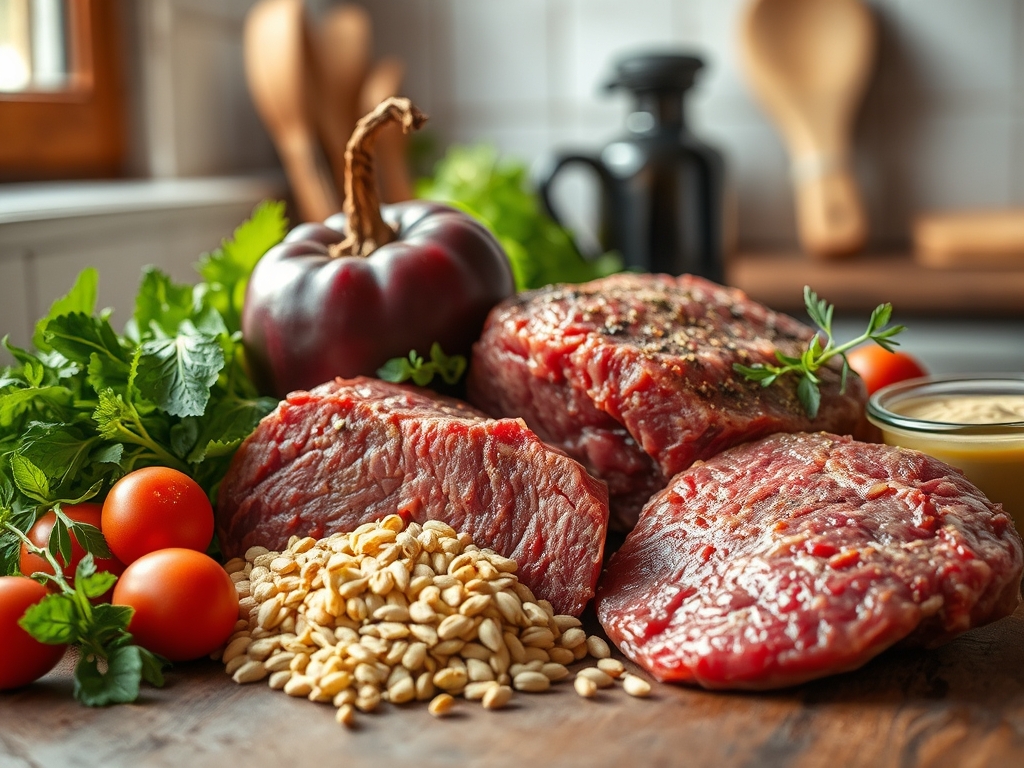
To execute these easy healthy beef recipes with surgical precision, your mise-en-place must be impeccable. Start with high quality lean proteins like flank steak, top sirloin, or 93/7 ground beef. These cuts offer the highest protein to fat ratio, ensuring you get the structural benefits of the meat without an excess of saturated lipids. You will also need a piquant array of aromatics: fresh ginger root, cloves of purple skin garlic, and shallots.
For the liquid components, keep a bottle of low sodium tamari or liquid aminos on hand to provide a salty, fermented depth. To create a viscous sauce without heavy creams, we rely on arrowroot powder or a small amount of cold butter to emulsify our pan juices.
Smart Substitutions:
If you are watching your sodium intake, swap traditional soy sauce for coconut aminos; it provides a similar profile with a hint of natural sweetness. For those avoiding nightshades, replace red pepper flakes with a dusting of Szechuan peppercorns to achieve that signature tongue numbing sensation without the capsaicin heat. Always use a microplane to grate your aromatics; this increases the surface area and allows the essential oils to infuse the dish more rapidly.
The Clock:
Efficiency in the kitchen is about the "Chef's Flow." This is the psychological state where your movements are optimized to minimize downtime. Most of these meals require exactly ten minutes of active prep and ten to fifteen minutes of thermal application.
The flow begins with the protein. By salting your beef at least fifteen minutes before it hits the pan, you allow the salt to draw out moisture, dissolve into a brine, and then be reabsorbed into the muscle fibers. This ensures the interior remains succulent even under high heat. While the meat rests in its brine, use your bench scraper to organize your chopped vegetables. By the time your skillet is smoking, your ingredients are staged and ready for their sequential entry.
The Masterclass:
1. The High Heat Sear
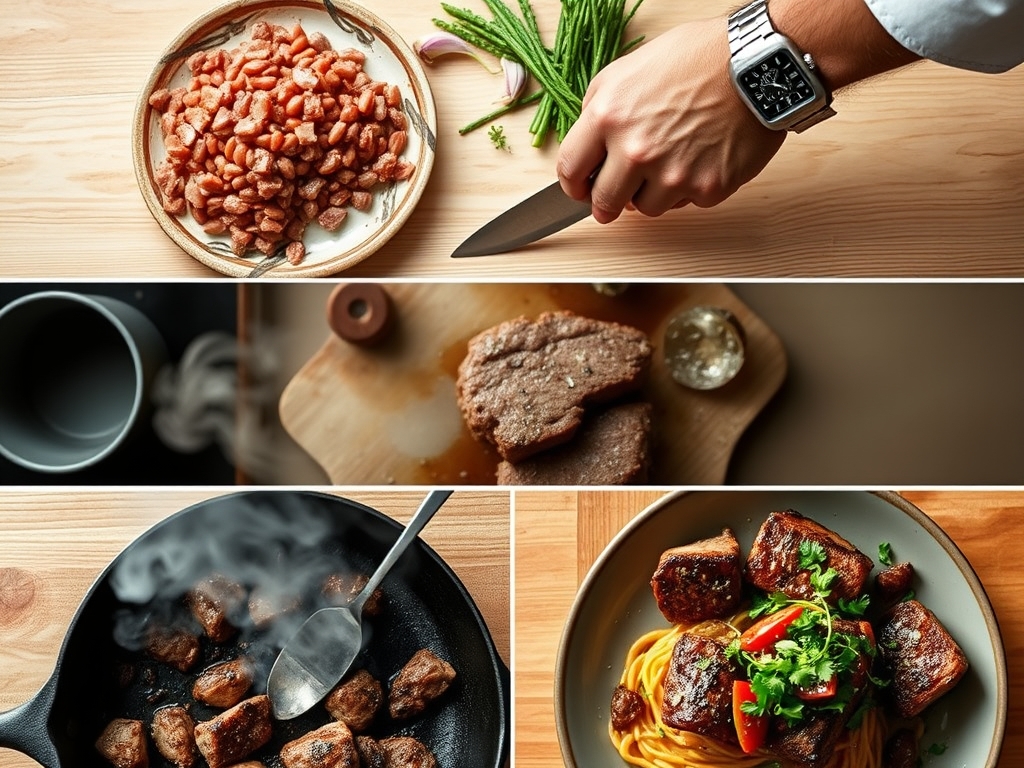
Pat your beef bone dry with paper towels. Moisture is the enemy of the sear; any surface water will turn to steam and prevent the temperature from rising high enough for browning. Use stainless steel tongs to place the meat in a preheated cast iron pan.
Pro Tip: This is the science of thermal conductivity. A heavy pan retains more heat energy, preventing the temperature from dropping when the cold meat is added, which ensures a consistent crust.
2. Deglazing the Fond
Once the meat is removed to rest, you will see brown bits stuck to the bottom of the pan. This is "fond," and it is concentrated flavor. Pour in a splash of beef bone broth or dry red wine and use a wooden spoon to scrape it up.
Pro Tip: This process uses a solvent (liquid) to dissolve the caramelized proteins and sugars, creating a complex base for a pan sauce without adding extra fats.
3. Emulsifying the Sauce
Lower the heat and whisk in your aromatics and a thickening agent. If using butter, whisk it in one cold cube at a time.
Pro Tip: This creates a fat in water emulsion. The cold temperature of the butter prevents the fats from separating too quickly, resulting in a glossy, velvet texture that coats the back of a spoon.
4. The Gentle Fold
Return your sliced beef and any accumulated juices back into the saucier. Toss gently to coat but do not continue to cook over high heat.
Pro Tip: This prevents overcooking. The residual heat of the sauce is enough to warm the meat through without pushing the internal temperature past the medium rare threshold.
5. Aerating the Garnish
Finish with a handful of fresh herbs like cilantro or scallions right before serving.
Pro Tip: Heat destroys the volatile aromatic compounds in fresh herbs. By adding them at the very end, you preserve the bright, floral notes that balance the heavy umami of the beef.
The Deep Dive:
When we look at the macro nutrition of these easy healthy beef recipes, we see a profile designed for recovery. A standard 6 ounce serving of lean beef provides roughly 40 grams of protein and significant amounts of zinc, which is vital for immune function.
Dietary Swaps:
For a Keto approach, serve your beef over a bed of riced cauliflower sautéed in tallow. If you are Gluten Free, ensure your thickening agent is cornstarch or arrowroot rather than wheat flour. For a Vegan guest, the same flavor profiles can be applied to "steaks" of lion's mane mushrooms, which have a remarkably similar fibrous texture and absorb sauces beautifully.
The Fix-It:
- Tough Meat: If the beef is chewy, you likely cut with the grain. Always slice perpendicular to the muscle fibers to shorten them.
- Bland Sauce: It needs acid. A squeeze of lime or a teaspoon of rice vinegar will "brighten" the flavors by stimulating the salivary glands.
- Grey Meat: The pan was crowded. Cook in batches to ensure the steam can escape, allowing the surface temperature to exceed 300 degrees Fahrenheit.
Meal Prep Science:
When reheating beef, do it gently. Use a low power setting on the microwave or a warm pan with a splash of water and a lid. This creates a steam chamber that prevents the proteins from tightening further and becoming rubbery.
The Wrap-Up:
Mastering easy healthy beef recipes is about more than just following a list of instructions; it is about understanding the physics of your kitchen. By respecting the sear, utilizing the fond, and timing your aromatics, you turn a simple weeknight dinner into a high octane culinary experience. You have the tools, the science, and the flavor profiles to dominate your meal prep. Now, get that skillet hot and let the Maillard reaction do the heavy lifting for you!
The Kitchen Table:
What is the best cut for quick healthy beef recipes?
Top sirloin or flank steak are ideal. They are lean, which fits nutritional goals, but have enough structural integrity to withstand high heat searing without falling apart, making them perfect for fast stir fries or salads.
How do I keep lean beef from getting dry?
Never overcook it. Use a digital thermometer to pull the beef at 130 degrees Fahrenheit for medium rare. Carryover cooking will bring it to the perfect 135 degrees while it rests on your cutting board.
Can I make these recipes in a slow cooker?
While possible, slow cooking is better for tough, collagen rich cuts like chuck roast. For these quick recipes, the stovetop is superior because it preserves the texture and allows for the development of complex crusts.
Is grass fed beef actually healthier?
Yes, scientifically speaking. Grass fed beef typically contains higher levels of Omega-3 fatty acids and conjugated linoleic acid (CLA) compared to grain finished beef, making it a more heart healthy choice for frequent consumption.