
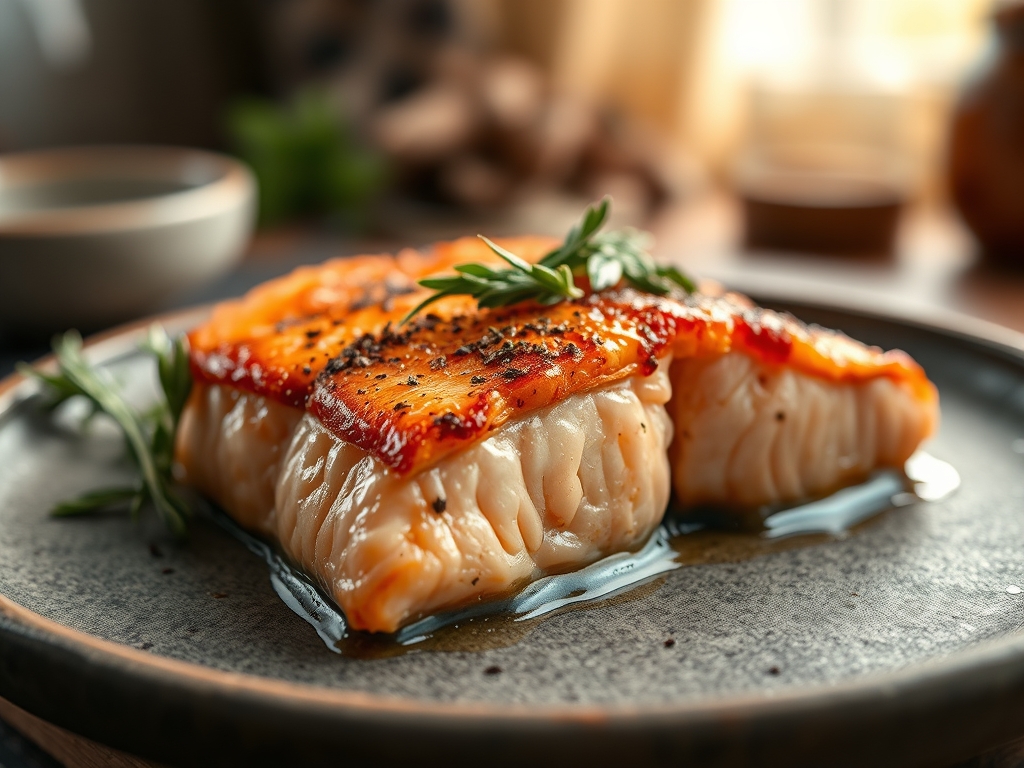
Picture the sound of a heavy-bottomed sheet pan sliding into a preheated oven; it is the definitive click of a weeknight win. We have all been there, staring at a gorgeous fillet and praying it does not emerge as a dry, chalky brick. When you master delicious salmon recipes oven techniques, you transition from a home cook to a culinary scientist. The goal is a delicate balance of heat and moisture that yields a translucent, buttery center and a crisp, seasoned exterior. Salmon is a fatty fish, rich in Omega-3s, which makes it incredibly forgiving if you understand how to manage its protein structure. We are going for that specific fork-tender flakiness that occurs when the connective tissues, known as myocommata, begin to dissolve without the muscle fibers tightening into a rubbery mess. It is about more than just dinner; it is about the chemistry of the perfect bite. Grab your apron and your favorite digital thermometer; we are about to transform your kitchen into a high-end bistro with nine secrets that ensure your fish is never anything less than spectacular.
The Gathers:
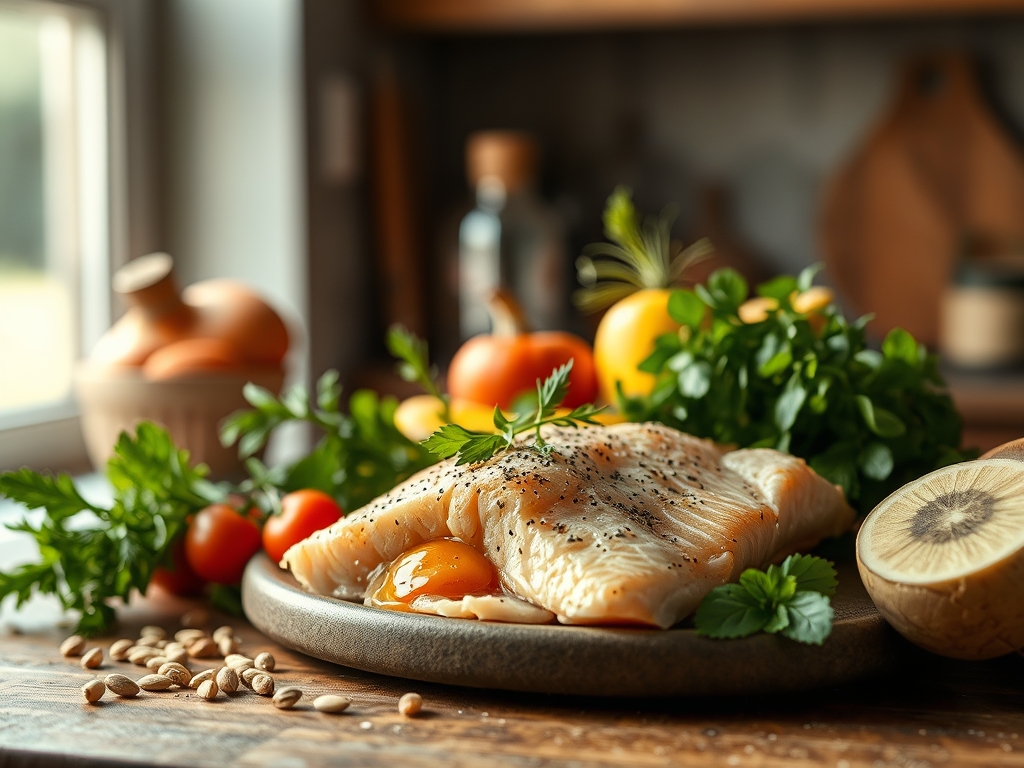
To achieve professional results, your mise-en-place must be precise. Start with a center-cut fillet; this ensures even thickness for uniform heat distribution. You will need high-quality fats like clarified butter or extra virgin olive oil to act as a heat conductor. For aromatics, gather fresh dill, flat-leaf parsley, and a head of garlic. Use a microplane to zest a lemon directly over the fish; this releases the volatile oils in the flavedo without the bitter pith. You will also need coarse kosher salt for its jagged surface area, which adheres better to the flesh than fine table salt.
Smart Substitutions: If you are avoiding dairy, swap the butter for avocado oil. It has a high smoke point and a neutral flavor profile. If fresh herbs are unavailable, use a high-quality dried tarragon, but remember to crush it between your palms to infuse the oils back into the dish. For a piquant kick without the heat, try sumac instead of lemon zest; it provides a similar acidity with a deeper, earthy undertone.
The Clock
Efficiency in the kitchen is all about the "Chef's Flow." Total active preparation time is approximately 10 minutes, with a cook time ranging from 12 to 15 minutes depending on the thickness of the fillet. However, the most critical part of the clock is the 15-minute "tempering" period before the fish ever touches the heat. Taking the chill off the protein prevents the exterior from overcooking while the interior remains raw. Once the fish is in, use a digital scale to measure your side dishes, ensuring everything finishes simultaneously. The final stage is a 5-minute rest period; this allows the juices to redistribute, ensuring every bite is viscous and rich rather than watery.
1. Tempering the Protein
Before you even think about the oven, take your salmon out of the refrigerator. Cold fish in a hot oven causes the muscle fibers to contract violently, squeezing out moisture. By letting it sit at room temperature for 15 minutes, you ensure a much more even cook.
Pro Tip: This process reduces the "thermal shock" to the fish. When the temperature gradient between the oven and the food is too wide, the exterior renders fat too quickly, leading to a dry surface before the middle is safe to eat.
2. The Desiccating Pat-Down
Moisture is the enemy of a good crust. Use a lint-free paper towel to vigorously pat the skin and flesh dry. If the surface is wet, the oven's energy will be wasted evaporating that water through steam rather than browning the fish.
Pro Tip: This encourages the Maillard reaction, a chemical reaction between amino acids and reducing sugars that gives browned food its distinctive flavor. Without a dry surface, you are essentially boiling the fish in its own juices.
3. High-Heat Sear
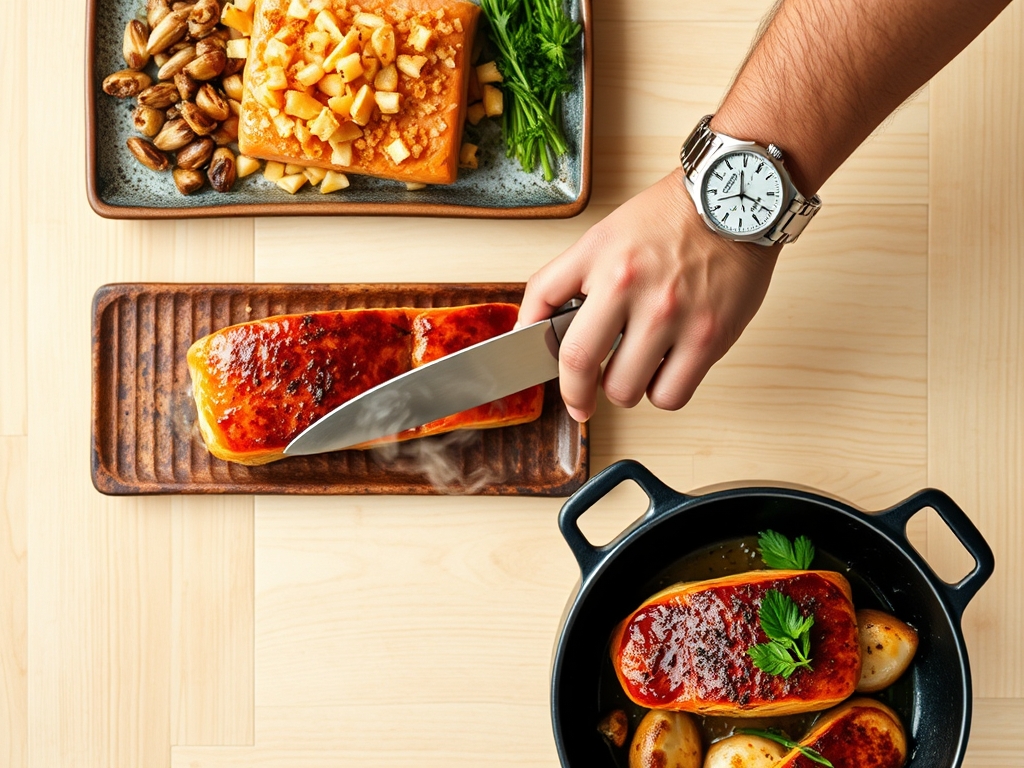
If you are using a skin-on fillet, start it in a heavy-bottomed skillet on the stovetop for two minutes before transferring it to the oven. This renders the fat underneath the skin, making it shatteringly crisp.
Pro Tip: Skin acts as a thermal barrier. By crisping it first, you create an insulating layer that protects the delicate flesh from the direct, harsh heat of the oven floor.
4. The Fat Barrier
Coat the salmon in a thin layer of oil or melted ghee. This does not just add flavor; it acts as a sealant. Use a saucier to melt your butter with garlic so you can spoon it over the top during the final minutes of cooking.
Pro Tip: Fat is a superior heat conductor compared to air. Coating the fish ensures that the heat is distributed evenly across the irregular geometry of the fillet, preventing "hot spots" from burning the thinner tail section.
5. Strategic Seasoning
Apply your salt from at least six inches above the fish. This ensures an even "snowfall" of seasoning rather than clumps. Do not add acidic elements like lemon juice until after the fish is cooked, as the acid can "cook" the proteins prematurely, much like ceviche.
Pro Tip: Salt is a denaturant. It begins to break down the protein structure immediately. Seasoning just before the fish hits the heat ensures the salt stays on the surface to create a crust rather than drawing out internal moisture.
6. Precision Temperature Monitoring
Forget the "flake test" with a fork; that just ruins the presentation. Use a digital thermometer to pull the salmon when it hits 125 degrees Fahrenheit for a perfect medium-rare.
Pro Tip: Thermal carryover is the phenomenon where the internal temperature continues to rise after the food is removed from the heat source. Pulling the fish early allows it to reach the ideal 130-135 degrees while resting on the counter.
7. The Foil Tent
If you notice the edges of your salmon are browning too quickly, loosely drape a piece of aluminum foil over the pan. This reflects radiant heat while still allowing air to circulate.
Pro Tip: This creates a mini convection environment. It slows down the cooking of the surface area while allowing the denser center to catch up via conductive heat transfer.
8. Aromatics and Infusion
Place your salmon on a bed of lemon slices and herb sprigs. As the heat rises, the moisture from the lemons will aerate and steam the bottom of the fish with citrus oils.
Pro Tip: This is known as "flavor layering." The aromatics do not just sit there; they undergo a steam-distillation process inside the oven, forcing flavor molecules into the lower layers of the protein.
9. The Finishing Glaze
In the last 60 seconds of cooking, brush on a mixture of honey and soy sauce or a balsamic reduction. Use a bench scraper to clean your workspace while the glaze bubbles and caramelizes under the broiler.
Pro Tip: Adding sugars too early results in burning. By applying a glaze at the very end, you achieve a glossy, tacky finish without the bitter notes of scorched sugar.
The Deep Dive
From a nutritional standpoint, salmon is a powerhouse. A standard 6-ounce fillet provides roughly 34 grams of protein and is a significant source of Vitamin B12 and Selenium. For those on specific diets, this recipe is naturally Keto and Gluten-Free. To make it Vegan, you can apply these same seasoning and roasting techniques to a "steak" of cauliflower or a firm block of tofu, though the cooking times will vary.
The Fix-It: If you see white "gunk" seeping out of your salmon, that is albumin. It is perfectly safe to eat, but it means the fish was cooked too fast or too long. To fix this next time, lower your oven temperature. If your salmon is sticking to the pan, you likely did not use enough fat or the pan wasn't hot enough to create an immediate sear. Use a thin metal spatula to gently pry it loose. If the fish tastes "fishy," it is likely an oxidation issue; a quick soak in milk for 10 minutes before cooking can neutralize those odors.
Meal Prep: To reheat salmon without it turning into cardboard, avoid the microwave. Instead, place it in a 275-degree oven with a splash of water and cover it tightly with foil. This gently steams the fish back to life, maintaining that "day-one" flakiness.
The Wrap-Up
Mastering the art of delicious salmon recipes oven is a journey of understanding heat, moisture, and timing. By treating your kitchen like a lab and your ingredients with respect, you can produce restaurant-quality meals every single night. Remember to dry your fish, watch your temperatures, and always allow for a rest period. You have the tools, the science, and the secrets; now go make something incredible!
The Kitchen Table
How do I know when the salmon is done?
The most reliable method is using a digital thermometer. For a flaky, moist texture, pull the salmon out of the oven when it reaches an internal temperature of 125 to 130 degrees Fahrenheit. It will finish cooking while resting.
Why does my salmon have white stuff on it?
That white substance is albumin, a protein that pushes to the surface when the muscle fibers contract too quickly. It usually indicates the oven was too hot or the fish was overcooked. Lowering the heat prevents this.
Should I cook salmon covered or uncovered?
Cooking salmon uncovered is best for achieving a crisp exterior and Maillard browning. However, if you prefer a poached, softer texture, wrapping it in parchment paper or foil will trap steam and keep it very moist.
Can I bake salmon from frozen?
Yes, but for the best texture, thaw it first. If you must bake from frozen, rinse off any ice crystals, pat it dry, and increase the cook time by about 50 percent while using a lower oven temperature.