
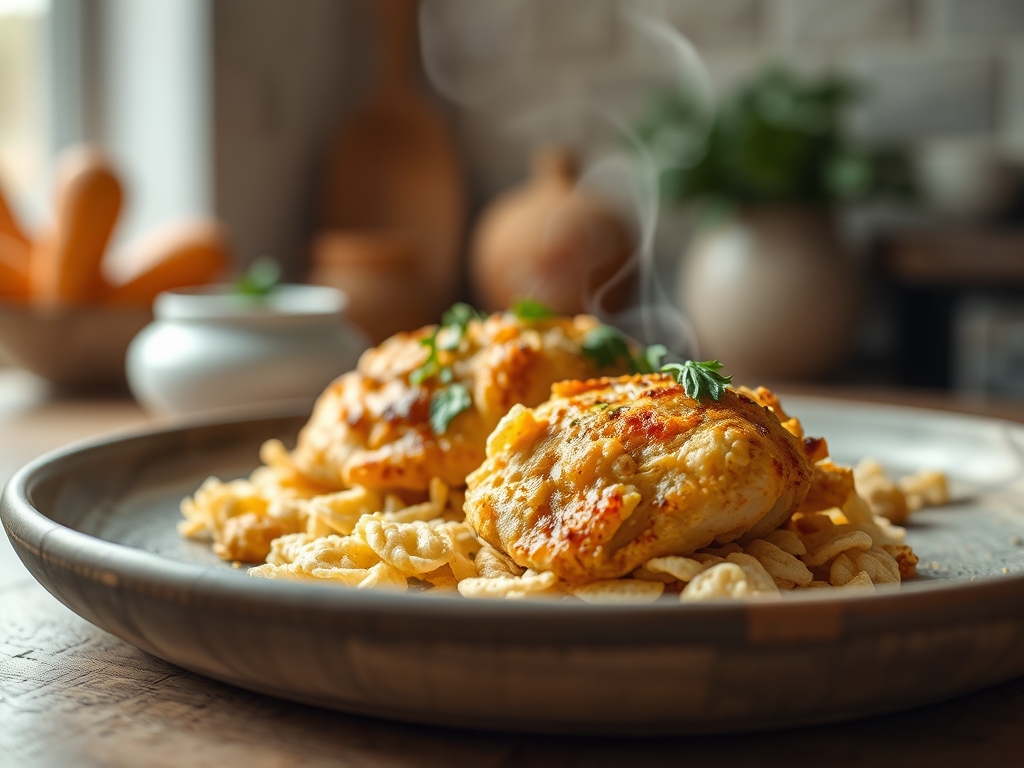
Listen closely because that sound you hear is the architectural snap of the perfect crust. We are moving far beyond the soggy, uninspired breading of the past to embrace the superior structural integrity of corn flakes chicken recipes. Imagine a golden, jagged landscape of toasted maize shielding a pocket of pressurized steam and molten poultry juices. This is not just dinner; it is a masterclass in texture and thermal management that will ruin basic breadcrumbs for you forever.
When we talk about corn flakes chicken recipes, we are really talking about the science of surface area. Unlike flour, which creates a dense and often gummy barrier, crushed cereal provides a topographical map of peaks and valleys. These gaps allow moisture to escape as steam while the oil or hot air circulates into the crevices, creating a multidimensional crunch. The result is a piquant, savory experience that remains shatteringly crisp long after it leaves the heat. We are going to harness the power of the Maillard reaction to transform humble pantry staples into a high-end culinary event.
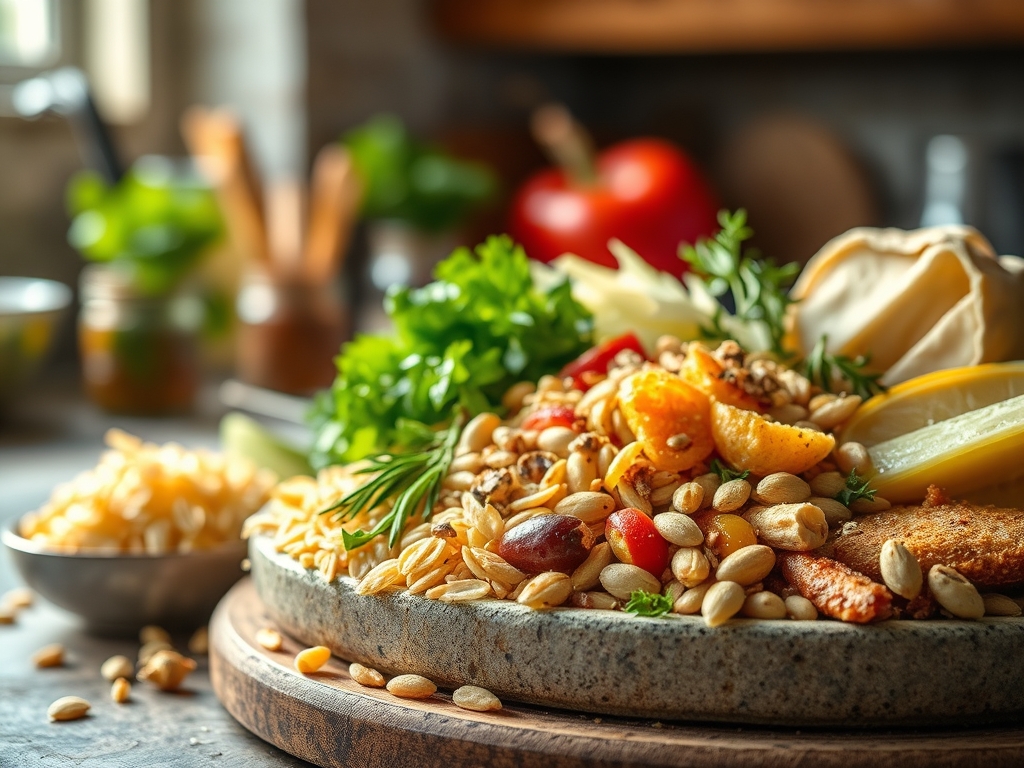
The Gathers:
Before we ignite the burners, we must organize our mise-en-place with the precision of a laboratory. Your primary substrate is the chicken. Whether you choose the lean, fibrous texture of the breast or the succulent, fat-rich thigh, ensure the protein is at room temperature to prevent thermal shock. For the coating, you need plain, unsweetened corn flakes. We will avoid the pre-crushed variety to maintain control over the particle size.
The binding agent is critical. You will need a viscous liquid to act as the "glue." A mixture of buttermilk and a splash of hot sauce provides the acidity needed to denature the proteins, ensuring the meat stays tender. Use a digital scale to measure your dry ingredients; precision is the difference between a seasoned masterpiece and a salt bomb. You will also need a high-smoke-point oil if you are pan-frying, such as avocado or grapeseed oil, to ensure the lipids do not break down and turn acrid.
Smart Substitutions: If you are navigating a gluten-free lifestyle, ensure your cereal is certified GF, as some brands use malt flavoring derived from barley. For a dairy-free binder, a mixture of aquafaba and Dijon mustard creates a surprisingly robust emulsion. If you lack a traditional rolling pin to crush the flakes, a heavy saucier or the bottom of a cast-iron skillet works beautifully to achieve that varied, jagged texture we crave.
The Clock: Timing the Perfect Crunch
Efficiency in the kitchen is all about the "Chef's Flow." You are looking at 15 minutes of active preparation and 20 to 25 minutes of thermal processing. The secret to a seamless experience is the assembly line. Arrange your stations from left to right: seasoned flour, viscous binder, and finally, the crushed cereal.
By the time your heavy-bottomed skillet or oven reaches the target temperature, your first batch should be fully hydrated and ready for the heat. Remember that chicken breasts require a shorter, more intense heat cycle to prevent desiccation, while thighs benefit from a slightly longer duration to allow the connective tissues to gelatinize and soften.
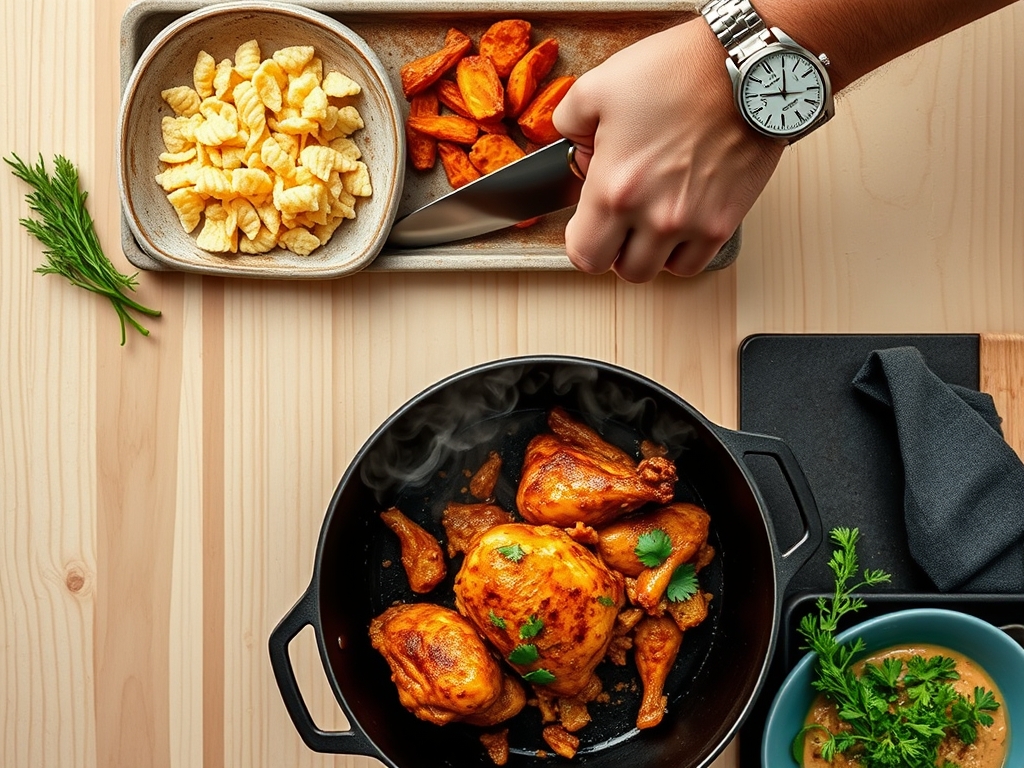
The Masterclass:
1. The Particle Reduction
Place your corn flakes in a large freezer bag and use a bench scraper or rolling pin to crush them. You want a mix of fine powder and pea-sized shards.
Pro Tip: This variation in particle size is essential for "interlocking" the crust. The fine dust fills the small gaps while the larger shards create the structural "crunch" peaks.
2. The Standard Breading Procedure
Dredge the chicken in seasoned flour, dip into the buttermilk wash, and then press firmly into the corn flake mixture. Use your palms to anchor the flakes into the meat.
Pro Tip: This creates a protein-starch bond. The flour absorbs the initial moisture, preventing the "slip-off" effect where the entire crust slides off the chicken after the first bite.
3. The Setting Phase
Place the breaded chicken on a wire rack for five minutes before cooking. This allows the starches to hydrate and the proteins to "set" the coating in place.
Pro Tip: This brief rest prevents the coating from falling off in the pan. It is a molecular "curing" process that ensures the crust stays attached during the turbulent bubbling of hot oil.
4. The Thermal Application
Whether baking at 400 degrees Fahrenheit or pan-frying, ensure you do not crowd the vessel. Use tongs to flip the pieces gently halfway through the process.
Pro Tip: Overcrowding drops the temperature of the cooking surface instantly. This leads to oil absorption rather than searing, resulting in a greasy, soggy coating instead of a crisp one.
5. The Internal Calibration
Use a digital thermometer to pull the chicken when it hits 160 degrees Fahrenheit. The temperature will continue to rise during the rest.
Pro Tip: This accounts for "thermal carryover." The exterior heat continues to migrate toward the center even after the chicken is removed from the heat source, preventing overcooking.
6. The Final Aeration
Always rest your finished chicken on a wire cooling rack, never on a flat plate or paper towel.
Pro Tip: Air must circulate under the chicken. If it sits on a flat surface, the trapped steam will re-hydrate the bottom crust, destroying the crispness you worked so hard to achieve.
The Deep Dive:
From a macro perspective, corn flakes chicken recipes are surprisingly efficient. By using the cereal as a high-impact crust, you can often use less total breading than traditional flour-heavy recipes. A standard serving provides high protein density with a moderate carbohydrate load. For those on a Keto path, you can swap the corn flakes for crushed pork rinds to maintain the same structural integrity without the starch.
The Fix-It: Common Pitfalls
- The Soggy Bottom: This happens when steam is trapped. Fix it by using a wire rack during both the baking and the cooling phases.
- The Burned Crust: Corn flakes have a high sugar content compared to flour. If the crust is browning too fast, tent the chicken with foil and lower the heat by 25 degrees.
- The Flavorless Bite: If the chicken tastes flat, you likely forgot to season the flour layer. Salt must be present in every layer of the breading to penetrate the protein.
Meal Prep and Reheating:
To maintain "day-one" quality, never use a microwave. The microwave agitates water molecules, which turns your crisp crust into a damp sponge. Instead, use an air fryer at 350 degrees for 4 minutes or a toaster oven. This re-activates the fats in the crust, essentially "re-frying" the exterior while keeping the interior moist.
The Wrap-Up:
You are now armed with the technical prowess to dominate the world of corn flakes chicken recipes. We have moved past the guesswork and into the realm of precision cooking. By understanding the relationship between particle size, hydration, and thermal carryover, you can produce a chicken dish that is both a visual masterpiece and a textural triumph. Go forth, grab your microplane for a final dusting of zest or parmesan, and show that kitchen who is boss.
The Kitchen Table:
Why is my corn flake crust falling off?
The crust usually falls off because the chicken was too wet or you skipped the flour dredge. The flour creates a dry surface for the binder to cling to, while a five-minute rest helps the "glue" set before cooking.
Can I make corn flakes chicken in an air fryer?
Yes, the air fryer is excellent for this. The high-velocity hot air mimics deep frying by rapidly removing moisture from the flakes. Lightly spray the coated chicken with oil to help the heat transfer and enhance the golden color.
What is the best way to crush the flakes?
Use a rolling pin and a sealed bag for a mess-free experience. Aim for a "heterogeneous" mixture; you want some fine dust to act as a filler and some larger pieces to provide that signature jagged, extra-crispy crunch.
Is it better to use chicken breasts or thighs?
Thighs are more forgiving due to their higher fat content and will remain juicy even if slightly overcooked. Breasts offer a cleaner flavor profile but require precise temperature monitoring to ensure they do not become dry and stringy during the bake.