
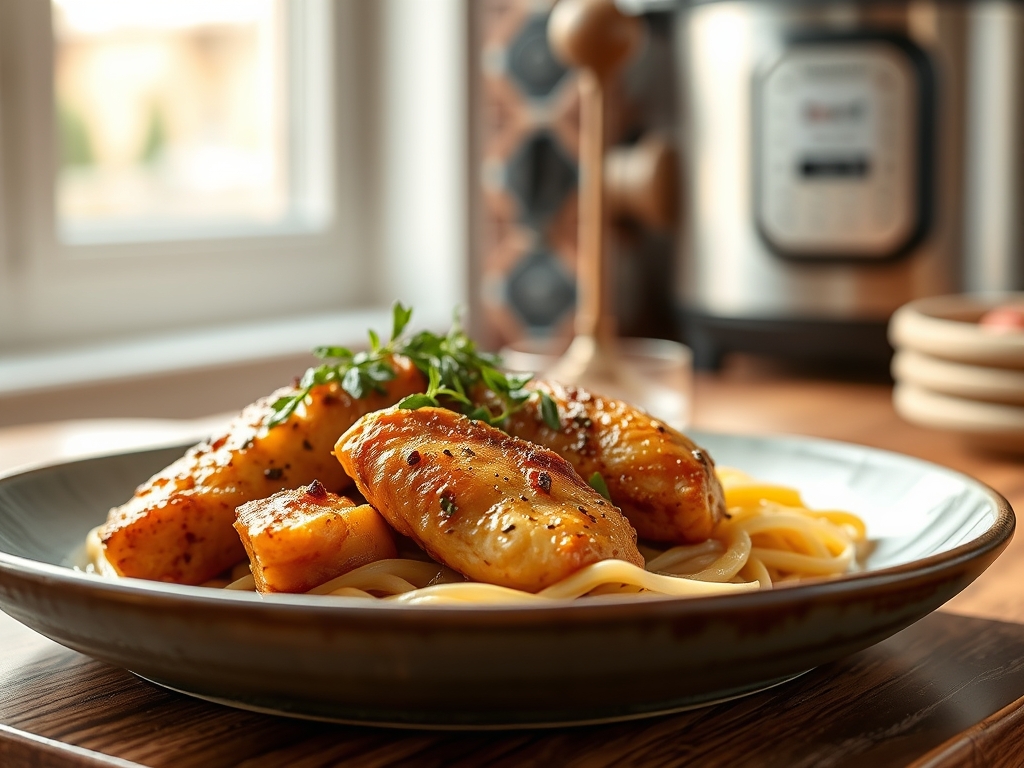
Imagine the frantic Tuesday evening when the ice-cold realization hits: you forgot to defrost the protein. Your kitchen counter is a desert of forgotten intentions, but your pressure cooker is the oasis. Mastering instant pot frozen chicken recipes is not just about convenience; it is a tactical maneuver in culinary physics. We are bypassing the traditional thawing phase entirely, using high-pressure steam to force moisture into the muscle fibers of the meat. This ensures a succulent result that defies the logic of a frozen solid starting point. By understanding the thermodynamics of your pot, you can transform a rock-hard breast or thigh into a tender, shreddable masterpiece in under thirty minutes. It is time to stop fearing the freezer and start leveraging the power of saturated steam to create meals that taste like they took hours of meticulous preparation.
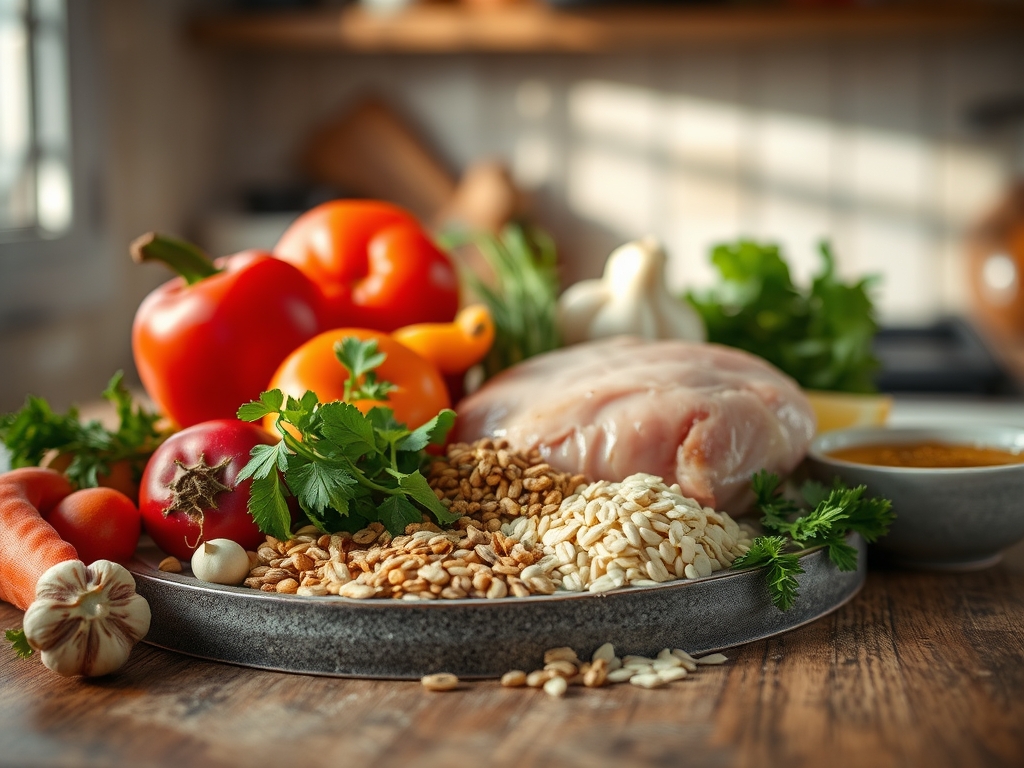
The Gathers:
To execute these hacks, your mise-en-place must be precise. Start with five pounds of frozen chicken breasts or thighs; ensure they are individually frozen rather than one solid block to allow for even steam circulation. You will need a viscous liquid base to prevent the dreaded burn notice. I recommend a high-quality bone broth for its gelatinous mouthfeel or a piquant salsa for instant acidity.
Gather your aromatics: fresh garlic to be crushed with a bench scraper, ginger to be grated with a microplane, and whole peppercorns to be toasted. For fat, keep a high-smoke-point oil or clarified butter nearby to render out any remaining moisture if you choose to sear post-pressure.
Smart Substitutions: If you lack chicken stock, a splash of dry white wine mixed with water provides the necessary acidity to break down connective tissue. No fresh aromatics? Use high-potency freeze-dried herbs, which rehydrate beautifully under pressure. If you are aiming for a creamy finish, swap heavy cream for full-fat coconut milk to maintain that velvety emulsion without the risk of curdling under high heat.
The Clock: Timing the Pressure
The "Chef's Flow" is about overlapping tasks to maximize efficiency. While the pot reaches pressure, which typically takes ten to twelve minutes depending on the volume of frozen mass, you should be prepping your finishing garnishes or side dishes.
The active cook time for frozen chicken is usually ten to twelve minutes at high pressure. However, the secret lies in the five-minute natural release. This allows the internal temperature to stabilize, preventing the muscle fibers from seizing and pushing out all the juice. Total elapsed time from freezer to table is roughly thirty-five minutes. Use a digital scale to ensure your chicken portions are uniform; consistency in weight equals consistency in doneness.
The Masterclass: 9 Hacks for Perfection
1. The Liquid Ratio Rule
Always use at least one cup of thin liquid. The sensor in your pot requires steam to build pressure; without enough water-based liquid, the pot will overheat.
Pro Tip: This is about latent heat of vaporization. The steam carries more energy than boiling water, allowing it to penetrate the frozen core of the meat faster than any other method.
2. The Trivet Technique
Elevate your chicken on the metal trivet to prevent the bottom from becoming soggy. This allows steam to circulate 360 degrees around the protein.
Pro Tip: By lifting the meat, you avoid direct contact with the heating element, preventing localized overcooking and ensuring the texture remains uniform from top to bottom.
3. Layering Aromatics
Place your hard aromatics like onions and carrots at the bottom and the chicken on top. This infuses the steam with flavor before it hits the meat.
Pro Tip: This creates a flavor chimney effect. As the liquid boils, the volatile aromatic compounds are carried upward by the steam, deeply seasoning the chicken as it thaws.
4. The Deglaze Maneuver
If you have any browned bits from a previous sauté, use a saucier or the pot itself to deglaze with a splash of liquid before adding the frozen meat.
Pro Tip: This incorporates the Maillard reaction products back into your sauce, adding a complex, savory depth that frozen meat often lacks.
5. The Quick Shred
Once cooked, transfer the chicken to a bowl and use a hand mixer or two forks to shred it instantly while it is still piping hot.
Pro Tip: Shredding while hot utilizes the residual thermal energy to break down softened collagen, making the process effortless before the proteins begin to firm up again.
6. Acidic Balance
Add a tablespoon of apple cider vinegar or lemon juice to your cooking liquid. The acidity helps to further tenderize the outer layers of the frozen meat.
Pro Tip: Acidity acts as a chemical tenderizer by denaturing the surface proteins, allowing moisture to penetrate deeper into the myofibrillar structure.
7. The Fat Cap
Add a pat of butter or a tablespoon of oil on top of the frozen breasts before sealing. As it melts, it coats the meat, preventing it from drying out in the steam.
Pro Tip: This creates a temporary lipid barrier, slowing down the evaporation of internal juices during the high-pressure cycle.
8. Spacing for Success
Never stack frozen breasts directly on top of each other like a deck of cards. Stagger them or stand them on their sides to increase surface area.
Pro Tip: Maximizing exposed surface area ensures that the steam can reach every inch of the frozen meat simultaneously, preventing a "cold core" in the center of the stack.
9. The Finishing Sear
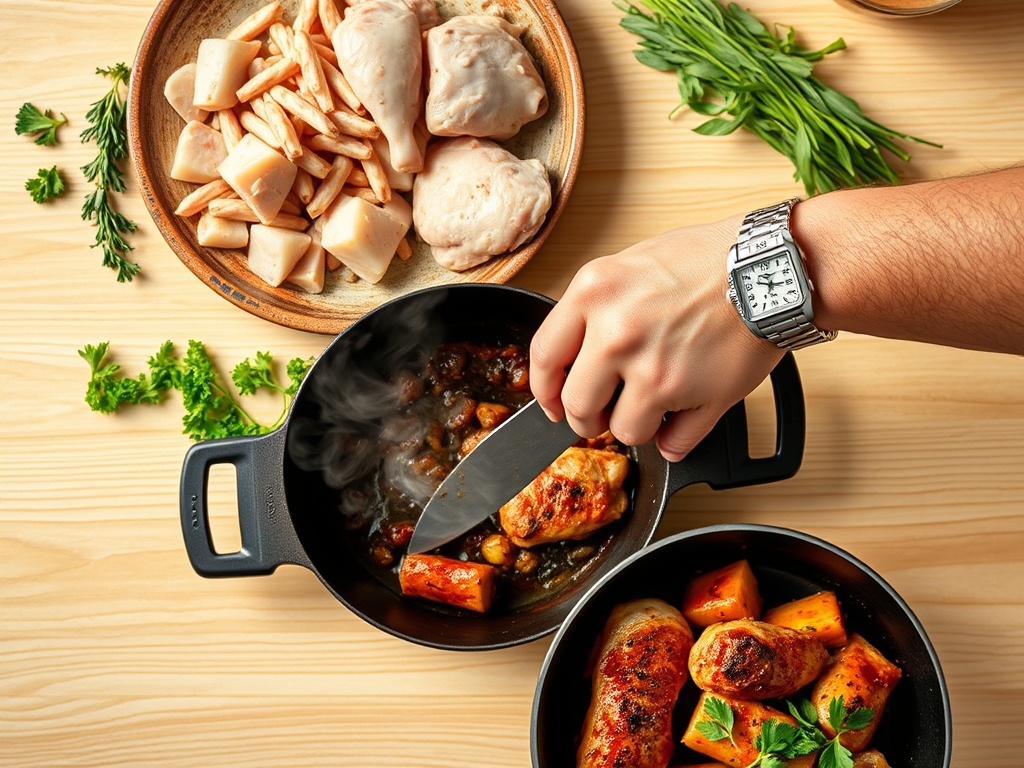
For a professional look, take the cooked chicken out with tongs and give it a thirty-second sear in a heavy-bottomed skillet.
Pro Tip: This induces a secondary Maillard reaction, providing the golden-brown color and crispy texture that pressure cooking alone cannot achieve.
The Deep Dive: Science and Solutions
Macro Nutrition: A standard 4-ounce serving of chicken prepared this way contains approximately 26g of protein and 3g of fat. Because we are using steam, we retain more water-soluble vitamins like B6 and B12 compared to boiling.
Dietary Swaps: For a Keto version, replace all sugars in sauces with monk fruit sweetener. For a Vegan "chicken" alternative using frozen soy curls, reduce the pressure time to five minutes to avoid a mushy texture. All these methods are naturally Gluten-Free if you use tamari instead of soy sauce.
The Fix-It:
- The Burn Notice: Add more thin liquid and ensure no thick sauces are touching the bottom. Use the "pot-in-pot" method for thick curries.
- Rubbery Texture: You likely skipped the natural release. The sudden pressure drop causes cells to rupture. Always wait five minutes.
- Bland Meat: You didn't season the liquid enough. Remember, the liquid is your flavor delivery vehicle. Double the salt and spices.
Meal Prep Science: To maintain "day-one" quality, store the chicken in its own cooking liquid. This prevents oxidation and keeps the fibers hydrated. When reheating, use a damp paper towel to aerate the steam in the microwave, or better yet, reheat in a small saucepan with a splash of broth.
The Wrap-Up
Transitioning from frozen to fabulous is a superpower every modern cook should possess. By mastering these instant pot frozen chicken recipes, you are not just saving time; you are applying thermodynamic principles to elevate your home cooking. Use your tongs with confidence, trust the deglaze, and never underestimate the power of a five-minute natural release. Your weeknights just got a whole lot more delicious.
The Kitchen Table
Can I cook a whole frozen chicken in the Instant Pot?
Yes, but it requires more time. A 4-pound frozen bird needs about 60 minutes of high pressure followed by a full natural release. Ensure the cavity is empty before freezing for the best results and even cooking.
Why is my frozen chicken still pink inside?
Pinkness near the bone is common in young chickens and is safe if the internal temperature reaches 165 degrees Fahrenheit. Always verify with a digital meat thermometer inserted into the thickest part of the breast to ensure food safety.
Do I need to increase the water for frozen chicken?
No, the standard one cup of liquid is sufficient. Frozen chicken actually releases more moisture as it thaws and cooks, so you may end up with more liquid in the pot than when you started.
Can I put frozen chicken and rice together?
It is risky. Frozen chicken takes longer to cook than rice, which often results in mushy grains. For best results, cook the chicken first, remove it, and then use the flavored liquid to cook your rice separately.