
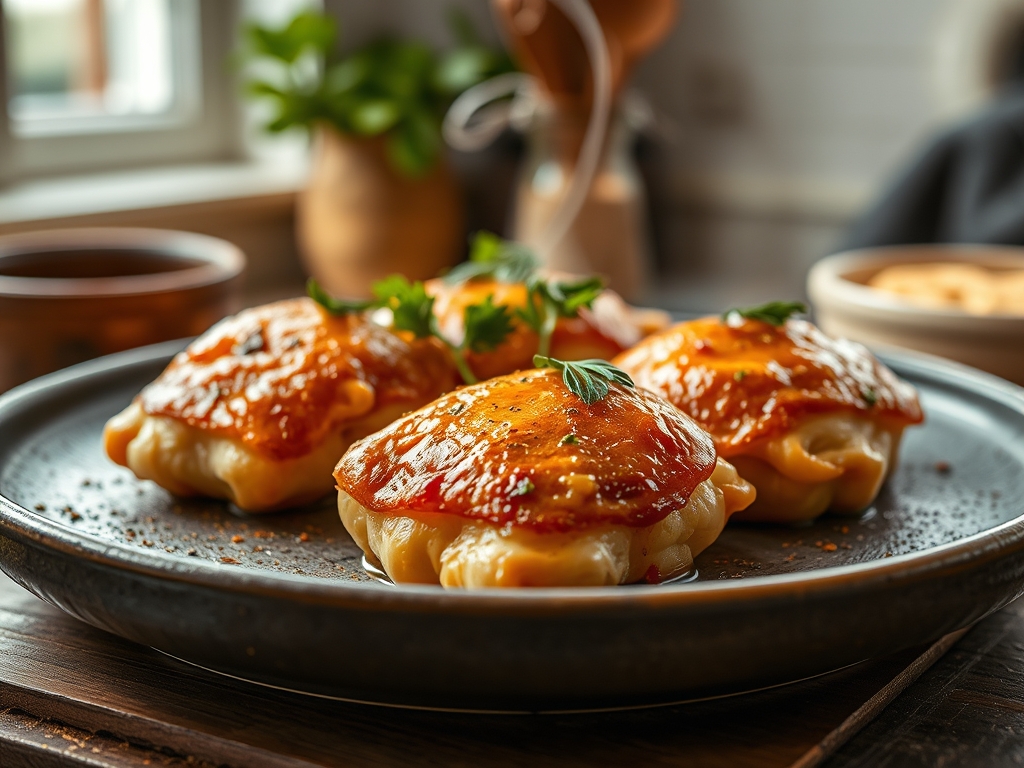
Imagine the sound of a thousand microscopic glass shards shattering simultaneously; that is the first bite of a perfectly laminated dough. When you explore puff pastry chicken recipes, you are not just making dinner; you are orchestrating a structural masterpiece of steam and fat. The buttery layers shatter to reveal succulent, savory poultry, creating a contrast that is fundamentally addictive to the human palate.
The magic lies in the physics of the dough. As the oven heat hits those cold layers of butter, the water content evaporates instantly. This creates steam that forces the flour layers apart, expanding the pastry to nearly ten times its original height. Whether you are crafting elegant bundles for a gala or a cozy weeknight "hand pie," mastering this medium elevates your kitchen status from home cook to culinary architect. We are going to dive into seven sophisticated variations, from creamy tarragon parcels to spicy harissa-infused bites, ensuring your puff pastry chicken recipes are the talk of the table.
The Gathers:
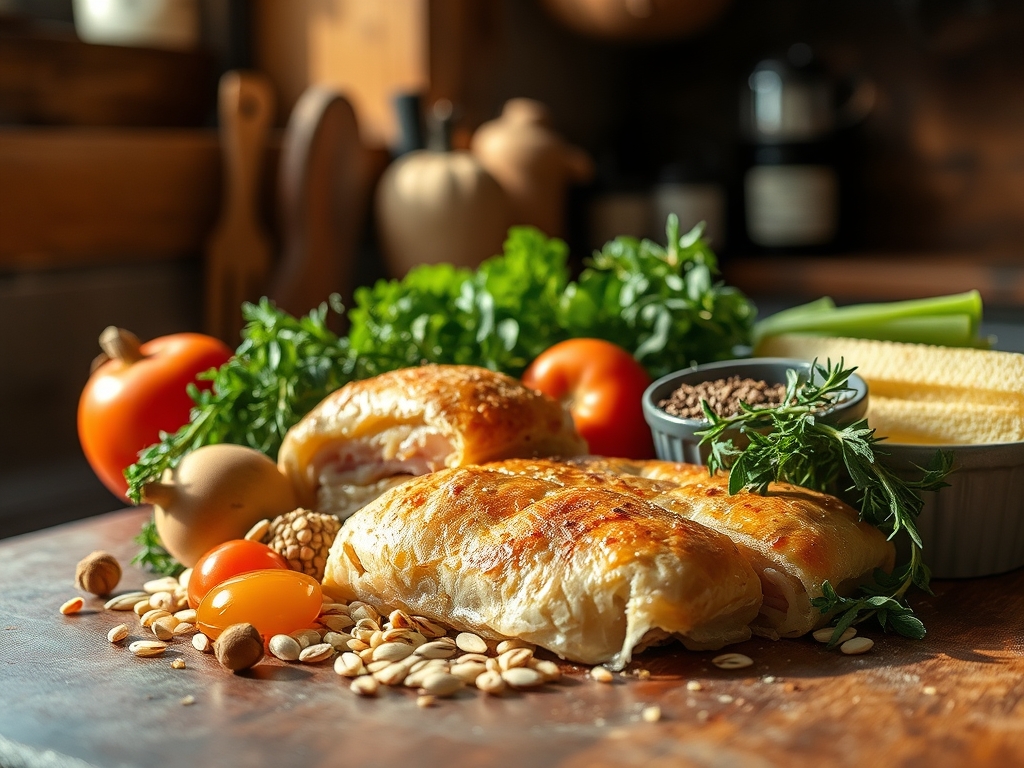
To begin, organize your mise-en-place with surgical precision. You will need high-quality store-bought puff pastry (look for "all-butter" on the label for superior flavor) or your own homemade rough puff. For the protein, use poached chicken breast or thighs; the latter offers a higher fat content which remains moist during the high-heat bake.
Your aromatic base should include finely minced shallots and garlic, processed with a sharp microplane to ensure they melt into the sauce. You will also need a viscous binding agent, such as a heavy cream reduction or a thick béchamel, to prevent the pastry from becoming soggy. Fresh herbs like chervil, tarragon, or chives provide a piquant finish that cuts through the richness of the butter.
Smart Substitutions: If you are out of heavy cream, a full-fat Greek yogurt adds a lovely tang, though you must fold it in off the heat to prevent curdling. For a leaner profile, swap the chicken for smoked turkey breast. If you want to add an earthy depth, incorporate reconstituted dried porcini mushrooms; the soaking liquid can be used to deglaze your pan for an extra punch of umami.
The Clock
Efficiency in the kitchen is about "Chef's Flow," which is the art of overlapping tasks to minimize downtime. Expect a total active prep time of 30 minutes, with a bake time of 20 to 25 minutes depending on the size of your treats.
Start by preparing your filling first. It must be completely chilled before it touches the dough. If you place warm filling on raw puff pastry, the butter will melt prematurely, ruining your lamination. While the filling chills in the freezer for a quick 10-minute blast, you can prep your egg wash and roll out your dough. This synchronization ensures that when the oven reaches its target temperature, your parcels are cold, structural, and ready for the thermal shock that creates that iconic rise.
The Masterclass
1. Sauté and Deglaze
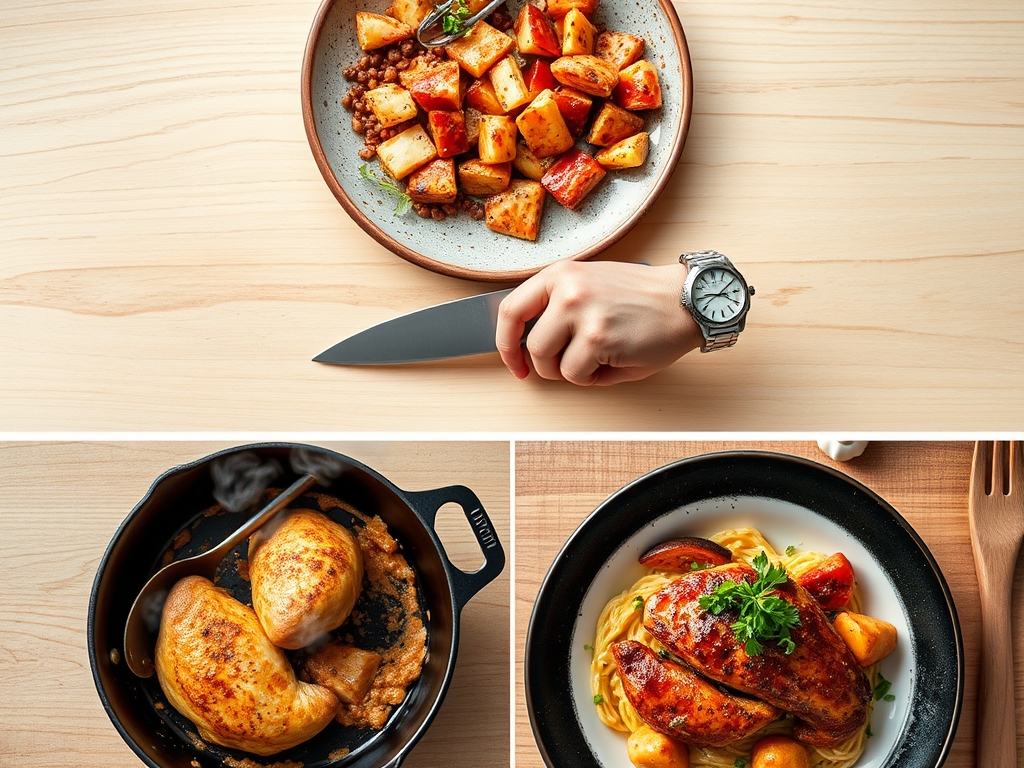
In a heavy-bottomed skillet, sauté your aromatics in butter until translucent. Add your diced chicken and any vegetables. Use a splash of dry white wine to deglaze the pan, scraping up the browned bits (the fond) which contain concentrated flavor.
Pro Tip: This process utilizes the Maillard reaction, a chemical reaction between amino acids and reducing sugars that gives browned food its distinctive flavor.
2. Create the Binding Sauce
Lower the heat and stir in your thickening agent. Use a saucier if you are making a large batch of sauce separately to ensure even heat distribution. The consistency should be thick enough to coat the back of a spoon without running.
Pro Tip: Achieving the right viscosity is crucial; too thin and the steam will blow out the sides of your pastry; too thick and the mouthfeel becomes chalky.
3. The Chill Factor
Spread the filling onto a flat tray to increase the surface area and cool it rapidly. It must be below 40 degrees Fahrenheit before assembly.
Pro Tip: This prevents the "melting point" of the butter in the pastry from being reached too early, preserving the integrity of the laminae (the layers).
4. Rolling and Cutting
Use a bench scraper to handle the dough and a digital scale to ensure each portion of filling is identical. Roll the pastry on a lightly floured surface to a 1/8-inch thickness.
Pro Tip: Avoid over-working the dough; excessive handling develops gluten, which leads to a tough, bready texture rather than a flaky one.
5. The Egg Wash Seal
Brush the edges with a beaten egg mixed with a teaspoon of water. This acts as a protein-based "glue." Place the filling in the center and fold, pressing the edges with a fork to crimp.
Pro Tip: The proteins in the egg wash undergo enzymatic browning, providing that professional, golden-brown sheen.
6. The Venting Score
Use a sharp paring knife to cut two small slits in the top of each parcel. This allows steam to escape during the bake.
Pro Tip: Without venting, the internal pressure from the steam will cause the pastry to burst at its weakest point, usually the side seams.
7. The High-Heat Bake
Slide your tray into a preheated oven at 400 degrees Fahrenheit. Bake until the pastry is deeply bronzed and has fully puffed.
Pro Tip: This is "thermal carryover" in action; the internal temperature will continue to rise by about 5 degrees after you remove it from the oven.
The Deep Dive
Nutritionally, these treats are indulgent. A single parcel typically contains 350-450 calories, with a significant portion coming from fats and carbohydrates. To balance the plate, serve them with a bright, acidic arugula salad.
Dietary Swaps: For a gluten-free version, look for specialized GF puff pastry brands that use rice flour and xanthan gum to mimic the stretch of gluten. For a vegan twist, use a "water crust" or a vegan-certified puff pastry made with vegetable shortening, and swap the chicken for seasoned oyster mushrooms.
The Fix-It:
- Soggy Bottoms: This usually happens if the oven floor heat is too low. Fix this by baking on a preheated pizza stone or in the lower third of the oven.
- Leaking Filling: This is caused by overfilling or poor sealing. Use less filling and ensure no moisture touches the "glue" area before sealing.
- No Rise: Your dough was likely too warm. If the butter melts into the flour before it hits the oven, it becomes a standard pie crust. Keep everything ice-cold.
Meal Prep: To maintain "day-one" quality, never microwave puff pastry. The microwave agitates water molecules, making the fat greasy and the flour chewy. Instead, reheat in a 350-degree oven for 8 minutes to re-crisp the layers.
The Wrap-Up
Mastering puff pastry chicken recipes is like learning a secret handshake in the culinary world. It shows you understand the delicate balance of temperature, moisture, and timing. Once you have the base technique down, you can experiment with global flavors like curry powders, pesto, or even buffalo sauce. These parcels are the ultimate "impress your friends" dish because they look incredibly difficult but rely entirely on the science of the ingredients.
The Kitchen Table
Can I freeze unbaked chicken puff pastry parcels?
Yes. Assemble them completely, then freeze on a parchment-lined tray before transferring to a bag. Bake directly from frozen, adding 5 to 10 minutes to the total bake time for a perfect, flaky result every time.
Why is my puff pastry not rising?
The most common culprit is warm dough. If the butter layers melt into the flour before reaching the oven, the steam cannot separate the layers. Always keep your dough chilled and ensure your oven is fully preheated to 400F.
How do I prevent the bottom from getting soggy?
Ensure your chicken filling is thick and completely cold before filling. Additionally, baking on a dark metal sheet or a preheated baking stone helps transfer heat quickly to the bottom crust, sealing it before moisture can soak in.
What is the best way to reheat leftovers?
Avoid the microwave at all costs. Reheat your puff pastry chicken treats in an oven or air fryer at 350F for about 8 minutes. This evaporates any absorbed moisture and reactivates the fats to restore the original crunch.