
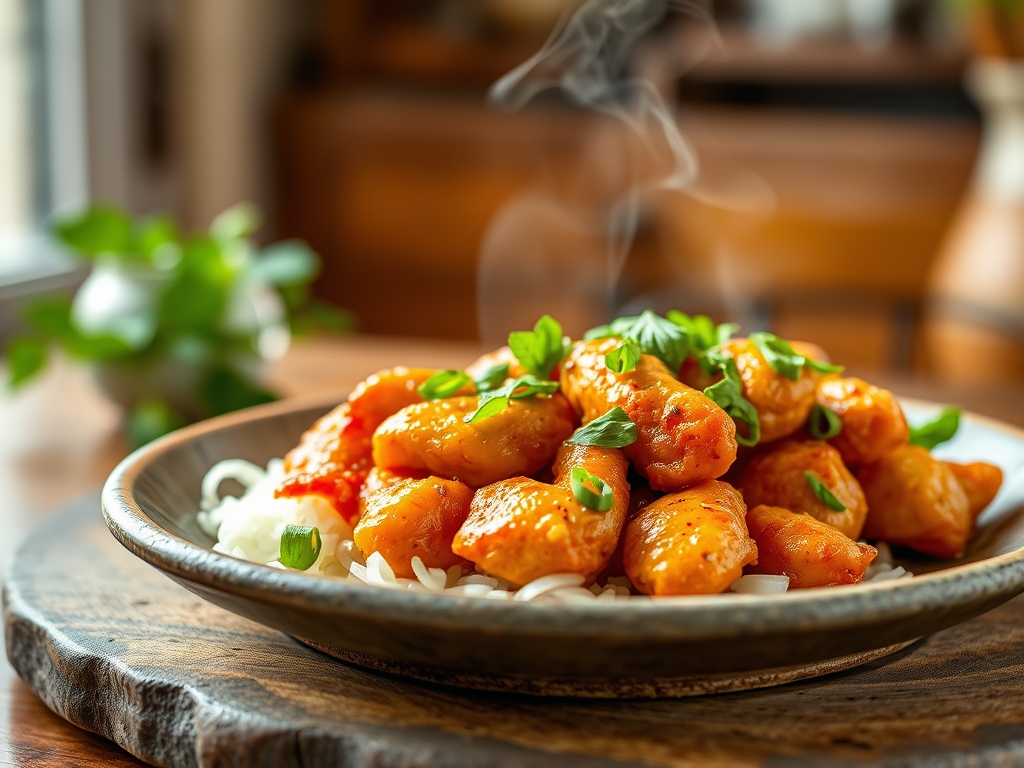
Imagine the scent of ginger hitting hot oil; it is a sharp, sulfurous bloom that signals the start of something legendary. When you crave that perfect balance of salt, heat, and tang, nothing competes with authentic manchurian chicken recipes. This dish is the crown jewel of Indo-Chinese fusion, where deep-fried chicken meets a glossy, piquant sauce that clings to every crevice. We are talking about a texture that stays crispy even under a blanket of gravy, achieved through a specific double-fry technique that creates a structural crust.
The magic of manchurian chicken recipes lies in the contrast. You have the soft, succulent interior of the thigh meat protected by a starch-heavy batter, all tossed in a sauce that hits every taste bud simultaneously. It is not just dinner; it is a masterclass in flavor layering. We are going to dive deep into the chemistry of the sear and the physics of the perfect cornstarch slurry to ensure your kitchen smells like a high-end bistro tonight. Grab your apron, because we are about to elevate this takeout classic into a culinary art form that will leave your friends begging for the secret.
The Gathers:
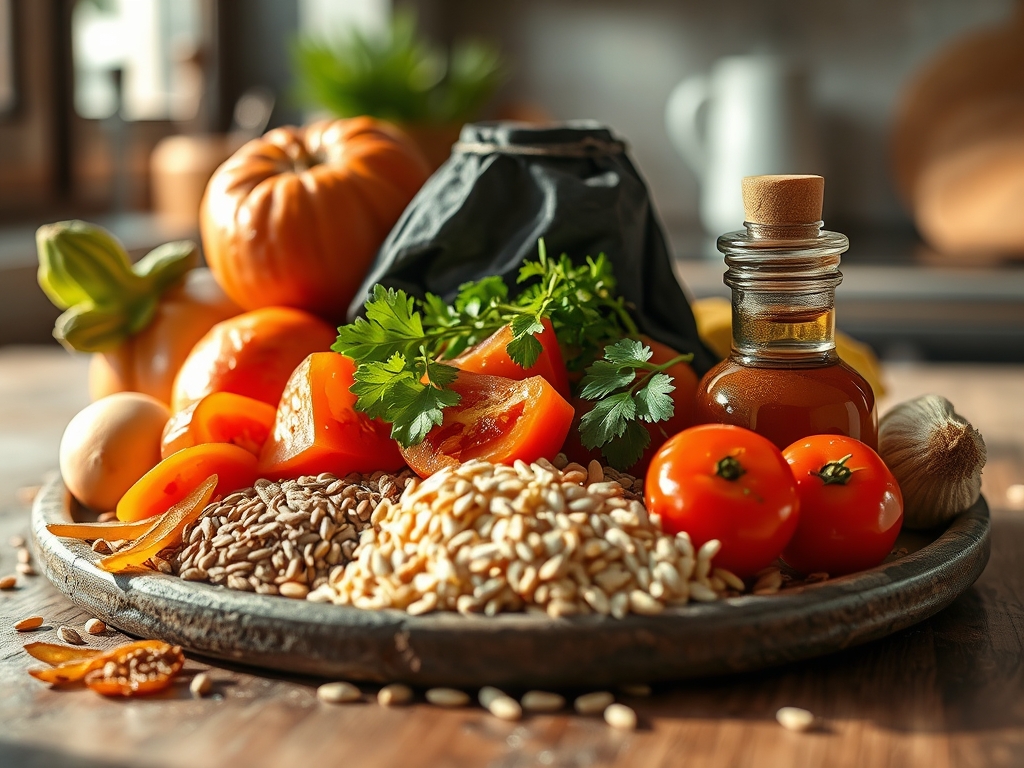
To master manchurian chicken recipes, your mise-en-place must be surgical. You will need 500 grams of boneless chicken thighs, which offer more fat and flavor than breasts. Use a digital scale to ensure precision. For the marinade, gather dark soy sauce for umami, ginger-garlic paste for aromatics, and a single egg white to act as a protein binder. The coating requires a 2:1 ratio of cornstarch to all-purpose flour; this specific blend ensures a shatter-crisp exterior that resists moisture.
Your aromatics are the soul of the sauce. Finely mince green chilies, red onions, and celery using a sharp chef's knife. For the liquid base, you need rice vinegar for acidity, ketchup for sugar and body, and a splash of chili oil to infuse heat. Smart Substitutions: If you are dodging gluten, swap the soy sauce for liquid aminos and use arrowroot powder instead of cornstarch. If you lack fresh ginger, a microplane-grated frozen ginger root works beautifully to release those volatile oils without the fibrous texture.
The Clock
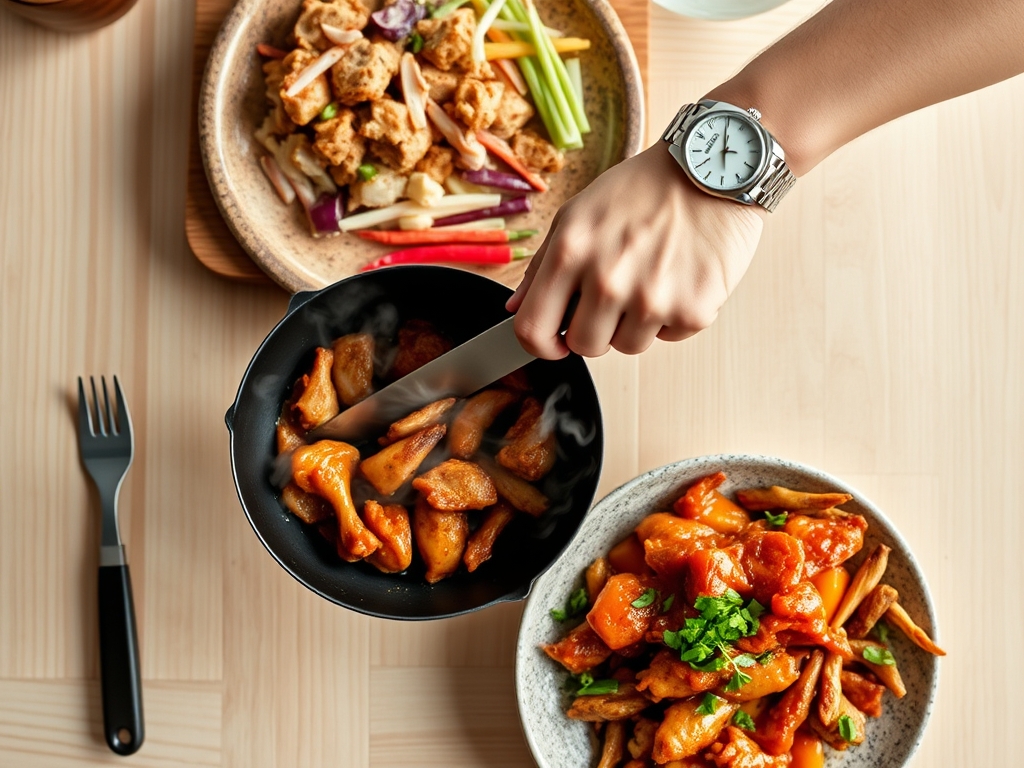
Preparation for manchurian chicken recipes takes approximately 20 minutes, mostly dedicated to the precision chopping of your aromatics. The cooking phase is a rapid 15-minute sprint. This is known as "Chef's Flow," where the sequence of operations is vital. You cannot be chopping garlic while the chicken is already in the heavy-bottomed skillet. Marinate the chicken first to allow the enzymes to tenderize the meat for at least 30 minutes. Once the oil reaches 350 degrees Fahrenheit, the actual frying takes only 5 to 7 minutes. The final tossing of the sauce is a high-heat flash that happens in under 180 seconds to prevent the crust from becoming soggy.
The Masterclass
1. The Protein Prep
Dice your chicken into uniform 1-inch cubes. This ensures an even cook time across the entire batch. Toss them with soy sauce, pepper, and the egg white. Pro Tip: The egg white creates a thin protein film that helps the starch adhere better; this is a form of emulsification that prevents the coating from sliding off in the hot oil.
2. The Starch Coating
Dredge the marinated chicken in your flour and cornstarch mixture. Shake off any excess using a wire rack. Pro Tip: Allowing the coated chicken to rest for five minutes before frying allows the moisture to hydrate the starch. This prevents "dusty" spots and ensures the Maillard reaction occurs evenly across the surface.
3. The First Fry
Heat your oil in a saucier or deep pan. Fry the chicken in batches until it is a pale golden color. Pro Tip: This initial fry sets the structure and cooks the interior meat. Use tongs to keep the pieces separate, preventing them from clumping into a single mass of dough.
4. The Double-Fry Technique
Increase the heat until the oil is shimmering. Flash-fry the chicken a second time for 60 seconds until it is deep mahogany. Pro Tip: This second fry drives out residual moisture from the crust. It creates a viscous barrier that keeps the chicken crunchy even after it is submerged in the sauce.
5. Aromatics and Deglazing
In a separate pan, sauté your onions, garlic, and chilies until the onions are translucent. Pro Tip: Do not brown the garlic; you want to render the flavor into the oil without introducing the bitterness that comes from over-toasting the delicate cloves.
6. The Sauce Assembly
Add your liquid ingredients: soy sauce, vinegar, and chili paste. Bring to a simmer. Pro Tip: Simmering allows the flavors to infuse and the sugars in the ketchup to slightly caramelize, deepening the color and complexity of the final glaze.
7. The Slurry Bind
Whisk a teaspoon of cornstarch into cold water and pour it into the bubbling sauce. Pro Tip: This is a colloidal suspension. As the starch granules heat up, they swell and trap water, turning a thin liquid into a glossy, thick sauce that perfectly coats the back of a spoon.
8. The Final Toss
Turn the heat to maximum and throw in the fried chicken and chopped scallions. Toss rapidly for 30 seconds. Pro Tip: High heat at the end triggers a final burst of aromatic volatilization, ensuring the dish smells incredible the moment it hits the table.
The Deep Dive
From a macro perspective, a standard serving of manchurian chicken recipes contains roughly 350 calories, 25g of protein, and 15g of fat. To make this Keto-friendly, use almond flour for the breading and monk fruit sweetener in the sauce. For a Vegan version, cauliflower florets or extra-firm tofu are excellent structural substitutes for chicken.
The Fix-It: If your sauce is too salty, add a teaspoon of honey or brown sugar to balance the sodium. If the chicken is soggy, it likely means your oil temperature dropped too low; next time, use a digital thermometer to maintain 350 degrees. If the sauce is too thick, deglaze the pan with a tablespoon of chicken stock or water to loosen the consistency. For meal prep, store the chicken and sauce separately. Reheat the chicken in an air fryer at 400 degrees for 3 minutes to restore the crunch before tossing it with the warmed sauce.
The Wrap-Up
You are now equipped with the technical prowess to dominate manchurian chicken recipes. This dish is more than just a meal; it is a celebration of texture and bold, unapologetic flavor. By mastering the double-fry and the starch slurry, you have unlocked the secrets of professional kitchens. Go ahead and garnish with some fresh cilantro or toasted sesame seeds for that final aesthetic pop. Your kitchen is now the best Indo-Chinese spot in town. Enjoy every crunchy, spicy, savory bite!
The Kitchen Table
Why is my Manchurian chicken not crispy?
The oil temperature likely dropped during frying. Always fry in small batches and use a digital thermometer to ensure the oil stays at 350 degrees Fahrenheit. A second flash-fry is also essential to remove residual moisture from the crust.
Can I bake the chicken instead of frying?
Yes, you can bake the coated chicken at 425 degrees Fahrenheit for 20 minutes. However, the texture will be less "shatter-crisp" than the traditional fried version. Spray the chicken liberally with oil before baking to encourage browning.
What is the best substitute for cornstarch?
Arrowroot powder or potato starch are excellent 1:1 substitutes. They provide a similar glossy finish and crisp texture. Avoid using only all-purpose flour, as it will result in a bread-like coating rather than a thin, crispy shell.
How do I make the sauce extra glossy?
The secret to a professional gloss is the cornstarch slurry added at the very end. Ensure the sauce reaches a full boil after adding the slurry to fully activate the starches and create that signature restaurant-style sheen.
Is Manchurian chicken actually Chinese?
It is actually an Indo-Chinese fusion dish created in India. It combines Chinese cooking techniques, like wok-frying and starch thickening, with traditional Indian flavor profiles such as heavy garlic, ginger, and fresh green chilies for a unique, spicy kick.