
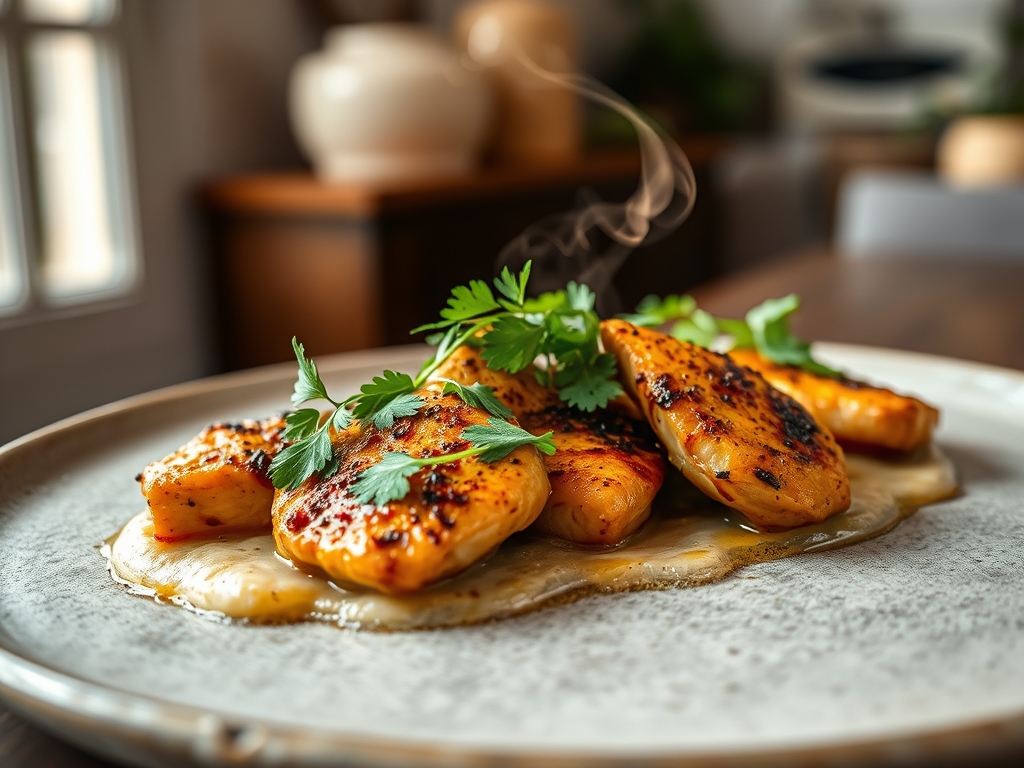
Imagine the sizzle of a heavy-bottomed skillet meeting cold fat as the scent of lime and herbaceous greens fills your kitchen. We are diving deep into the world of cilantro and chicken recipes today; specifically, how to turn a basic protein into a high-octane flavor bomb using nothing but smart chemistry and a few bunches of fresh herbs. Most people treat cilantro as a mere garnish, but we are going to treat it as a structural component of the dish.
The secret to mastering cilantro and chicken recipes lies in the contrast between the fatty, savory profile of the poultry and the volatile oils found in the cilantro leaves. When you hit that hot pan with a marinade of citrus and herbs, you are not just cooking; you are initiating a series of complex chemical reactions. We are talking about the Maillard reaction meeting aromatic infusion. It is the difference between a sad, gray chicken breast and a vibrant, zesty masterpiece that tastes like a five-star bistro meal. Grab your apron and your favorite chef's knife; we are about to elevate your weeknight dinner game from basic to brilliant with eight high-density flavor boosts that will change your culinary life.
The Gathers:
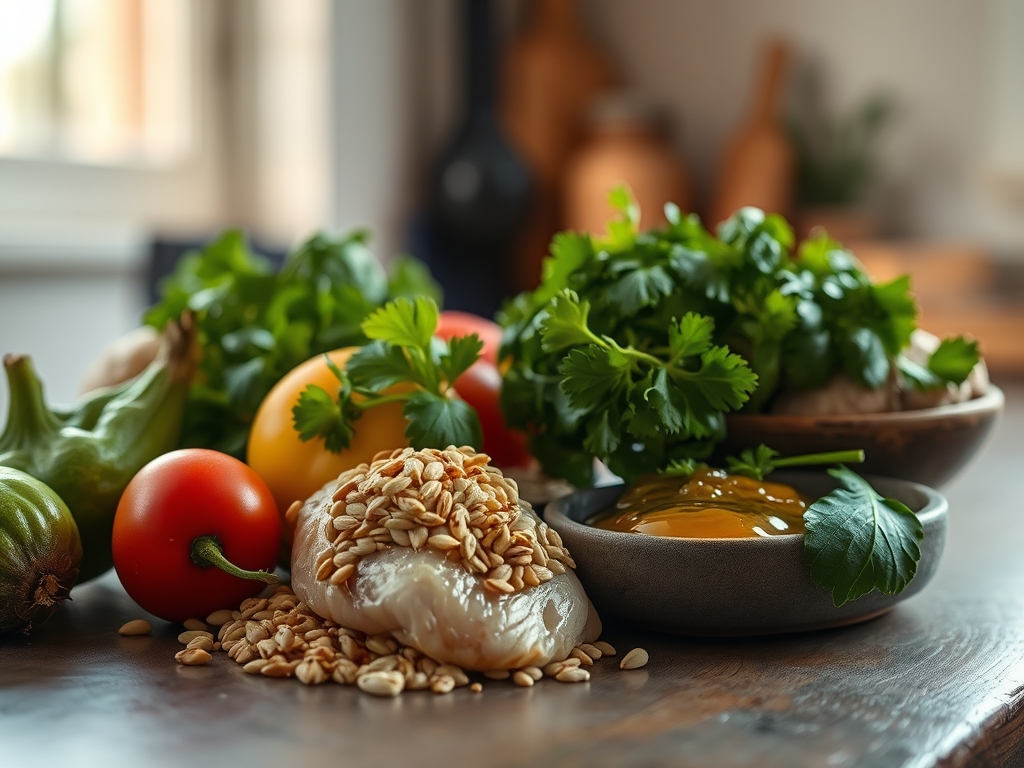
To execute these cilantro and chicken recipes with precision, your mise-en-place must be impeccable. We are looking for high-quality, organic chicken thighs or breasts; the thighs offer more intramuscular fat which helps carry the fat-soluble flavor compounds of the cilantro. You will need a massive pile of fresh cilantro. Look for vibrant, turgid leaves without any yellowing. The stems are actually more flavorful than the leaves because they contain a higher concentration of the essential oils, so do not toss them.
Your pantry staples should include a high-smoke-point oil like avocado or grapeseed oil; avoid extra virgin olive oil for the searing phase as its low smoke point will result in acrid, burnt notes. You will also need fresh garlic, kosher salt for its abrasive texture in pastes, and acidic components like lime juice or rice vinegar to brighten the viscous fats.
Smart Substitutions: If you are one of those unlucky souls who think cilantro tastes like soap due to the OR6A2 gene, you can substitute a 50/50 mix of flat-leaf parsley and fresh mint to mimic the brightness. If you lack a microplane for your garlic and zest, a fine grater works, but the microplane is superior for creating a paste that integrates seamlessly into your emulsions. For a dairy-free creamy boost, swap Greek yogurt for full-fat coconut milk or a silken tofu base.
The Clock
Efficiency in the kitchen is all about the Chef's Flow. For these cilantro and chicken recipes, your active prep time is approximately 15 minutes, while the cooking phase takes 12 to 20 minutes depending on the cut of meat. The "flow" involves prepping your aromatics while the chicken tempers on the counter. Never pull chicken straight from the fridge and drop it into a hot pan; the thermal shock causes the muscle fibers to contract violently, resulting in a tough texture.
Allow 30 minutes for marinating if you want the salt to penetrate the protein via osmosis. If you are in a rush, a 10-minute high-acid soak will suffice to flavor the surface. The total "door-to-table" time is roughly 45 minutes, making this the ultimate strategy for high-performance weeknight dining.
The Masterclass
1. The High-Heat Sear
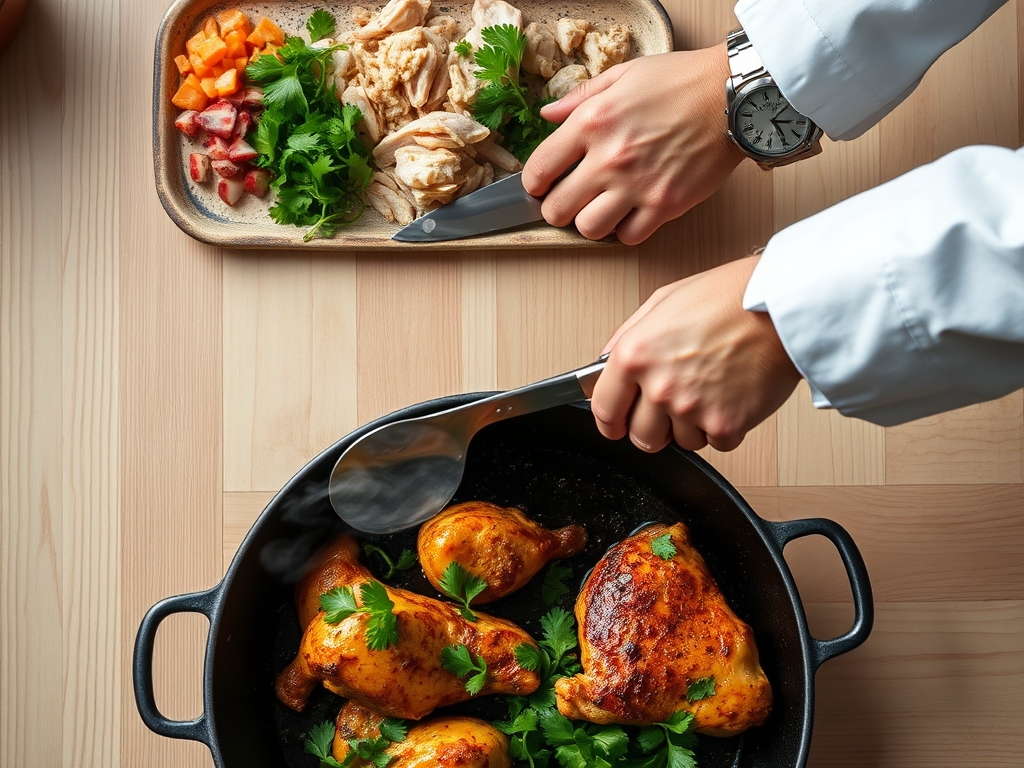
Pat your chicken bone-dry with paper towels before seasoning. Moisture is the enemy of the Maillard reaction. Use a digital scale to ensure even portions, then place the chicken in a preheated heavy-bottomed skillet.
Pro Tip: This technique relies on thermal conductivity. By removing surface moisture, you ensure the energy of the pan goes into browning the proteins rather than evaporating water. This creates the savory crust essential for flavor depth.
2. The Stem-First Infusion
Finely mince your cilantro stems and add them to the pan during the last three minutes of cooking. The stems are fibrous and can withstand the heat better than the delicate leaves.
Pro Tip: This is known as aromatic extraction. The heat breaks down the cellulose in the stems, releasing essential oils into the rendering chicken fat, which then coats the meat in a concentrated flavor layer.
3. Deglazing the Fond
Once the chicken is cooked, remove it and use a splash of lime juice or white wine to scrape up the brown bits (the fond) from the bottom of the pan.
Pro Tip: Deglazing is a chemical process where the acid dissolves the caramelized proteins. This creates a pan sauce that captures every ounce of flavor generated during the searing process.
4. The Emulsified Herb Oil
While the chicken rests, use a saucier or small blender to pulse fresh cilantro leaves with cold oil and a pinch of salt.
Pro Tip: This creates a temporary emulsion. By mechanical agitation, you are suspending tiny droplets of cilantro-infused water within the oil, resulting in a vibrant green sauce that clings to the chicken.
5. The Rest and Carryover
Place your chicken on a cutting board and wait at least five minutes before slicing. Use a bench scraper to move your chopped herbs without bruising them.
Pro Tip: This accounts for thermal carryover. The internal temperature will continue to rise by 5 degrees after removal from heat. Resting allows the muscle fibers to relax and reabsorb juices, ensuring a succulent result.
6. The Zest Finish
Use your microplane to shower the dish with fresh lime zest just before serving.
Pro Tip: Zest contains limonene, a volatile aromatic that dissipates quickly. Adding it at the very end ensures the olfactory experience is maximized, as the heat of the chicken will aerate the oils.
7. The Acid Balance
Taste your final sauce. If it feels "flat," add a drop of honey or another squeeze of lime.
Pro Tip: This is the science of palate balancing. Acid cuts through fat, while a tiny amount of sugar can suppress bitterness, creating a rounded flavor profile that hits all the taste receptors.
8. The Texture Contrast
Top with toasted pepitas or crushed peanuts for a final crunch.
Pro Tip: Incorporating different mouthfeels increases sensory satisfaction. The crunch provides a structural counterpoint to the tender chicken and the viscous herb sauce.
The Deep Dive
From a macro perspective, cilantro and chicken recipes are a nutritional powerhouse. A standard 6-ounce serving of chicken breast provides roughly 50 grams of lean protein. Cilantro adds negligible calories but is rich in Vitamin K and antioxidants like quercetin.
Dietary Swaps: For a Keto version, ensure your marinade uses full-fat fats and zero added sugars. For Vegan friends, swap the chicken for extra-firm pressed tofu or oyster mushrooms; use the same cilantro-infusion techniques to achieve a similar savory profile. For a Gluten-Free approach, simply ensure your deglazing liquid is a pure wine or citrus juice rather than a flour-thickened gravy.
The Fix-It:
- Rubbery Chicken: This usually happens from overcooking. Use a digital thermometer to pull the meat at 160F; carryover will take it to the safe 165F.
- Bitter Cilantro: If the sauce tastes bitter, you likely over-processed the leaves in a blender, which shears the cells too aggressively. Pulse gently or hand-chop.
- Soggy Skin: If the skin isn't crispy, your pan wasn't hot enough or you crowded the skillet. Cook in batches to maintain high heat.
Meal Prep Science: To reheat, avoid the microwave. The high-frequency waves agitate water molecules, often making chicken "rubbery." Instead, use a low oven (300F) with a splash of water covered in foil to create a gentle steam environment that preserves the protein structure.
The Wrap-Up
Mastering cilantro and chicken recipes is about more than just following a list of ingredients; it is about understanding how heat, acid, and aromatics interact on a molecular level. By utilizing tools like the heavy-bottomed skillet and the microplane, and by respecting the science of the Maillard reaction, you turn a simple dinner into a culinary event. Go forth, get that pan screaming hot, and let the cilantro shine!
The Kitchen Table
Can I use dried cilantro for these recipes?
No. Dried cilantro loses its volatile oils during the dehydration process, resulting in a flavor profile that resembles hay. Always use fresh cilantro to ensure the piquant and bright notes essential for these chicken dishes.
How do I keep cilantro fresh longer?
Treat cilantro like a bouquet of flowers. Trim the stems and place them in a jar of water, then cover the leaves loosely with a plastic bag and refrigerate. This prevents transpiration and keeps the leaves turgid for up to two weeks.
Why does my cilantro sauce turn brown?
Browning occurs due to enzymatic oxidation. To prevent this, blanch the cilantro in boiling water for ten seconds, then immediately shock it in an ice bath before blending. This "sets" the chlorophyll and maintains a vibrant green color.
What is the best cut of chicken for cilantro recipes?
Boneless, skin-on chicken thighs are the professional choice. The higher fat content provides a better vehicle for the cilantro's fat-soluble flavors, and the skin offers a textural contrast that leaner breasts cannot match during the searing process.