
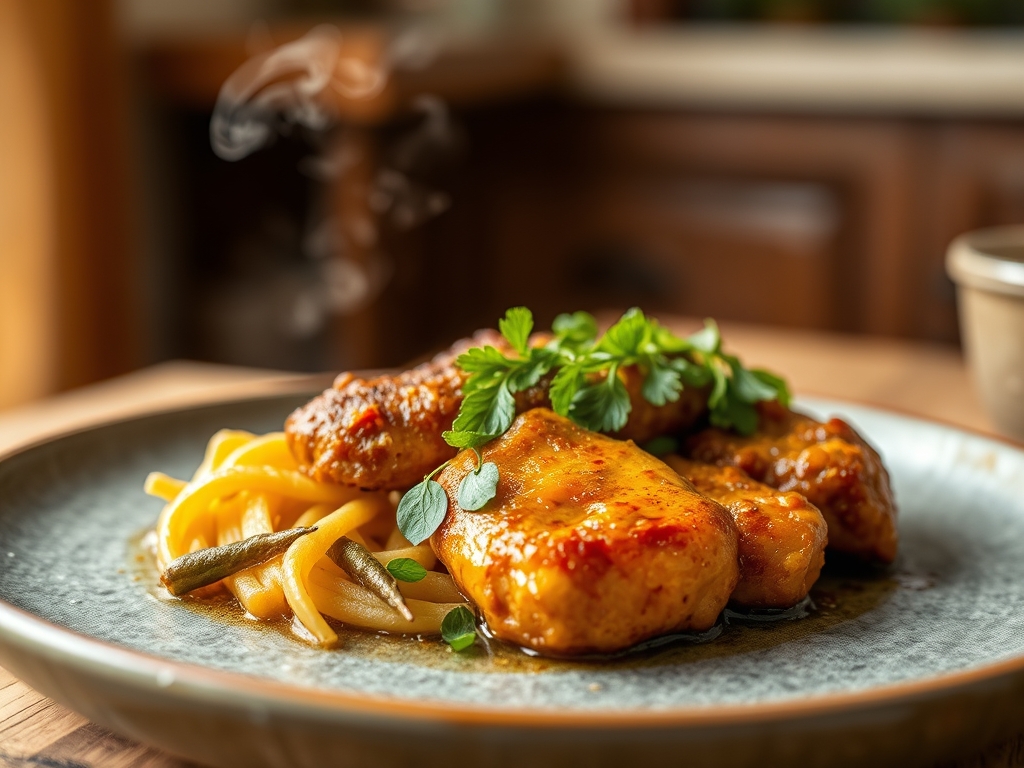
Close your eyes and imagine the scent of pimento wood smoke dancing through the air as the heavy humidity of the Caribbean carries the fragrance of charred scallions and fiery scotch bonnet peppers directly to your doorstep. When you are craving chicken recipes jamaican style, you are not just looking for heat; you are looking for a complex, layered symphony of flavor that balances the piquant sting of capsicum with the warm, earthy notes of allspice. Jamaican cuisine is a masterclass in the art of the marinade, where acid, salt, and aromatics work in tandem to break down connective tissue and infuse every fiber of the protein with soul.
Whether you are craving the iconic, smoky bark of a traditional jerk or the silky, viscous comfort of a brown stew, these six variations provide a roadmap to the island. We are moving beyond the surface level to explore how heat transforms sugar and protein into something legendary. Grab your apron and clear some counter space; we are about to turn your kitchen into a high-performance culinary lab where the results are as bold as the island sun.
The Gathers:
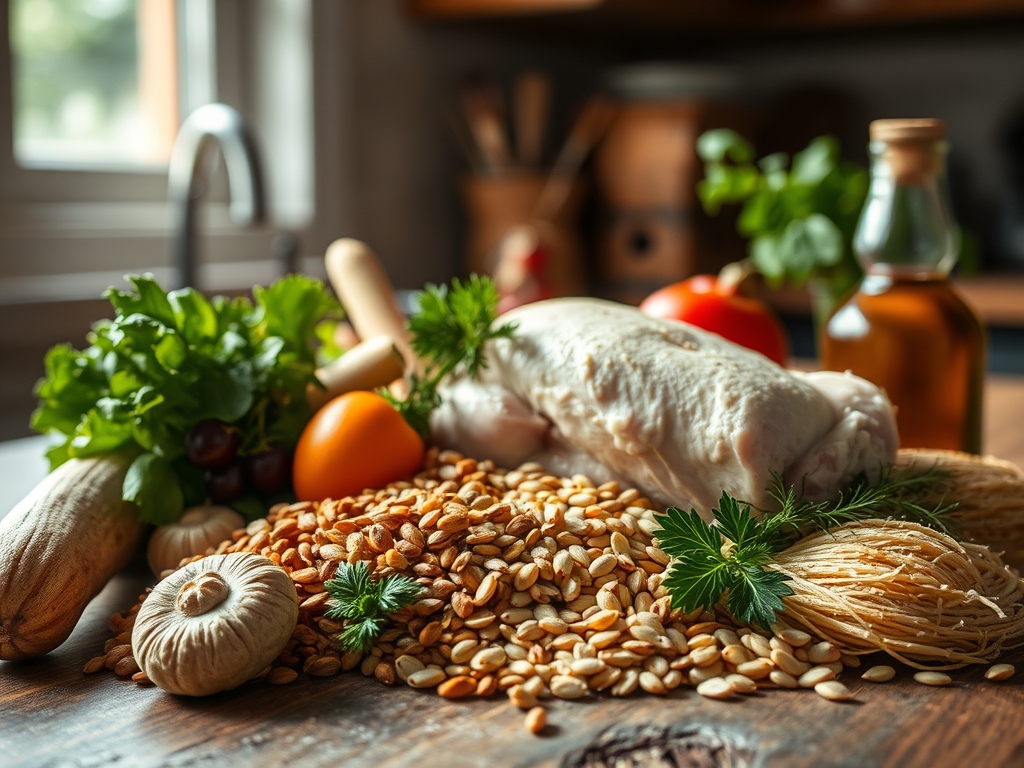
To execute these chicken recipes jamaican style with precision, your mise-en-place must be impeccable. You will need high-quality bird cuts, preferably bone-in and skin-on, to ensure maximum moisture retention during high-heat applications. The flavor profile relies on fresh aromatics. Reach for your microplane to zest citrus and grate fresh ginger into a fine paste. You will need a heavy-bottomed skillet or a saucier for the stews to ensure even heat distribution and prevent the scorching of delicate spices.
Essential Ingredients:
- Scotch Bonnet Peppers: These provide the signature fruity heat. If you cannot find them, Habaneros are a scientifically sound substitute due to their similar Scoville rating and floral undertones.
- Allspice (Pimento Berries): The backbone of Jamaican flavor. Use a mortar and pestle to crush whole berries for a more volatile oil release than pre-ground versions.
- Browning Sauce: This is a concentrated caramel liquid used for color and depth. Smart Substitution: You can create a DIY version by heating brown sugar in a dry pan until it reaches a deep, mahogany stage just before it burns.
- Fresh Thyme and Scallions: These provide the herbaceous "green" notes that lift the heavy spices.
The Clock: Chef's Flow
Efficiency in the kitchen is about managing your "active" versus "passive" time. For these chicken recipes jamaican, the Chef's Flow dictates a long marination period. Ideally, your chicken should spend 12 to 24 hours in the refrigerator. This allows the salt to penetrate the muscle fibers via osmosis, seasoning the meat from the inside out while the acids (lime or vinegar) begin to denature the proteins for a more tender bite.
Prep Time: 45 minutes (including vegetable dicing and marinade blending).
Marination: 4 to 24 hours (passive).
Cook Time: 35 to 50 minutes depending on the specific recipe (stewing vs. grilling).
Resting Time: 10 minutes. Do not skip this; it allows the internal pressure to stabilize so the juices do not evacuate upon the first cut.
The Masterclass:
1. The Acid Wash and Prep
Clean your chicken with lime juice or vinegar and cold water. Use a bench scraper to clear your board of any trimmings. Pat the meat bone-dry with paper towels before seasoning.
Pro Tip: Moisture is the enemy of the Maillard reaction. By ensuring the skin is dry, you allow the surface temperature to rise rapidly above 300 degrees Fahrenheit, creating that crisp, golden-brown crust.
2. The Marinade Infusion
Combine your aromatics in a high-speed blender until they form a thick, viscous paste. Massage this into the chicken, ensuring you get under the skin.
Pro Tip: Capsaicin, the heat element in peppers, is fat-soluble. Including a small amount of oil in your marinade helps to emulsify the spices and distribute the heat evenly across the palate.
3. The Sear and Render
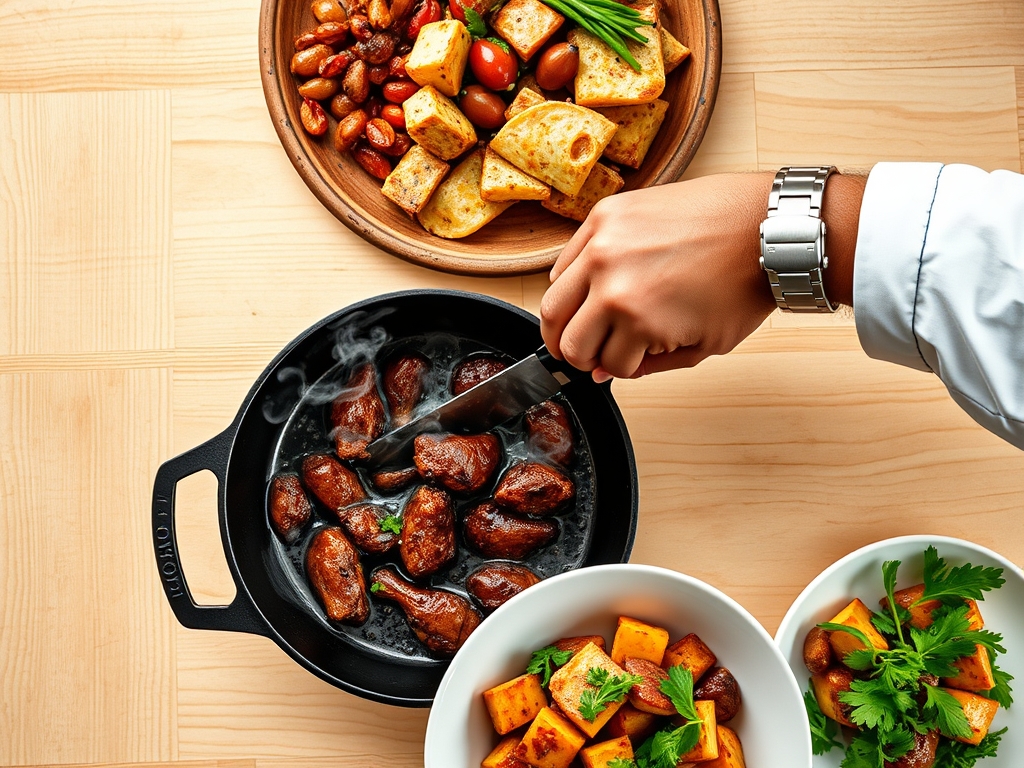
Place your chicken skin-side down in a hot heavy-bottomed skillet. Use tongs to press the meat down, ensuring maximum surface contact.
Pro Tip: This step focuses on rendering the subcutaneous fat. As the fat melts, it fries the skin from the inside out, creating a structural crunch that holds up even after simmering in sauce.
4. The Deglaze and Build
Remove the chicken and use a liquid (stock or coconut milk) to deglaze the pan, scraping up the browned bits (the fond). Add your vegetables and the remaining marinade.
Pro Tip: The fond contains concentrated flavor compounds created during searing. Incorporating these back into the sauce adds a "savory" complexity that cannot be replicated with raw ingredients.
5. The Gentle Simmer
Return the chicken to the pan and lower the heat. Cover and let the flavors infuse at a low bubble.
Pro Tip: Maintaining a temperature just below boiling prevents the muscle fibers from tightening and becoming "rubbery." This gentle heat ensures the collagen in the joints breaks down into silky gelatin.
6. The Final Reduction
Remove the lid for the last ten minutes to allow the sauce to reduce and thicken into a glossy glaze.
Pro Tip: As water evaporates, the sugars and proteins in the sauce become more concentrated. This increases the viscosity of the liquid, allowing it to coat the back of a spoon (a state known as nappe).
The Deep Dive:
Macro Nutrition:
Jamaican chicken is naturally high in protein and rich in vitamins A and C from the peppers and onions. To keep it lean, focus on the jerk preparations which are grilled rather than stewed. A standard serving contains approximately 35g of protein and 12g of fat.
Dietary Swaps:
- Vegan: Replace chicken with extra-firm tofu or jackfruit. Use a digital scale to weigh your spices to ensure the bold flavors are not lost on the milder plant-based proteins.
- Keto: Omit the browning sauce (sugar) and use a keto-friendly sweetener or simply rely on a longer sear for color.
- Gluten-Free: Jamaican chicken is naturally GF, but always check your bottled browning sauce for hidden barley malt.
The Fix-It:
- Too Spicy: Do not panic. Add a dollop of Greek yogurt or extra coconut milk. The fats will bind to the capsaicin and wash it away from your taste buds.
- Bitter Sauce: This usually happens if the allspice or browning sauce scorched. Add a pinch of salt and a teaspoon of honey to balance the alkaloids.
- Tough Meat: If the chicken is chewy, it likely did not simmer long enough. Add a splash of stock, cover, and give it another 15 minutes to allow the fibers to relax.
Meal Prep & Reheating:
To maintain "day-one" quality, reheat your chicken in a covered dish in the oven at 325 degrees Fahrenheit with a tablespoon of water. This creates a mini-steam chamber that prevents the meat from drying out. Avoid the microwave, as it causes the protein to tighten and become "rubbery" through uneven molecular agitation.
The Wrap-Up:
You are now armed with the scientific secrets to mastering chicken recipes jamaican style. From the chemical magic of the Maillard reaction to the emulsification of fiery scotch bonnets, your kitchen is no longer just a room; it is a Caribbean flavor laboratory. These dishes are meant to be shared, so invite your favorite people over, turn up the music, and let the bold, aromatic steam do the talking. You have got the skills, the tools, and the flavor; now go make some magic!
The Kitchen Table:
How do I make my Jamaican chicken less spicy?
Remove the seeds and white pith from the scotch bonnet peppers before blending. Most of the capsaicin is concentrated in the membranes. Adding extra coconut milk or a splash of lime juice at the end also helps neutralize the heat.
What is the best cut of chicken for Jamaican recipes?
Bone-in, skin-on thighs are the gold standard. The bone provides structural integrity and flavor during long simmers, while the higher fat content in the dark meat ensures the chicken remains succulent and moist even under high heat.
Can I make Jamaican jerk chicken in the oven?
Yes. Use a wire rack set over a baking sheet to allow hot air to circulate around the entire bird. Finish under the broiler for 2 to 3 minutes to achieve the signature charred "jerk" bark without a grill.
How long can I marinate the chicken?
For the best texture, marinate between 12 and 24 hours. Beyond 48 hours, the acid in the marinade can begin to "cook" the meat, resulting in a mushy surface texture that ruins the final mouthfeel of the dish.