
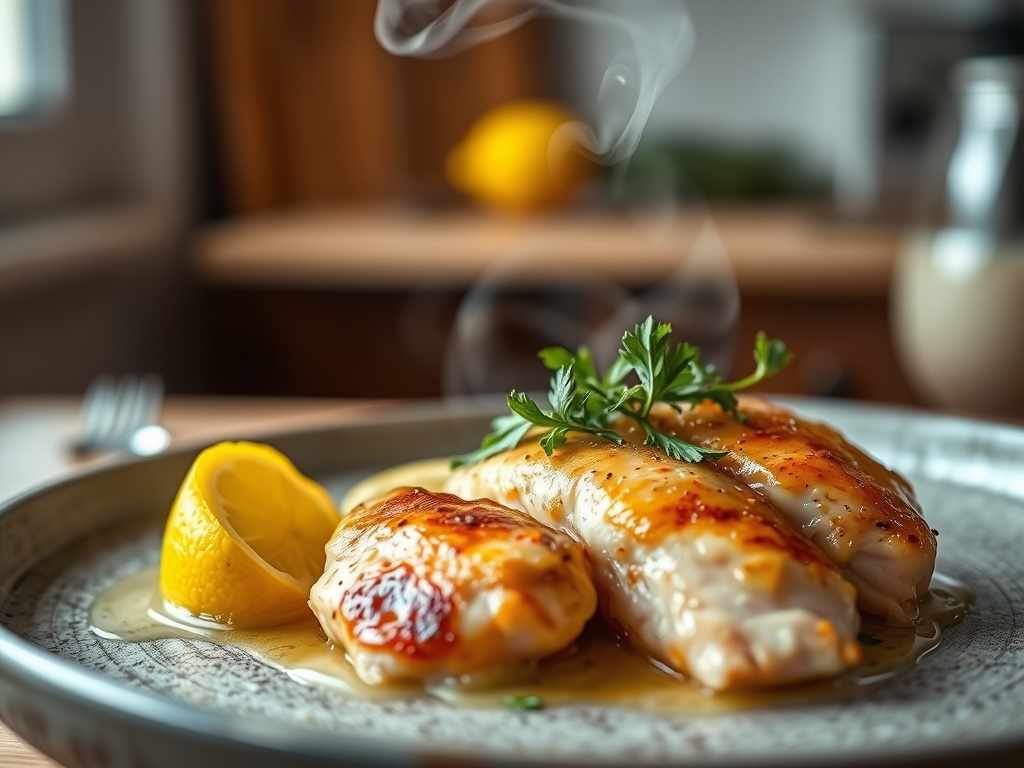
Imagine the sharp, citrus scent of a freshly zested Eureka lemon hitting a hot, heavy-bottomed skillet. That immediate, mouth-watering sizzle is the sound of the Maillard reaction beginning its magic on a piece of golden-brown poultry. When you are hunting for the best lemon chicken recipes, you are not just looking for dinner; you are looking for that perfect equilibrium between piquant acidity and savory richness. It is a culinary tightrope walk where the brightness of the fruit cuts through the heavy lipids of the meat. Whether you want a sticky glaze that clings to your fork or a light, herbaceous broth that warms your soul, the versatility of this flavor profile is unmatched. We are diving deep into the chemistry of citrus to ensure every bite provides a vibrant, restaurant-quality experience right in your own kitchen.
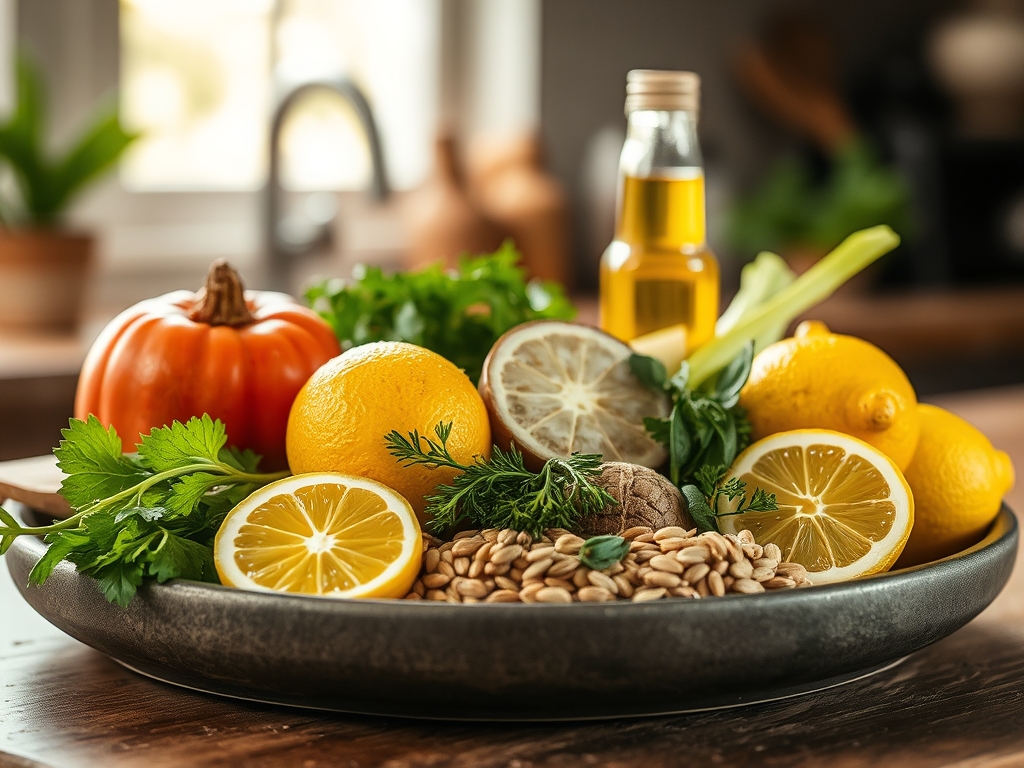
The Gathers:
To execute these dishes with precision, your mise-en-place must be impeccable. You will need high-quality proteins, specifically air-dried chicken thighs for maximum skin crispness or breast fillets for a leaner profile. The star of the show is the lemon. Opt for Meyer lemons if you desire a sweeter, floral undertone; otherwise, standard Lisbon lemons provide that classic, sharp bite. You will also need aromatics like smashed garlic cloves, shallots, and fresh thyme or rosemary.
For the liquids, keep a bottle of dry white wine like Sauvignon Blanc on hand to deglaze your pan. If you are avoiding alcohol, a high-quality bone broth rich in gelatin will provide the necessary body for your sauce. Use a microplane to gather zest without hitting the bitter white pith, and a citrus press to maximize juice yield while filtering out seeds.
Smart Substitutions:
If you find yourself out of fresh lemons, a high-quality preserved lemon paste can offer a fermented, salty depth. For those avoiding dairy, replace the butter in your pan sauce with a cold, emulsified coconut cream or a high-smoke-point avocado oil. If you are out of shallots, the white parts of green onions offer a similar sulfurous bite without overpowering the delicate citrus notes.
The Clock
Efficiency in the kitchen is all about the Chef's Flow. For most of these recipes, expect a preparation time of 15 minutes and a cook time of 20 to 25 minutes. Total time usually clocks in under 45 minutes. The secret to speed is multitasking. While your chicken is searing in the skillet, use those precious minutes to whisk your sauce components or chop your herbs.
Never let the pan sit idle. The moment the chicken is removed to rest, the pan should be deglazed to capture the fond (those caramelized bits stuck to the bottom). This transition ensures that no flavor is lost to evaporation or burning. By the time your meat has finished its thermal rest, your sauce should be thick, glossy, and ready to pour.
The Masterclass
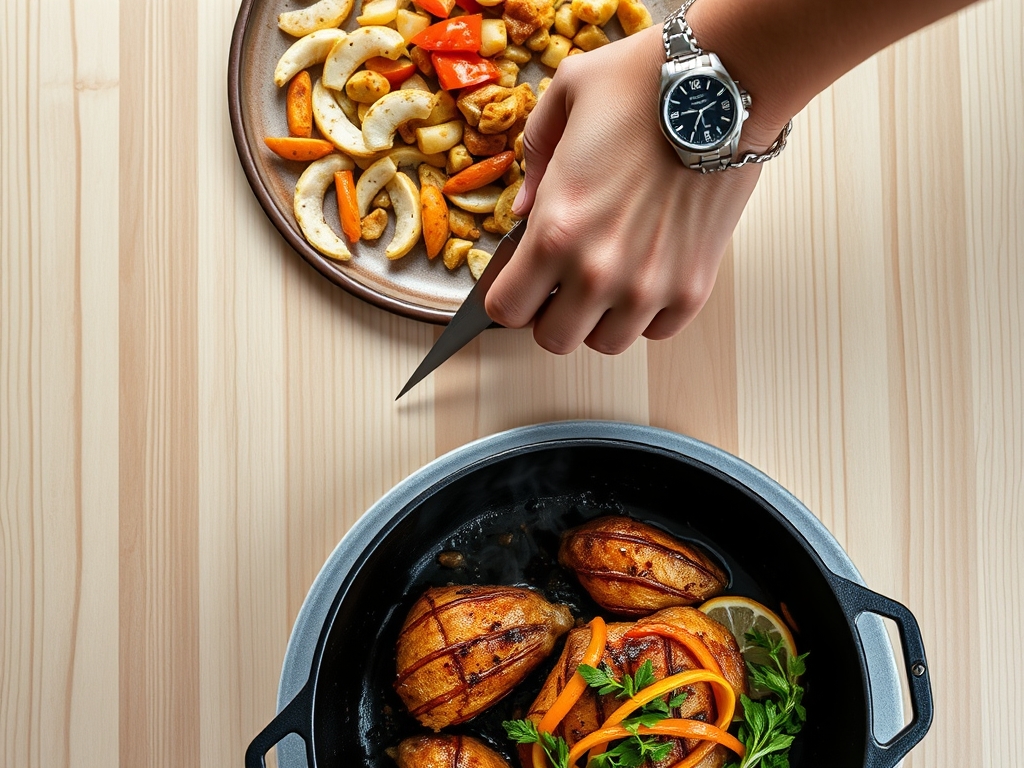
1. The Sear and Render
Place your seasoned chicken skin-side down in a preheated heavy-bottomed skillet. Do not crowd the pan, as this causes the temperature to drop and the meat to steam rather than sear. Use tongs to press the meat down, ensuring even contact with the heat source.
Pro Tip: This step relies on thermal conduction. By keeping the heat steady, you allow the subcutaneous fat to render out, which fries the skin in its own lipids for a shatteringly crisp texture.
2. Deglazing the Fond
Once the chicken is golden, remove it and set it aside. Pour your wine or broth into the hot pan. Use a wooden spoon or bench scraper to vigorously scrape the bottom of the pan, dissolving the browned proteins back into the liquid.
Pro Tip: This is the process of deglazing. The liquid acts as a solvent, lifting the concentrated flavor compounds created during the Maillard reaction and incorporating them into your sauce base.
3. Emulsifying the Sauce
Lower the heat and whisk in cold cubes of butter or a splash of heavy cream. Move the whisk in a circular motion to aerate and combine the fats with the acidic lemon juice. The sauce should transform from a thin liquid into a viscous, glossy coating.
Pro Tip: Cold butter is essential for a stable emulsion. The milk solids and fats disperse slowly, preventing the sauce from breaking into a greasy mess.
4. The Final Infusion
Return the chicken to the pan along with fresh lemon slices and herbs. Simmer for a final three minutes to allow the flavors to infuse into the meat. Check the internal temperature with a digital scale or meat thermometer to ensure it reaches 165 degrees Fahrenheit.
Pro Tip: This final simmer utilizes carryover cooking. Removing the meat just before it hits its peak temperature prevents the muscle fibers from tightening and becoming tough.
The Deep Dive
From a nutritional standpoint, lemon chicken is a powerhouse. A standard serving provides approximately 35 grams of lean protein and is naturally low in carbohydrates. To make this Keto-friendly, simply omit any flour dredging and use extra butter for healthy fats. For a Vegan twist, swap the chicken for extra-firm tofu or cauliflower steaks, using the same lemon-caper sauce technique. If you are Gluten-Free, use arrowroot powder or cornstarch as a thickener instead of a traditional flour roux.
The Fix-It: Common Pitfalls
- The Sauce is Too Sour: If the acidity is overwhelming, add a pinch of sugar or a teaspoon of honey. The glucose will balance the citric acid without making the dish "sweet."
- The Chicken is Dry: This usually happens from overcooking. Always use a thermometer. If it is already dry, slice it thin and let it soak in the warm sauce for five minutes to rehydrate the fibers.
- The Sauce is Broken: If you see oil separating, whisk in a tablespoon of hot water or broth very quickly. The extra moisture helps the fats re-bind to the liquid.
Meal Prep and Reheating:
To maintain "day-one" quality, store the sauce and chicken separately if possible. When reheating, avoid the microwave, which turns chicken rubbery. Instead, place the chicken in a covered pan with a splash of water over medium-low heat. This creates a steam chamber that gently warms the meat without stripping its moisture.
The Wrap-Up
Mastering the best lemon chicken recipes is like having a secret weapon in your culinary arsenal. It is a dish that feels sophisticated enough for a dinner party but is simple enough for a Tuesday night. By understanding the science of emulsification and the importance of the Maillard reaction, you elevate a humble bird into a zesty masterpiece. Now, grab your favorite skillet and let those lemons shine.
The Kitchen Table
How do I get the skin extra crispy?
Pat the chicken completely dry with paper towels before seasoning. Moisture is the enemy of the sear. Cook it skin-side down in a hot skillet without moving it until the fat renders and the skin naturally releases from the pan.
Can I use bottled lemon juice?
Bottled juice lacks the volatile oils found in fresh zest and the bright, complex acidity of fresh fruit. For the best lemon chicken recipes, always use fresh lemons. The difference in flavor profile is significant and noticeable.
What is the best way to zest a lemon?
Use a microplane or fine grater. Only grate the outermost yellow layer. Avoid the white pith underneath, as it is intensely bitter and will ruin the delicate balance of your sauce. Rotate the fruit frequently for the best results.
How do I prevent my garlic from burning?
Add garlic to the pan only after the chicken has been seared and removed, or during the last sixty seconds of sautéing. Garlic has a high sugar content and burns quickly, which creates a bitter flavor that overpowers the lemon.