
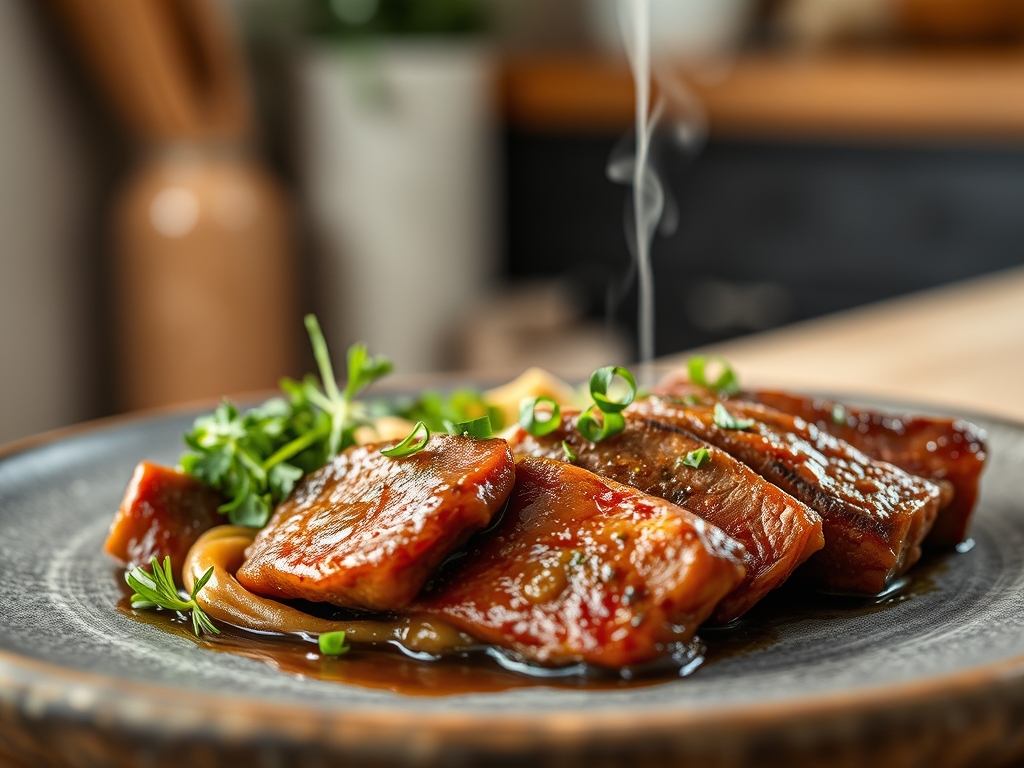
The scent of rendering fat hitting a hot cast iron skillet is the universal language of comfort. When you are leaning into a lifestyle focused on ancestral health, finding the perfect paleo beef recipes is less about restriction and more about unlocking the primal, savory potential of high quality protein. We are talking about deep umami, buttery textures, and the kind of satiety that only comes from grass-fed marrow and slow-simmered connective tissue. Beef is the ultimate healing food because it is packed with bioavailable iron and zinc; it is the building block for cellular repair.
Forget the idea that healthy eating means dry steaks and boiled broccoli. We are diving into a world where we use acidity to break down tough fibers and high heat to trigger the Maillard reaction. Whether you are craving a piquant chili or a silky, slow-cooked short rib, these dishes are designed to nourish your body while making your kitchen smell like a professional bistro. Let us get into the science of why these flavors work together so beautifully.
The Gathers:
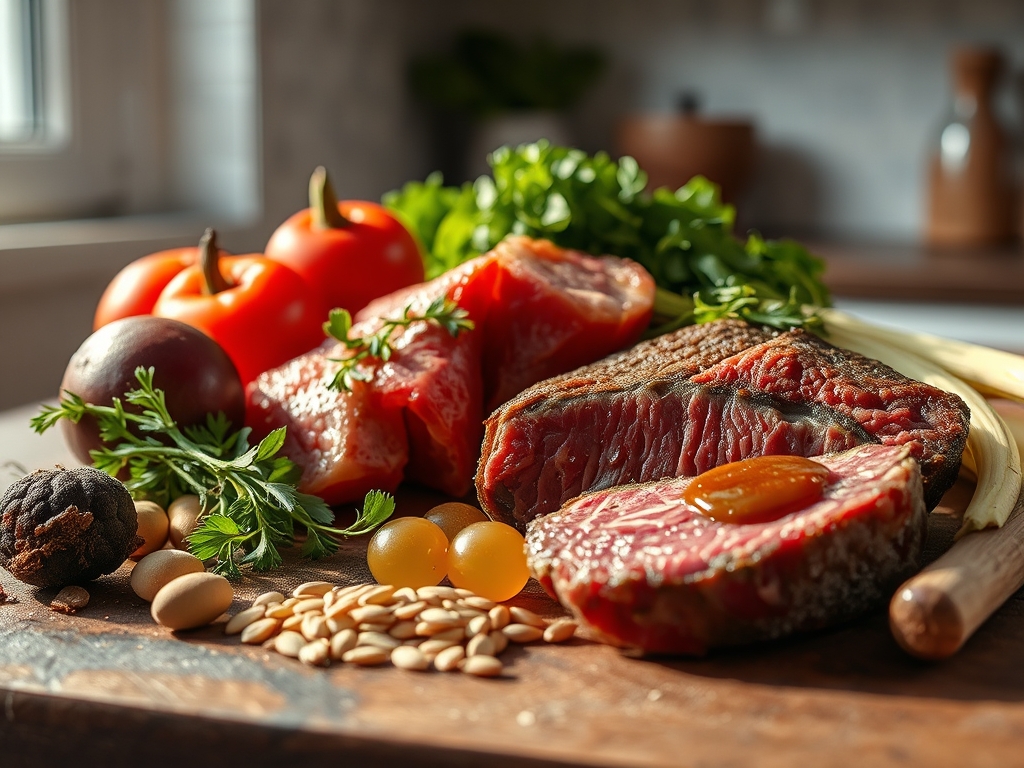
Before we ignite the burners, your mise-en-place must be flawless. For these paleo beef recipes, we are looking for a specific chemical profile in our ingredients. Start with the beef; look for marbling that indicates intramuscular fat, which will render and create a viscous mouthfeel. You will need a heavy-bottomed skillet or a Dutch oven to ensure even heat distribution.
Gather your aromatics: fresh garlic, shallots, and ginger. Use a microplane to zest citrus or grate ginger into a fine paste; this increases the surface area and allows the essential oils to infuse the fat more rapidly. Instead of soy, we use coconut aminos to provide that salty-sweet depth without the gluten or legumes. For "Smart Substitutions," swap cornstarch for arrowroot powder. Arrowroot is a neutral starch that creates a glossy, translucent sauce without the grain-heavy aftertaste. If a recipe calls for heavy cream, we reach for full-fat coconut milk or a dollop of ghee to provide the necessary lipids for a rich emulsion.
The Clock
Efficiency in the kitchen is all about the "Chef's Flow." For these eight dishes, prep time averages twenty minutes, while cook times range from a quick six-minute sear for skirt steak to a six-hour braise for brisket. The secret to mastering the clock is parallel processing. While your beef is tempering on the counter (never cook meat straight from the fridge, as the cold center prevents an even sear), use your bench scraper to organize your chopped vegetables.
The "Flow" dictates that you should always start your longest-cooking item first. If you are making the Slow-Roasted Chuck or the Bone-In Short Ribs, get them into the oven before you even think about the side dishes. This allows the collagen to convert into gelatin over several hours, ensuring the meat is fork-tender. Quick-fire dishes, like Ginger Beef Stir-Fry or Garlic-Butter Ribeye, should be saved for the final fifteen minutes before serving to prevent overcooking and moisture loss.
The Masterclass
1. The Perfect Sear
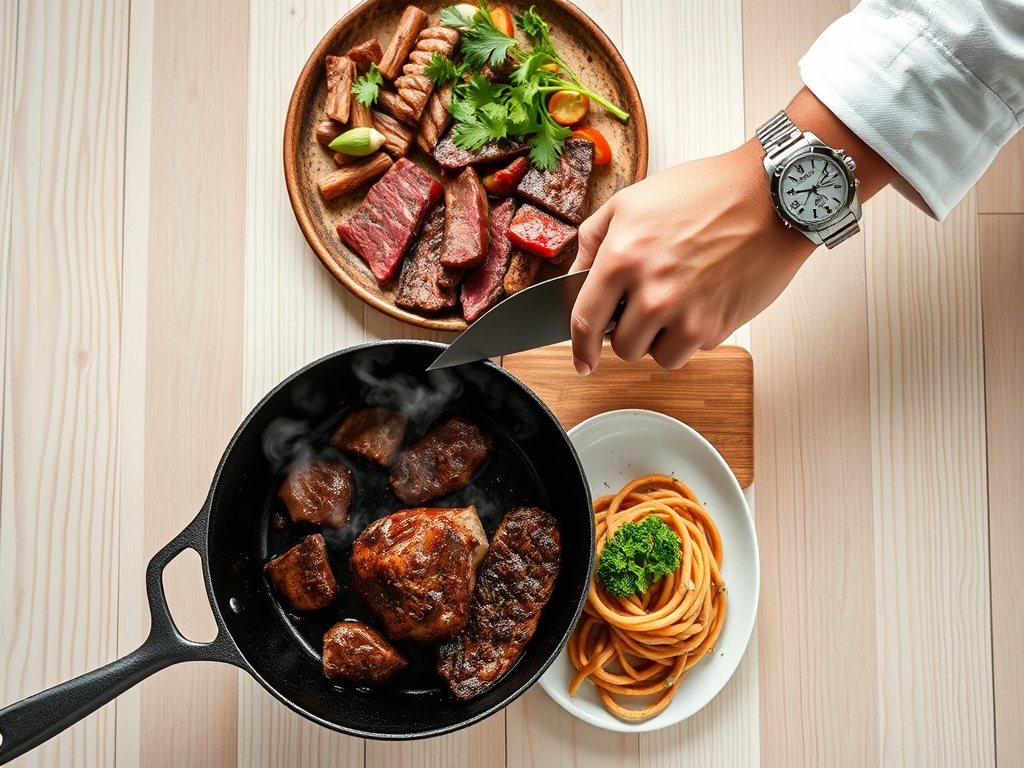
Pat your beef bone-dry with paper towels. Moisture is the enemy of the Maillard reaction; if the surface is wet, the meat will steam rather than brown. Heat your skillet until the oil reaches its smoke point, then lay the meat away from you using tongs.
Pro Tip: This is thermal conductivity at work. A dry surface allows the temperature to exceed 300 degrees Fahrenheit instantly, creating that golden-brown crust of complex sugars and amino acids.
2. Deglazing the Fond
After removing the meat, you will see brown bits stuck to the pan. This is called the fond. Pour in a splash of beef bone broth or apple cider vinegar and use a wooden spoon to scrape it up.
Pro Tip: This process uses solvent extraction to pull concentrated flavor molecules into your sauce, ensuring no umami is wasted.
3. The Emulsified Pan Sauce
Lower the heat and whisk in a tablespoon of cold ghee or coconut cream. Use a saucier if you have one to ensure the whisk reaches every corner.
Pro Tip: This creates a stable emulsion where fat droplets are suspended in liquid, resulting in a velvety texture that coats the back of a spoon.
4. Low and Slow Braising
For tougher cuts like oxtail or neck bones, submerge them halfway in a piquant liquid and cover tightly.
Pro Tip: This is hydrolysis. Over time, the heat and moisture break down the triple-helix structure of collagen into soft gelatin, which provides that "melt-in-your-mouth" sensation.
5. The Rest Period
Never cut into your beef immediately after it leaves the heat. Transfer it to a cutting board and wait at least ten minutes.
Pro Tip: This allows for liquid reabsorption. During cooking, muscle fibers contract and push juice to the center. Resting allows those fibers to relax and redistribute the moisture.
6. Slicing Against the Grain
Identify the direction of the muscle fibers and cut perpendicular to them.
Pro Tip: By shortening the fibers mechanically, you make the beef significantly easier to chew, mimicking the tenderness of more expensive cuts.
7. Aerating the Garnish
Finely mince fresh herbs like parsley or cilantro at the very last second.
Pro Tip: Chopping herbs releases volatile organic compounds. Adding them at the end ensures these bright, citrusy notes hit the nose before they dissipate from the heat.
8. The Acid Finish
A final squeeze of lime or a drop of balsamic vinegar brightens the entire dish.
Pro Tip: Acid balances the richness of the rendered fat by stimulating saliva production, which helps your palate perceive more nuanced flavors.
The Deep Dive
From a macro perspective, these paleo beef recipes are nutritional powerhouses. You are looking at a profile high in protein and healthy fats with near-zero glycemic impact. For those following a Keto protocol, simply increase the ghee or tallow. If you need a Vegan swap for a guest, king oyster mushrooms provide a similar fibrous texture and can be treated with the same searing techniques.
"The Fix-It" section: If your meat is tough, you likely skipped the resting phase or didn't cook it long enough to break down the connective tissue. If your sauce is "broken" (oil separating), whisk in a teaspoon of warm water to re-establish the emulsion. If the beef is gray rather than brown, your pan wasn't hot enough; next time, use a digital scale to ensure your portions aren't overcrowding the pan.
For meal prep, reheating science is key. To maintain "day-one" quality, avoid the microwave, which vibrates water molecules and toughens protein. Instead, reheat gently in a covered skillet with a splash of broth to create a steam-chamber effect.
The Wrap-Up
Mastering paleo beef recipes is about more than just following a list of ingredients; it is about understanding the chemistry of the kitchen. When you respect the sear, value the rest, and embrace the power of high-quality fats, you transform a simple grocery haul into a series of healing, gourmet experiences. These dishes prove that eating for your health can be the most delicious decision you make all day. Now, grab your favorite skillet and let the rendering begin.
The Kitchen Table
Why is grass-fed beef better for Paleo recipes?
Grass-fed beef has a superior Omega-3 to Omega-6 ratio compared to grain-fed. It contains higher levels of Conjugated Linoleic Acid (CLA), which supports metabolic health. The flavor is also more complex and "earthy" due to the animal's natural diet.
How do I prevent my beef stir-fry from getting watery?
Sear the beef in small batches to maintain high pan tension. Overcrowding drops the temperature, causing the meat to release its juices and steam. Ensure the pan is screaming hot and the meat is bone-dry before it touches the oil.
Can I use frozen beef for these recipes?
Yes, but you must thaw it completely in the refrigerator first. Pat it dry thoroughly to remove excess moisture from ice crystals. Forgetting to dry thawed meat will prevent the Maillard reaction and result in a gray, boiled texture.
What is the best way to thicken paleo sauces without flour?
Use a slurry of arrowroot powder and cold water for a glossy finish. Alternatively, you can reduce the cooking liquid by half to concentrate the natural gelatins, or blend in a small amount of cooked cauliflower for a creamy, thick texture.