
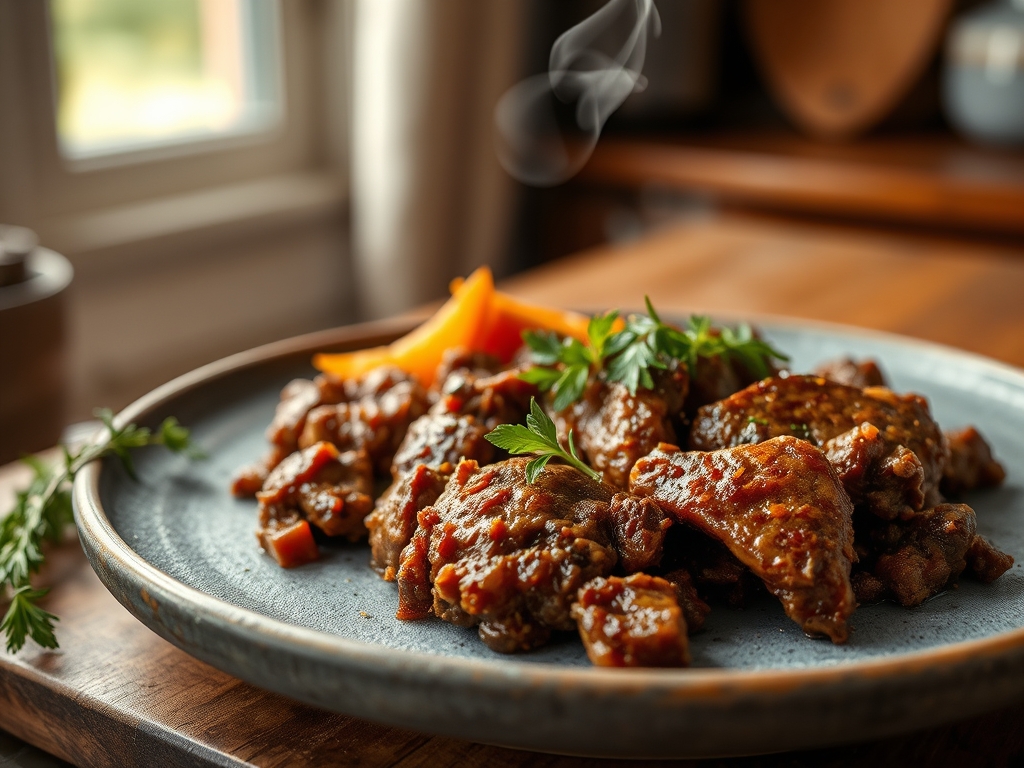
Imagine the sound of a heavy-bottomed cast iron skillet meeting a blue flame; the immediate, sharp hiss as cold protein hits a searing surface. That smell is the Maillard reaction in action; it is the chemical transformation of amino acids and sugars into a complex, savory crust. Finding high-protein, satisfying meals does not mean sacrificing that deep, piquant flavor. You can absolutely master healthy ground beef recipes for weight loss without the greasy aftermath. We are talking about lean, grass-fed cuts transformed into vibrant, nutrient-dense masterpieces that keep your metabolism humming and your palate thrilled.
The secret lies in the moisture-to-fat ratio. When we choose 90/10 or 93/7 lean blends, we are working with a delicate balance. Too much heat for too long results in a dry, granular texture. However, by using specific culinary techniques like deglazing and controlled rendering, we can create a viscous, rich mouthfeel using aromatics instead of excess saturated fats. This is not just dieting; it is a masterclass in flavor extraction. We are going to build seven distinct flavor profiles using one base protein, ensuring your meal prep never feels like a chore. Grab your digital scale and your favorite apron; we are about to turn your kitchen into a high-performance laboratory of taste.
The Gathers:
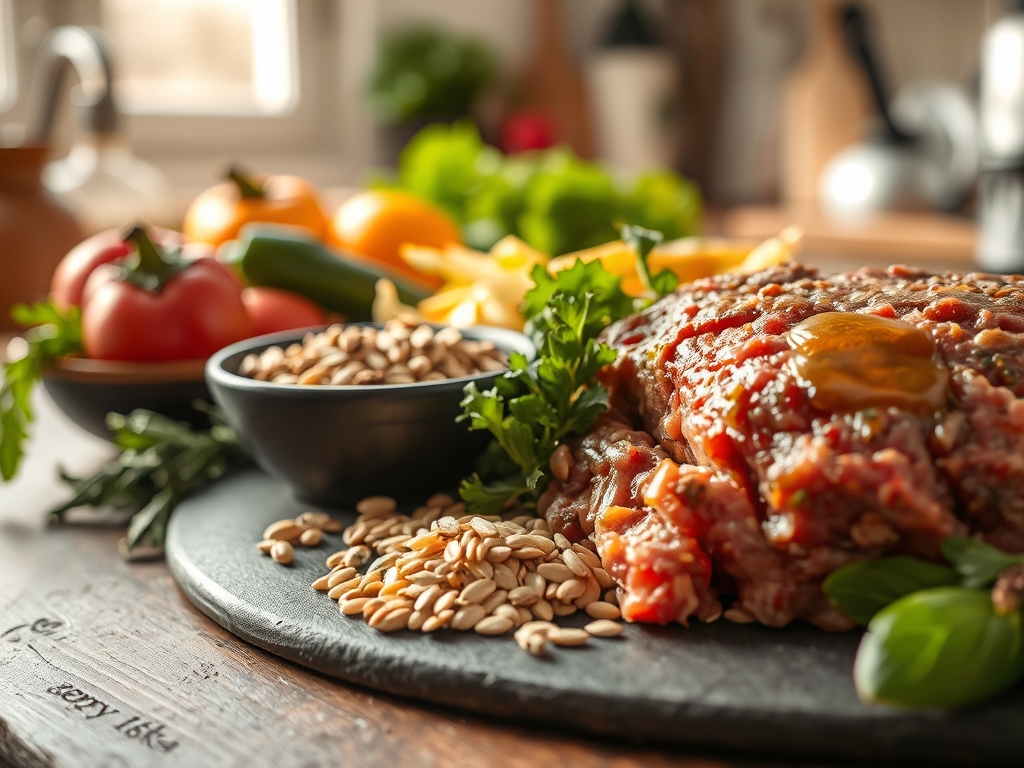
Mise-en-place is the heartbeat of a functional kitchen. Before you even ignite the burner, your workstation should be a curated collection of textures and colors. For our healthy ground beef recipes for weight loss, start with high-quality lean beef. Look for a deep ruby hue rather than a dull gray; this indicates freshness and proper oxygenation of the myoglobin. You will need a variety of aromatics: pungent garlic, crisp shallots, and earthy ginger. Use a microplane to zest citrus or grate aromatics into a fine paste; this increases surface area and ensures an even distribution of flavor throughout the meat.
Smart substitutions are your secret weapon for calorie density management. Instead of traditional breadcrumbs, which are simple carbohydrates, use pulsed cauliflower or almond flour to act as a binder. These alternatives provide fiber and healthy fats while maintaining the structural integrity of your meatballs or patties. For acidity, swap heavy creams for a splash of apple cider vinegar or a squeeze of lime to brighten the dish. Always have a bowl of fresh herbs like cilantro, parsley, and basil ready. These are not just garnishes; they provide volatile oils that refresh the palate between bites of rich protein.
The Clock
Efficiency in the kitchen is about understanding the "Chef's Flow." This is the chronological optimization of tasks to minimize downtime. Your total active prep time for these seven meals is approximately 45 minutes if you utilize a bench scraper to move chopped vegetables quickly and a food processor for bulk dicing. The cook times vary, but most of these recipes utilize high-heat, short-duration methods like stir-frying or searing to preserve the structural integrity of the vegetables.
The flow begins with the "Hard Veggies" (carrots, onions, peppers) which require the longest thermal exposure to soften their cellulose walls. While those soften, you portion your beef using a digital scale to ensure exact macro tracking. The final stage is the "Flash Finish," where you add delicate greens and fresh herbs in the last 60 seconds of cooking. This prevents the chlorophyll from breaking down, keeping your meals vibrant and visually stunning for your mid-week lunches.
The Masterclass
1. The Sear and Render
Place your heavy-bottomed skillet over medium-high heat. Do not add oil immediately; let the pan reach the Leidenfrost point where a drop of water beads and dances. Add the beef in a single layer and leave it untouched for three minutes.
Pro Tip: This patience allows for enzymatic browning. Moving the meat too early causes it to steam in its own juices rather than developing a crust, which is essential for deep flavor without adding sauces.
2. The Deglaze
Once the beef is browned, remove it and notice the brown bits stuck to the pan. This is "fond." Pour in a splash of beef bone broth or dry wine. Use a wooden spoon to scrape the bottom.
Pro Tip: Deglazing captures the concentrated solutes left behind during searing. This creates a natural, low-calorie jus that coats the meat in a savory glaze without the need for cornstarch thickeners.
3. The Aromatic Infusion
Lower the heat and add your microplaned garlic and ginger. Stir constantly for only 30 seconds until the fragrance fills the room.
Pro Tip: Garlic contains allicin, which is highly heat-sensitive. Cooking it too long or at too high a temperature turns it bitter. Short exposure preserves its piquant sweetness and health benefits.
4. The Vegetable Integration
Add your high-volume, low-calorie vegetables like shredded cabbage or zucchini ribbons. These will absorb the remaining moisture and flavor from the pan.
Pro Tip: This technique uses osmosis to pull flavors into the vegetables. As the heat breaks down the plant cell walls, the savory beef juices rush in to fill the void, making the vegetables taste as indulgent as the meat.
5. The Emulsified Finish
Turn off the heat and stir in a small amount of healthy fat, such as a teaspoon of toasted sesame oil or a dollop of Greek yogurt.
Pro Tip: This creates a temporary emulsion. The fat molecules wrap around the water-based juices, providing a silky mouthfeel that trick the brain into feeling more satiated with less total fat.
6. The Acid Balance
Just before serving, use a citrus press to add fresh lemon or lime juice over the entire dish.
Pro Tip: Acid acts as a flavor potentiator. It cuts through the richness of the beef and "awakens" the taste buds, allowing you to use less salt while still achieving a high-impact flavor profile.
7. The Resting Period
Transfer the meal to a room-temperature plate and let it sit for two minutes before eating.
Pro Tip: This allows for thermal carryover and juice redistribution. If you eat it immediately, the constricted muscle fibers will release all their moisture; resting ensures the beef stays succulent and tender.
The Deep Dive
When we look at the macro nutrition of these healthy ground beef recipes for weight loss, we are aiming for a profile of roughly 30g of protein, 10g of fat, and 15g of fibrous carbohydrates per serving. This ratio is designed to stabilize blood sugar and prevent the insulin spikes that lead to fat storage. For those following Keto, simply omit the root vegetables and increase the cruciferous greens. For a Vegan swap, use a pea-protein crumble, though you will need to add a touch of liquid smoke to mimic the "char" of real beef.
"The Fix-It" section: If your beef tastes "boiled," you likely overcrowded the pan; cook in batches next time. If the meat is tough, you over-rendered the fat; add a splash of broth to rehydrate the fibers. If the dish is bland, you missed the acid step; a dash of vinegar can save almost any dull meal. For meal prep, reheat your beef in a saucier with a tablespoon of water covered by a lid. This creates a steam chamber that prevents the protein from becoming "rubbery" in the microwave.
The Wrap-Up
Mastering the art of the healthy sear is a total game changer for your fitness journey. You now have the technical knowledge to turn a simple package of lean beef into a week of gourmet, metabolism-boosting fuel. Remember that cooking is as much about chemistry as it is about soul. Use your tools, trust your senses, and do not be afraid to turn up the heat. You are not just making dinner; you are engineering a better version of yourself, one delicious, protein-packed bite at a time. Now, get that skillet hot and show that kitchen who is boss!
The Kitchen Table
Can I use frozen ground beef for these recipes?
Yes, but ensure it is fully thawed in the refrigerator first. Pat the meat dry with paper towels before searing. Excess surface moisture creates steam, which prevents the Maillard reaction and results in gray, flavorless meat.
What is the best way to store these beef meals?
Store in airtight glass containers for up to four days. Glass is superior to plastic for reheating because it does not leach chemicals and maintains a more consistent temperature, preserving the delicate texture of the lean beef.
How do I make lean beef taste less dry?
Incorporate "wet" aromatics like grated onions or finely chopped mushrooms. These ingredients release moisture slowly during the cooking process, creating internal steam that keeps the lean protein fibers hydrated and tender without adding significant calories or fat.
Is grass-fed beef actually better for weight loss?
Grass-fed beef generally contains higher levels of Omega-3 fatty acids and Conjugated Linoleic Acid (CLA). These specific fats are linked to improved body composition and reduced inflammation, making it a superior choice for a weight loss focused nutritional plan.