
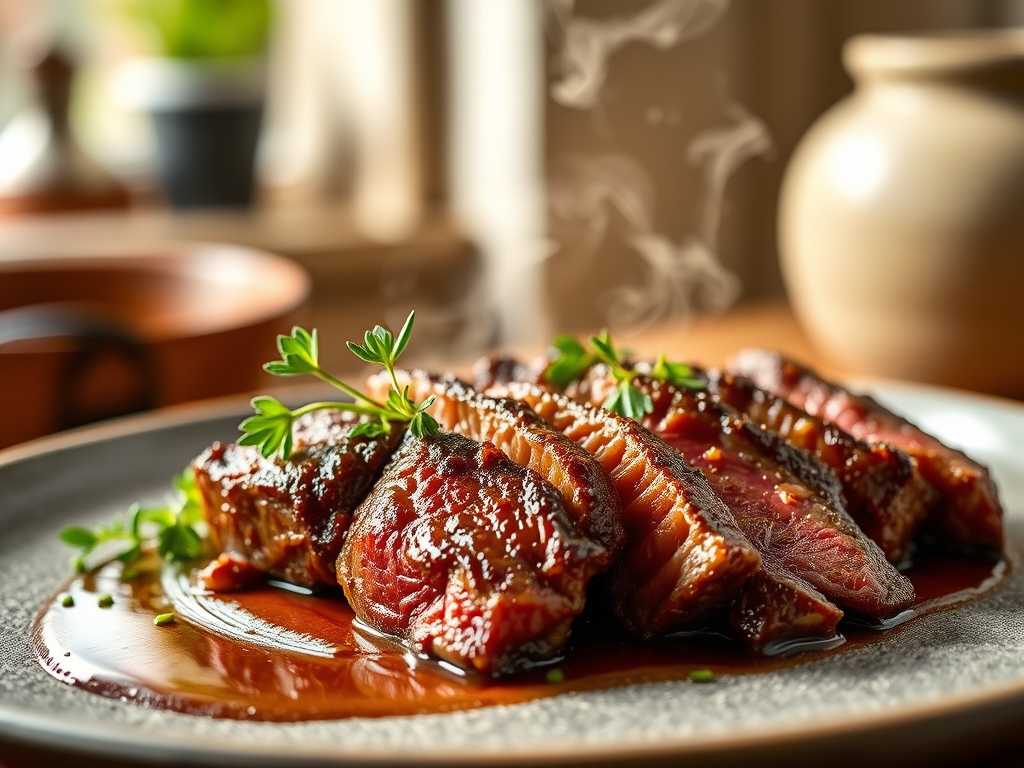
Picture a slab of beef so intricate it looks like a topographical map of a snowy mountain range. That is the magic of authentic Kobe. When you explore high-end kobe beef recipes, you are not just cooking dinner; you are managing a delicate chemical transition of intramuscular fat into liquid gold. This is the pinnacle of the culinary world, where the melting point of the fat is actually lower than your own body temperature.
I have spent years obsessing over the physics of the sear. I can tell you that the difference between a life-changing meal and an expensive mistake lies in your understanding of heat transfer. We are looking for that perfect Maillard reaction; a chemical dance between amino acids and reducing sugars that creates hundreds of flavor compounds. If you have ever felt intimidated by a hundred-dollar steak, take a deep breath. We are going to treat this meat with the reverence of an art restorer and the precision of a laboratory scientist. Grab your favorite heavy-bottomed skillet and let us transform this marbled masterpiece into the best bite you have ever tasted.
The Gathers:
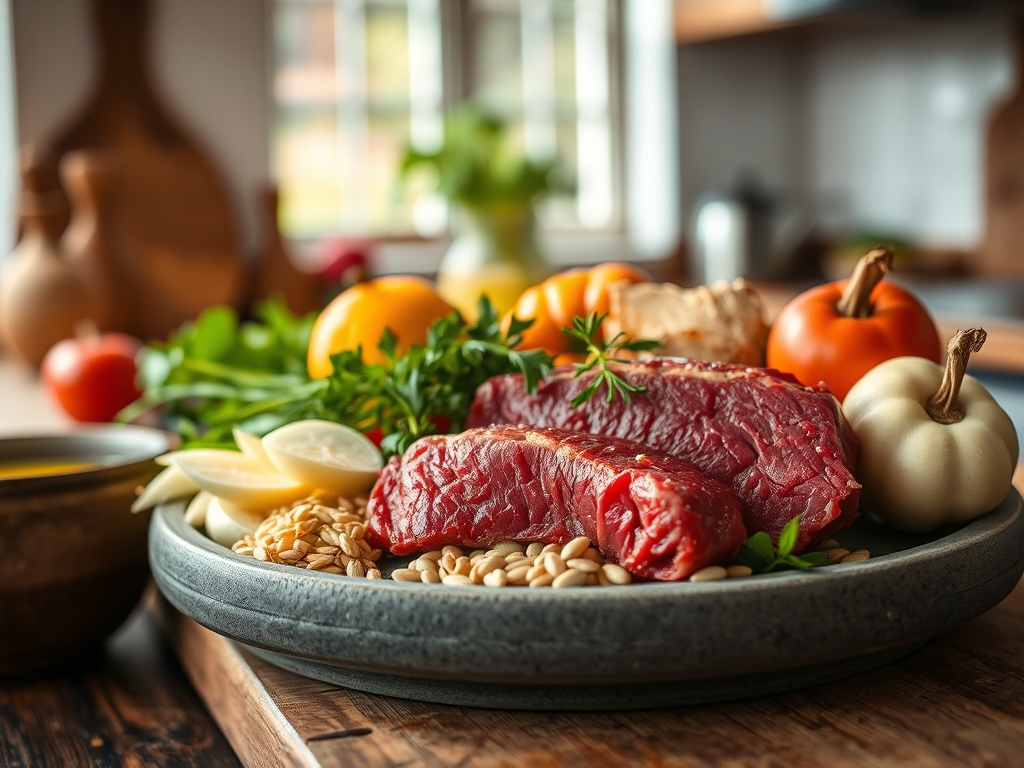
To execute world-class kobe beef recipes, your mise-en-place must be flawless. You will need a four-ounce to eight-ounce portion of A5-grade Kobe beef, preferably a ribeye or striploin cut. The fat should be a stark, creamy white against a deep raspberry-pink muscle. For the seasoning, forget the complex rubs. You need high-quality flaky sea salt (like Maldon) and freshly cracked tellicherry peppercorns to provide a piquant contrast to the rich lipids.
Your professional toolkit is non-negotiable here. You need a heavy-bottomed cast iron skillet or a stainless steel tri-ply pan to ensure even heat distribution. A digital scale is essential for portioning, while a pair of offset tongs allows for surgical precision when flipping. You will also want a microplane for finishing with a touch of fresh wasabi root or citrus zest.
Smart Substitutions: If authentic Kobe is outside the budget, look for American Wagyu or an Australian F1 crossbreed. These offer a similar viscous mouthfeel at a more accessible price point. If you cannot find fresh wasabi, a high-quality horseradish cream can provide that necessary nasal heat to cut through the intense richness of the rendered fat.
The Clock
The "Chef's Flow" for Kobe is different than a standard grocery store steak. Total active time is only about 15 minutes, but the passive time is where the quality is built.
- Tempering: 30 minutes. Never cook Kobe straight from the fridge; the center will stay cold while the exterior overcooks.
- Preparation: 5 minutes. Trimming and seasoning.
- The Sear: 2 to 3 minutes total. This is a high-speed operation.
- The Rest: 5 to 10 minutes. This allows the internal temperature to equalize.
The total commitment is about 50 minutes. Most of this time is spent letting the meat reach an ambient temperature so the thermal conductivity is uniform from edge to center.
The Masterclass
1. The Tempering Phase
Remove the beef from its vacuum seal and pat it bone-dry with a lint-free towel. Place it on a wire rack over a sheet pan. This allows air to circulate around the entire surface, ensuring the exterior is dry enough to achieve a crust.
Pro Tip: Moisture is the enemy of the sear. By drying the surface, you prevent the meat from steaming. This facilitates enzymatic browning much faster, ensuring you get a crust before the interior fat over-renders.
2. The Precision Trim
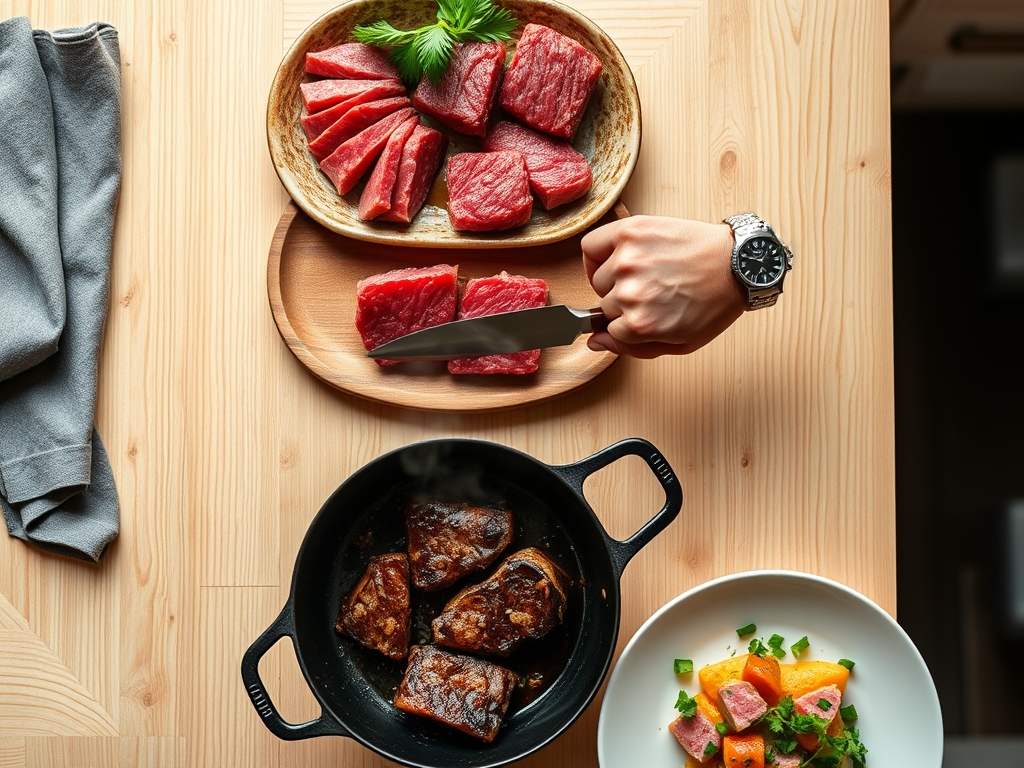
Use a sharp boning knife to trim a small piece of the white edge fat. Do not discard this. We will use this piece of pure fat to grease the pan instead of using oil or butter, which can mask the beef's natural profile.
Pro Tip: Kobe fat has a high concentration of monounsaturated fatty acids. Using the rendered trimmings to coat the pan ensures the flavor profile remains "pure beef" without the burnt milk solids found in butter.
3. The Cold-Pan Start or High-Heat Flash
For thinner slices (Japanese style), a scorching hot pan is best. For thicker steaks (Western style), some chefs prefer starting in a medium-hot pan to slowly render the fat. We will use the high-heat method for a classic crust. Heat your skillet until it just begins to wisp smoke.
Pro Tip: The Leidenfrost effect occurs when a liquid produces an insulating vapor layer when in contact with a surface significantly hotter than its boiling point. You want the pan just below this point so the meat makes direct contact.
4. The Sear and Flip
Place the steak in the pan. You should hear a violent sizzle. Use your tongs to press the meat down gently, ensuring every millimeter of surface area touches the metal. Sear for 60 to 90 seconds per side.
Pro Tip: Avoid the urge to move the meat. Constant movement prevents the Maillard reaction from reaching its full potential. You want a deep mahogany color, not a greyish tan.
5. The Edge Render
Do not forget the sides. Use your tongs to stand the steak on its edges, especially the fat cap. This browns the exterior fat and makes it edible rather than chewy.
Pro Tip: This technique utilizes conduction to melt the tougher connective tissues on the perimeter, turning them into a crispy, flavorful "crackling" texture.
6. The Aromatic Infusion
In the final thirty seconds, add a crushed clove of garlic and a sprig of thyme to the rendered fat in the pan. Use a saucier spoon to baste the hot fat over the steak.
Pro Tip: This is called aromatic infusion. The fat acts as a solvent, extracting fat-soluble flavor compounds from the herbs and depositing them directly onto the crust of the meat.
7. The Resting Ritual
Transfer the beef to a warm plate or wooden board. Do not tent it tightly with foil, as this will trap steam and soften the crust. Let it rest for at least five minutes.
Pro Tip: Thermal carryover will cause the internal temperature to rise by 5 to 10 degrees. Resting allows the muscle fibers to relax and reabsorb the juices, ensuring they stay in the meat rather than on the cutting board.
The Deep Dive
Macro Nutrition: Kobe beef is calorie-dense due to its high fat content. A 4-ounce serving contains roughly 300 to 400 calories, with a significant portion coming from healthy oleic acids. It is an excellent source of Vitamin B12 and highly bioavailable iron.
Dietary Swaps:
- Keto: This is the ultimate keto meal. Serve with a side of asparagus sautéed in the leftover beef tallow.
- Vegan: While there is no direct swap for Kobe, a "King Oyster Mushroom" steak scored and seared in a similar fashion with miso butter provides a similar umami depth.
- Gluten-Free: Naturally GF, just ensure any soy-based dipping sauces are replaced with Tamari.
The Fix-It:
- Grey Meat: If the meat looks grey, your pan wasn't hot enough. Fix it by increasing the heat and using a bench scraper to clear the pan of moisture before trying again.
- Flare-ups: If the fat catches fire, move the pan off the heat immediately. Do not use water. Simply cover the pan with a lid to starve the fire of oxygen.
- Too Salty: If you over-seasoned, serve the beef with an acidic component like a radish salad or a squeeze of sudachi lime to balance the sodium.
Meal Prep & Reheating: Kobe is best enjoyed immediately. However, if you have leftovers, do not use a microwave. Reheat gently in a 250-degree oven until the fat just begins to glisten. This preserves the viscous texture without turning the meat into rubber.
The Wrap-Up
Cooking Kobe beef is a rite of passage for any serious home chef. It requires you to slow down, pay attention to the sensory cues of the kitchen, and respect the ingredients. Remember that with kobe beef recipes, less is always more. You are the conductor of a very expensive, very delicious orchestra. Keep your pans hot, your knives sharp, and your patience high. You have got this!
The Kitchen Table
Can I cook Kobe beef in a non-stick pan?
It is not recommended. Non-stick pans cannot handle the high heat required for a proper Maillard reaction. Use cast iron or stainless steel to achieve that signature professional crust and to safely render the intense intramuscular fat.
What is the best internal temperature for Kobe?
Aim for medium-rare, which is roughly 130 to 135 degrees Fahrenheit. Because of the high fat content, rare Kobe can feel unpleasantly oily. Medium-rare ensures the fat is fully melted and integrated into the muscle fibers.
Should I use oil when searing Kobe?
No. Kobe beef is self-lubricating. Use a small piece of trimmed fat to grease the pan. Adding extra oil can dilute the flavor and create unnecessary smoke in your kitchen without improving the final sear or texture.
Why is Kobe beef so expensive?
The price reflects the strict lineage, specialized grain diet, and low-stress environment of the cattle in Hyogo Prefecture. This intensive farming process creates the unique marbling and low-melting-point fat that defines the authentic Kobe beef experience.