
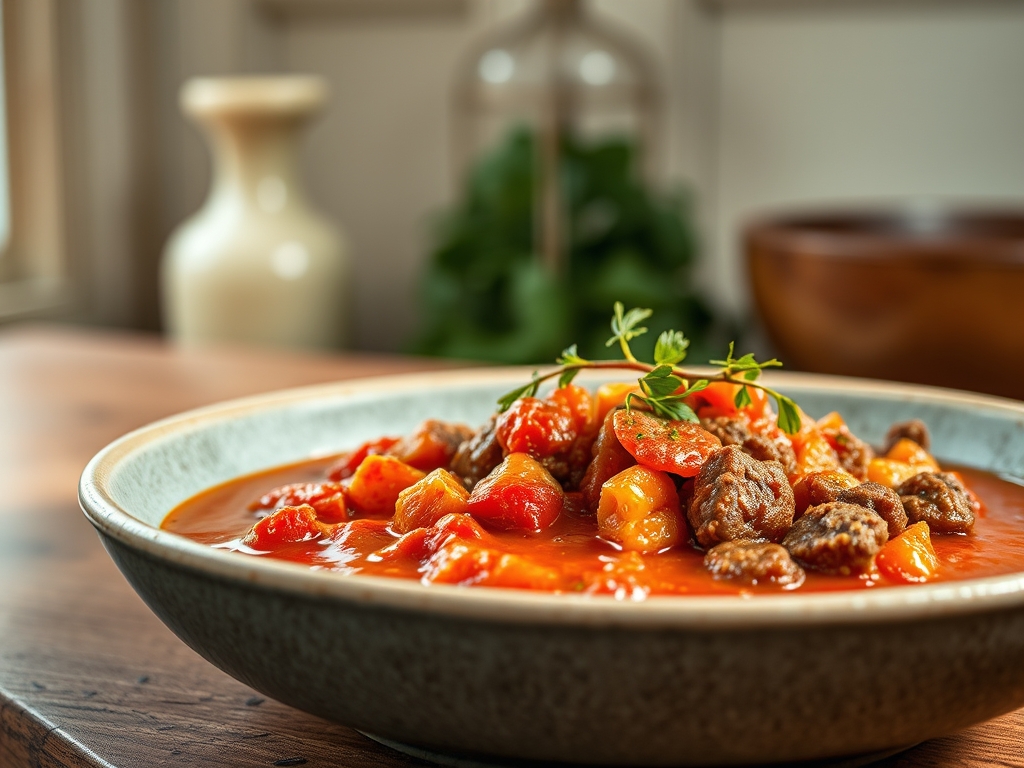
Imagine the heavy, aromatic steam rising from a Dutch oven as savory fat renders into a pool of bright, acidic broth. It is the ultimate culinary hug. When you master tomato soup and ground beef recipes, you are balancing the sharp brightness of lycopene with the deep, umami richness of Maillard-seared proteins. It is cozy, efficient, and scientifically satisfying.
The beauty of this pairing lies in the chemical synergy between the two main components. Tomato soup provides a viscous, piquant base that cuts through the heavy lipids of the beef; meanwhile, the ground beef offers a structural contrast to the smooth liquid. Whether you are craving a deconstructed stuffed pepper soup or a hearty goulash, these two ingredients are the power couple of weeknight cooking. We are not just making dinner; we are engineering comfort.
This guide will walk you through the nuances of moisture management and flavor layering. We will explore how to prevent your beef from becoming "boiled" and how to ensure your soup maintains a velvety mouthfeel. Grab your favorite heavy-bottomed skillet and a sharp chef's knife. We are about to transform these humble pantry staples into a series of six sophisticated, high-protein masterpieces that will make your kitchen smell like a professional bistro.
The Gathers:
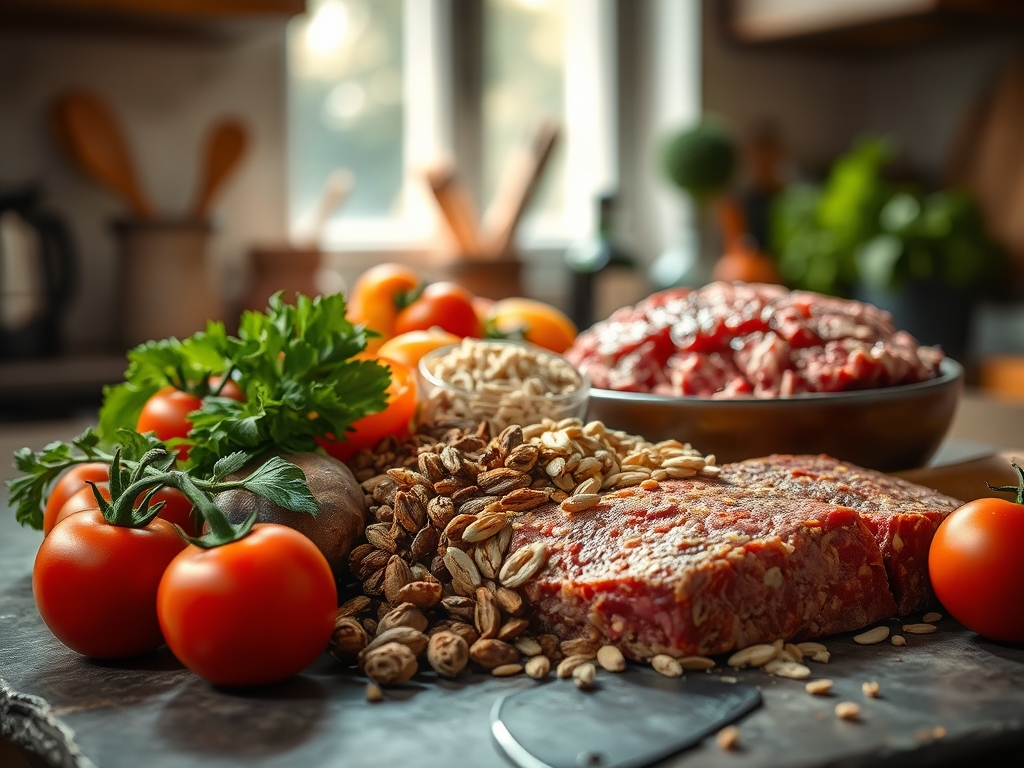
To execute these tomato soup and ground beef recipes with precision, your mise-en-place must be impeccable. Start with high-quality ground beef; ideally a 80/20 blend. The 20 percent fat content is crucial because it provides the lipids necessary to emulsify with the acidic tomato base, creating a silky texture rather than a watery one. You will need a quart of high-quality tomato basil soup or a concentrated tomato puree if you prefer to build the viscosity from scratch.
Your aromatics are the "supporting cast." Have your yellow onions, garlic cloves, and celery finely diced. Use a bench scraper to move your chopped vegetables efficiently from the cutting board to your prep bowls. For the herbal notes, fresh basil and oregano are non-negotiable. If you want to elevate the piquant profile, keep a bottle of balsamic glaze or a tin of smoked paprika nearby.
Smart Substitutions: If you are watching your saturated fat intake, swap the ground beef for ground turkey or chicken, but add a tablespoon of olive oil to mimic the mouthfeel of beef tallow. For a vegetarian "beefy" texture, use brown lentils or crumbled tempeh. If you find your tomato soup is too acidic, do not reach for sugar immediately; instead, stir in a pinch of baking soda to neutralize the pH levels or a splash of heavy cream to mellow the bite.
The Clock
Efficiency in the kitchen is all about "Chef's Flow." For most tomato soup and ground beef recipes, you are looking at a prep time of 15 minutes and a cook time of 25 to 30 minutes. The goal is to maximize flavor extraction without overcooking the meat into rubbery pellets.
The flow begins with the "Cold Start" for your aromatics, followed by the high-heat sear of the beef. While the beef renders, you can use those few minutes to grate your parmesan with a microplane or toast your sourdough croutons. By the time the soup reaches a simmer, your active work is done. Allow for a 5-minute "Rest Period" before serving; this lets the proteins relax and the flavors fuse into a cohesive profile.
The Masterclass
1. The Maillard Sear
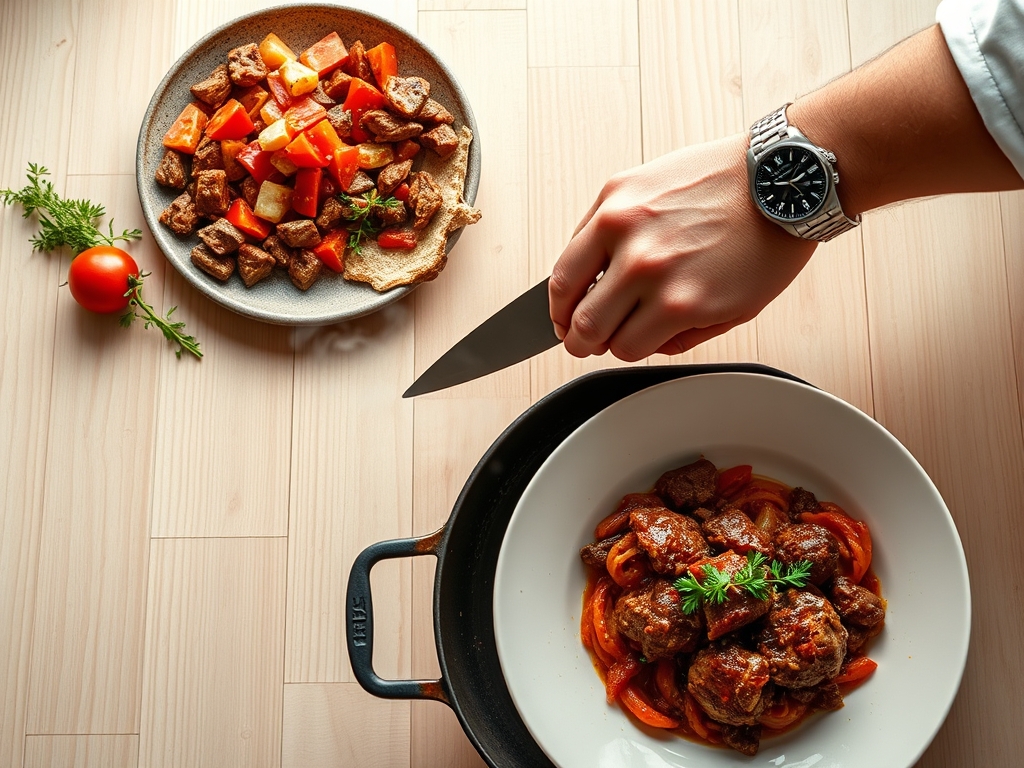
Place your heavy-bottomed skillet over medium-high heat. Add the ground beef in a single layer and leave it untouched for three minutes. This allows for enzymatic browning, also known as the Maillard reaction, which creates the complex, savory flavors that raw simmering cannot achieve. Once a deep brown crust forms, use a stiff spatula to break the meat into small, uniform crumbles.
Pro Tip: Avoid overcrowding the pan. If you add too much meat at once, the temperature drops and the meat steams in its own juices rather than searing. This results in gray, flavorless beef.
2. Deglazing the Fond
Once the beef is browned, remove it with a slotted spoon, leaving the rendered fat in the pan. Add your diced onions and garlic. As they soften, they will release moisture that loosens the "fond" (the brown bits stuck to the bottom). Use a splash of red wine or beef stock to deglaze the pan, scraping up every bit of that concentrated flavor.
Pro Tip: This step is vital for depth. The fond contains concentrated amino acids and sugars that, when re-incorporated into the liquid, provide a "fifth taste" or umami boost to the soup.
3. The Emulsion Phase
Pour your tomato soup base into the skillet or transfer everything to a saucier. Bring the mixture to a gentle simmer, not a rolling boil. Slowly stir in the cooked beef. This is where the fats from the meat begin to emulsify with the tomato solids, creating a cohesive, thickened sauce rather than a separated layer of oil on top.
Pro Tip: Use a whisk to gently stir the soup in a circular motion. This mechanical agitation helps the hydrophobic fats bond with the water-based soup, ensuring a smooth, luxurious texture.
4. Infusing the Aromatics
Add your dry spices, such as smoked paprika or Italian seasoning, during the last ten minutes of simmering. This allows the heat to infuse the essential oils from the herbs into the liquid without burning off the delicate volatile compounds that provide the aroma.
Pro Tip: If using fresh herbs like basil or parsley, add them at the very end. Heat destroys the bright chlorophyll and delicate oils in fresh herbs, so "finishing" the dish off-heat preserves their vibrant color and taste.
5. The Acid Balance
Taste your soup. If it feels "flat," it likely needs a hit of acid to brighten the heavy fats of the beef. Stir in a teaspoon of balsamic vinegar or a squeeze of lemon juice. This contrast makes the savory notes of the beef pop against the sweetness of the tomato.
Pro Tip: This is known as "brightening." Acid acts as a flavor enhancer similarly to salt, triggering salivary glands and making the palate more sensitive to the various flavor layers in the dish.
6. Thermal Carryover and Serving
Turn off the heat when the soup is steaming but not boiling. The internal temperature will continue to rise slightly due to thermal carryover. Ladle the soup into warmed bowls to maintain the serving temperature for longer.
Pro Tip: Use a digital scale to portion out servings if you are meal prepping. This ensures consistent caloric intake and even distribution of the beef-to-soup ratio across all containers.
The Deep Dive
When we look at the macro nutrition of tomato soup and ground beef recipes, we see a balanced profile. A standard serving offers approximately 25 grams of protein and 15 grams of healthy fats, depending on your beef blend. It is naturally high in Vitamin C and Lycopene, a powerful antioxidant that becomes more bioavailable when tomatoes are cooked with a fat source like beef.
Dietary Swaps: For a Keto version, ensure your tomato soup has no added sugars and stir in a dollop of heavy cream for extra fats. For Gluten-Free needs, check the label on your soup base, as some brands use flour as a thickener; use cornstarch or a potato puree as an alternative. For a Vegan twist, use "Impossible" crumbles and a coconut-milk based tomato soup.
The Fix-It:
- Too Oily: If a layer of fat sits on top, chilled air is your friend. Place a single ice cube in a spoon and skim it across the surface; the fat will cling to the cold spoon.
- Too Thin: Simmer the soup uncovered for an extra 10 minutes to evaporate excess water, or whisk in a tablespoon of tomato paste.
- Grainy Meat: This happens if the meat is boiled. Next time, ensure you sear the meat fully before adding any liquid to lock in the protein structure.
Meal Prep: These recipes actually improve on day two. As the soup sits, the spices continue to undergo molecular diffusion, spreading more evenly through the liquid. When reheating, use a low heat on the stovetop rather than a microwave to prevent the beef from becoming "rubbery" through localized overheating.
The Wrap-Up
Mastering the art of tomato soup and ground beef recipes is a gateway to effortless, high-end home cooking. By focusing on the science of the sear and the balance of acidity, you turn basic ingredients into a restorative meal. It is about the sizzle in the pan, the aroma of garlic, and that first, perfect spoonful. Now, go forth, grab your tongs, and start browning that beef. Your kitchen is your laboratory; make it delicious!
The Kitchen Table
Can I use frozen ground beef for these recipes?
Yes, but you must thaw it completely in the refrigerator first. Excess moisture from frozen meat prevents the Maillard reaction, leading to gray, steamed beef rather than a flavorful, seared crust. Always pat the meat dry before hitting the pan.
How do I make the soup creamier without adding dairy?
Whisk in a tablespoon of cashew butter or use a stick blender to puree a portion of the soup with some canned white beans. This adds a velvety, viscous texture and extra fiber without altering the flavor profile significantly.
What is the best way to store leftovers?
Store the soup in airtight glass containers for up to four days. Glass is preferable to plastic because the acidity in tomatoes can stain and degrade plastic over time. For longer storage, this soup freezes beautifully for three months.
Can I add pasta directly to the soup?
It is better to cook pasta separately and add it to the bowl. If you simmer pasta in the soup, the starches will leach out and make the liquid overly thick and "gummy" while the noodles soak up all your broth.