
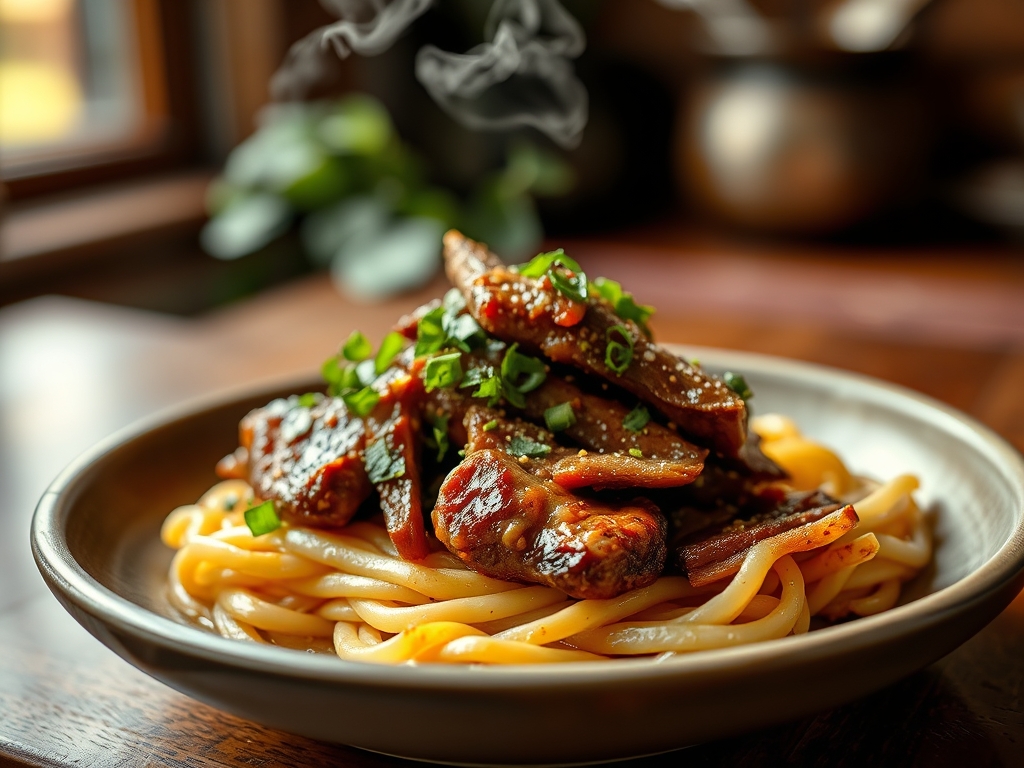
Imagine the hiss of a heavy-bottomed skillet meeting cold oil; the scent of toasted ginger and fermented soy hitting your nostrils before you even take a bite. Mastering panda express beef recipes at home is not just about the sauce. It is about the chemistry of the sear and the delicate art of the velvet. We are going to transform your kitchen into a high-heat wok station without the commercial gas lines.
The secret to that iconic Beijing Beef or Broccoli Beef texture lies in a process called velveting. This is a traditional Chinese technique where meat is marinated in a mixture of cornstarch and egg whites to create a protective barrier. This barrier prevents the muscle fibers from tightening under extreme heat; ensuring every slice remains tender enough to melt. Today, we are breaking down the professional mechanics of these flavors so you can replicate that glossy, piquant finish right on your stovetop. Put on your apron; we are about to get technical.
The Gathers:
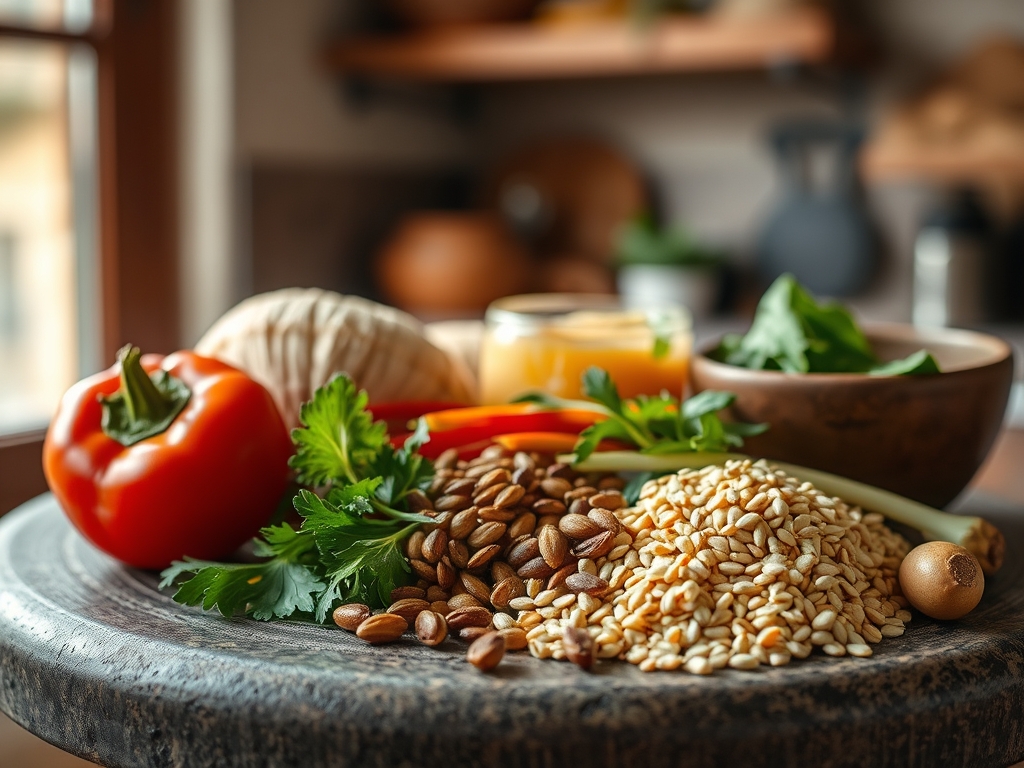
To achieve the specific viscosity and depth of panda express beef recipes, your mise-en-place must be precise. Start with flank steak or top sirloin. These cuts have long muscle fibers that are ideal for absorbing a marinade once they are sliced against the grain. You will need a digital scale to measure your cornstarch and baking soda. The baking soda acts as a chemical tenderizer; it raises the pH level on the surface of the meat, which prevents the proteins from bonding too tightly.
Your pantry should include dark soy sauce for color and light soy sauce for salinity. Grab a microplane for your fresh ginger and garlic to ensure they emulsify into the sauce rather than burning in large chunks. For the "Smart Substitutions," if you are out of Shaoxing wine, a dry sherry works beautifully because it shares the same fermented, nutty profile. If you need to swap the sugar, use a touch of honey or agave; however, remember that honey burns at a lower temperature, so watch your heat during the final glaze.
The Clock
The "Chef's Flow" is all about timing. Total active prep time is 20 minutes, while the cook time is a lightning-fast 8 minutes. However, the most critical phase is the 30-minute rest period during the velveting process. This allows the alkaline properties of the baking soda to work their magic on the beef proteins.
In a professional kitchen, everything is staged. You cannot be chopping broccoli while the beef is searing. The sear happens in under 120 seconds. If you hesitate, the beef will overcook and become rubbery. We operate on a "Just-in-Time" delivery system; the sauce is whisked in a saucier beforehand, the vegetables are blanched, and the beef is room temperature before it touches the pan.
The Masterclass
1. The Precision Slice
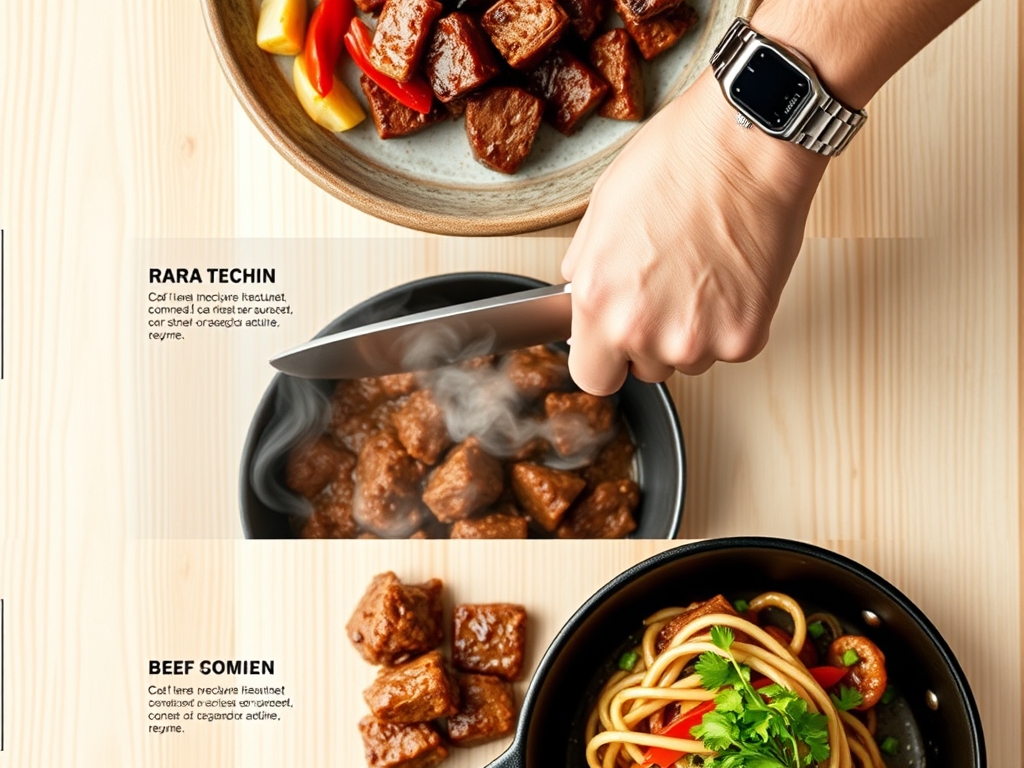
Using a sharp chef's knife, slice your beef into 1/8-inch thick strips, always cutting against the grain. This shortens the muscle fibers, making the meat easier to chew.
Pro Tip: Place the beef in the freezer for 15 minutes before slicing. This firms up the fat and muscle, allowing for much thinner, more consistent pieces which ensures an even cook.
2. The Alkaline Velvet
In a bowl, toss the beef with cornstarch, a splash of oil, and a pinch of baking soda. Massage the mixture until it becomes a tacky paste that coats every surface.
Pro Tip: This creates a physical barrier that slows down the Maillard reaction just enough to prevent the exterior from drying out before the interior reaches the safe temperature of 145 degrees Fahrenheit.
3. The High-Smoke Point Sear
Heat a heavy-bottomed skillet or wok until a drop of water flicked onto the surface dances and evaporates instantly. Add a high-smoke point oil like peanut or grapeseed oil.
Pro Tip: Do not use olive oil; its low smoke point will cause it to break down and turn bitter. A high-heat oil allows for thermal carryover, where the meat continues to cook perfectly once removed from the heat.
4. The Aromatics Infusion
Push the beef to the edges of the pan and drop your minced garlic and ginger into the center. Use a bench scraper or tongs to move them quickly so they do not char.
Pro Tip: This is called "blooming" the spices. The fat-soluble flavor compounds in garlic and ginger are released more effectively in hot oil than in the liquid sauce.
5. The Deglaze and Emulsify
Pour your pre-mixed sauce into the center of the pan. Use a whisk or spatula to scrape up any browned bits (the fond) from the bottom of the skillet.
Pro Tip: The cornstarch from the meat marinade will naturally thicken the liquid, creating a viscous emulsion that clings to the beef rather than pooling at the bottom of the plate.
The Deep Dive
When we look at the macro nutrition, a standard serving of these panda express beef recipes provides roughly 25 grams of protein and 12 grams of fat. To make this Keto-friendly, swap the cornstarch for xanthan gum and use liquid aminos instead of soy sauce. For a vegan version, use king oyster mushrooms; their fibrous texture mimics beef remarkably well when seared at high temperatures.
If your sauce is too thin, do not panic. This is a common pitfall. The fix is a "slurry": mix one teaspoon of cornstarch with one teaspoon of cold water and whisk it into the simmering sauce. If the beef is tough, you likely skipped the baking soda or sliced with the grain. If the sauce is too salty, add a teaspoon of rice vinegar; the acidity will balance the sodium levels. For meal prep, store the beef and sauce separately from the rice. Reheat in a skillet over medium heat with a tablespoon of water to aerate the sauce and restore its original glossy sheen.
The Wrap-Up
You now hold the technical keys to the kingdom of panda express beef recipes. By focusing on the science of velveting and the physics of a high-heat sear, you have elevated a simple weeknight meal into a culinary masterpiece. Remember that great cooking is about control; control of your heat, control of your prep, and control of your ingredients. Go forth, get that wok screaming hot, and enjoy the most tender beef you have ever made in your own kitchen.
The Kitchen Table
How do I make the beef extra crispy?
Coat the velveted beef in a second layer of dry cornstarch right before frying. This creates a dual-layer crust that stays crunchy even after you toss it in the piquant sauce.
What is the best beef cut for stir fry?
Flank steak is the gold standard for its balance of lean meat and grain structure. Top sirloin or skirt steak are excellent secondary choices for high-heat searing.
Why is my stir fry sauce watery?
This usually happens if the pan is crowded, causing the meat to steam rather than sear. Cook in small batches to maintain high heat and ensure the cornstarch activates correctly to thicken.
Can I make this gluten-free?
Absolutely. Replace the soy sauce with tamari or coconut aminos and ensure your cornstarch is certified gluten-free. The flavor profile remains almost identical to the original recipe.