
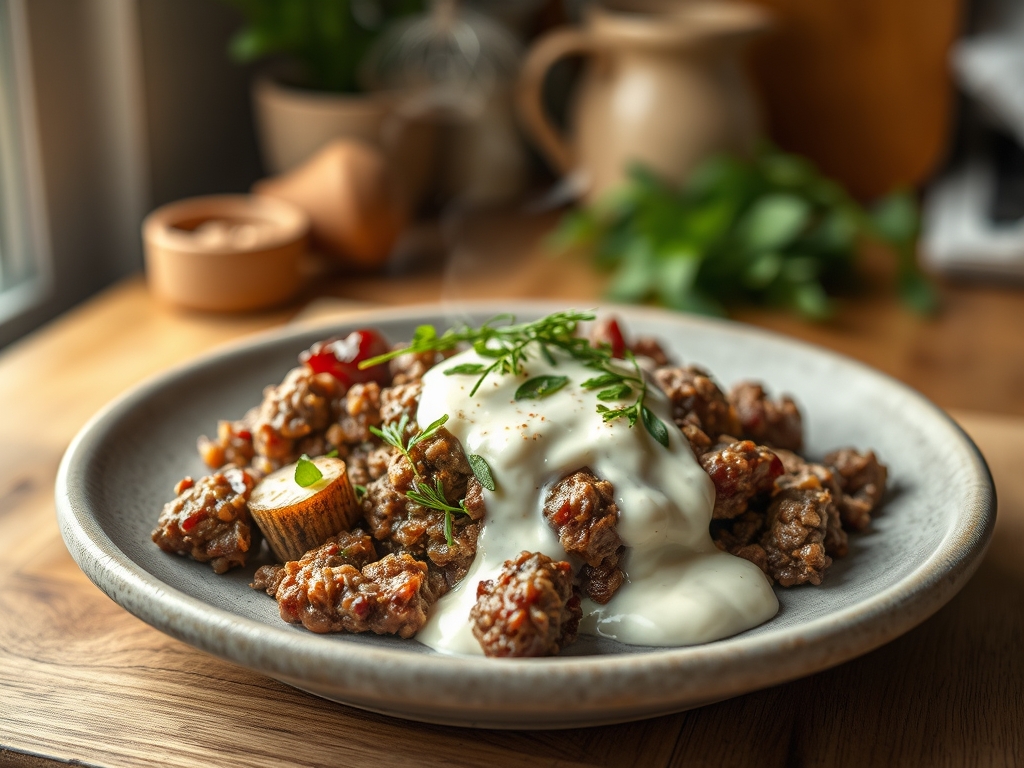
Close your eyes and listen for that specific, rhythmic sizzle. It is the sound of fat rendering in a heavy-bottomed skillet, a precursor to the most comforting meal in your repertoire. When you are craving something truly velvety, ground beef recipes with heavy cream offer a level of decadence that lean proteins simply cannot match. We are talking about the intersection of Maillard-driven savoriness and the luxurious mouthfeel of high-fat dairy. It is the culinary equivalent of a cashmere blanket. Whether you are folding a splash of cream into a piquant stroganoff or using it to emulsify a rich pan sauce, the science remains the same. The cream acts as a bridge, mellowing the intensity of the beef while carrying fat-soluble aromatics across your palate. This is not just home cooking; it is a masterclass in texture. We are going to transform humble pantry staples into restaurant-quality plates that feel intentional, sophisticated, and deeply satisfying. Grab your apron and your favorite whisk; we are diving into the silky world of cream-based beef mastery.
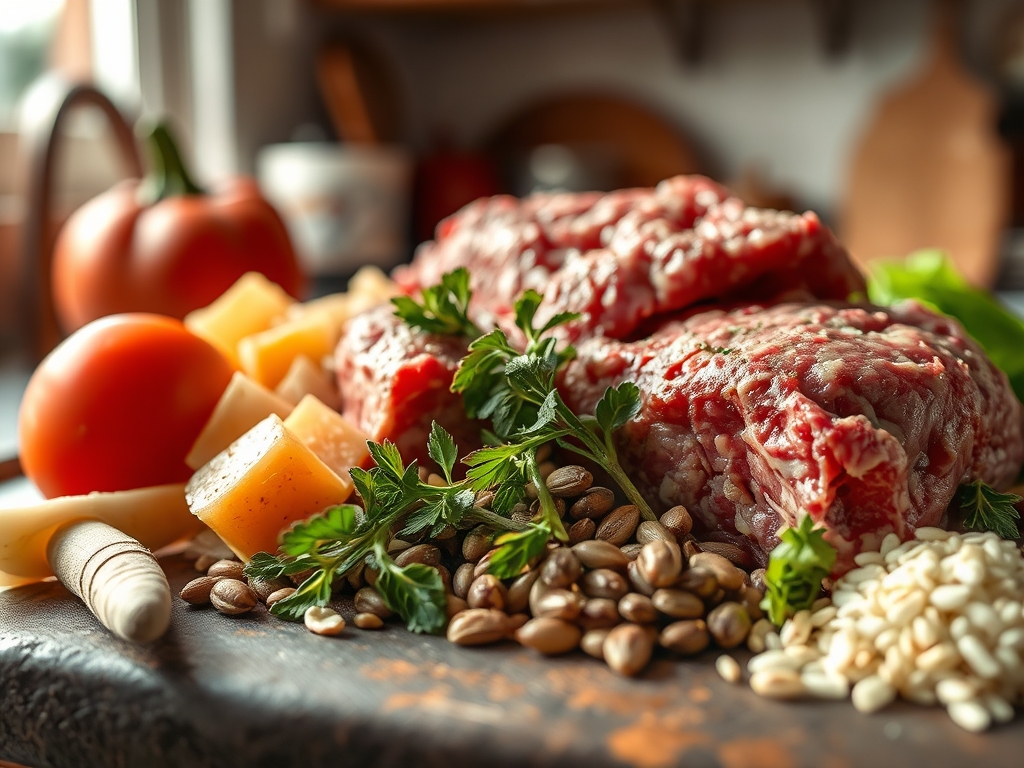
The Gathers:
Before we ignite the burners, we must respect the mise-en-place. To execute these ground beef recipes with heavy cream perfectly, your ingredients must be at the correct thermal state. Cold cream added to a boiling pan will break, so pull your dairy out early. You will need high-quality ground beef, ideally an 80/20 blend. This ratio ensures enough intramuscular fat to lubricate the proteins during the high-heat searing phase.
Your aromatics should be prepped with precision. Use a sharp chef knife to finely dice your shallots and a microplane to grate fresh garlic into a paste. This increases the surface area, allowing the sulfurous compounds to mellow quickly in the hot fat. For the cream component, look for heavy whipping cream with at least 36 percent milk fat. This high fat content provides the stability needed to withstand acidic additions like Dijon mustard or dry sherry without curdling.
Smart Substitutions:
If you find yourself short on heavy cream, a combination of whole milk and unsalted butter can work, though it lacks the same viscous stability. For a tangier profile, creme fraiche is a brilliant substitute; its cultured acidity cuts through the richness of the beef. If you are avoiding dairy, full-fat coconut milk provides a similar texture, though you must balance the tropical notes with extra savory elements like Worcestershire sauce or liquid aminos.
The Clock
Efficiency in the kitchen is about understanding the Chef's Flow. This is the art of overlapping tasks so that no heat is wasted. For these indulgent beef dishes, expect a total commitment of 40 to 50 minutes. The first 15 minutes are dedicated to prep; chopping, measuring, and organizing your station. The cooking phase takes roughly 25 minutes.
The flow begins with the sear. While the beef renders, you should be prepping your deglazing liquids. As the sauce reduces, that is your window to boil pasta or steam greens. Never rush the reduction phase. Evaporating the water content from the cream is what creates that iconic, coat-the-back-of-the-spoon consistency. If you try to shave five minutes off the simmer time, you will end up with a thin, watery mess rather than a cohesive emulsion.
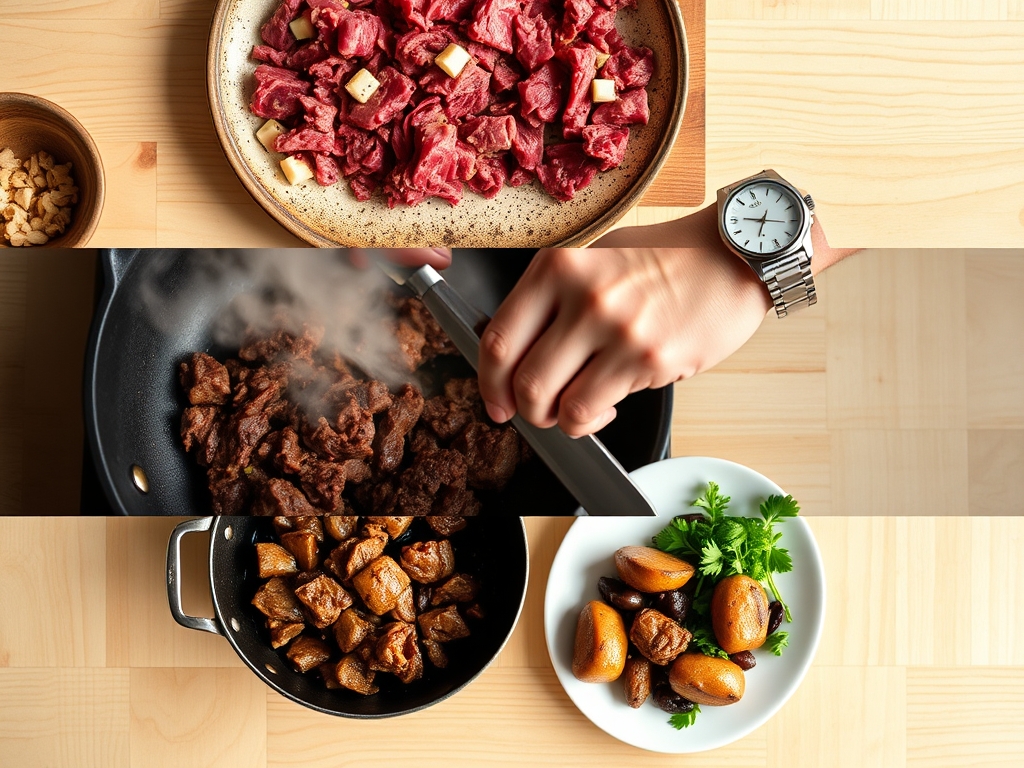
The Masterclass:
1. The High-Heat Sear
Place your heavy-bottomed skillet over medium-high heat until it wisps with smoke. Add the beef in a single layer, resisting the urge to stir immediately. You want to achieve a deep, mahogany crust.
Pro Tip: This is the Maillard Reaction at work. By leaving the meat undisturbed, you allow amino acids and reducing sugars to reorganize into hundreds of flavor compounds. Moving the meat too early causes it to steam in its own moisture rather than brown.
2. Deglazing the Fond
Once the meat is browned and removed, you will see brown bits stuck to the bottom of the pan. This is "fond," the concentrated essence of flavor. Pour in a splash of beef stock or dry white wine and use a wooden spoon to scrape it up.
Pro Tip: Deglazing is a chemical process that dissolves caramelized proteins. This step ensures that the complex flavors developed during the sear are fully integrated into your final cream sauce.
3. Sweating the Aromatics
Lower the heat and add your shallots and garlic to the remaining fat. Cook until translucent and fragrant, but do not let them brown.
Pro Tip: This is called sweating, which differs from sautéing. The goal is to soften the cellulose walls of the vegetables to release their essential oils without creating the bitter notes associated with browning.
4. The Cream Integration
Slowly pour in the heavy cream while whisking constantly. Bring the mixture to a gentle simmer, never a rolling boil.
Pro Tip: Maintaining a low simmer prevents the milk proteins from denaturing too quickly. If the heat is too high, the fat will separate from the solids, resulting in a greasy texture rather than a smooth emulsion.
5. Flavor Layering
Add your secondary flavor agents now: Dijon mustard, Worcestershire sauce, or fresh herbs like thyme and parsley. These add "brightness" to the heavy fats.
Pro Tip: This is the acid-fat balance. The vinegar in the mustard and the tannins in the herbs provide a necessary counterpoint to the richness of the cream, preventing the dish from feeling one-dimensional.
6. The Emulsion Finish
Return the beef to the pan and toss to coat. Let it simmer for three minutes to allow the flavors to marry.
Pro Tip: This stage utilizes thermal carryover. The beef will finish cooking in the sauce, absorbing the cream and ensuring every bite is infused with moisture from the inside out.
7. The Final Seasoning
Taste your sauce and add salt or freshly cracked black pepper only at the very end.
Pro Tip: Salt should be the final adjustment because the sauce has reduced. If you salt at the beginning, the evaporation process will concentrate the sodium, potentially making the final dish too salty to eat.
The Deep Dive
When we look at the macro nutrition of these dishes, we are dealing with a high-protein, high-fat profile. A standard serving contains roughly 35 grams of protein and 40 grams of fat. It is a powerhouse of satiety. For those on specific diets, the swaps are simple. Keto followers are already in luck; just serve the beef over roasted cauliflower. For Gluten-Free needs, ensure your beef stock is certified and use a cornstarch slurry if you need extra thickening.
The Fix-It: Common Pitfalls
- The Sauce Broke: If you see oil pooling on top, your sauce has split. Fix this by whisking in a tablespoon of very hot water or an extra splash of cold cream to re-emulsify the fats.
- The Meat is Gray: This happens if the pan was crowded. Fix this by removing the meat, wiping the pan, and searing in smaller batches next time to ensure proper heat distribution.
- The Sauce is Too Thin: If it looks like soup, continue to simmer uncovered. The evaporation of water is the only way to achieve a professional nappe consistency.
Meal Prep and Reheating
Cream-based dishes can be tricky to reheat because the microwave often causes the fat to separate. To maintain "day-one" quality, reheat your beef and cream sauce in a small saucier over low heat on the stove. Add a teaspoon of water or milk and whisk gently as it warms to restore the emulsion.
The Wrap-Up
Mastering ground beef recipes with heavy cream is a rite of passage for any home cook looking to elevate their weekday routine. It is about understanding how heat transforms fat and how cream provides a canvas for complex flavors. You have the tools, the science, and the technique; now it is time to get into the kitchen and create something spectacular. Remember, cooking is as much about the process as the result. Enjoy the aromas, trust your palate, and don't be afraid to get a little indulgent.
The Kitchen Table
Can I use half-and-half instead of heavy cream?
You can, but the sauce will be thinner and more prone to curdling. Half-and-half lacks the fat stability of heavy cream, so add it at the very end of cooking over very low heat to prevent breaking.
How do I prevent the garlic from burning?
Always add your garlic after the onions or shallots have already softened. Garlic has a high sugar content and a low water content, meaning it browns and turns bitter in seconds if the pan is too hot.
What is the best way to store leftovers?
Store in an airtight glass container for up to three days. Glass is preferable to plastic because it does not absorb the fats from the cream sauce, making it easier to clean and better for flavor preservation.
Why does my sauce taste bland despite the cream?
You likely need more acid or salt. A squeeze of lemon juice or a teaspoon of Sherry vinegar can "wake up" the heavy fats, allowing the savory notes of the beef to shine through more clearly.