
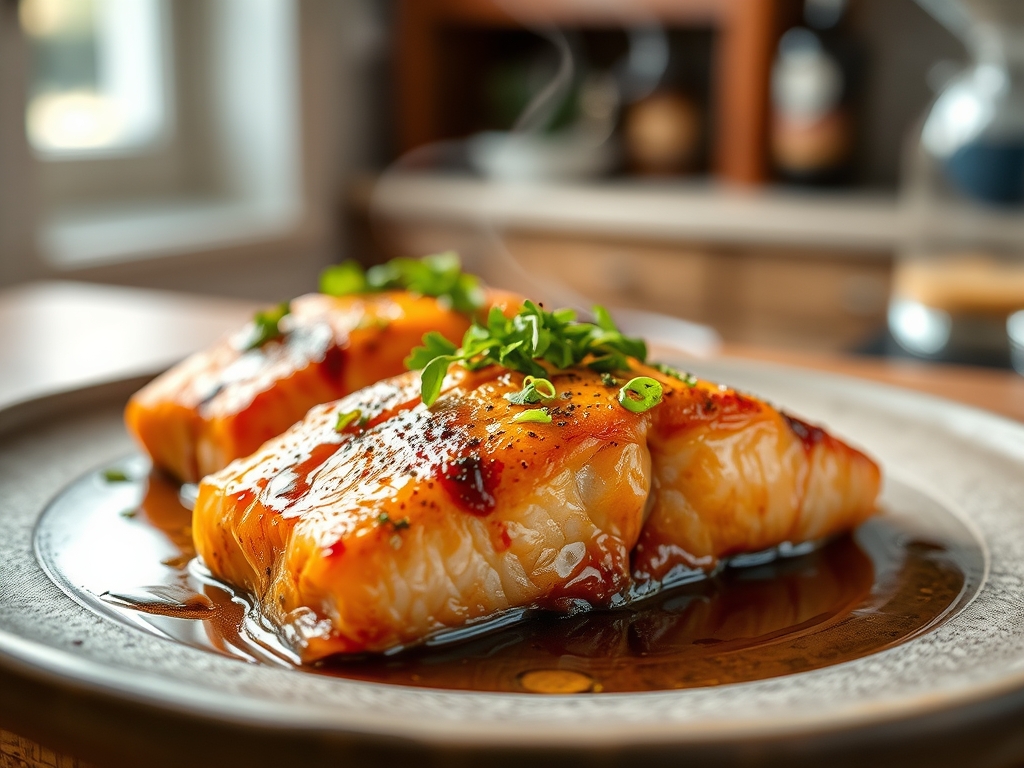
Picture this: the sun is dipping low, casting a golden hue across your kitchen island while a heavy-bottomed skillet begins to hum with heat. There is a specific, intoxicating aroma that happens when oak-aged spirits meet the fatty richness of Atlantic fillets. If you are searching for the ultimate bourbon marinated salmon recipes, you have arrived at the intersection of molecular chemistry and pure, unadulterated comfort. We are not just cooking dinner; we are engineering a masterpiece of caramelization and smoke.
The secret to a restaurant-quality crust lies in the interaction between the sugars in the bourbon and the amino acids in the fish. This is the Maillard reaction in its most elegant form. When you pour that amber liquid into your mixing bowl, you are introducing vanillin and tannins that act as a bridge between the savory sea and the sweet charred barrel notes. It is sophisticated, slightly piquant, and surprisingly easy to master if you understand the physics of the sear. Let us grab a glass and get to work.
The Gathers:
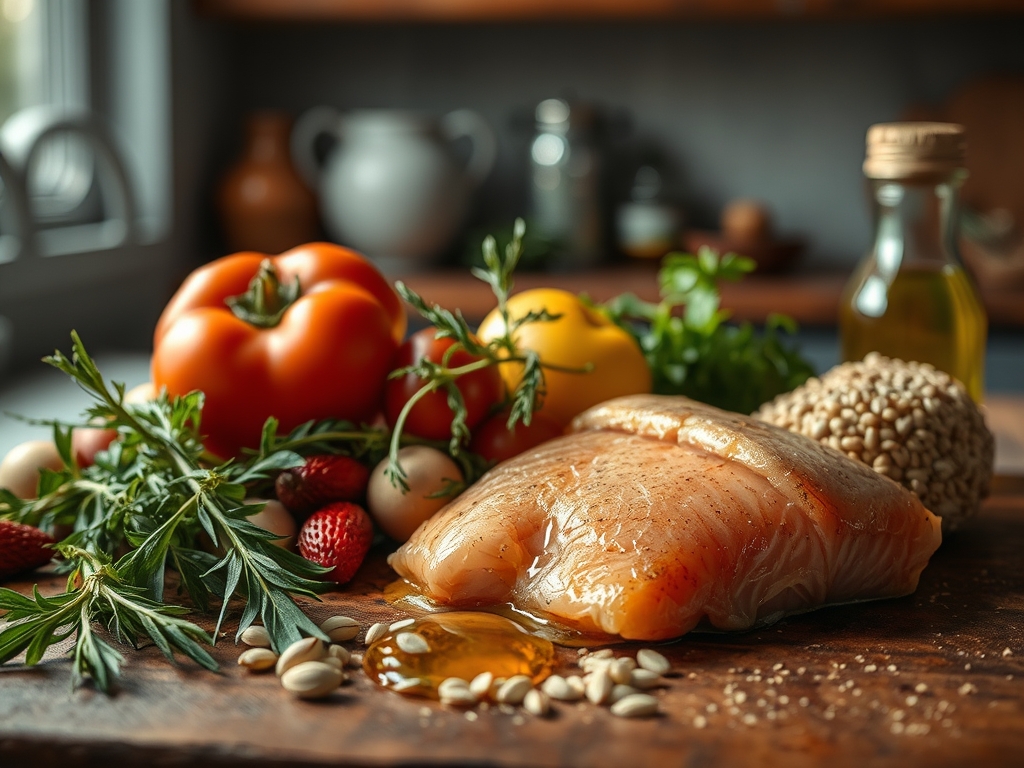
To achieve the perfect texture, your mise-en-place must be precise. Start with four six-ounce salmon fillets, preferably center-cut for uniform thickness. You will need a high-quality bourbon; choose one with high rye content for a spicier kick or a wheated bourbon for a smoother, sweeter finish.
For the marinade, gather dark brown sugar for its high molasses content, low-sodium soy sauce for umami depth, and freshly grated ginger. Use a microplane to zest a clove of garlic and a teaspoon of ginger into a fine paste. This increases the surface area, allowing the aromatics to infuse the oil-based marinade more effectively. You will also need toasted sesame oil to act as an emulsifier and a pinch of red pepper flakes for a subtle heat.
Smart Substitutions: If you are out of bourbon, a dark aged rum or a smoky Scotch can provide a similar depth. For a refined sugar-free version, maple syrup offers a beautiful viscous quality that clings to the fish. If you prefer a citrus forward profile, replace the ginger with lime zest to brighten the heavy oak notes of the spirit.
The Clock
Efficiency in the kitchen is all about "Chef's Flow." Total active preparation time is roughly 15 minutes, but the magic happens during the resting phases. You will want to marinate the salmon for at least 30 minutes, but no longer than two hours. Beyond that, the alcohol and salt begin to denature the delicate proteins, resulting in a mushy texture rather than a flaky one.
The cook time is a swift 8 to 10 minutes depending on the thickness of your fillets. Factor in a 5-minute rest period post-sear to allow the juices to redistribute. This prevents the moisture from escaping the moment your fork hits the flesh. Total time from pantry to plate is approximately one hour.
The Masterclass:
1. The Emulsion Phase
Whisk your bourbon, soy sauce, brown sugar, and aromatics in a small saucier. Slowly drizzle in the sesame oil while whisking vigorously to create a temporary emulsion. Place your salmon in a shallow glass dish and pour the mixture over, ensuring every millimeter is coated.
Pro Tip: This is the "Solubility Secret." Alcohol is a unique solvent that carries both water-soluble and fat-soluble flavor molecules into the flesh of the fish more deeply than water alone ever could.
2. The Tempering Technique
Remove the salmon from the refrigerator 15 minutes before cooking. Cold fish hitting a hot pan causes the muscle fibers to seize and contract violently, pushing out moisture. Bringing the protein closer to room temperature ensures a more even thermal gradient during the sear.
Pro Tip: This prevents "Albumin Bleed," which is that white protein that leaks out when salmon is shocked by extreme temperature changes.
3. The Sear and Sizzle
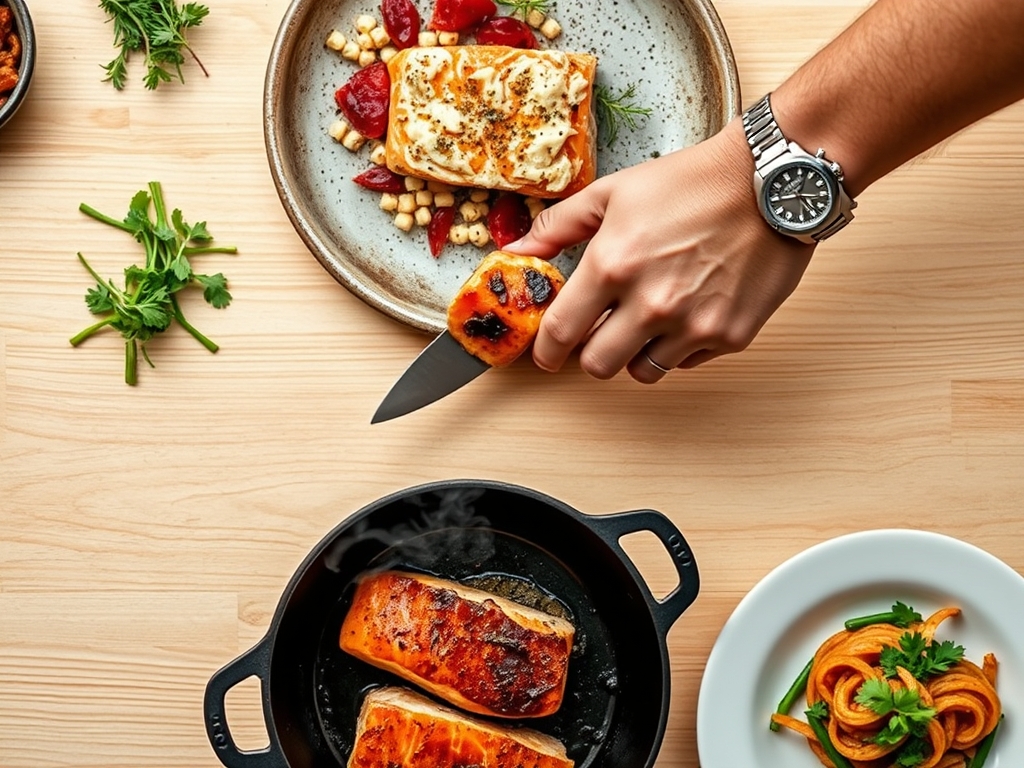
Heat a heavy-bottomed skillet (cast iron is king here) over medium-high heat. Add a high-smoke-point oil like avocado oil. Use tongs to place the salmon skin-side down. Press firmly with a fish spatula for 30 seconds to ensure full contact and prevent the skin from curling.
Pro Tip: This utilizes "Conductive Heat Transfer." By pressing the fish, you ensure the skin renders its fat completely, resulting in a glass-like, crispy texture.
4. The Glaze Reduction
Flip the fillets gently. Pour the remaining marinade into the pan. The liquid will begin to bubble and froth as the alcohol evaporates and the sugars concentrate. Use a spoon to baste the top of the salmon with this thickening syrup.
Pro Tip: This is "Enzymatic Browning." The reduction of the liquid creates a lacquered finish that traps internal moisture while adding a concentrated punch of flavor.
5. The Carryover Finish
Remove the salmon when a digital scale or meat thermometer reads 125 degrees Fahrenheit for medium-rare. Transfer to a warm plate and tent loosely with foil.
Pro Tip: "Thermal Carryover" will continue to cook the fish for several minutes after it leaves the pan; rising about 5 to 10 degrees. Pulling it early ensures it remains succulent rather than chalky.
The Deep Dive
From a nutritional standpoint, this dish is a powerhouse of Omega-3 fatty acids and high-quality protein. A standard serving contains roughly 350 calories, 22g of fat, and 34g of protein. To make this Keto-friendly, swap the brown sugar for a monk fruit sweetener. For a Gluten-Free version, utilize tamari or liquid aminos in place of soy sauce.
The Fix-It:
- Skin sticking to the pan? You likely tried to flip it too early. The fish will naturally release once the proteins have fully caramelized.
- Marinade burning? If the sugar turns bitter, your pan is too hot. Deglaze immediately with a splash of water or extra bourbon to lower the temperature.
- Dry interior? You missed the carryover window. Next time, use a thermometer to pull the fish at 125 degrees.
Meal Prep: If you have leftovers, do not microwave them on high power. The intense radiation will explode the delicate fat cells. Instead, reheat in a 275-degree oven with a splash of water, covered in foil, until just warmed through. This preserves the "day-one" flake.
The Wrap-Up
Mastering bourbon marinated salmon recipes is like learning a magic trick that actually tastes good. It is about balancing the aggressive bite of the spirit with the gentle, buttery nature of the fish. When you pull that glistening, mahogany-colored fillet from the pan, you are not just serving a meal; you are presenting a technical achievement. Go ahead, take the credit. Your kitchen, your rules!
The Kitchen Table
Can I use any bourbon for the marinade?
Yes; however, avoid "cooking bourbons." Use a mid-shelf bottle you enjoy drinking. The nuances of the oak and vanilla will concentrate during the reduction process, so quality matters for the final flavor profile.
How do I prevent the salmon skin from being soggy?
Ensure the skin is bone-dry before marinating. When cooking, use a heavy-bottomed skillet and press the fish down with a spatula. This ensures the fat renders out completely, creating a crispy, cracker-like texture.
Is the alcohol content safe for children?
Most of the alcohol burns off during the reduction and searing process. However, a tiny residual amount may remain. If you are concerned, simmer the marinade for two minutes on the stove before using it to coat the fish.
What are the best side dishes for bourbon salmon?
Look for sides that cut through the richness. A bright citrus slaw, roasted asparagus with lemon, or a wild rice pilaf are excellent choices. The acidity in these sides balances the heavy, sweet notes of the bourbon glaze.