
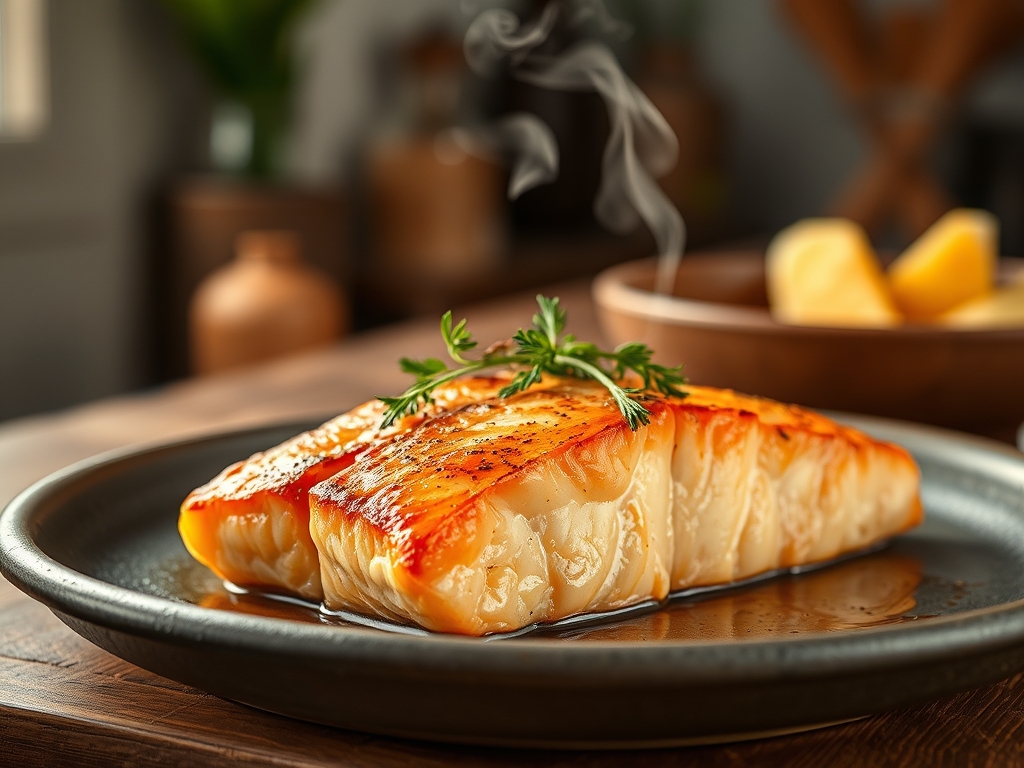
Imagine the sound of a cold, heavy-bottomed skillet meeting a high-flame burner; that sharp, rhythmic click-click-click of the igniter followed by a sudden, expectant hush. You are standing there with a fillet of King salmon, its flesh a vibrant, sunset-orange hue, wondering how to transform this prehistoric-looking protein into a five-star masterpiece without setting off the smoke alarm. Mastering beginner salmon recipes is less about following a rigid script and more about understanding the beautiful, chaotic physics of heat transfer and protein denaturation. We are going to move past the days of dry, chalky fish and grey, unappealing skin. Instead, we are diving into a world where the skin shatters like glass under a fork and the interior remains a buttery, translucent medium-rare. Whether you are cooking for a date or just trying to survive a Tuesday night, these ten hacks will turn your kitchen into a high-end bistro. We are talking about precision, flavor layering, and the kind of culinary confidence that usually takes years to develop, condensed into one glorious afternoon of cooking.
The Gathers:
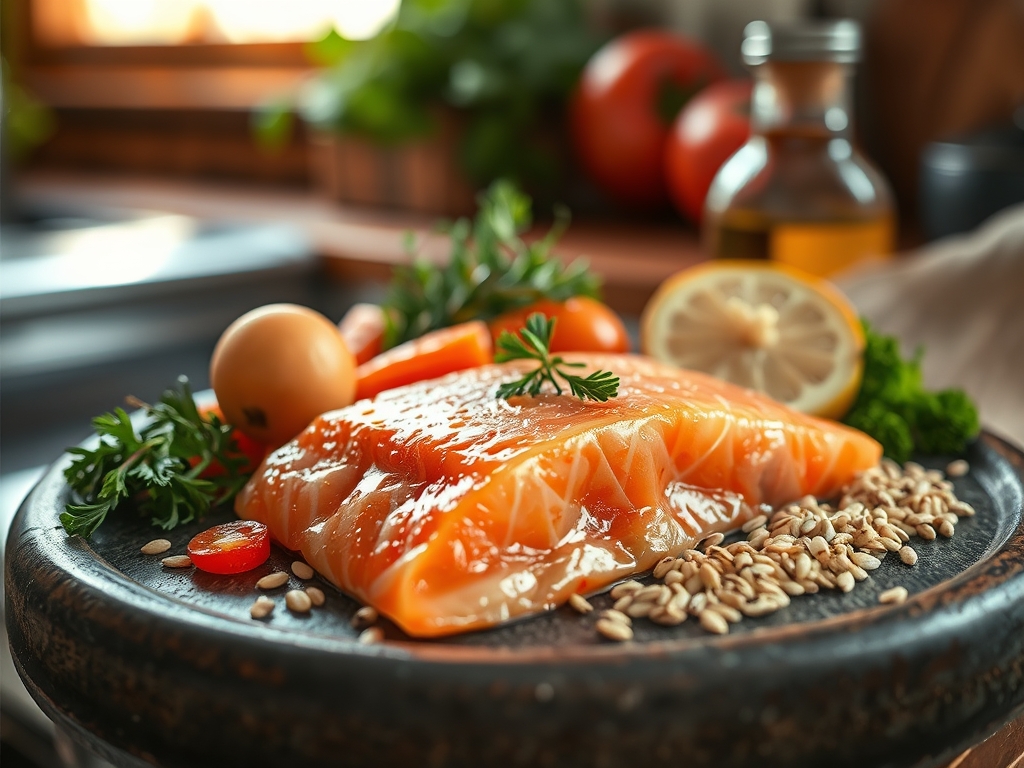
Before we touch the heat, we must respect the mise-en-place. To execute these beginner salmon recipes, your workstation needs to be an altar of organized efficiency. Start with your salmon; look for fillets that are firm to the touch with no "gapping" or separation between the muscle fibers. You will need a high-smoke-point fat, such as avocado oil or clarified butter (ghee), to facilitate the Maillard reaction without the oil breaking down into acrid compounds.
Grab your microplane for zesting citrus; this tool allows you to shave off the aromatic flavedo without hitting the bitter white pith. You will also need a digital scale for precise seasoning, ensuring a 1.5 percent salt-to-weight ratio for perfect osmotic penetration. For the aromatics, gather fresh thyme, garlic cloves with the skins on for a mellow infusion, and a splash of dry white wine to deglaze the pan later.
Smart Substitutions: If you are avoiding dairy, swap the finishing butter for a viscous emulsification of tahini and lemon juice. If you lack a heavy-bottomed skillet, a cast iron pan is your best friend for heat retention. No fresh herbs? A pinch of high-quality fennel pollen or smoked paprika can provide that deep, piquant complexity you crave.
The Clock
Efficiency in the kitchen is governed by the "Chef's Flow." For beginner salmon recipes, your total active time should hover around 15 minutes, with a 10-minute prep window. The secret is the "Resting Phase." Just as a runner needs to cool down, salmon needs at least 5 minutes off the heat to allow the internal juices to redistribute.
The prep involves drying the skin (3 minutes), seasoning (1 minute), and heating the pan (4 minutes). The actual sear takes 6 to 8 minutes depending on the thickness of the fillet. If you are using a saucier to whip up a quick pan sauce, do this while the fish rests to ensure the sauce is hot and the fish is perfectly tempered.
The Masterclass
1. The Desiccated Skin Technique
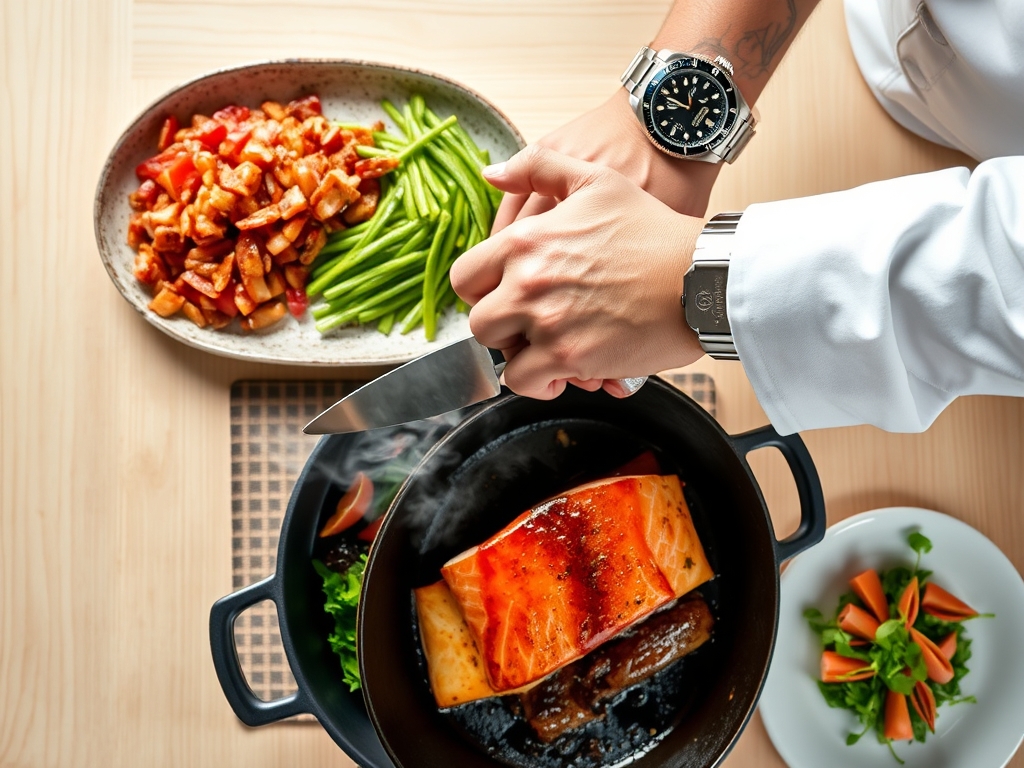
Before the fish ever touches the pan, use a bench scraper or the back of a knife to press moisture out of the skin. Use a paper towel to pat it bone-dry.
Pro Tip: This prevents the formation of steam. Steam is the enemy of crispiness; by removing surface water, you allow the heat to immediately begin the Maillard reaction, creating a golden, crunchy crust.
2. The Cold-Start Sear
Place the salmon skin-side down in a cold, non-stick pan, then turn the heat to medium-high. Use a weight or a heavy spatula to press the fish down for the first 30 seconds.
Pro Tip: This prevents the skin from curling. As the collagen in the skin heats up, it shrinks; physical pressure keeps it flat, ensuring even browning across the entire surface.
3. The Salt Osmosis Window
Season your salmon either 45 minutes before cooking or immediately before it hits the pan. Never in between.
Pro Tip: Salt draws moisture out via osmosis. If you wait 10 minutes, the surface will be wet and soggy. If you wait 45 minutes, the brine is reabsorbed, seasoning the interior and breaking down tough proteins for a tender bite.
4. The Butter Baste (Arrosé)
Once you flip the fish, add a knob of butter, smashed garlic, and thyme to the pan. Use a large spoon to continuously douse the skin with the foaming fat.
Pro Tip: This is called arrosé. The hot fat carries the aromatics into every crevice of the fish while providing a gentle, secondary heat source to finish the interior without overcooking the bottom.
5. The Internal Temperature Target
Use a digital thermometer to pull the salmon at 125 degrees Fahrenheit for a perfect medium-rare.
Pro Tip: This accounts for thermal carryover. The internal temperature will continue to rise by 5 to 7 degrees while the fish rests, landing you exactly at the 130 to 132 degree sweet spot.
6. The Acid Balance
Always finish your salmon with a squeeze of fresh lemon or a drop of champagne vinegar right before serving.
Pro Tip: Acid acts as a molecular "brightener." It cuts through the heavy lipids (fats) of the salmon, stimulating your salivary glands and making the flavors pop.
7. The Parchment Paper Barrier
If you are terrified of the fish sticking, place a small square of parchment paper between the fish and the pan.
Pro Tip: This creates a physical barrier that prevents protein bonding with the metal. The heat still transfers through, but the "glue" effect of the fish proteins is neutralized.
8. The Gentle Flake Test
Instead of cutting into the fish, use a fork to gently press on the top. If the laminates (the layers of fat) begin to separate, it is done.
Pro Tip: This preserves the structural integrity of the fillet. Cutting it open releases the internal pressure, causing the precious juices to leak out onto the plate.
9. The Room Temp Tempering
Take your salmon out of the fridge 20 minutes before cooking to take the chill off.
Pro Tip: A cold center takes longer to cook, often leading to a burnt exterior and a raw interior. Tempering ensures a uniform heat gradient from the surface to the core.
10. The Rest and Recovery
Place the cooked salmon on a wire rack, not a flat plate, for three minutes before serving.
Pro Tip: A flat plate traps steam under the skin, turning your crispy masterpiece soggy. A wire rack allows for aeration, keeping the skin shattered-glass crisp.
The Deep Dive
When we look at the macro-nutritional profile of salmon, it is a powerhouse of Omega-3 fatty acids (EPA and DHA), which are essential for brain health. A standard 6-ounce fillet provides roughly 34 grams of high-bioavailability protein.
Dietary Swaps: For a Keto version, double down on the butter baste and serve with asparagus. For a Vegan "salmon" experience, use firm tofu marinated in beet juice and liquid smoke, though the physics of the sear will differ. For Gluten-Free needs, simply ensure your deglazing liquid is a pure wine or GF tamari rather than a flour-thickened roux.
The Fix-It:
- White Gunk (Albumin): If you see white bubbles, you cooked it too fast. Fix it by lowering the heat next time or brining the fish first to tighten the proteins.
- Stuck Skin: If the skin sticks, do not pull. Wait. The fish will naturally release from the pan once the proteins have fully caramelized.
- Fishy Smell: This is caused by TMAO breaking down into TMA. Fix it by soaking the raw fillet in milk for 10 minutes before cooking; the casein binds to the TMA and neutralizes the odor.
Meal Prep: To reheat salmon without it becoming a rubber tire, use the "Low and Slow" method. Place it in a 275-degree oven with a splash of water and cover with foil. This creates a gentle steam chamber that rehydrates the fibers without over-denaturing the proteins.
The Wrap-Up
You are now armed with the technical prowess to tackle any beginner salmon recipes with the grace of a seasoned pro. Remember, cooking is a conversation between you and the ingredients. Listen for the sizzle, watch for the color change, and do not be afraid to use your tools. The tongs are an extension of your hand; the heavy-bottomed skillet is your stage. Go forth, sear with confidence, and enjoy the buttery, flaky rewards of your scientific labor.
The Kitchen Table
How do I stop salmon from smelling up the house?
Ensure your fish is incredibly fresh and use a high-smoke-point oil to prevent the fat from burning. You can also simmer a pot of water with vinegar and lemon peels on the back burner to neutralize airborne odors.
Can I cook salmon straight from the freezer?
It is not recommended for searing as the exterior will overcook before the center thaws. For the best texture, thaw overnight in the refrigerator. If in a rush, use the "sous-vide" method in a sealed bag in cool water.
Why is my salmon skin always soggy?
Soggy skin is caused by residual moisture or trapped steam. Always pat the skin dry with paper towels and avoid overcrowding the pan. Never cover the pan with a lid, as this creates a moist steaming environment.
What is the best oil for frying salmon?
Use oils with a high smoke point like avocado, grapeseed, or refined coconut oil. These can handle the high temperatures required for the Maillard reaction without breaking down into bitter, smoky compounds that ruin the flavor of the fish.