
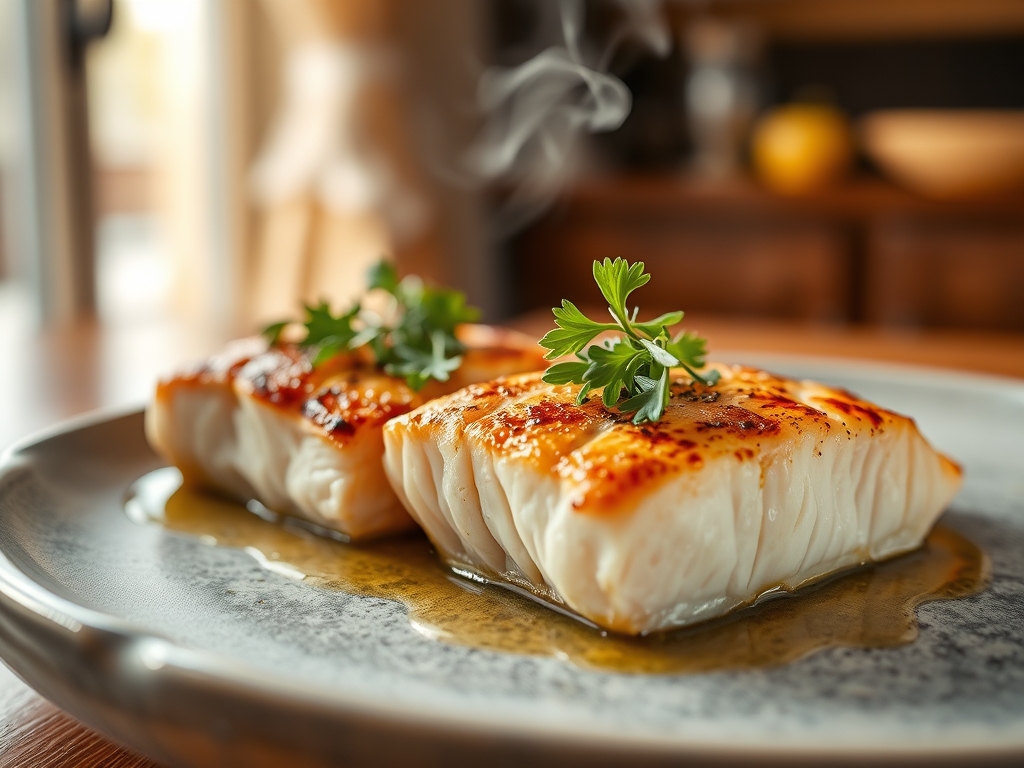
Imagine the sound of a heavy-bottomed skillet meeting a high-flame burner; that sharp, metallic ring is the opening bell for a culinary transformation. When we talk about cod and salmon recipes, we are not just discussing dinner; we are orchestrating a collision of textures. The flaky, lean ivory of Atlantic cod meets the luscious, fat-marbled orange of sockeye salmon. This duo creates a balanced feast that satisfies the craving for both lightness and decadence. Whether you are searing them into a golden crust or poaching them in a piquant broth, the contrast in lipid content ensures every bite is a complex experience. We are diving deep into seven ways to blend these titans of the sea into one cohesive, high-protein masterpiece.
The Gathers:
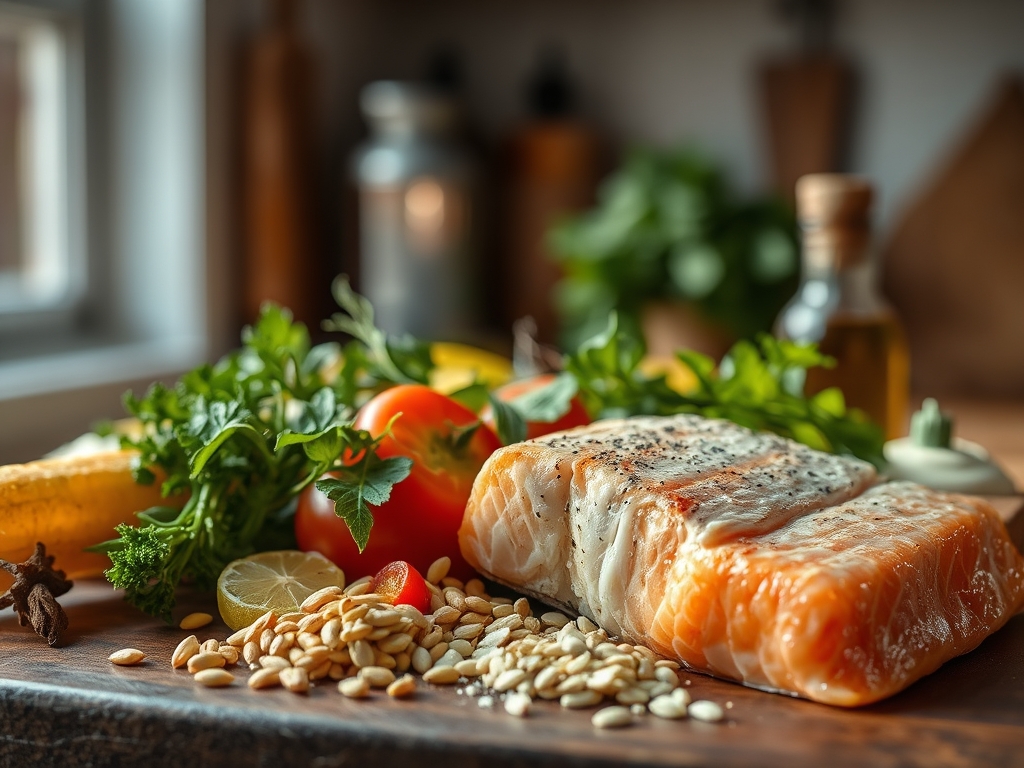
Setting the stage for cod and salmon recipes requires more than just pulling fillets from the fridge. You need a mise-en-place that respects the volatile oils in the salmon and the delicate protein structure of the cod. Start with your primary proteins: six-ounce portions of wild-caught salmon and firm Pacific cod. You will need a high-smoke-point fat, such as avocado oil or clarified butter, to facilitate the Maillard reaction without scorching.
Gather your aromatics: fresh dill, flat-leaf parsley, and garlic cloves that you will crush with the flat of a chef knife to release their essential oils. For the acid component, reach for a Meyer lemon; its juice is less caustic than a standard lemon and provides a floral note that bridges the gap between the two fish. Use a microplane to zest the citrus directly over the fish to capture the volatile oils before they evaporate.
Smart Substitutions:
If you cannot find fresh cod, halibut is a magnificent stand-in due to its similar flake size and density. For the salmon, steelhead trout offers a nearly identical fat profile and color. If you are avoiding dairy, swap the butter for a viscous, cold-pressed olive oil infused with a pinch of smoked paprika to mimic that rich, savory depth.
The Clock
Efficiency in the kitchen is about "Chef's Flow," which is the art of overlapping tasks so no heat is wasted. Prep time for these cod and salmon recipes sits at a crisp 20 minutes; this includes the time to pat the fish bone-dry with lint-free towels. Moisture is the enemy of a crisp sear. Total cook time averages 15 minutes, but the real magic happens in the five-minute rest period. During this time, the internal juices redistribute, ensuring your salmon is succulent rather than stringy. By utilizing a digital scale to portion your fillets evenly, you ensure they reach the target internal temperature of 145 degrees Fahrenheit simultaneously.
The Masterclass
1. The Prep and Desiccation
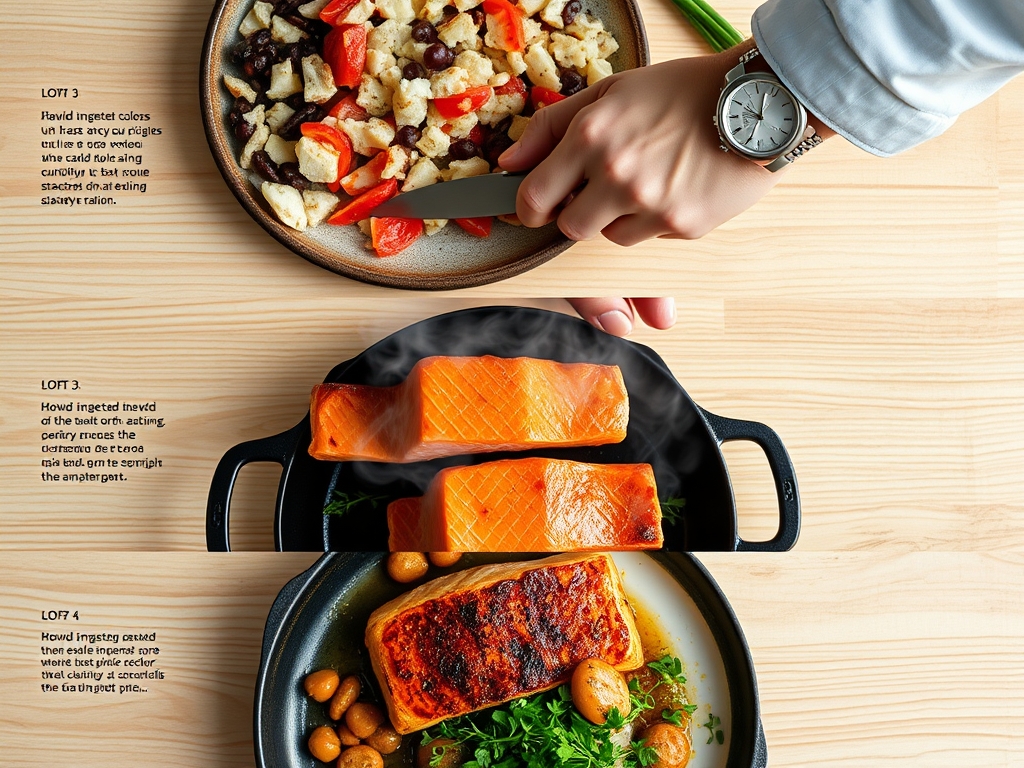
Before the fish even touches the pan, you must remove every trace of surface moisture. Use a bench scraper to clear your workspace and lay the fillets on a cooling rack over a sheet pan. Season liberally with kosher salt from a high distance to ensure even distribution.
Pro Tip: This process uses osmosis to draw out moisture. By drying the skin, you ensure that the heat of the pan goes toward the Maillard reaction (browning) rather than wasting energy evaporating surface water.
2. The Temperature Temper
Allow your fish to sit at room temperature for about 10 minutes. Taking the chill off the protein prevents the muscle fibers from seizing up when they hit the hot oil, which can squeeze out the moisture and leave you with a dry result.
Pro Tip: This reduces the thermal gradient between the pan and the food. A smaller temperature gap allows for more even heat penetration, preventing a burnt exterior and raw interior.
3. The Searing Phase
Heat a stainless steel or cast iron skillet until the oil shimmers and barely begins to smoke. Place the salmon skin-side down first using long-handled tongs. Press down gently with a flexible fish spatula to ensure full surface contact. Add the cod two minutes later, as it lacks the protective skin and cooks faster.
Pro Tip: This is "conductive heating." The direct contact causes the proteins to denature and reform into a crispy crust. Pressing the fish prevents the natural curling that happens as collagen fibers contract.
4. The Butter Baste and Infusion
Once you flip the fish, drop a knob of cold butter, two smashed garlic cloves, and a sprig of thyme into the pan. Use a large spoon to continuously douse the fillets with the foaming butter. This is the stage where you deglaze any browned bits (fond) from the bottom of the pan.
Pro Tip: This is "basting for thermal mass." The hot fat carries flavor into the crevices of the fish and provides a final, gentle cook to the center via convection within the butter.
5. The Carryover Rest
Remove the fish from the pan when it is about 5 degrees below your target temperature. Place them on a warm plate and tent loosely with foil. Do not wrap them tightly, or the steam will ruin your crispy skin.
Pro Tip: Thermal carryover is real. The residual heat on the surface continues to move toward the center even after the fish is removed from the heat source. Skipping the rest leads to a "bleeding" of juices when you cut in.
The Deep Dive
When we look at the macro nutrition of cod and salmon recipes, we are looking at a powerhouse. Salmon provides the long-chain Omega-3 fatty acids (EPA and DHA) which are essential for brain health; cod provides a massive punch of lean protein and Vitamin B12. Together, a standard serving offers roughly 40 grams of protein and 15 grams of healthy fats.
Dietary Swaps:
For a Keto-friendly version, serve these over a bed of riced cauliflower sautéed in the pan drippings. For a Vegan alternative that mimics this feast, use "tofu-cod" (pressed extra-firm tofu wrapped in nori) and "carrot-salmon" (marinated, roasted ribbons of large carrots). For Gluten-Free needs, simply ensure your thickeners for any accompanying sauces are arrowroot or cornstarch rather than flour.
The Fix-It:
- Fish Sticking: If the fish won't lift, it is not ready. The protein will naturally release from the pan once the crust has formed. Be patient.
- Albumin Leaking: Those white bubbles on salmon are albumin. It happens when the fish is cooked too fast or too high. Lower your heat slightly to keep the proteins from contracting too violently.
- Soggy Skin: This usually means the pan was crowded. Use a larger skillet or cook in batches to allow steam to escape.
Meal Prep:
To reheat without turning your fish into rubber, avoid the microwave. Instead, use a toaster oven at 275 degrees Fahrenheit with a splash of water in the pan, covered with foil. This creates a gentle steam environment that rehydrates the fibers without overcooking the delicate fats.
The Wrap-Up
Creating a feast with cod and salmon recipes is about mastering the balance between lean and lush. By understanding the science of the sear and the importance of the rest, you transform simple fillets into a restaurant-quality experience. Use your tools with confidence; let that saucier whisk your lemon-butter sauce into a perfect emulsion and let your tongs handle the protein with precision. You have the knowledge, the technique, and the flavor profile to wow any crowd. Now, get that skillet screaming hot and let the aromatics fill your kitchen!
The Kitchen Table
Can I cook cod and salmon in the same pan?
Yes, but timing is vital. Start the salmon first because its higher fat content and skin require more time to render. Add the cod during the last four minutes to ensure both finish at the same time without overcooking.
How do I tell if the fish is done without a thermometer?
Use a cake tester or a thin metal skewer. Insert it into the thickest part for three seconds, then touch it to your bottom lip. If it feels warm (not hot), the fish is perfectly medium-rare to medium.
Why does my cod fall apart in the pan?
Cod has a very delicate flake structure. To prevent it from shattering, salt it twenty minutes before cooking to firm up the proteins and use a wide, flexible fish spatula to flip it only once.
What is the best way to store leftovers?
Place the fish in an airtight glass container with a slice of lemon. The acidity helps maintain freshness. Consume within two days to ensure the fats in the salmon do not oxidize and develop a "fishy" aroma.