
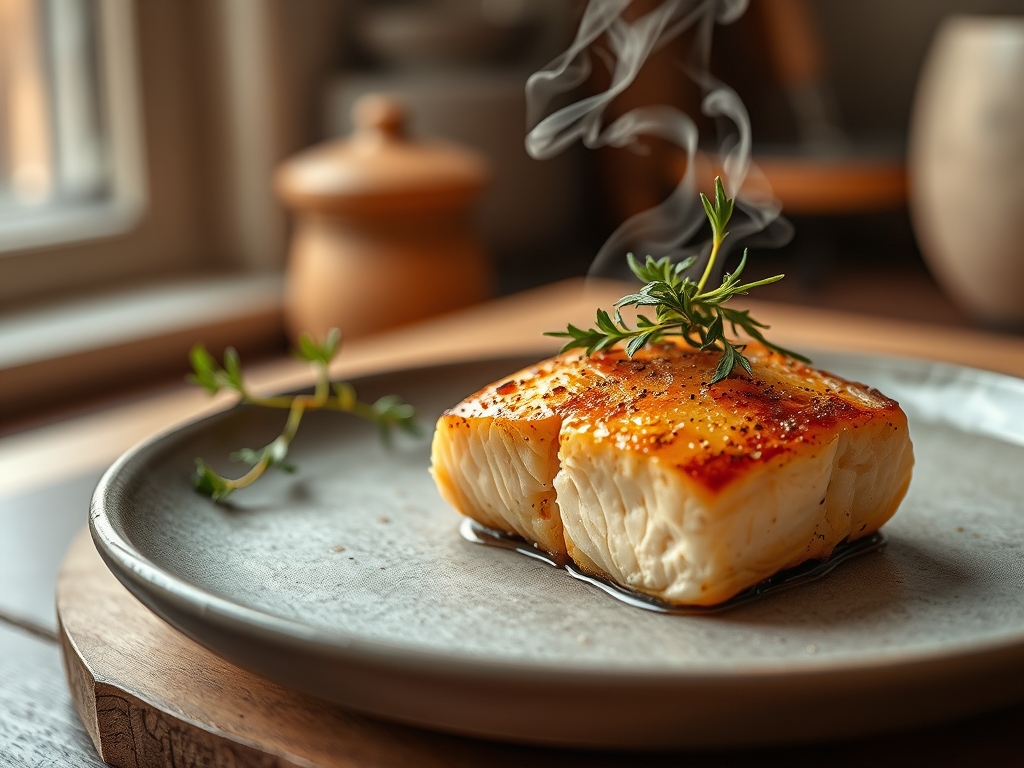
Imagine the sharp hiss of cold protein meeting a heavy-bottomed skillet. That sound is the overture to a solo dining experience that feels like a luxury rather than an afterthought. When you are cooking salmon recipes for one, you are the head chef and the guest of honor. There is no compromise on the sear or the flake.
Cooking for a single person often gets a bad reputation for being uninspired or wasteful. However, salmon is the ultimate solo ingredient because it is naturally portioned and structurally resilient. Whether you are craving a piquant glaze or a butter-basted crust, these techniques ensure your kitchen smells like a high-end bistro. We are moving past the days of sad, overcooked fillets. Today, we focus on the intersection of thermal dynamics and deep, umami-rich flavors. Grab your favorite apron and a glass of crisp white wine. We are about to turn a single six-ounce fillet into a masterpiece of culinary precision.
The Gathers:
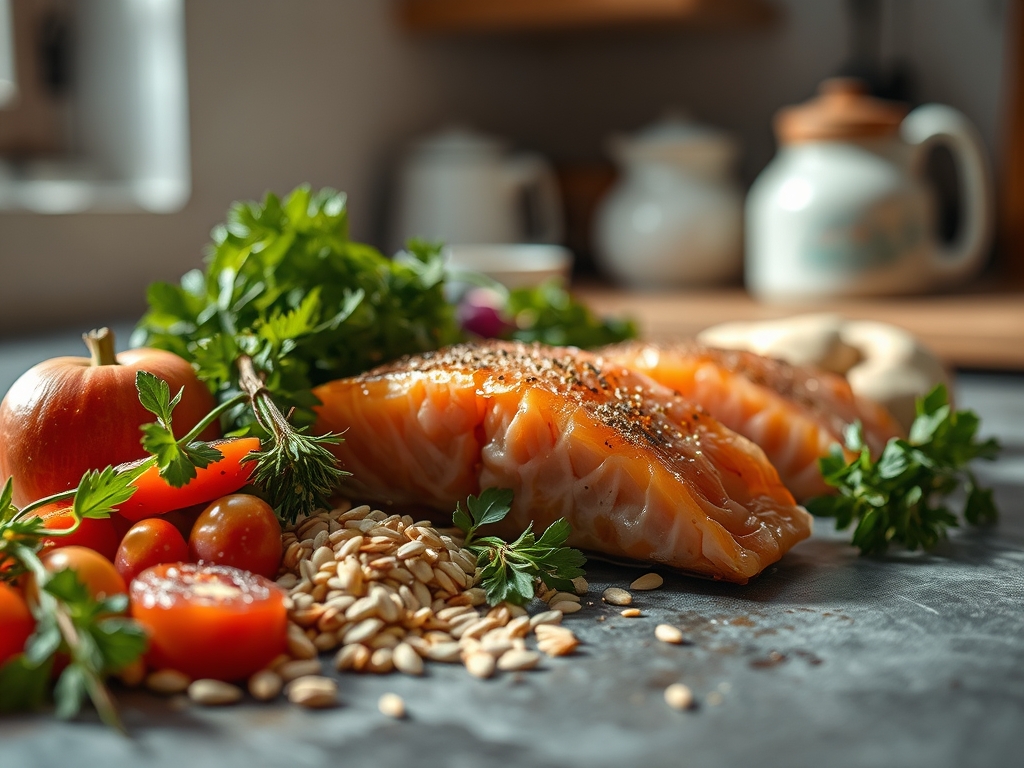
To master salmon recipes for one, your mise-en-place must be tight and purposeful. Start with a center-cut fillet; this cut offers the most uniform thickness, which is essential for even heat distribution. You will need a high-smoke-point fat like avocado oil or clarified butter to facilitate the Maillard reaction without acrid scorching.
Your aromatics should include fresh thyme or rosemary to infuse the fat during the basting stage. Use a microplane to zest citrus directly over the fish to capture the volatile oils that provide a bright, acidic counterpoint to the rich lipids of the fish. For the base, gather a small amount of kosher salt; the larger grains allow for better tactile control during seasoning.
Smart Substitutions:
If you lack fresh herbs, a pinch of dried tarragon offers a sophisticated, licorice-like depth. No avocado oil? Ghee is a fantastic alternative because the milk solids have been removed, allowing it to withstand high heat. If you are avoiding citrus, a splash of rice wine vinegar provides that necessary piquant lift to balance the fat.
The Clock
Efficiency is the hallmark of a professional kitchen. For these salmon recipes for one, the "Chef's Flow" follows a strict 20-minute timeline. Prep takes exactly five minutes: patting the fish dry, seasoning, and prepping your pan. The cooking phase spans ten to twelve minutes, depending on the thickness of the fillet.
The final five minutes are non-negotiable: the rest. During this time, you can deglaze your pan with a splash of vermouth or stock to create a quick pan sauce. This flow ensures that by the time your side dish is plated, the salmon has reached its ideal internal temperature through thermal carryover.
The Masterclass
1. The Desiccation Phase
Use a paper towel to press every bit of moisture from the skin and surface of the fish. Moisture is the enemy of a crisp crust because it creates steam.
Pro Tip: This is about latent heat of vaporization. If the surface is wet, the energy from the pan goes into boiling the water rather than browning the proteins.
2. The Sear Initiation
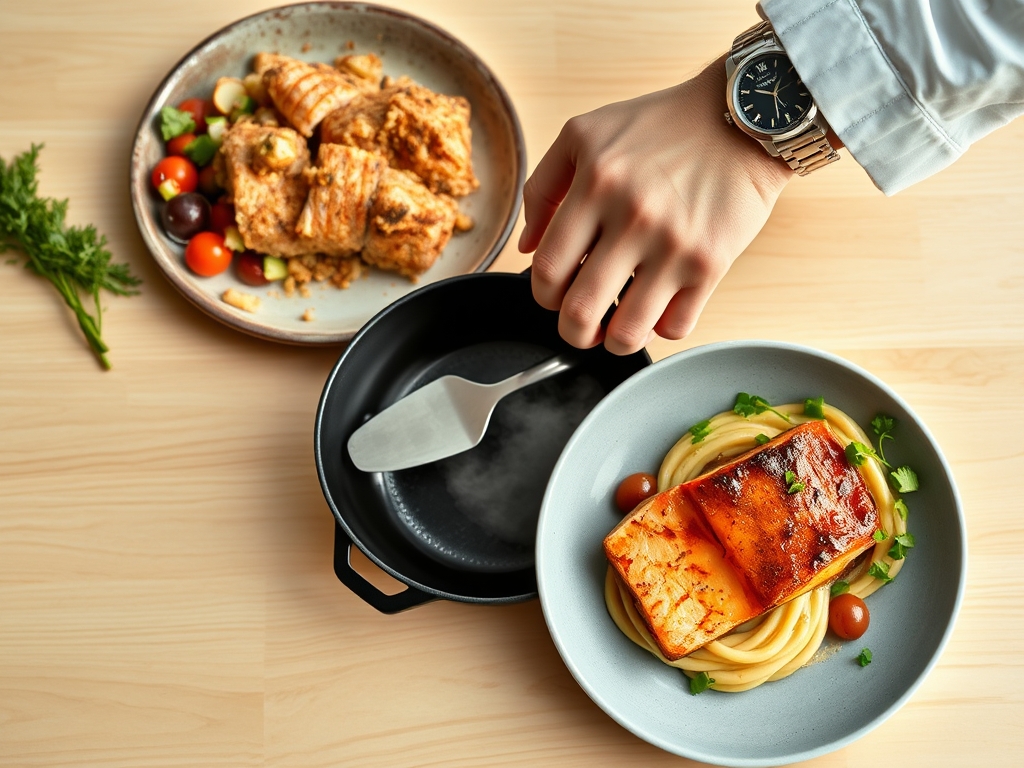
Heat your heavy-bottomed skillet until the oil shimmers but does not smoke. Place the salmon skin-side down and press firmly with a flexible spatula for thirty seconds.
Pro Tip: This prevents the protein fibers from contracting and curling the fish. Maintaining flat contact ensures the skin becomes a viscous, glass-like cracker.
3. The Gentle Render
Lower the heat to medium. Allow the fat beneath the skin to render out slowly. This protects the delicate flesh from the aggressive direct heat of the burner.
Pro Tip: Slow rendering prevents the albumin (that white protein) from squeezing out of the muscle fibers, keeping the fillet moist and aesthetically clean.
4. The Aromatic Baste
Flip the fish when the opaque color reaches halfway up the side. Add a knob of butter and your herbs. Use a large spoon to shower the fish in the bubbling fat.
Pro Tip: This is convection cooking within a pan. The hot butter fills the gaps between the flakes, infusing the interior with flavor while finishing the cook.
The Deep Dive
Salmon is a nutritional powerhouse, offering roughly 34 grams of protein and a wealth of Omega-3 fatty acids per six-ounce serving. It is naturally low in carbohydrates, making it a staple for Keto and Paleo lifestyles. For a vegan alternative, large "steaks" of cauliflower or firm tofu can be treated with the same searing techniques, though they lack the same lipid profile.
The Fix-It:
- The Skin is Soggy: You likely flipped too early or the pan wasn't hot enough. Fix: Next time, wait until the fish releases naturally from the pan surface.
- The Interior is Dry: This is a result of overcooking. Fix: Pull the fish when a digital thermometer reads 125 degrees Fahrenheit; carryover heat will bring it to a perfect 135.
- The Glaze Burnt: Sugary glazes should only be added in the final sixty seconds. Fix: If it burns, deglaze the pan with water immediately to lift the bitter carbon.
Meal Prep Science:
To reheat salmon without it becoming "fishy," avoid the microwave. The high-frequency waves agitate the fats and create off-flavors. Instead, use a low oven (275 degrees) with a splash of water covered in foil to gently re-hydrate the proteins.
The Wrap-Up
Mastering salmon recipes for one is a gift you give to yourself. It is a lesson in patience, temperature control, and the beauty of high-quality ingredients. When you hear that final sizzle and see the translucent flakes pull apart, you will know you have transitioned from a home cook to a culinary artist. Enjoy every bite of your perfectly portioned creation.
The Kitchen Table
How do I stop salmon from sticking to the pan?
Ensure the pan is fully preheated before adding oil. Use a bench scraper or thin spatula to check for a natural release. If it sticks, it usually needs another minute to develop a crust.
Can I cook salmon from frozen?
It is possible but not ideal for texture. For the best results, thaw it in a sealed bag under cold running water. This preserves the cellular structure and prevents the flesh from becoming mushy or waterlogged.
What is the best way to season salmon?
Keep it simple with high-quality kosher salt and cracked black pepper. Add aromatics like garlic or lemon zest to the oil rather than the fish to prevent the seasonings from burning during the high-heat sear.
How do I know when the salmon is done?
The most reliable method is using a digital scale for weight and a thermometer for temp. Aim for 125-130 degrees Fahrenheit for a medium-rare center. The flesh should yield to gentle pressure with a fork.