
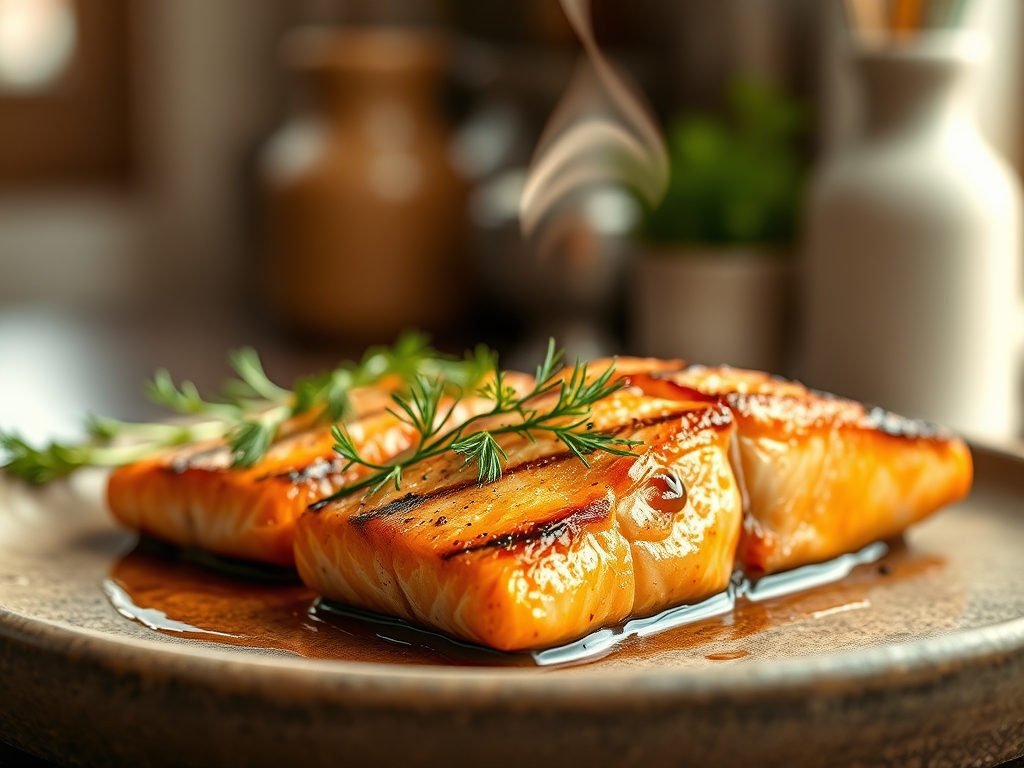
Imagine the sizzle of a cold fillet hitting a scorching grate; the sound is a promise of the chemical transformation about to occur. There is something deeply primal yet sophisticated about the way smoke interacts with the fatty acids of a fresh catch. If you are searching for the ultimate grilled salmon recipes with dill, you have arrived at the intersection of culinary science and backyard bliss. We are moving beyond basic seasoning into the realm of molecular infusion. This is not just dinner; it is an exploration of how a delicate herb like dill can pierce through the rich, buttery profile of an Atlantic or King salmon to create a profile that is bright, herbaceous, and intensely satisfying.
The Gathers:
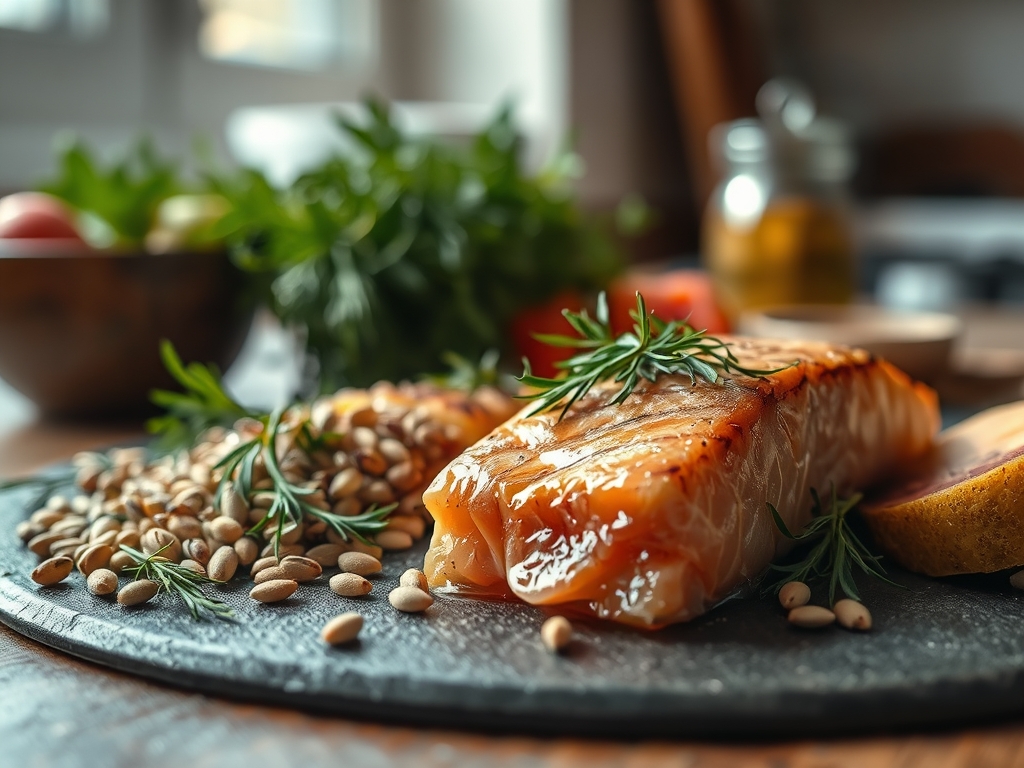
Before we ignite the flame, we must respect the mise-en-place. Your workstation should look like a laboratory of flavor. We start with the protagonist: a center-cut salmon fillet, preferably skin-on to provide a thermal barrier during the cook. You will need a microplane to harvest the zest of two lemons without hitting the bitter white pith. The dill must be fresh; dried dill lacks the volatile oils necessary for a true infusion.
Our fat source is crucial. Use a high-smoke-point oil like avocado oil or clarified butter to avoid acrid flavors. You will also need kosher salt for its jagged crystal structure, which adheres better to the flesh than table salt, and freshly cracked white pepper for a piquant heat that does not muddy the visual aesthetic of the pink fish.
Smart Substitutions: If you cannot find fresh dill, a tablespoon of fennel fronds offers a similar anise-like profile. For those avoiding dairy, a viscous emulsion of extra virgin olive oil and Dijon mustard acts as a perfect binder for the herbs, ensuring they do not incinerate the moment they touch the heat.
The Clock
Efficiency in the kitchen is about mastering the Chef's Flow. This entire process takes approximately 35 minutes, but the timing is divided into distinct phases of preparation and thermal application.
Prep Time: 20 minutes. This includes the "tempering" phase, where we allow the salmon to sit at room temperature. Cold fish shocks the pan and leads to uneven cooking.
Cook Time: 10 to 12 minutes. This is a game of seconds. We are aiming for an internal temperature of 125 degrees Fahrenheit for a medium-rare finish.
Rest Time: 5 minutes. Never skip this. The resting period allows the muscle fibers to relax and reabsorb the juices that were pushed to the center during the sear.
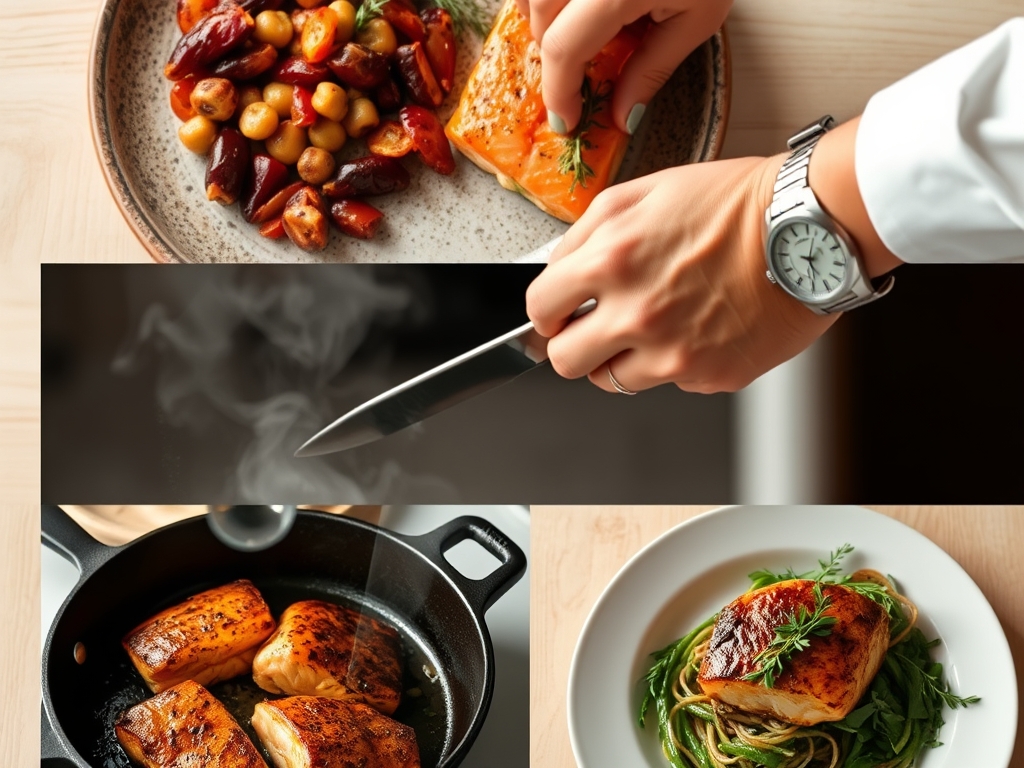
The Masterclass
1. The Tempering and Texture Prep
Pat the salmon dry with paper towels until the surface is completely matte. Any residual moisture will turn to steam, preventing the Maillard reaction from occurring. Season generously with salt and pepper from a height to ensure even distribution.
Pro Tip: This is called "dry-brining." Salt draws out moisture, dissolves into a brine, and is then reabsorbed into the protein. This breaks down the tight muscle filaments, resulting in a more tender bite.
2. The Dill and Citrus Emulsion
In a small glass bowl, whisk together your oil, lemon zest, and finely chopped dill. Use a saucier whisk to aerate the mixture slightly. This creates a suspension where the oil carries the fat-soluble flavor compounds of the dill directly into the fish.
Pro Tip: The citric acid in the lemon zest (not the juice) provides the aroma without denaturing the proteins prematurely. If you add juice now, the acid will "cook" the fish like a ceviche, ruining the texture.
3. Achieving the Perfect Sear
Preheat your grill to medium-high. Clean the grates with a wire brush and oil them using a folded paper towel held by long-handled tongs. Place the salmon skin-side down.
Pro Tip: This is the "Heat Shield" technique. The skin contains a high concentration of collagen. As it heats, the collagen converts to gelatin, creating a crispy, flavorful crust that protects the delicate flesh from drying out.
4. The Flip and Infusion
Once the skin releases naturally from the grate (usually after 6 minutes), use a wide fish spatula to gently flip. Brush the herb emulsion onto the seared skin side.
Pro Tip: Waiting for the "natural release" is a sign that the proteins have sufficiently coagulated. If you force the flip, you will tear the flesh. This is known as the adhesion phase of protein cooking.
5. Managing Thermal Carryover
Remove the salmon when a digital thermometer reads 120 degrees Fahrenheit. Transfer it to a warm plate and tent loosely with foil.
Pro Tip: Thermal carryover is the phenomenon where the internal temperature continues to rise by 5 to 7 degrees after being removed from the heat source. Pulling it early ensures you hit the 125-degree "sweet spot."
The Deep Dive
From a nutritional standpoint, this dish is a powerhouse. You are looking at roughly 350 calories per 6-ounce serving, packed with Omega-3 fatty acids and high-quality protein. It is naturally Gluten-Free and fits perfectly into Keto or Paleo lifestyles. For a vegan alternative, use the same dill rub on thick "steaks" of cauliflower or king oyster mushrooms.
The Fix-It:
- White Stuff Oozing Out: This is albumin, a protein that escapes when salmon is cooked too fast or too long. Fix: Lower the heat and pull the fish sooner.
- Stuck Skin: Your grill wasn't hot enough or clean enough. Fix: Use a bench scraper to clean the grates between every use.
- Bitter Herbs: The dill burnt. Fix: Only apply the herb mixture during the final 2 minutes of cooking.
Meal Prep: To reheat without turning your salmon into a hockey puck, use a "low and slow" method. Place it in a 275-degree oven with a splash of water and cover tightly. This creates a steam chamber that rehydrates the proteins without overcooking the core.
The Wrap-Up
Mastering grilled salmon recipes with dill is about more than just following a list of ingredients; it is about respecting the physics of heat and the chemistry of flavor. By focusing on the moisture content, the timing of the salt, and the science of the sear, you transform a simple fillet into a restaurant-quality masterpiece. Now, grab your tongs, trust your thermometer, and go create something spectacular. Your kitchen is your lab; enjoy the experiment!
The Kitchen Table
Can I use frozen salmon for this recipe?
Yes, but you must thaw it completely in the refrigerator. Pat it extremely dry to remove excess moisture from the freezing process. This ensures you still get a proper sear rather than steaming the fish.
How do I know when the salmon is done without a thermometer?
Press the side of the fillet with a fork. If the layers of flesh separate easily (flaking) and the center is opaque rather than translucent, it is ready. However, a digital thermometer is the only way to be 100% precise.
Why does my dill always turn black on the grill?
Dill is delicate and has a low scorched-earth threshold. To prevent charring, mix it with oil to provide a thermal buffer, and only apply it during the last few minutes of the grilling process.
What is the best way to store leftover grilled salmon?
Store it in an airtight glass container for up to three days. To maintain the best texture, eat it cold over a salad or gently warm it using the low-temperature oven method described above.