
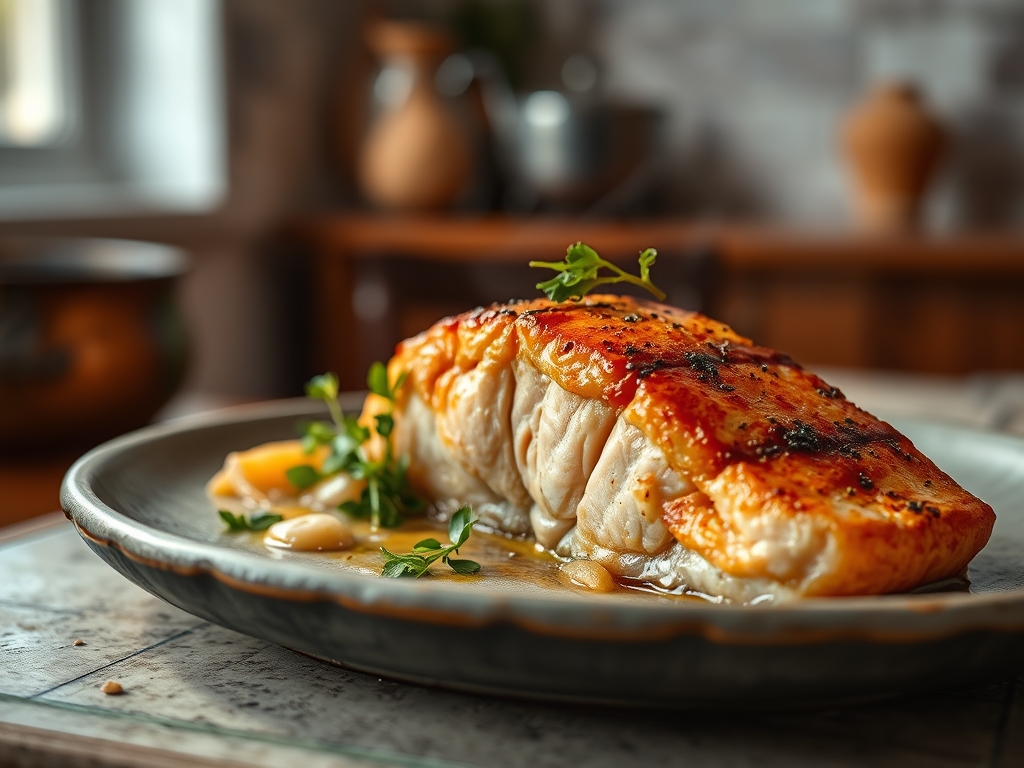
Imagine the sizzle of cold fat meeting a screaming hot cast iron surface; the sound is immediate and rhythmic. As the proteins in the fish begin to denature, the air fills with the scent of maple, smoked paprika, and sea salt. When you dive into meat church salmon recipes, you are not just cooking dinner; you are conducting a masterclass in texture and smoke. We are moving past the days of dry, flaky fillets and entering a world of buttery, mahogany-crusted perfection that feels like a backyard barbecue met a five-star bistro.
The magic of these recipes lies in the heavy-handed application of bold, Texas-style rubs that transform a delicate piece of fish into a robust centerpiece. Salmon is the perfect canvas because its high intramuscular fat content allows it to stand up to intense heat and aggressive seasoning without losing its integrity. Whether you are using a pellet grill or a heavy-bottomed skillet, the goal is the same: a crispy exterior and a translucent, succulent interior. Grab your apron and your favorite digital thermometer; we are about to elevate your seafood game with eight hacks that will make you the hero of the next cookout.
The Gathers:
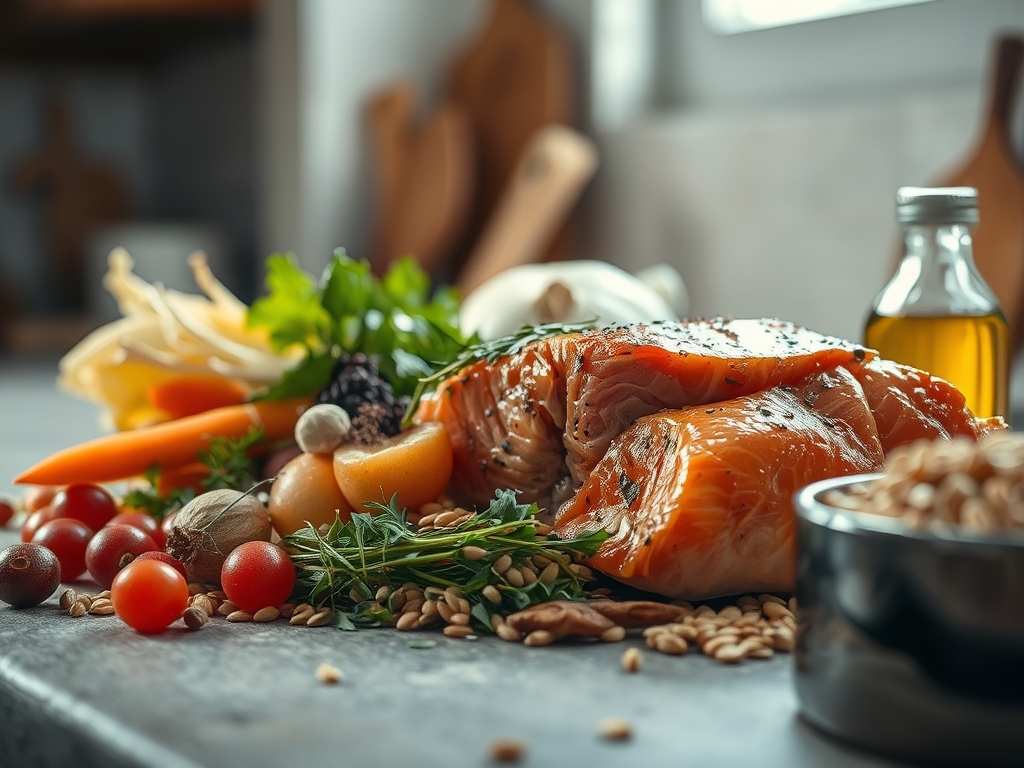
To achieve professional results, your mise-en-place must be precise. Start with high-quality Atlantic or King salmon fillets, ideally center-cut for uniform thickness. You will need a digital scale to measure your dry rubs, ensuring a consistent salt-to-sugar ratio. The star of the show is the Meat Church "Honey Hog" or "The Holy Gospel" rub, which provides the necessary sugars for caramelization. You will also need a high-smoke-point oil, such as avocado or grapeseed oil, to prevent acrid flavors during the searing process.
For the aromatics, gather fresh dill, lemon zest, and a block of unsalted European butter for basting. European butter has a higher butterfat content and lower water percentage, which prevents the sauce from breaking. If you are looking for Smart Substitutions, you can swap the honey-based rubs for a monk fruit-based dry rub to keep things keto-friendly. If you lack a specific Meat Church blend, create a "dupe" using smoked paprika, granulated garlic, onion powder, and turbinado sugar. This combination ensures the Maillard reaction occurs rapidly, creating that signature dark crust.
The Clock
Efficiency in the kitchen is about "Chef's Flow." This refers to the logical sequencing of tasks to minimize downtime and ensure every component reaches the plate at the optimal temperature. For these meat church salmon recipes, expect a total commitment of 35 minutes. Prep takes roughly 15 minutes, which includes tempering the fish to room temperature and patting it dry to remove surface moisture.
The actual cook time is surprisingly brief; usually 10 to 12 minutes depending on the thickness of the fillet. However, the most critical part of the clock is the 5-minute rest period. During this time, thermal carryover allows the internal temperature to rise by another 3 to 5 degrees, settling the juices so they don't flood the plate upon the first fork prick. Use this time to whisk a quick glaze in a small saucier or to toss a light arugula salad.
The Masterclass
1. The Desiccation Phase
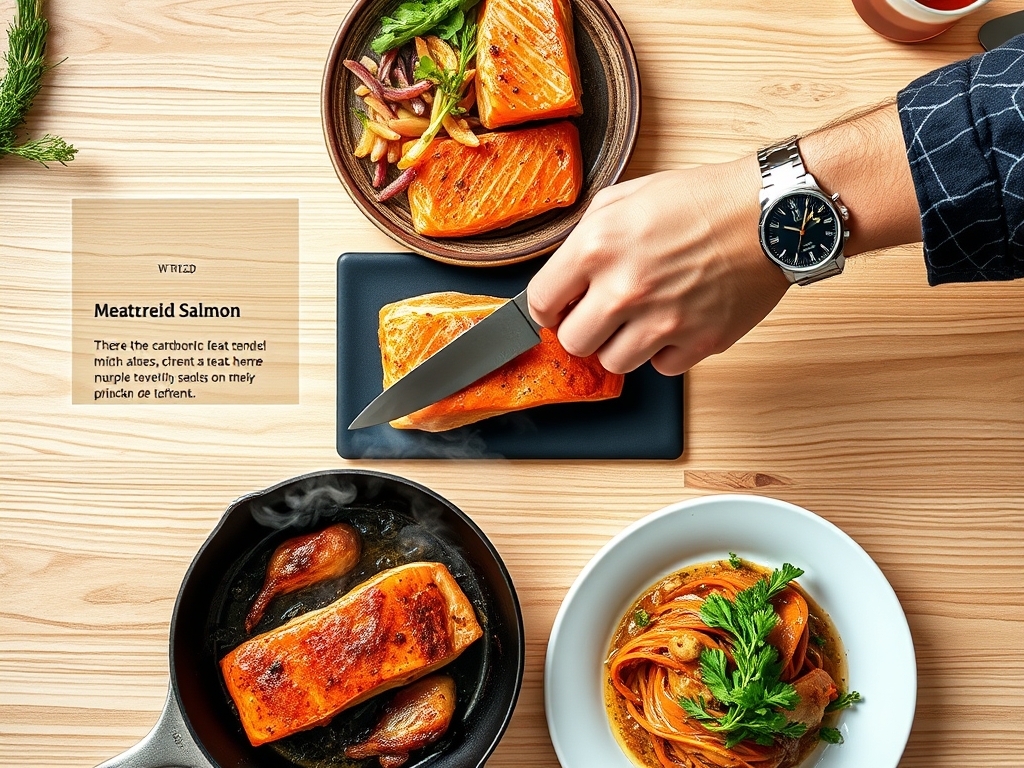
Use a paper towel to press every ounce of moisture from the skin and flesh. A dry surface is the only way to achieve a crisp texture rather than a steamed one. Use a bench scraper to move the fillets without tearing the delicate skin.
Pro Tip: This is about surface tension. Removing water allows the oil to make direct contact with the proteins, accelerating the browning process before the interior overcooks.
2. The Rub Application
Apply a generous layer of Meat Church rub from at least six inches above the fish to ensure even distribution. Do not rub the seasoning in; instead, pat it gently so the granules adhere to the natural oils of the fish.
Pro Tip: The sugar in the rub acts as a hygroscopic agent, drawing out a tiny amount of moisture to create a tacky "pellicle" that holds smoke and heat better.
3. The Cold Start Sear
Place the salmon skin-side down in a cold heavy-bottomed skillet, then turn the heat to medium-high. This allows the fat in the skin to render slowly, resulting in a glass-like crunch that is impossible to achieve in a preheated pan.
Pro Tip: Gradual heating prevents the collagen in the skin from contracting too quickly, which usually causes the fish to curl and cook unevenly.
4. The Weight Technique
Place a smaller pan or a kitchen weight on top of the fillets for the first two minutes of cooking. This ensures maximum contact between the skin and the heat source.
Pro Tip: This prevents the formation of steam pockets under the skin, ensuring the entire surface undergoes enzymatic browning simultaneously.
5. The Butter Baste
Once you flip the fish, add a knob of butter, smashed garlic, and thyme to the pan. Use a large spoon to continuously pour the foaming butter over the cooked side of the salmon.
Pro Tip: This is called Arrosé. The hot fat carries the fat-soluble compounds from the aromatics directly into the meat, deeply infusing the fish with flavor.
6. The Glaze Deglaze
In the final minute, add a splash of apple cider vinegar or lemon juice to the pan. This will deglaze the brown bits (fond) from the bottom of the pan, creating a spontaneous sauce.
Pro Tip: The acidity balances the viscous fats of the salmon and the sweetness of the rub, providing a "piquant" finish that cuts through the richness.
7. The Temperature Check
Use a digital probe thermometer to pull the fish at exactly 125 degrees Fahrenheit for a medium-rare finish. The temperature will climb to 130 degrees while resting.
Pro Tip: This avoids the "white stuff" (albumin) from pushing out of the muscle fibers, which is a sign that the proteins have over-contracted and pushed out all moisture.
8. The Rest and Aerate
Move the salmon to a wire rack rather than a flat plate. This allows air to circulate under the skin so it stays crispy while the internal juices redistribute.
Pro Tip: Resting on a flat surface creates steam, which will immediately turn your hard-earned crispy skin into a soggy mess via reabsorption.
The Deep Dive
From a nutritional standpoint, these meat church salmon recipes are a powerhouse of Omega-3 fatty acids and high-quality protein. A standard 6-ounce serving provides roughly 34 grams of protein and is rich in Vitamin B12. For those following a Keto lifestyle, simply ensure your rub is sugar-free. For a Vegan alternative, this same "Meat Church" technique works beautifully on thick slabs of cauliflower or "steaks" made from lion's mane mushrooms.
If you encounter "The White Gunk" (albumin), your heat was too high. To fix this, lower the temperature and use a slower cooking method next time. If the skin sticks to the pan, you likely tried to flip it too early; the fish will naturally release once the Maillard reaction is complete. For meal prep, reheat the salmon in an air fryer at 300 degrees for 4 minutes to restore the crust without turning the inside into rubber.
The Wrap-Up
Mastering meat church salmon recipes is about embracing the bold flavors of the smokehouse and applying them with the finesse of a classic chef. By focusing on moisture control, temperature precision, and the science of the sear, you turn a simple weeknight meal into a culinary event. Remember: keep your pans hot, your rubs generous, and your thermometer closer than your phone. Now get out there and show that salmon who is boss!
The Kitchen Table
How do I prevent salmon from sticking to the grill?
Ensure the grates are scrubbed clean and highly seasoned. Pat the salmon completely dry and coat the fish, not the grill, with a high-smoke-point oil. Don't flip the fish until it naturally releases from the heat.
What is the best Meat Church rub for salmon?
"Honey Hog" is the gold standard for its sweetness and color. However, "The Holy Gospel" offers a savory, peppery kick that balances the fatty profile of the fish perfectly. Both create an incredible crust.
Can I cook salmon from frozen?
It is not recommended for these specific recipes. Thawing allows for even seasoning penetration and ensures the exterior doesn't burn before the interior reaches a safe temperature. Always thaw in the refrigerator overnight for best results.
Why is my salmon dry even at the right temp?
You likely skipped the resting phase. Resting allows the muscle fibers to relax and reabsorb the juices. If you cut into it immediately, the moisture escapes, leaving the proteins feeling parched and tough.