
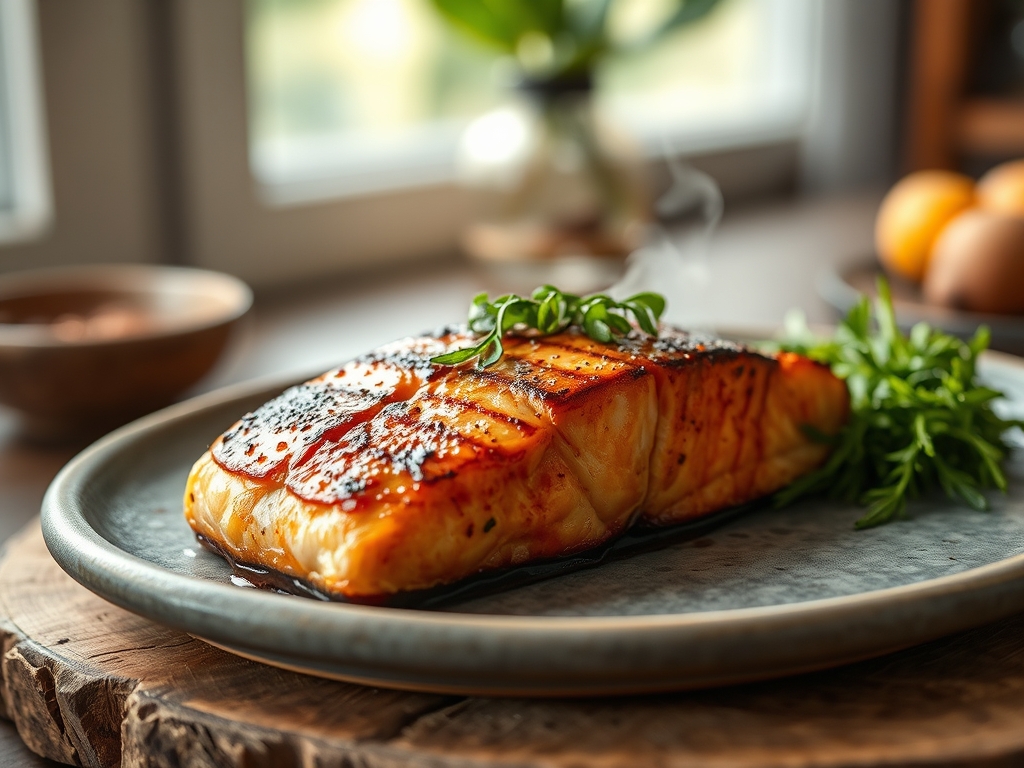
Picture the scene: a late summer evening where the air is thick with the scent of charred cedar and caramelizing sugars. You are standing over the grates, watching a vibrant fillet transform from translucent coral to an opaque, flakey masterpiece. Mastering bbq salmon recipes grill is not just about heat; it is about the chemistry of proteins and the delicate dance between fire and fat. Most backyard cooks fear the stick, the dreaded moment when half the beautiful skin stays on the metal, but we are moving past that today. Salmon is a fatty, robust fish that can handle high heat better than its white-fleshed cousins, provided you treat it with the respect its lipid profile deserves. We are aiming for a crisp, glass-like skin and a center that remains succulent and buttery. This is the intersection of high-end culinary science and effortless backyard hosting. I have spent years refining the exact thermal thresholds to ensure your salmon never tastes like "leftover fish," but rather like a five-star entree that just happened to be cooked over an open flame.
The Gathers:
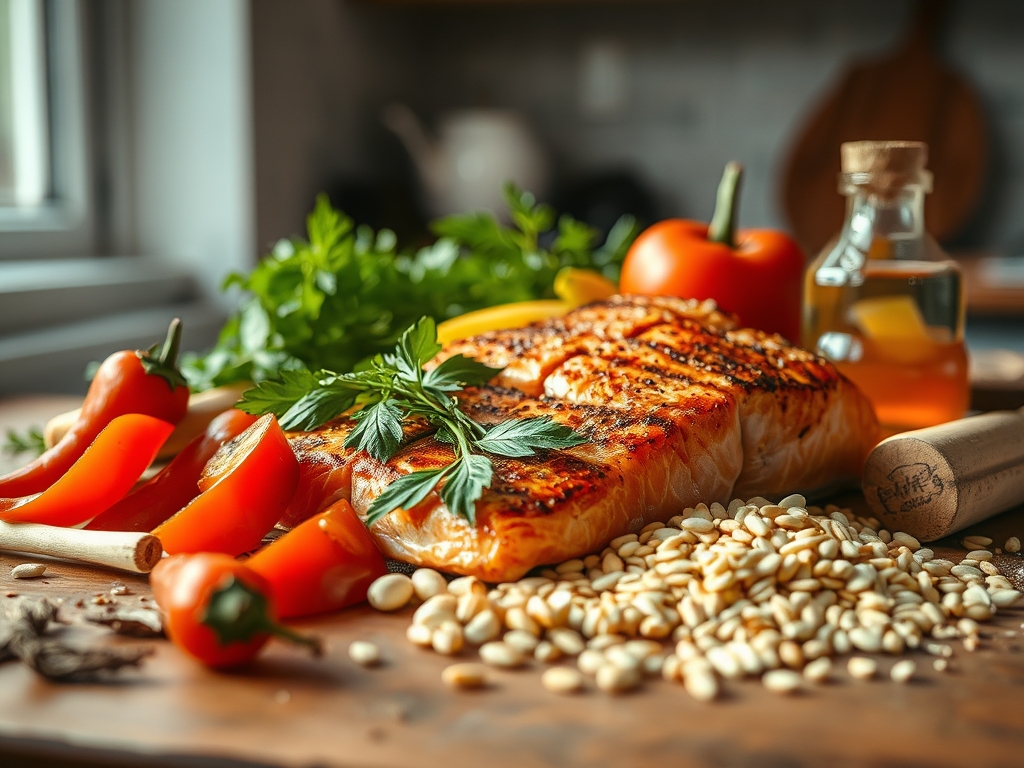
To execute professional bbq salmon recipes grill, your mise-en-place must be precise. Start with a center-cut King or Atlantic salmon fillet, ideally skin-on for structural integrity. You will need a high-smoke-point oil like avocado or grapeseed; avoid extra virgin olive oil here as it will acridly smoke before the fish is done. For the seasoning, gather coarse kosher salt, cracked black peppercorns, and a piquant glaze consisting of honey, Dijon mustard, and a splash of apple cider vinegar.
Smart Substitutions: If you are avoiding refined sugars, use a dark maple syrup or a reduction of balsamic vinegar to achieve that essential Maillard reaction. For those seeking a citrus profile, swap the vinegar for fresh lime juice, but use a microplane to include the zest for a concentrated oil infusion. If you lack a grill, a heavy-bottomed skillet or a cast iron pan can mimic the heat retention of a grill grate. Always use a digital scale to ensure your portions are uniform, roughly six ounces each, which ensures they cook at the same rate.
The Clock:
The "Chef's Flow" is all about timing the thermal momentum. Your preparation takes approximately 15 minutes, which includes the crucial step of letting the fish sit at room temperature to take the chill off. This prevents a "thermal shock" where the outside overcooks while the center remains icy. The actual cook time is a swift 8 to 10 minutes. However, you must account for the 5-minute rest period. During this time, thermal carryover will raise the internal temperature by another 3 to 5 degrees. Total time from fridge to table is roughly 30 minutes.
The Masterclass:
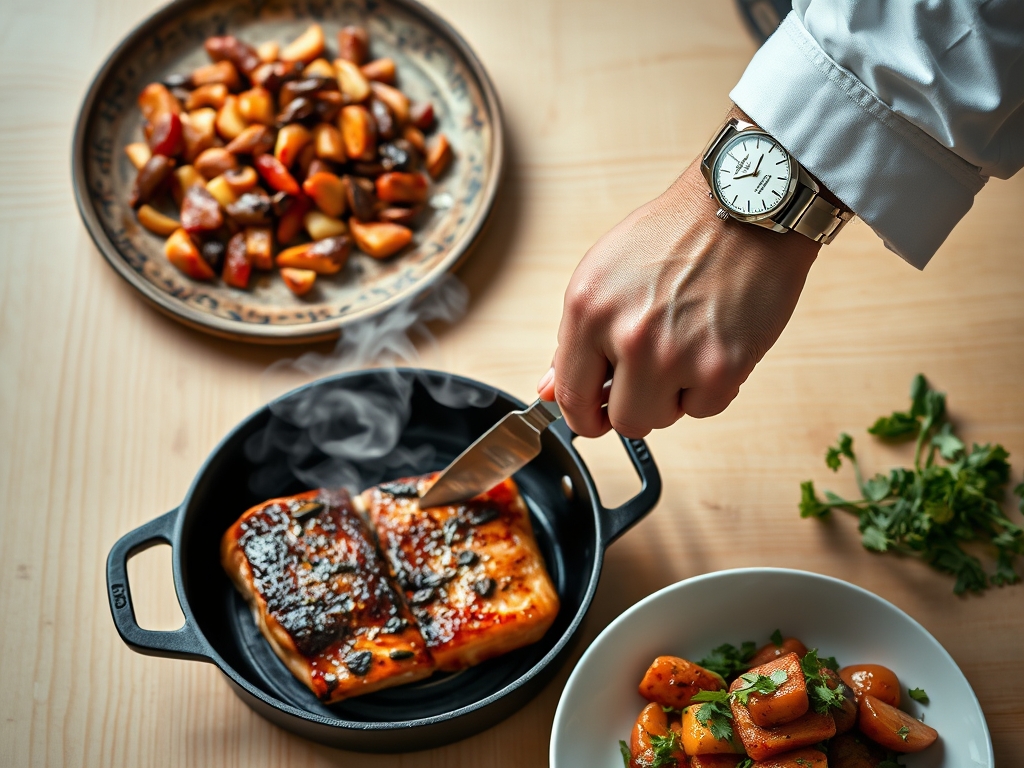
1. The Dry Brine and Temper
Pat the salmon excessively dry with paper towels. Moisture is the enemy of a crisp sear. Season liberally with salt and let it sit for 10 minutes.
Pro Tip: This is a mini-brine. Salt denatures the surface proteins, allowing them to retain moisture during the high-heat exposure. It also draws out excess moisture that would otherwise cause the fish to steam rather than sear.
2. The Oil Barrier and Grate Prep
Scrape your grill grates clean with a wire brush and lubricate them using a folded paper towel dipped in oil, held by tongs.
Pro Tip: This creates a polymerized layer of oil on the metal. When the cold protein hits the hot, oiled metal, it creates a temporary steam barrier that prevents the fish from bonding to the grate.
3. The Skin-Side Commitment
Place the salmon skin-side down on the hottest part of the grill. Press firmly with a bench scraper or a wide spatula for 10 seconds to ensure total contact.
Pro Tip: This prevents the skin from curling. As the collagen in the skin heats, it shrinks; physical pressure keeps it flat, ensuring the fat renders evenly and the skin becomes shatter-crisp.
4. The Glaze Infusion
Once the fish is 70 percent cooked (you will see the opaque color creeping up the sides), flip it gently. Now, use a silicone brush to apply your viscous glaze to the charred skin.
Pro Tip: Applying the glaze too early results in scorched sugars. By waiting until the final two minutes, you infuse the flavor without burning the honey or maple components.
5. The Internal Check
Use a digital thermometer to pull the fish at 125 degrees Fahrenheit for a perfect medium-rare.
Pro Tip: This accounts for thermal carryover. If you wait until it hits 145 on the grill, the residual heat will push it to 155, resulting in a dry, chalky texture.
The Deep Dive:
Macro Nutrition: Salmon is a powerhouse of Omega-3 fatty acids, specifically EPA and DHA, which are essential for brain health. A standard 6-ounce serving provides roughly 34 grams of high-quality protein and zero carbohydrates, making it a staple for metabolic health.
Dietary Swaps: For a Keto version, replace the honey in the glaze with a monk fruit sweetener or simply use a dry rub of smoked paprika and garlic powder. Vegan guests can enjoy the same flavor profile by using this technique on thick-cut cauliflower steaks or firm tofu. All ingredients listed are naturally Gluten-Free, provided your mustard is certified.
The Fix-It:
- The Stick: If the fish won't budge, it is not ready. The protein will naturally "release" from the grate once the sear is complete. Wait another 30 seconds.
- White Gunk: Those white beads are albumin, a protein that leaks out when the fish is cooked too fast or too high. Lower your heat slightly and ensure you tempered the fish first.
- Flaring: If the fat causes flames, move the fish to the "cool zone" of the grill (indirect heat) to finish.
Meal Prep Reheating: To maintain "day-one" quality, never microwave salmon. Use a saucier to warm a splash of broth or water, place the salmon in the pan, cover, and steam gently on low heat for 3 minutes. This rehydrates the fats without toughening the muscle fibers.
The Wrap-Up:
You are now armed with the technical prowess to dominate any backyard gathering. Remember that bbq salmon recipes grill are less about a rigid recipe and more about managing moisture and heat. By respecting the Maillard reaction and utilizing your tongs and digital thermometer like a pro, you ensure a perfect result every time. Go ahead, fire up those coals and show them how a "smart, witty" chef handles the heat. Your guests will be begging for the secrets to that glass-shatter skin and buttery finish.
The Kitchen Table:
How do I stop salmon from sticking to the grill?
Ensure your grates are scrubbed clean and heavily oiled. Most importantly, pat the salmon skin completely dry and let it sear undisturbed until the proteins naturally release from the metal surface.
What is the best temperature for grilled salmon?
For a buttery, professional texture, pull the salmon off the heat when the internal temperature reaches 125 to 130 degrees Fahrenheit. Residual heat will bring it to a perfect 135 to 140 degrees while resting.
Should I grill salmon with the lid open or closed?
Close the lid if your fillets are thicker than one inch to ensure the center cooks through. For thinner tail pieces, keep the lid open to prevent overcooking the delicate flesh while chasing a crisp skin.
Can I use frozen salmon for grilling?
Yes, but it must be fully thawed in the refrigerator and patted dry. Frozen salmon often contains extra moisture, so a quick dry-brine with salt is essential to firm up the flesh before hitting the heat.