
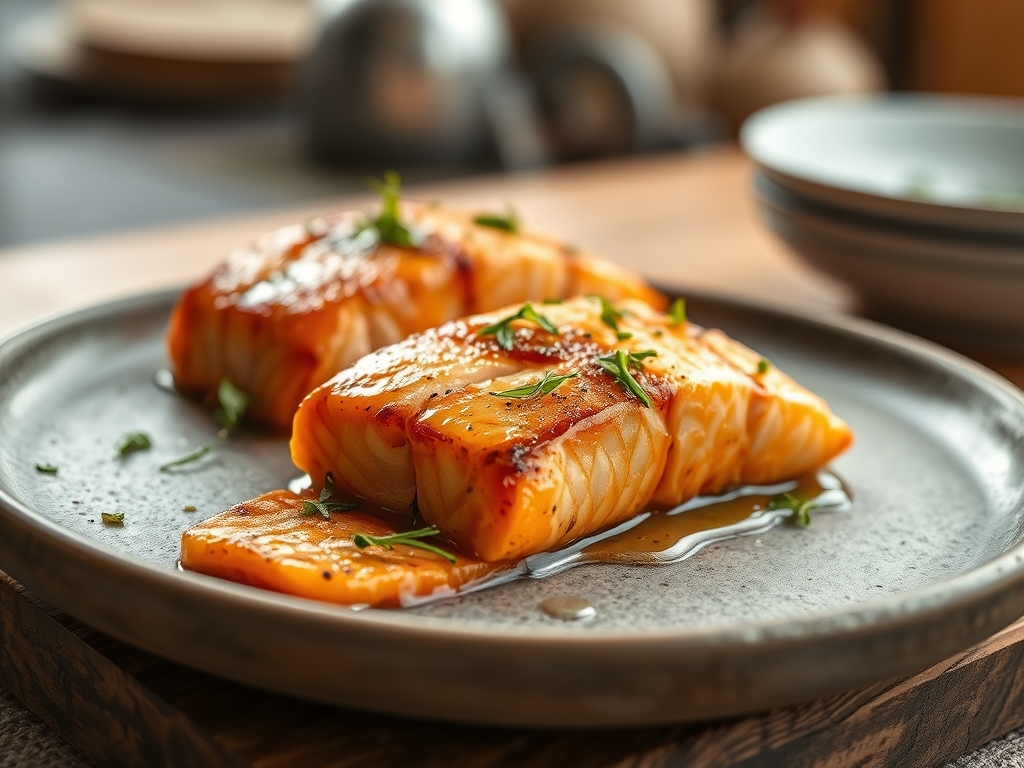
Imagine the sound of cold, pink protein hitting a screaming hot cast iron skillet. That hiss is the sound of moisture evaporating and sugars caramelizing; it is the beginning of a culinary masterpiece. Finding truly indulgent dairy free salmon recipes can feel like a hunt for a unicorn, but the secret lies in the molecular magic of plant fats and acidic brightness. We are moving past the days of dry, sad fish. We are entering an era of silky textures and bold, piquant flavors that prove butter was never the main character anyway.
The goal here is simple but sophisticated. We are going to harness the natural oils within the salmon to create a self-emulsifying sauce that coats every flake without a drop of heavy cream. Whether you are craving a citrus-forward sear or a rich coconut-milk poach, these seven variations utilize professional techniques to ensure your dinner feels like a high-end bistro experience. Grab your apron and your sharpest chef's knife; we are about to transform your weeknight routine into a masterclass of flavor and texture.
The Gathers:
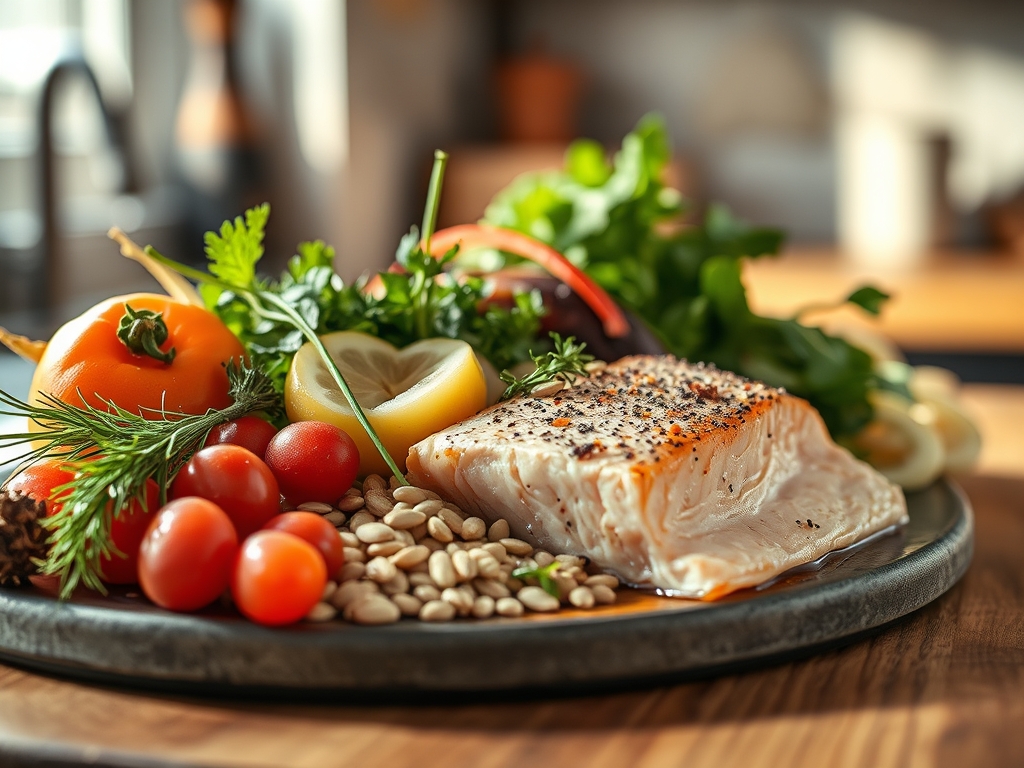
To execute these dairy free salmon recipes with precision, your mise-en-place must be flawless. Start with high-quality, center-cut fillets. Look for vibrant color and firm flesh; this indicates a high density of astaxanthin, the antioxidant that gives salmon its hue. You will need a heavy-bottomed skillet to ensure even heat distribution and a microplane for zest that provides essential oils without the bitter pith.
Smart Substitutions are your secret weapon. Instead of butter, we utilize extra virgin olive oil for its polyphenols or refined coconut oil when a neutral high smoke point is required. For creaminess, we lean on full-fat coconut milk or cashew cream, which provide the necessary viscosity to carry flavors across the palate. Acidity is non-negotiable. Keep fresh lemons, limes, and a bottle of high-quality white balsamic vinegar within reach to deglaze your pan and lift the heavy fats.
The Clock
Efficiency in the kitchen is about "Chef's Flow," the art of overlapping tasks to minimize downtime. For these recipes, prep time averages fifteen minutes, while active cook time rarely exceeds twelve. The secret to a perfect timeline is bringing your fish to room temperature for twenty minutes before it touches the heat. This prevents the "cold core" phenomenon where the outside overcooks while the center remains raw.
While the salmon rests, use your bench scraper to clear your workstation and prep your aromatics. If you are roasting, preheat your oven to 400 degrees Fahrenheit. If you are searing, get that pan shimmering. By the time the fish is ready to hit the heat, your sides should be nearly finished. This ensures the salmon is served the moment it reaches its thermal peak, preserving the delicate fats and moisture.
The Masterclass
1. The Perfect Sear
Season your fillets generously with kosher salt to draw out surface moisture. Place the fish skin-side down in a hot skillet with a thin layer of oil. Use your tongs to press down gently, ensuring maximum surface contact for a crisp finish.
Pro Tip: This creates the Maillard reaction, a chemical dance between amino acids and reducing sugars that produces hundreds of flavor compounds and that signature golden-brown crust.
2. The Citrus Infusion
Once the fish is flipped, add zest and juice directly to the pan. Use a saucier if you are making a larger batch of glaze. The acid will deglaze the browned bits (fond) from the bottom of the pan, incorporating them into a piquant nectar.
Pro Tip: Adding acid at the end of the cooking process prevents the breakdown of pectin in any accompanying vegetables, keeping them crisp rather than mushy.
3. The Gentle Poach
For a melt-in-your-mouth texture, submerge the fillets in a bath of coconut milk and aromatics like ginger and lemongrass. Keep the liquid at a low simmer, never a rolling boil, to avoid toughening the proteins.
Pro Tip: This technique utilizes conduction, where heat moves slowly from the liquid into the fish, preventing the albumin (that white protein) from leaking out and marring the presentation.
4. The Herb Crust
Apply a layer of Dijon mustard followed by a mix of panko and fresh dill. The mustard acts as an emulsifier, helping the crust adhere while providing a sharp contrast to the fatty fish.
Pro Tip: The crust acts as an insulator, slowing down the internal temperature rise and allowing for a more forgiving window of "doneness."
5. The Sheet Pan Roast
Toss your salmon with sturdy vegetables like asparagus or broccolini. Use a digital scale to ensure your portions are even, which guarantees they all finish cooking at the exact same moment.
Pro Tip: Roasting at high heat triggers caramelization, transforming the natural sugars in the vegetables into a sweet, nutty accompaniment to the savory fish.
6. The Parchment Steam
Fold the salmon into a parchment paper pouch with a splash of white wine. This "en papillote" method uses the fish's own moisture to create a localized steam environment.
Pro Tip: This is the gentlest form of cooking, preserving delicate volatile aromatics that would otherwise evaporate in an open pan.
7. The Glaze Finish
Brush a mixture of maple syrup and coconut aminos over the salmon during the last two minutes of cooking. Use a pastry brush to ensure an even, thin coating that won't burn.
Pro Tip: The high sugar content in the glaze will caramelize rapidly; keeping it to the final minutes prevents the bitter carbonization that occurs with prolonged high-heat exposure.
The Deep Dive
From a macro perspective, these dairy free salmon recipes are nutritional powerhouses. You are looking at roughly 35 grams of high-quality protein and a significant dose of Omega-3 fatty acids per serving. For those following a Keto lifestyle, simply omit the maple glazes and stick to herb-butter alternatives like avocado oil. Vegan guests can swap the salmon for thick "steaks" of roasted cauliflower or firm tofu using the same flavor profiles.
Even the best chefs run into trouble. If your skin is sticking, you likely tried to flip it too early; the fish will naturally "release" once the proteins have sufficiently coagulated. If the fish is dry, you have surpassed the 145-degree Fahrenheit threshold. To fix this, immediately top with a vibrant, oily salsa verde to add moisture. If your coconut sauce separates, whisk in a teaspoon of starch slurry to re-emulsify the fats. For meal prep, reheat your salmon in a low oven at 275 degrees with a splash of water to prevent the proteins from tightening and becoming rubbery.
The Wrap-Up
Mastering dairy free salmon recipes is about more than just removing an ingredient; it is about understanding how to layer flavors and textures using the tools of the trade. By focusing on the science of the sear and the chemistry of emulsification, you create meals that are lighter, brighter, and infinitely more interesting. Your kitchen is now a laboratory of flavor where the "dairy-free" label is a mark of culinary sophistication rather than a restriction. Go forth, sear with confidence, and enjoy the vibrant, healthy glow of a perfectly cooked fillet.
The Kitchen Table
How do I get crispy skin without butter?
Ensure the skin is bone-dry using a paper towel. Use a high smoke point oil like avocado oil in a preheated cast iron skillet. Press the fish down firmly with a spatula for thirty seconds to prevent curling and ensure even contact.
Can I use frozen salmon for these recipes?
Yes, but you must thaw it completely in the refrigerator. Pat the fillets extremely dry to remove excess moisture. This prevents the fish from steaming in the pan, which would ruin the texture and prevent the Maillard reaction from occurring.
What is the best dairy-free substitute for heavy cream?
Full-fat canned coconut milk is the best structural substitute due to its high fat content and viscosity. For a more neutral flavor profile, use cashew cream made by blending soaked raw cashews with a small amount of water until completely smooth.
How do I know when the salmon is perfectly cooked?
The most reliable method is using an instant-read thermometer. Aim for an internal temperature of 125 to 130 degrees Fahrenheit for medium-rare. The fish should be opaque on the outside and flake easily when pressed gently with a fork.