
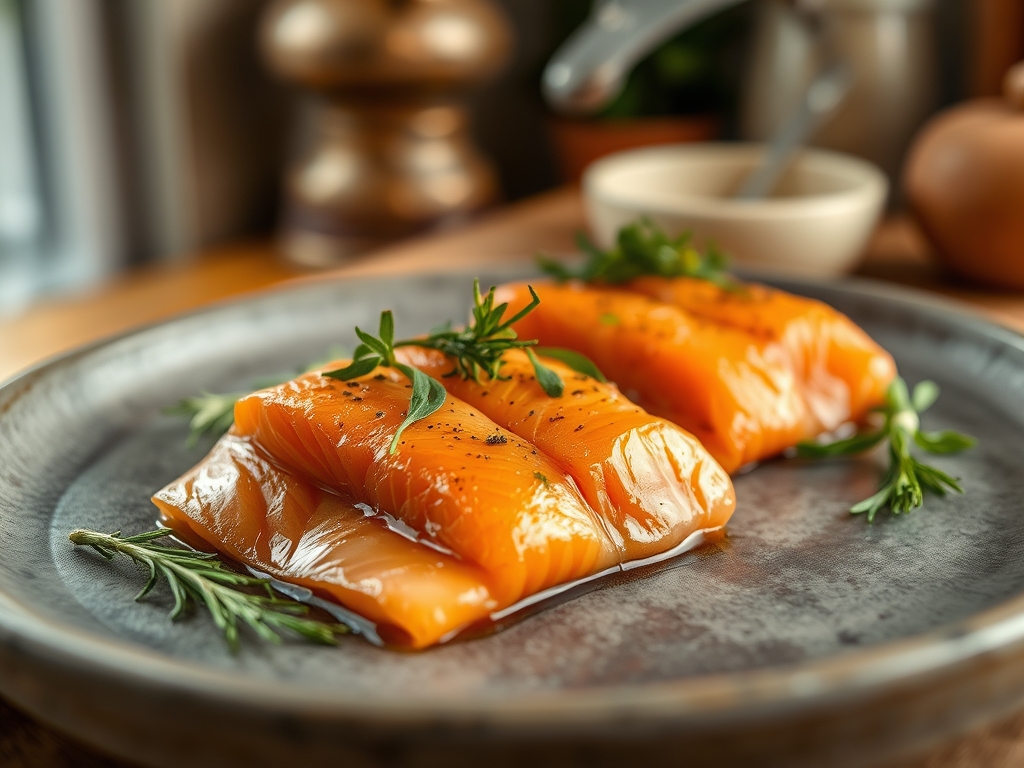
Picture this: a Saturday morning where the light hits your kitchen counter just right, but you are staring at a half-empty package of fish from last night's brunch spread. Most people see a sad remnant; we see a goldmine of flavor. Finding creative leftover smoked salmon recipes is not just about avoiding food waste; it is about leveraging the intense, salt-cured profile of the fish to elevate mundane dishes into five-star experiences. Smoked salmon is a culinary powerhouse because the curing process has already concentrated its proteins and fats. When we reimagine these silky ribbons, we are working with a pre-seasoned ingredient that brings its own smoke, salt, and umami to the party. We are going to transform those cold scraps into crispy, creamy, and vibrant textures that will make you wish you had bought double the amount.
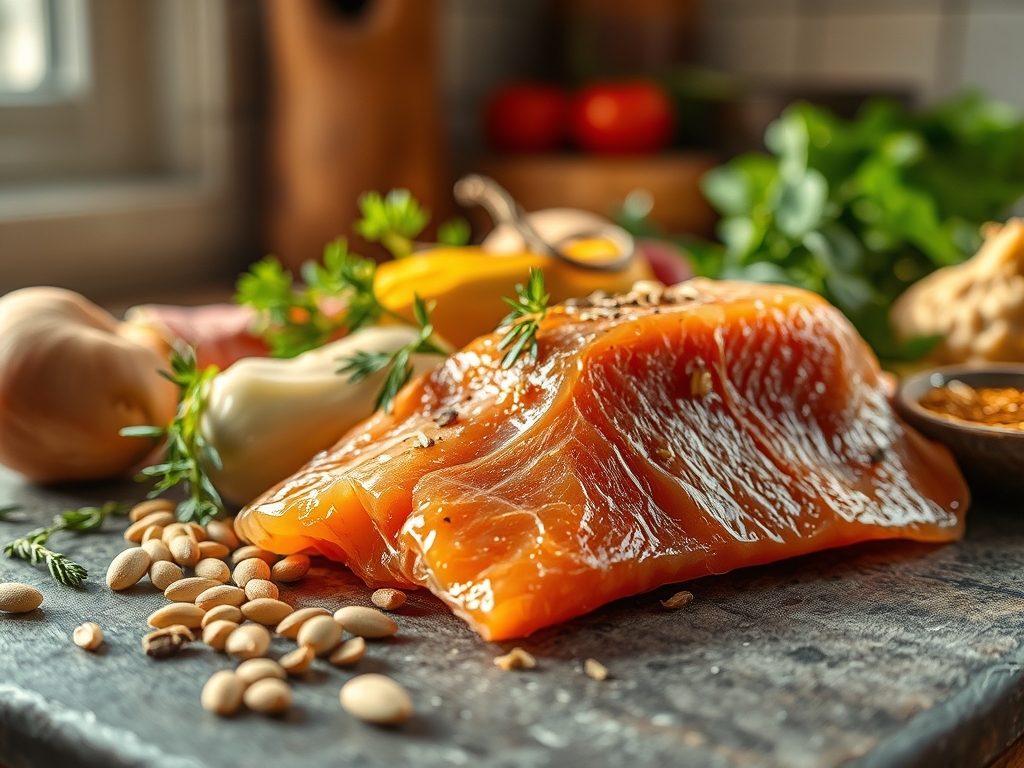
The Gathers:
To execute these transformations, your mise-en-place must be precise. Start with your leftover smoked salmon, ensuring it has been stored in an airtight container to prevent the delicate fats from oxidizing. You will need a viscous binder like high-fat creme fraiche or a Greek yogurt with at least five percent milk fat to provide a luxurious mouthfeel. For acidity, gather fresh lemons; we will use a microplane to harvest the zest, which contains the essential oils without the bitter pith.
Smart Substitutions are the secret to kitchen flexibility. If you lack capers, use chopped green olives or pickled red onion for that essential piquant punch. No bagels? A sourdough discard cracker or even a thinly sliced cucumber provides the structural integrity needed for a perfect bite. Always have a bundle of fresh dill or chives on standby; the volatile compounds in fresh herbs are necessary to cut through the heavy lipids of the fish. Finally, keep a heavy-bottomed skillet and a digital scale nearby. Measuring your ingredients by weight rather than volume ensures the delicate balance of salt is never compromised.
The Clock: 15 Minutes to Glory
In the professional world, we call this the "Chef's Flow." You are not just cooking; you are managing a sequence of thermal events. Most leftover smoked salmon recipes require zero actual "cooking" of the fish itself, as heat can turn the delicate texture into something rubbery and unappealing. Your total prep time is ten minutes, with a five-minute assembly.
The flow begins with the "Cold Prep": chopping herbs and whisking your base. If you are making a warm application, like a salmon-infused pasta, the fish only enters the saucier at the very last second. This preserves the integrity of the cold-smoked proteins. By the time your timer hits the fifteen-minute mark, you should be plating. Efficiency in the kitchen is about minimizing movement; keep your bench scraper handy to clear your board in one swift motion, keeping your workspace pristine and your mind focused on the flavor profile.
The Masterclass: Five Ways to Transform Your Leftovers
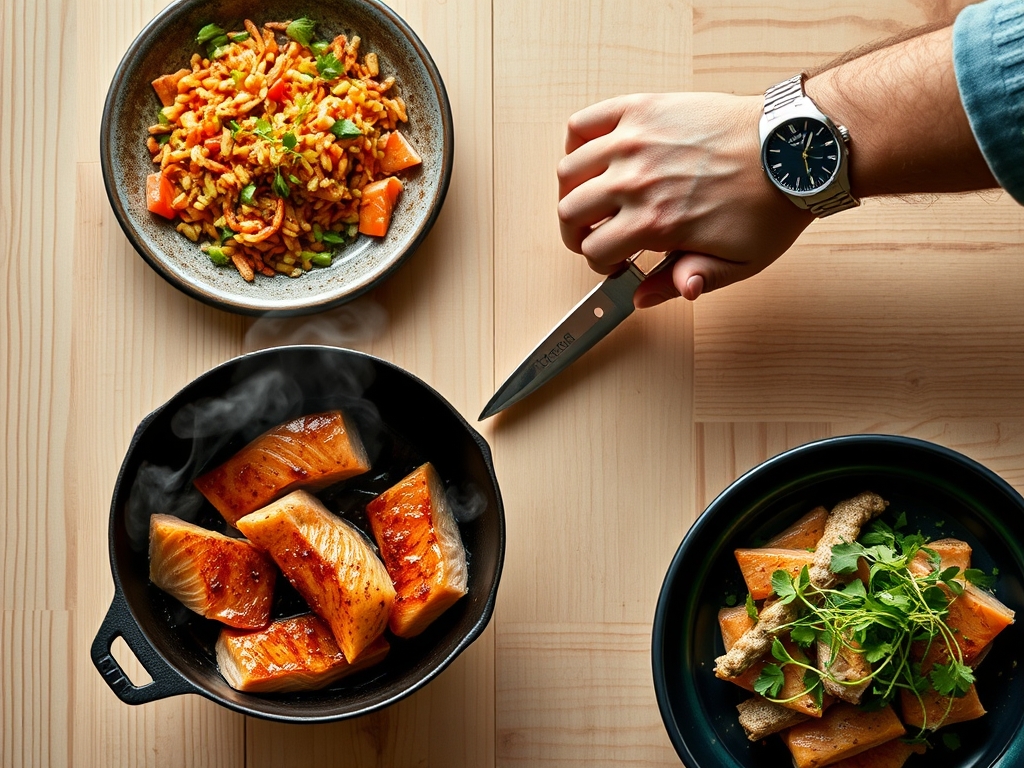
1. The Velvety Salmon Rillette
Finely mince your salmon and fold it into a mixture of softened unsalted butter and lemon juice. Use a rubber spatula to aerate the mixture until it is light and spreadable. This is the ultimate "fridge snack" that feels like a Parisian bistro staple.
Pro Tip: This relies on emulsification. By folding the fat-rich salmon into the butter at room temperature, you create a stable matrix. If the mixture breaks or looks oily, chill it for five minutes and whisk vigorously to re-incorporate the fats.
2. The Crispy Salmon Skin Carbonara
If your leftovers include the skin, do not discard it. Place the skin in a cold heavy-bottomed skillet and turn the heat to medium-low. This allows the fat to render slowly, resulting in a glass-like crunch that mimics pancetta.
Pro Tip: This is the Maillard reaction in action. By starting in a cold pan, you prevent the proteins from seizing, allowing the moisture to evaporate so the skin can become perfectly crisp rather than chewy.
3. The Smoked Salmon and Ricotta Tartine
Smear a thick layer of whipped ricotta onto toasted brioche. Top with ribbons of salmon, shaved radish, and a drizzle of honey. The contrast between the cold fish and the warm bread is a sensory delight.
Pro Tip: Watch out for thermal carryover. If your toast is too hot when you apply the salmon, the residual heat will begin to "cook" the fish, changing its translucent color to an opaque pink. Aim for "warm," not "searing."
4. The Zesty Salmon Grain Bowl
Toss chilled quinoa or farro with a lemon-tahini dressing. Fold in your salmon scraps along with avocado and cucumber. The grains act as a neutral canvas for the smoky intensity of the fish.
Pro Tip: This dish benefits from osmotic balance. Adding salt to your grains while they boil ensures they are seasoned from the inside out, meaning you can use less salt on the salmon itself, keeping the dish balanced.
5. The Smoked Salmon "Everything" Omelet
Whisk three eggs with a splash of heavy cream. Pour into a non-stick pan and, just as the curds set, add your salmon and a dollop of cream cheese. Fold and serve immediately.
Pro Tip: This is about protein coagulation. Eggs set at a much lower temperature than most meats. By adding the salmon at the very end, you ensure the eggs stay tender while the salmon remains silky and un-cooked.
The Deep Dive: Science and Solutions
From a macro perspective, smoked salmon is a nutritional titan. It is packed with Omega-3 fatty acids, specifically EPA and DHA, which are essential for brain health. It provides roughly 18 grams of protein per 3-header serving, making it an excellent post-workout fuel. For those on specific diets, the swaps are simple. Keto followers can ditch the bread for avocado boats. For a vegan "smoked salmon" experience, thin ribbons of roasted carrots marinated in liquid smoke and miso can mimic the texture and umami, though the nutritional profile will differ.
The Fix-It:
- Too Salty? If your leftovers are overwhelming, add an acid like lemon or a fat like avocado. These do not "remove" salt, but they distract the palate and balance the flavor profile.
- Fishy Odor? This is caused by trimethylamine. A quick rinse in cold water or a soak in a tiny bit of milk for five minutes can neutralize these compounds before you use the fish in a recipe.
- Dry Texture? If the edges have hardened, finely chop the fish and mix it into a viscous base like cream cheese or sour cream to rehydrate the mouthfeel.
Meal Prep: Never reheat smoked salmon in the microwave. The high-intensity waves will explode the delicate fat cells. Instead, let it come to room temperature on the counter for twenty minutes before adding it to warm dishes. This ensures "day-one" quality without compromising the texture.
The Wrap-Up
Reimagining leftover smoked salmon recipes is the ultimate "cool girl" kitchen move. It shows you understand flavor, texture, and the value of high-quality ingredients. Whether you are whipping up a quick rillette for a solo lunch or folding crispy skin into a midnight pasta, you are treating your ingredients with the respect they deserve. Now, grab that microplane, find your zest, and turn those leftovers into the best meal of your week. Your kitchen, your rules.
The Kitchen Table
How long does leftover smoked salmon last?
When stored in an airtight container in the coldest part of your refrigerator, it remains peak-quality for two to three days. Always check for a neutral, smoky scent and a vibrant, non-slimy texture before using.
Can you freeze leftover smoked salmon?
Yes, you can freeze it for up to two months. Wrap it tightly in plastic wrap and then foil to prevent freezer burn. Defrost slowly in the fridge overnight to preserve the delicate cell structure.
Is smoked salmon healthy to eat every day?
While rich in Omega-3s and protein, it is high in sodium due to the curing process. Enjoying it a few times a week is a fantastic way to boost healthy fats without overdoing the salt intake.
What is the best way to chop smoked salmon?
Use a very sharp chef's knife and a "rocking" motion. If the fish is too slippery, pop it in the freezer for ten minutes to firm up the fats, making it much easier to achieve clean, precise cuts.