
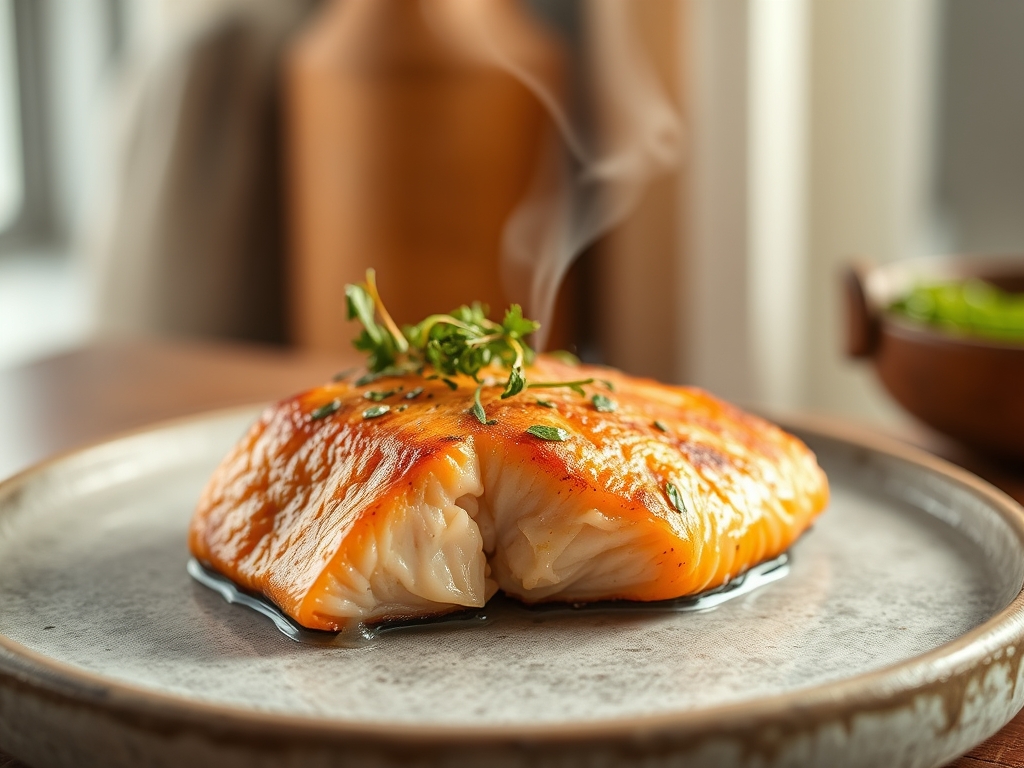
Imagine the sound of cold water meeting hot cast iron; that sharp, rhythmic sizzle is the sound of protein fibers tightening and sugars caramelizing into a perfect crust. When you are navigating a health journey, flavor should never be a casualty of progress. Crafting these optavia salmon recipes is about mastering the delicate balance between lean protein and vibrant, nutrient-dense greens. We are going beyond basic baking to explore the chemistry of the perfect sear.
Salmon is the crown jewel of the kitchen because of its high lipid content and structural integrity. Whether you are craving a zesty citrus glaze or a savory herb crust, these seven variations provide the variety you need to stay on track without ever feeling deprived. We are looking for that translucent center and a flaky, buttery texture that melts on the tongue. By focusing on the science of heat transfer and moisture retention, we can turn a simple fillet into a restaurant-quality masterpiece that fits perfectly within your nutritional goals. Let us get into the kitchen and transform these raw ingredients into culinary gold.
The Gathers:
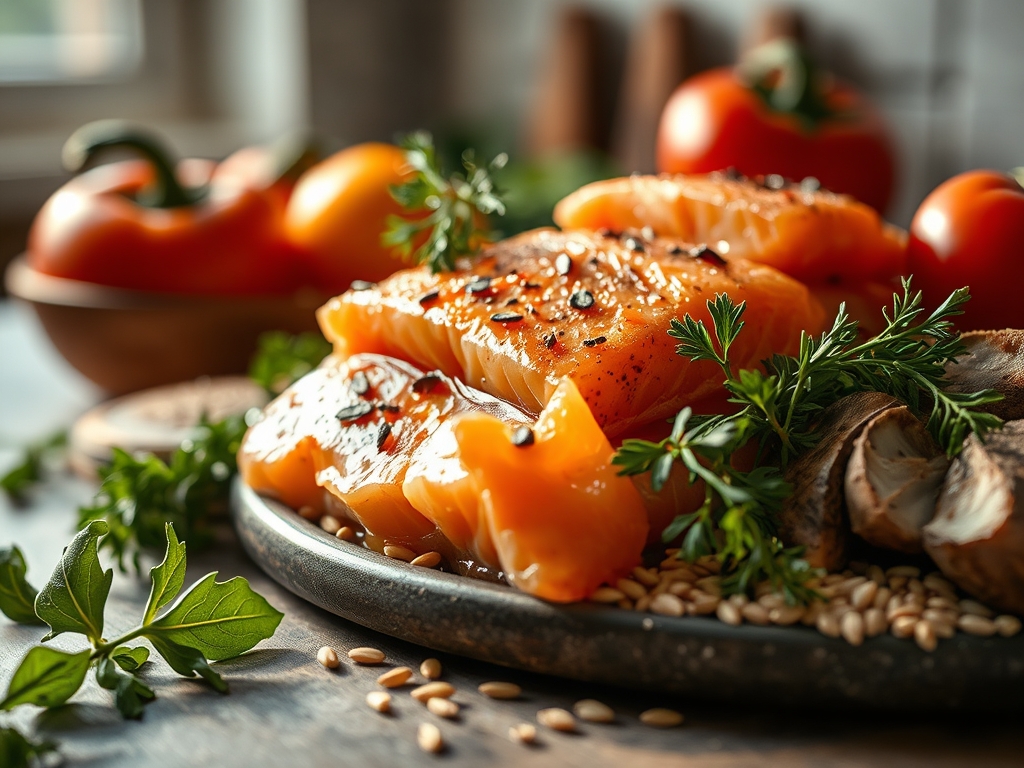
To execute these optavia salmon recipes with precision, your mise-en-place must be impeccable. Start with six-ounce center-cut fillets; these provide a uniform thickness which ensures even heat distribution across the muscle fibers. You will need a digital scale to verify weights, ensuring each portion aligns with your plan requirements. For the aromatics, gather fresh dill, flat-leaf parsley, and chives. Use a sharp microplane to zest lemons and limes, releasing the volatile oils trapped in the flavedo without hitting the bitter white pith.
For the "Smart Substitutions," consider using liquid aminos instead of soy sauce to manage sodium levels while maintaining a deep umami profile. If you lack fresh herbs, dried herbs can work, but remember that their flavor is more concentrated; use a one-to-three ratio. For a piquant kick without added sugars, reach for Dijon mustard or a splash of rice wine vinegar to deglaze your pan. These acidic components brighten the heavy fats of the fish, creating a more balanced palate experience.
The Clock
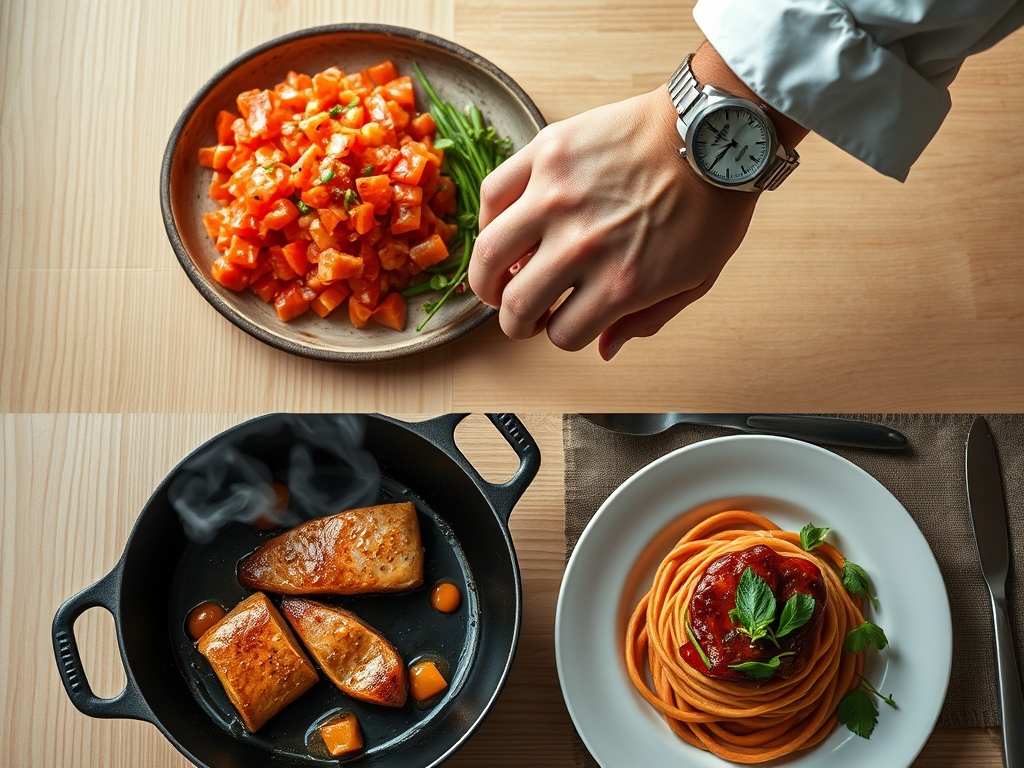
Efficiency in the kitchen is about the "Chef's Flow." Total preparation time for these meals averages fifteen minutes, with an active cook time of only eight to ten minutes. The secret is the heavy-bottomed skillet preheating process. You want to spend the first five minutes prepping your vegetables; use a bench scraper to move chopped zucchini or asparagus from the board to your prep bowls.
The cooking phase is rapid. Salmon cooks at a rate of about four minutes per inch of thickness. By the time you have finished your first glass of water, the kitchen will be filled with the scent of toasted proteins. Always factor in a three-minute resting period. This allows the internal juices to redistribute, ensuring every bite is moist rather than dry.
The Masterclass
1. The Surface Prep
Dry your salmon fillets thoroughly with a paper towel. Moisture is the enemy of the Maillard reaction. If the surface is damp, the fish will steam rather than sear, leaving you with a gray, rubbery exterior instead of a golden crust.
Pro Tip: This is known as surface dehydration. Removing water allows the surface temperature to rise rapidly above 285 degrees Fahrenheit, which is the threshold for enzymatic browning and flavor development.
2. The Seasoning Lift
Season the fish from a height of at least twelve inches. This ensures an even distribution of salt and pepper, preventing "hot spots" of over-seasoned meat. Use your fingers to gently press the spices into the flesh so they adhere during the flip.
Pro Tip: Salt acts as a denaturant. It begins to break down the protein structure slightly on the surface, which helps create a tighter, more cohesive crust once it hits the heat.
3. The Sear Initiation
Place your heavy-bottomed skillet over medium-high heat. Add a light spray of oil and wait for the first wisps of smoke. Lay the salmon skin-side down (or presentation-side down) away from you to avoid oil splatter. Use tongs to press the fillet down for the first thirty seconds.
Pro Tip: Pressing the fish prevents the skin from curling. As the collagen in the skin heats, it shrinks; manual pressure ensures the skin stays in full contact with the pan for maximum crispness.
4. The Thermal Flip
Once the color has crept up about one-third of the way from the bottom, use a fish spatula to gently flip the fillet. The fish should release naturally from the pan. If it sticks, it is not ready to be flipped yet.
Pro Tip: This is the "release point." When the proteins have caramelized sufficiently, they lose their adhesive bond with the metal surface, signaling that the first side is perfectly cooked.
5. The Infusion Phase
During the last two minutes of cooking, add your aromatics like garlic or lemon slices to the pan. Use a spoon to infuse the rendered fats back over the top of the fish. This technique, known as arroser, adds deep flavor without extra calories.
Pro Tip: This basting method utilizes thermal carryover. The hot oil continues to cook the top of the fish gently while the aromatics release their fat-soluble flavor compounds into the meat.
6. The Rest and Finish
Remove the salmon from the heat when it is about five degrees below your target temperature. Place it on a warm plate and let it rest. This is when you add your fresh herbs or a final squeeze of lemon to aerate the fragrance.
Pro Tip: Resting allows the muscle fibers to relax. As they cool slightly, they reabsorb the internal moisture that was pushed toward the center during cooking, resulting in a succulent texture.
The Deep Dive
From a macro perspective, these optavia salmon recipes are powerhouses. A standard six-ounce serving provides roughly 34 grams of high-quality protein and 20 grams of healthy fats, primarily Omega-3 fatty acids. This profile supports cognitive function and reduces inflammation, making it a staple for any health-conscious individual.
For dietary swaps, vegans can utilize the same seasoning profiles on thick slabs of cauliflower or firm tofu, though the cooking times will vary. If you are strictly Keto, you can increase the healthy fats by adding a dollop of avocado oil mayo. For those following a Gluten-Free protocol, these recipes are naturally compliant as long as you verify your spice blends for hidden fillers.
"The Fix-It" section addresses common technical hurdles. If your salmon is "weeping" white stuff, that is albumin; it means you are cooking it too fast or too hot. Lower the flame. If the skin is soggy, you likely didn't dry the fish enough or the pan wasn't hot enough. If the fish is dry, you skipped the resting phase. Use a digital thermometer to pull the fish at 130 degrees Fahrenheit for a perfect medium.
For meal prep, reheating salmon requires a gentle touch to avoid a "fishy" aroma. Use a low-temperature oven (275 degrees) or a steamer basket for three minutes. Avoid the microwave, which vibrates water molecules so violently that it toughens the protein fibers and ruins the delicate texture.
The Wrap-Up
Mastering the art of salmon is a transformative skill for your culinary repertoire. These optavia salmon recipes prove that you can achieve gourmet results with simple, clean ingredients and the right technical approach. By understanding the relationship between heat, moisture, and protein structure, you are no longer just following a recipe; you are conducting a delicious experiment. Grab your tongs and your favorite spices, and let the kitchen become your space for both health and creativity. You have the tools, the science, and the flavor; now go create something incredible.
The Kitchen Table
Can I use frozen salmon for these recipes?
Yes, but you must thaw it completely in the refrigerator. Pat the fillets extremely dry with paper towels to remove excess moisture, ensuring the skin can still achieve a crisp texture during the searing process in a heavy-bottomed skillet.
How do I know when the salmon is done?
The most reliable method is using a digital thermometer to reach an internal temperature of 130 to 135 degrees Fahrenheit. Visually, the flesh should be opaque on the outside and flake easily with a fork while remaining slightly translucent in the center.
What is the best way to store leftovers?
Store cooked salmon in an airtight glass container in the refrigerator for up to three days. To maintain the best quality, keep the sauce or lemon wedges separate until you are ready to reheat and serve the meal.
Why does my salmon stick to the pan?
Salmon usually sticks because the pan was not hot enough or the fish was moved too early. Wait for the protein to naturally release from the surface, which indicates that the Maillard reaction has successfully formed a crust.
Can I bake the salmon instead of searing it?
Absolutely. Roast the fillets at 400 degrees Fahrenheit for 10 to 12 minutes. While you lose the crispy skin texture of a pan-sear, baking is a reliable, hands-off method that keeps the kitchen clean and the fish tender.