
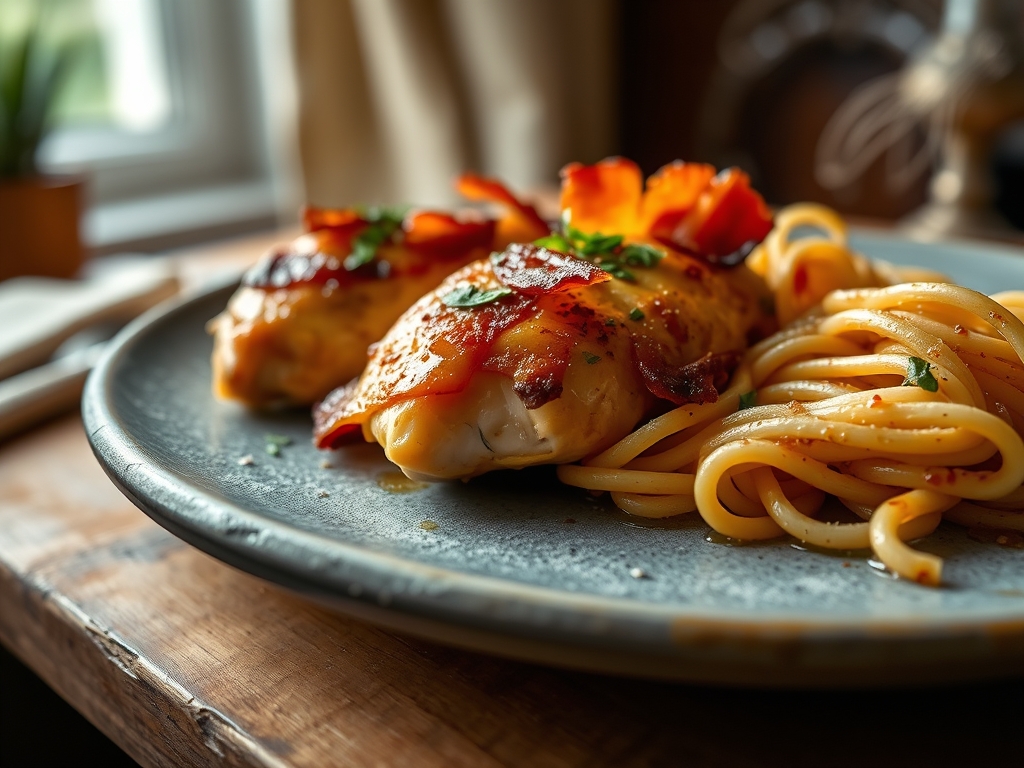
Picture the sound of a heavy-bottomed skillet meeting the flame. Within minutes, the air transforms into a rich tapestry of rendered fat and toasted garlic. If you are hunting for the ultimate comfort, these chicken recipes with bacon and pasta deliver a masterclass in flavor layering. We are talking about crispy, salty pork meeting succulent poultry in a silky, emulsified embrace.
It is not just about throwing ingredients into a pot; it is about the chemistry of a perfect dinner. When you combine the smoky depth of cured bacon with the lean protein of chicken, you create a profile that hits every sensory note. This guide is your backstage pass to mastering the art of the pan-sauce. We will explore how to harness the golden bits of flavor stuck to your pan to create a restaurant-quality finish. Whether you want a spicy kick or a creamy velvet texture, these methods turn a simple weeknight meal into a culinary event. Grab your favorite apron and let us get into the science of the sear.
The Gathers:
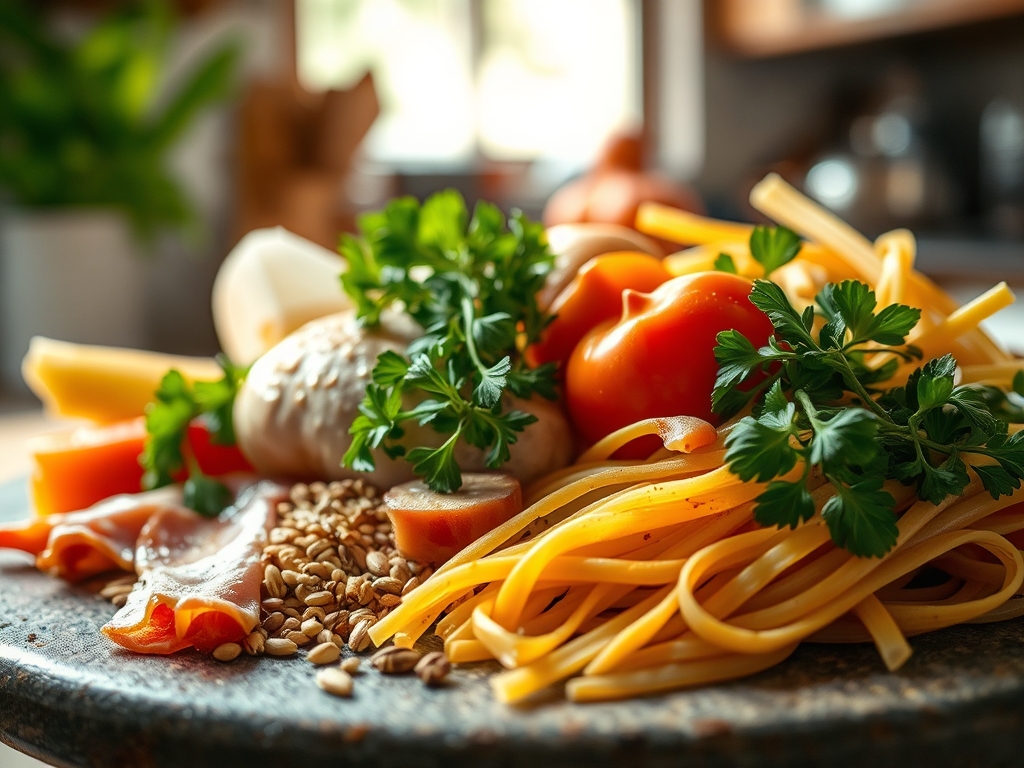
The foundation of any great dish starts with mise-en-place. For these recipes, you need to think about textures. Your chicken should be organic breast or thigh meat, patted dry with paper towels to ensure a proper sear. Moisture is the enemy of the Maillard reaction. For the bacon, look for thick-cut slabs that provide a significant amount of fat to render. This liquid gold will serve as your primary cooking medium.
Your pantry should be stocked with high-quality dry pasta like bronze-cut rigatoni or linguine. These have a rougher surface area, which allows your sauce to cling rather than slide off. You will also need heavy cream, freshly grated Parmigiano-Reggiano, and aromatics like shallots and garlic. Do not reach for the pre-minced jarred garlic; the volatile oils dissipate quickly. Use a microplane to grate fresh cloves directly into the pan for a piquant punch.
Smart Substitutions:
If you are looking to lighten the load, swap the heavy cream for a splash of starchy pasta water and a knob of cold butter. This creates a glossy, light emulsion. For a smoky twist without the pork, try using smoked paprika and sun-dried tomatoes to mimic that depth. If you are out of shallots, a finely diced red onion provides a similar sweetness once caramelized.
The Clock
Efficiency in the kitchen is about the "Chef's Flow." This is the practice of overlapping tasks so no time is wasted. Total active prep time for these dishes usually clocks in at 15 minutes, with a cook time of 20 minutes. While your large pot of salted water comes to a rolling boil, you should be rendering your bacon in a cold skillet. Starting with a cold pan allows the fat to liquefy before the meat burns.
By the time your pasta hits the "al dente" stage, your chicken should be resting and your sauce should be simmering. This synchronization ensures that the pasta is hot when it meets the sauce, preventing the starches from seizing. Always use a digital scale for your pasta portions to ensure the sauce-to-noodle ratio is mathematically perfect.
The Masterclass
1. Render and Crisp
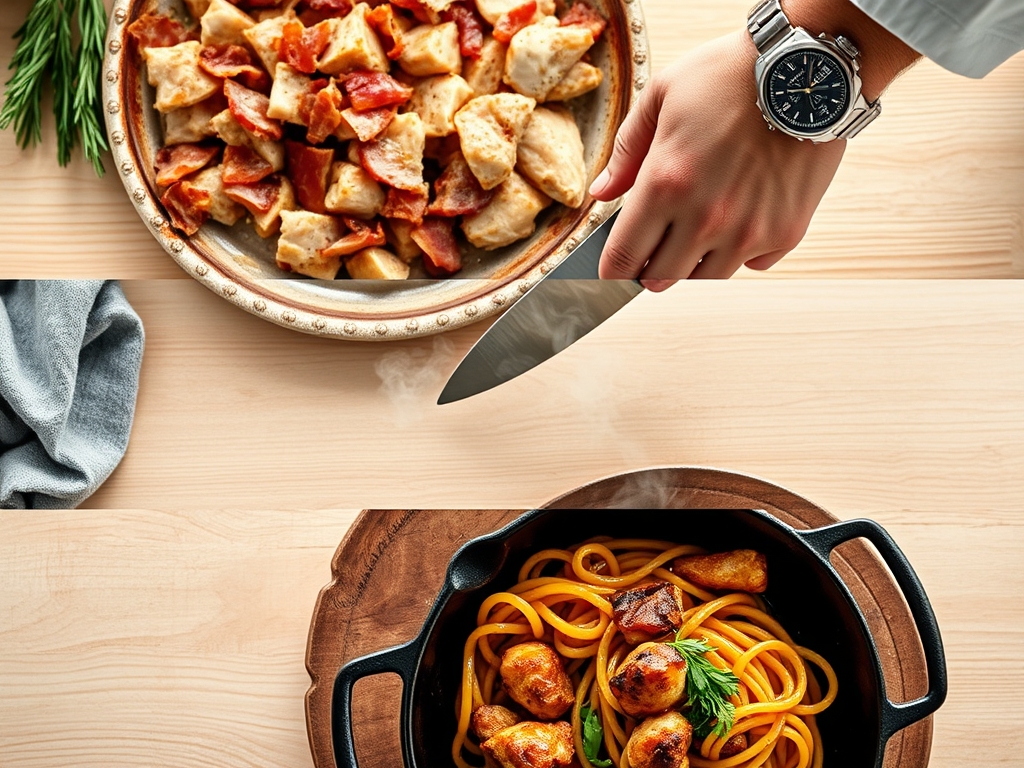
Place your diced bacon into a cold saucier or skillet over medium heat. As the temperature rises, the fat will render, turning the pieces into golden, crunchy jewels. Once crisp, use a slotted spoon to remove the bacon, leaving the fat behind.
Pro Tip: This is the science of lipid extraction. By starting cold, you prevent the exterior of the bacon from toughening before the fat has a chance to melt out, providing a better base for your sauce.
2. The Golden Sear
Season your chicken liberally with kosher salt. Place it into the hot bacon fat. Do not crowd the pan; if the temperature drops too low, the chicken will steam instead of sear. Cook until a deep golden crust forms.
Pro Tip: This is the Maillard reaction in action. This chemical reaction between amino acids and reducing sugars creates hundreds of different flavor compounds that give the meat its savory, "umami" depth.
3. Deglaze and Infuse
Remove the chicken and add your aromatics like shallots and garlic. Once they are translucent, pour in a splash of dry white wine or chicken stock. Use a wooden spoon to scrape the brown bits, or fond, from the bottom of the pan.
Pro Tip: Deglazing is a solvent-based extraction. The alcohol or acid in the liquid dissolves the caramelized proteins stuck to the pan, integrating that intense flavor directly into your sauce base.
4. Emulsify the Sauce
Lower the heat and add your cream or pasta water. Whisk vigorously as you add your cheese. The goal is to create a viscous, stable emulsion where the fat and water-based liquids stay bonded together.
Pro Tip: To prevent the sauce from breaking, ensure your cheese is finely grated. Large clumps of cheese take longer to melt and can cause the proteins to string together into a rubbery mess.
5. The Final Marriage
Toss your cooked pasta and chicken back into the skillet. Use stainless steel tongs to aerate the mixture as you fold everything together. Add a splash of pasta water if the sauce looks too thick.
Pro Tip: This stage utilizes starch gelatinization. The residual starch on the pasta acts as a bridge, helping the sauce adhere to the noodles for a professional, glossy finish.
The Deep Dive
From a macro perspective, these dishes are powerhouses. A standard serving provides roughly 35 grams of protein and 45 grams of carbohydrates. To balance the fats, ensure you are using high-quality olive oil and lean chicken breast.
Dietary Swaps:
For a Keto version, swap the pasta for zoodles or spaghetti squash. The bacon and cream sauce are already high-fat heroes. For a Gluten-Free option, use brown rice pasta, but be careful not to overcook it as it lacks the structural integrity of wheat. For a Vegan twist, use smoked tempeh bits and a cashew-based cream sauce with nutritional yeast.
The Fix-It:
- Broken Sauce: If your sauce looks oily and separated, whisk in a tablespoon of boiling pasta water. The starch acts as an emulsifier to pull it back together.
- Dry Chicken: If you overcooked the breast, slice it thin and toss it in the sauce for two minutes. The liquid will penetrate the fibers via osmosis, adding moisture back.
- Bland Flavor: Usually a salt or acid issue. Add a squeeze of lemon juice or a dash of red pepper flakes to brighten the heavy fats.
Meal Prep Science:
When reheating, do not use the microwave on high. The intense radiation causes the fats to separate. Instead, use a splash of milk and reheat in a pan over low heat. This gently restores the emulsion without making the chicken rubbery.
The Wrap-Up
Mastering chicken recipes with bacon and pasta is about more than just following a list; it is about understanding the heat and the ingredients. By focusing on the sear, the deglaze, and the final emulsion, you elevate a simple meal into something extraordinary. These seven variations, from creamy alfredo to zesty carbonara styles, offer a playground for your culinary creativity. Now, get into that kitchen and start rendering!
The Kitchen Table
How do I keep my pasta sauce from separating?
Always save your pasta water. The starch acts as a natural binding agent. Whisk cold butter or cheese into the sauce over low heat to maintain a stable emulsion and prevent the fats from breaking away.
What is the best way to cook chicken for pasta?
Sear the chicken in the rendered bacon fat over medium-high heat. This creates a flavorful crust. Remove the chicken when it reaches 160 degrees Fahrenheit to allow for thermal carryover, ensuring the meat remains juicy and tender.
Can I use pre-cooked bacon for these recipes?
While convenient, pre-cooked bacon lacks the raw fat needed to build a proper sauce base. For the best results, render fresh, thick-cut bacon in the pan to create the flavorful oil used for searing the chicken and aromatics.
How do I get the sauce to stick to the pasta?
Finish the pasta directly in the sauce pan rather than pouring sauce over dry noodles. This allows the pasta starches to bond with the sauce, creating a cohesive, glossy coating that does not pool at the bottom of the bowl.