
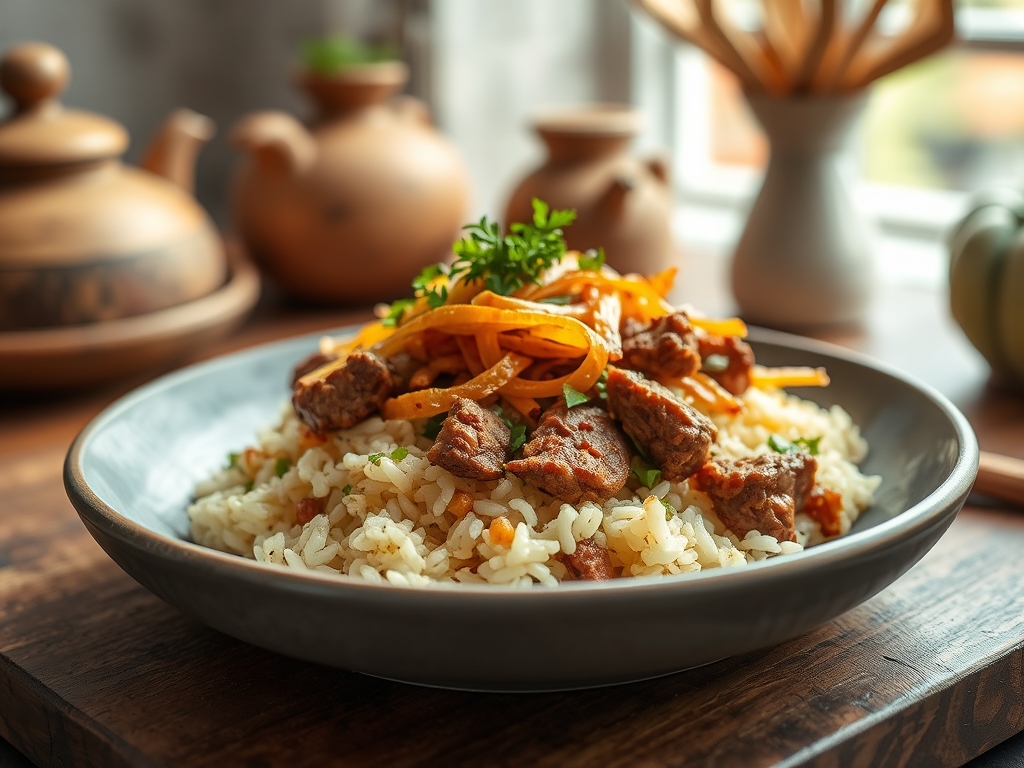
Imagine a kitchen filled with the scent of toasted cumin and the deep, savory perfume of browning fat. We are talking about the ultimate weeknight alchemy: cabbage rice and ground beef recipes that transform humble garden staples into a velvet-textured masterpiece. It is the crunch of the crucifer meeting the rich, umami-laden depth of perfectly seared protein.
The magic lies in the contrast. When you finely shred cabbage to a rice-like consistency, it loses its sulfurous reputation and becomes a high-surface-area vessel for flavor. It absorbs every drop of rendered beef fat while maintaining a structural integrity that traditional grains often lose. We are not just making dinner; we are engineering a low-carb, high-impact feast that satisfies the primal craving for a hearty bowl of comfort without the post-meal slump. This is the intersection of efficiency and gourmet flair.
The Gathers:
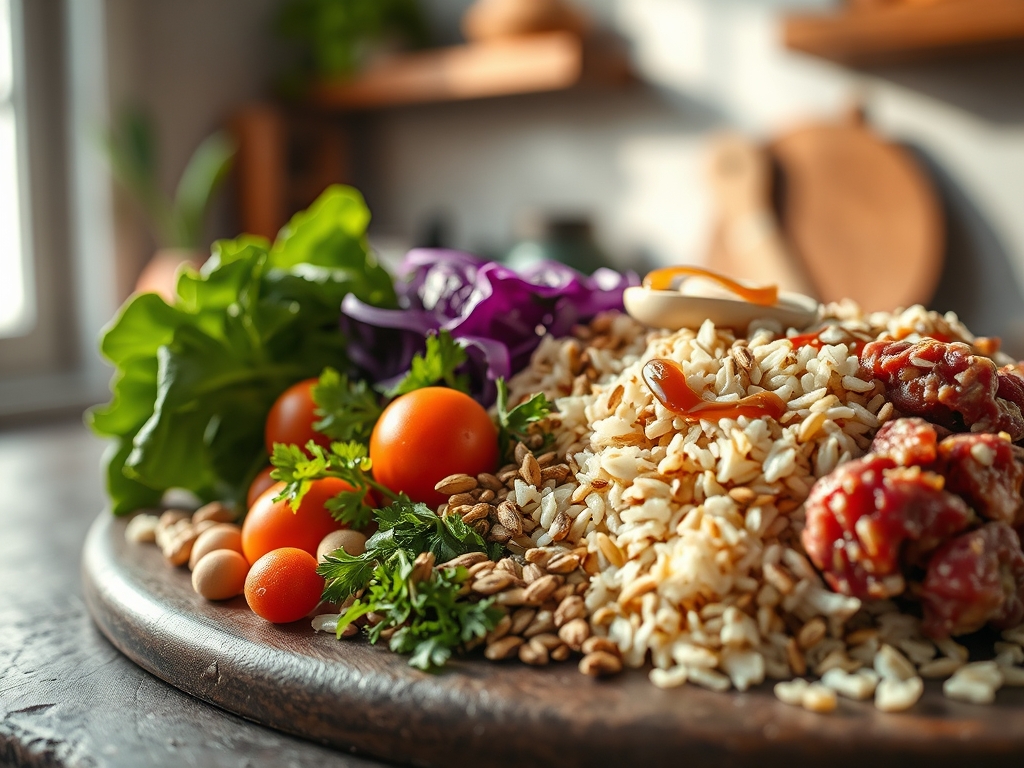
To master these cabbage rice and ground beef recipes, your mise-en-place must be precise. Start with a head of green cabbage, ensuring it is heavy for its size, which indicates high water content and crispness. You will need a bench scraper to manage the volume of shredded greens and a microplane for aromatics like ginger and garlic.
The beef should be an 80/20 blend. This ratio is non-negotiable because the fat acts as the primary cooking medium for the cabbage. You will also need a high-smoke-point oil, like avocado oil, and a piquant acid like apple cider vinegar or lime juice to brighten the finish. For smart substitutions, swap the beef for ground bison if you want a leaner, more iron-rich profile; or use riced cauliflower mixed with the cabbage to further diversify the micronutrient density. If you are chasing a deeper umami, keep a bottle of liquid aminos or fish sauce nearby to deglaze the pan.
The Clock:
Efficiency in the kitchen is about "Chef's Flow." Total active prep time for these recipes is approximately 15 minutes, primarily spent on the knife work required to shred the cabbage. Use a sharp chef's knife or a mandoline to achieve a uniform "rice" texture.
The cooking phase takes roughly 20 minutes. We follow a specific sequence: render, sauté, and steam. By the time the beef has reached a deep mahogany brown, the cabbage is ready to hit the pan. The total time from fridge to table is 35 minutes. This timeline respects the thermal properties of the ingredients; overcooking cabbage leads to the release of isothiocyanates, which create that bitter, "cabbagy" smell we want to avoid.
1. The Maillard Sear
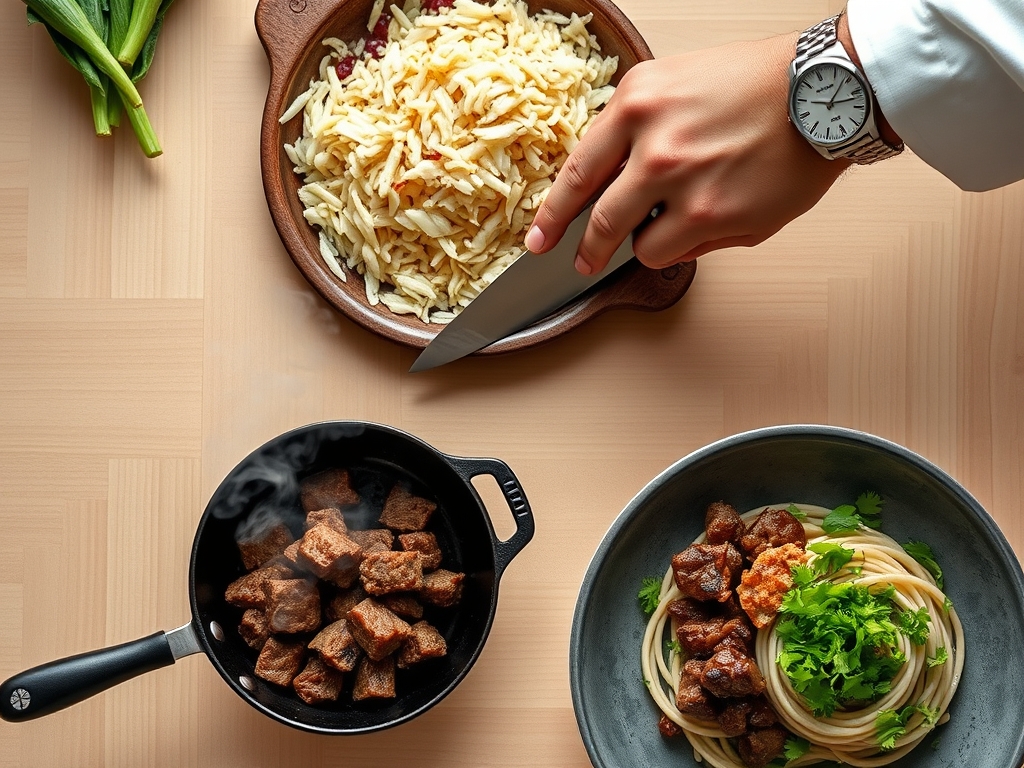
Start by heating a heavy-bottomed skillet over medium-high heat. Add your beef in a flat layer and leave it alone for three minutes. Do not stir. You are looking for the Maillard reaction, a chemical reaction between amino acids and reducing sugars that creates a complex, savory crust.
Pro Tip: This is called enzymatic browning. If you crowd the pan, the moisture released will steam the meat instead of searing it, resulting in a gray, rubbery texture rather than a crispy, flavorful one.
2. The Fat Render
Once the first side is browned, use a stiff spatula to break the meat into small crumbles. Continue cooking until the fat is fully rendered and clear. This liquid gold is what will coat every grain of your cabbage rice, acting as an emulsifier for your dry spices.
Pro Tip: Use a digital scale to measure your spices. Precision ensures that the salt levels do not overwhelm the delicate sweetness of the cabbage as it caramelizes.
3. The Aromatic Infusion
Push the meat to the edges of the skillet and drop in your minced garlic, ginger, and scallion whites. Sauté these in the center until they become fragrant and translucent. This step allows the fat to infuse with the essential oils of the aromatics before the vegetables are added.
Pro Tip: This is known as "blooming" spices. High heat releases fat-soluble flavor compounds that would otherwise remain trapped in the cell walls of the aromatics.
4. The Cabbage Integration
Dump your shredded cabbage into the skillet. It will look like a mountain, but do not panic. As the heat breaks down the cellulose, the volume will decrease by nearly half. Use tongs to toss the cabbage with the beef and fat, ensuring every strand is coated.
Pro Tip: Cabbage has a high water content. By tossing it in the hot fat, you create a hydrophobic barrier that prevents the cabbage from becoming mushy while it softens.
5. The Deglaze and Steam
Add two tablespoons of liquid (water, broth, or soy sauce) and immediately cover the pan with a tight-fitting lid for two minutes. This creates a localized steam environment that tenderizes the cabbage without leaching out its vibrant color.
Pro Tip: This is "thermal carryover" in action. The steam penetrates the dense fibers of the cabbage quickly, allowing you to pull the pan off the heat while the vegetables are still "al dente."
6. The Acid Brightening
Remove the lid and turn the heat to high. Add your vinegar or citrus juice. Use your spatula to scrape up any browned bits (the fond) from the bottom of the pan. This adds an incredible depth of flavor that balances the richness of the beef.
Pro Tip: Acid breaks down the long-chain proteins in the beef and cuts through the viscous nature of the rendered fat, providing a "clean" finish on the palate.
7. The Final Aeration
Turn off the heat and toss in fresh herbs like cilantro or parsley. Use a fork to aerate the mixture, fluffing it up just like you would with traditional rice. This prevents the weight of the ingredients from compacting the dish.
Pro Tip: Aeration allows steam to escape quickly, stopping the cooking process immediately and preserving the structural integrity of the "rice" grains.
The Deep Dive:
Nutritionally, cabbage rice and ground beef recipes are a powerhouse. A standard serving provides roughly 30g of protein and 8g of fiber, with a glycemic load that is negligible compared to white rice. For my keto friends, this is a holy grail meal. If you are vegan, substitute the beef with a crumbled tempeh or a walnut-mushroom mince; just be sure to add a tablespoon of coconut oil to mimic the mouthfeel of beef fat.
The Fix-It:
- Too Watery? You likely covered the pan too long. Remove the lid and crank the heat to evaporate excess moisture.
- Bland Flavor? You need more acid. A splash of lime or a dash of hot sauce will wake up the dormant flavors.
- Burnt Garlic? Next time, add your aromatics later in the process. For now, add a splash of cream or coconut milk to mellow the bitterness.
Meal Prep: To reheat while maintaining "day-one" quality, avoid the microwave. Instead, use a saucier or small skillet with a teaspoon of water. Cover it for sixty seconds to re-steam the cabbage, then stir until the beef is warmed through.
The Wrap-Up:
Mastering cabbage rice and ground beef recipes is about more than just a quick dinner; it is about understanding how heat, fat, and fiber interact to create something spectacular. This dish is versatile, budget-friendly, and incredibly satisfying. Whether you are meal prepping for a busy week or hosting a casual dinner, these seven hacks ensure your results are consistently chef-grade. Now, grab your skillet and let the searing begin!
The Kitchen Table:
Can I use red cabbage instead of green?
Yes, but be aware that red cabbage takes longer to soften due to its denser fiber structure. It also contains anthocyanins that may turn your beef a slightly purple hue, though the flavor remains deliciously earthy and sweet.
How do I prevent the cabbage from smelling?
The "old cabbage" smell comes from overcooking, which releases sulfur compounds. To keep it fresh, cook the cabbage quickly over high heat and avoid simmering it for more than five minutes. Use acid to neutralize any lingering odors.
What is the best way to "rice" cabbage?
While a food processor is fast, it can often turn cabbage into mush. For the best texture, use a sharp knife to shred it into very thin ribbons, then chop those ribbons into rice-sized confetti pieces.
Is this recipe freezer-friendly?
Cabbage has a high water content, so it can become soft after freezing. For best results, undercook the cabbage slightly before freezing. Reheat in a hot skillet to evaporate excess moisture and restore the desired "al dente" snap.