
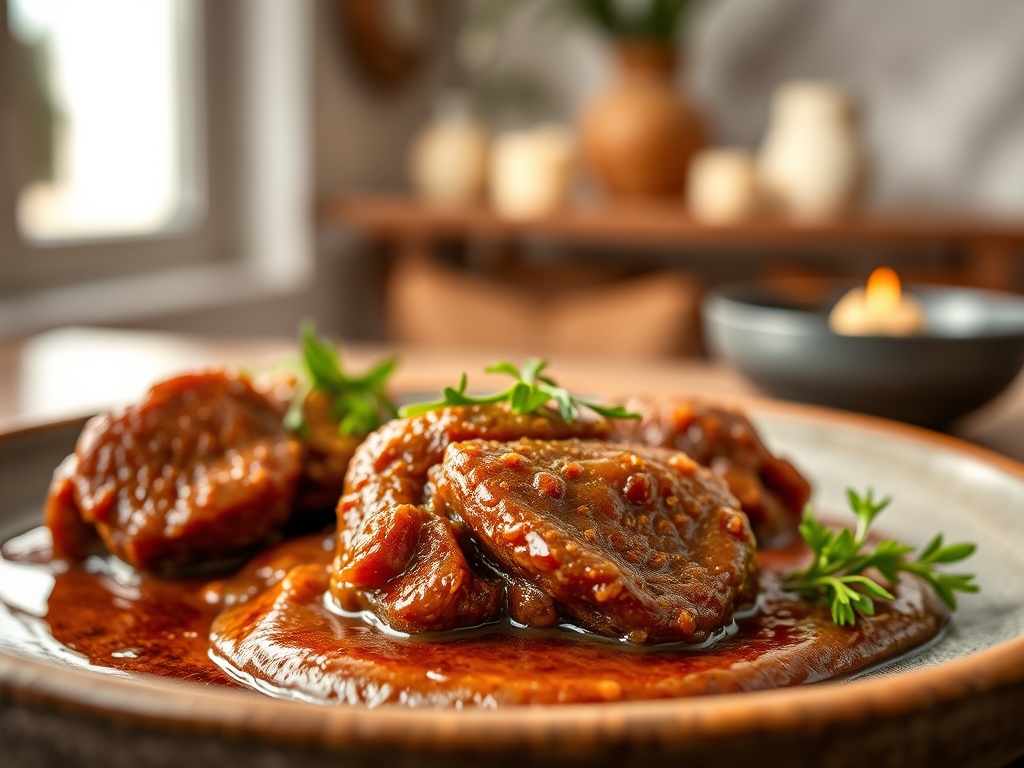
Imagine a kitchen draped in the heavy, velvet scent of red wine and slow-rendered fat. That is the magic of the Provencal classic we are tackling today. While many stews feel like a chaotic jumble of ingredients, mastering daube of beef recipes requires a shift in mindset from boiling to braising. This is a slow-motion transformation where tough connective tissue surrenders to the steady pulse of heat. We are not just making dinner; we are conducting a three-day symphony of flavor that begins with a cold marinade and ends with a fork-tender masterpiece. If you have ever wondered why some stews taste flat while others possess a haunting, deep complexity, the answer lies in the chemistry of the braise. We are going to use every trick in the book, from the Maillard reaction to collagen gelatinization, to ensure your kitchen smells like a Michelin-starred bistro in the heart of Avignon. Grab your favorite heavy-bottomed pot and let us dive into the technical beauty of the ultimate French comfort food.
The Gathers:
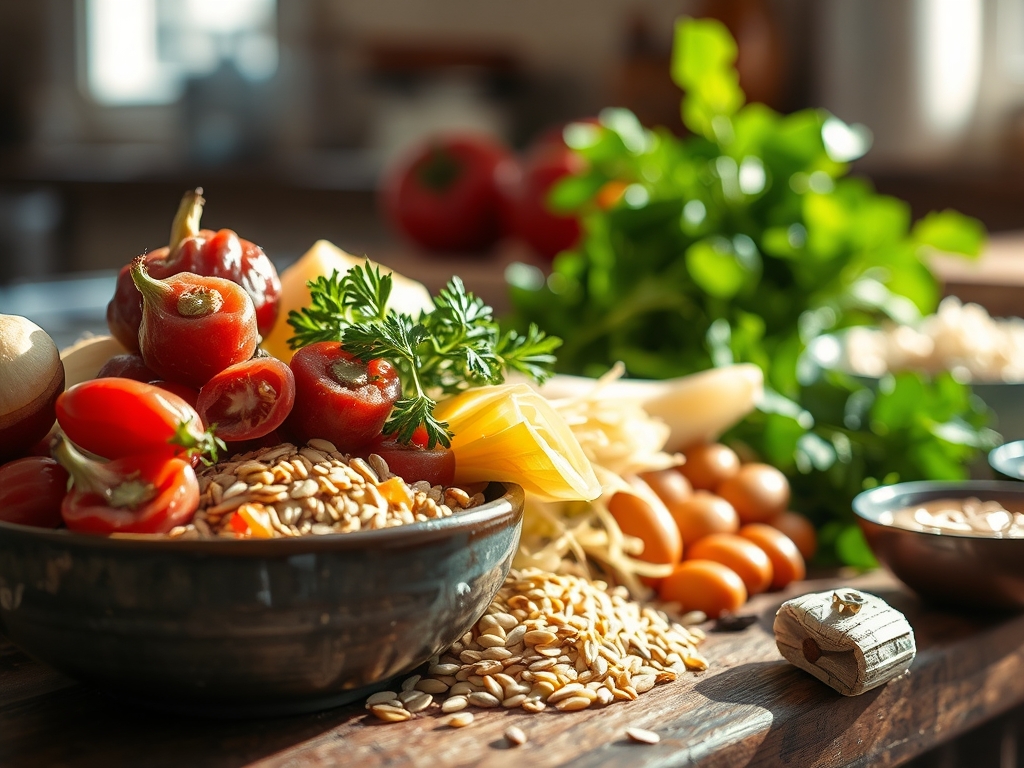
To execute this properly, your mise-en-place must be precise. Start with three pounds of beef chuck or shin, cubed into substantial two-inch pieces. Smaller cuts will disintegrate during the long simmer. You will need a full bottle of dry red wine, preferably a Cotes du Rhone, to provide the necessary acidity and tannins. For the aromatics, gather a head of garlic, three large carrots, two yellow onions, and a bouquet garni consisting of fresh thyme, bay leaves, and parsley stalks. A unique hallmark of this dish is the inclusion of dried orange peel and salt-cured black olives, which provide a piquant counterpoint to the rich meat.
Smart Substitutions: If you cannot find a traditional daube pot, a heavy Dutch oven or a copper-core saucier works beautifully. For those avoiding alcohol, a mixture of high-quality beef bone broth and two tablespoons of balsamic vinegar can mimic the acidity of the wine. If you are out of fresh herbs, use a microplane to grate a hint of dried star anise into the pot; it mimics the earthy depth of the traditional Provencal spice profile without the need for a trip to the specialty market.
The Clock
Efficiency in the kitchen is about the Chef's Flow. This recipe requires a total of 24 to 48 hours for the full flavor profile to develop, though active work is minimal.
- Marinating: 12 to 24 hours (Essential for acid penetration).
- Prep and Searing: 45 minutes (The most labor-intensive phase).
- The Long Simmer: 3 to 4 hours at a low, consistent temperature.
- The Resting Phase: 2 hours minimum (Allowing fibers to reabsorb juices).
By staggering these steps, you ensure the meat never experiences thermal shock, which can lead to a graininess in the final texture.
The Masterclass
1. The Cold Infusion
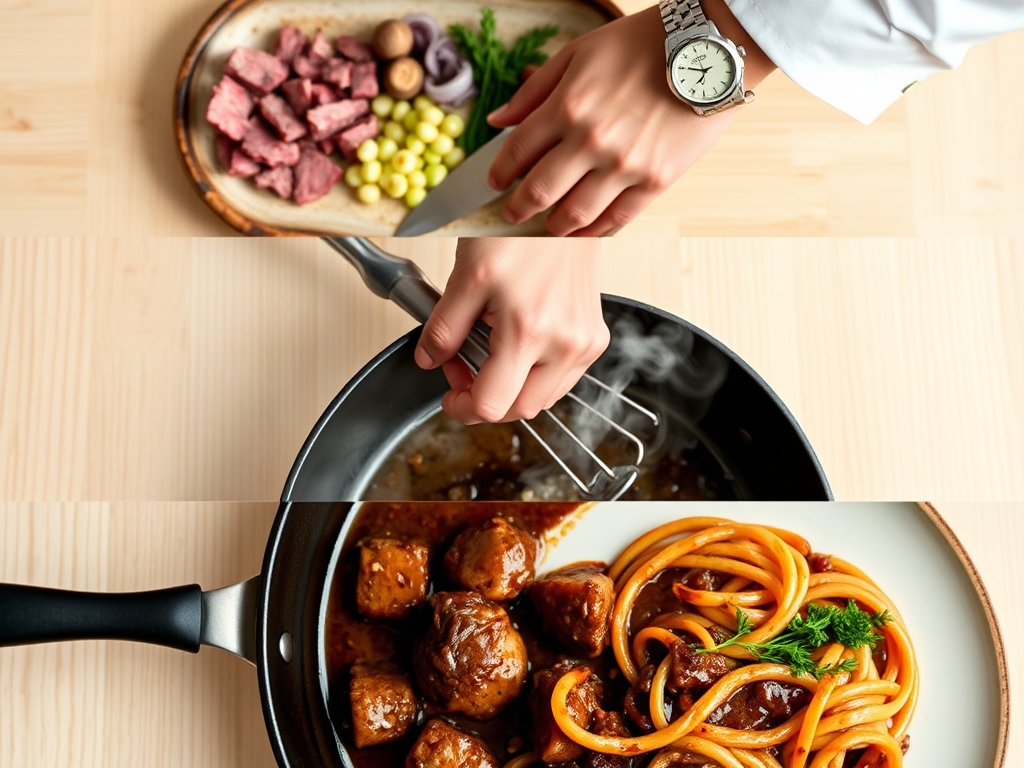
Place your cubed beef in a large glass bowl with the wine, sliced onions, carrots, and the bouquet garni. Cover and refrigerate for at least 12 hours. This step allows the wine's tannins to begin breaking down the tough protein structures before heat is even applied.
Pro Tip: This is a form of denaturation. The acid in the wine begins to uncoil the protein strands, allowing moisture to seep into the center of the meat, preventing it from drying out during the long cook.
2. The Great Dry-Off
Remove the beef from the marinade using tongs and pat every single piece bone-dry with paper towels. Do not skip this. If the meat is wet, it will steam rather than sear, ruining the flavor profile.
Pro Tip: Moisture is the enemy of the Maillard reaction. By removing surface water, you allow the temperature to rise above 300 degrees Fahrenheit instantly, creating the complex brown crust that provides the base for your sauce.
3. Searing for Depth
Heat a tablespoon of oil in a heavy-bottomed skillet until it reaches the shimmering point. Sear the beef in small batches until a deep, mahogany crust forms on all sides. Use a bench scraper to clear any burnt bits between batches if necessary.
Pro Tip: This stage creates melanoidins, which are the flavor compounds responsible for the savory "umami" taste. Overcrowding the pan lowers the surface temperature, causing the meat to gray instead of brown.
4. Deglazing the Fond
Once the meat is seared and set aside, pour a splash of the marinade into the hot pan. Use a wooden spoon to scrape up all the brown bits (the fond) stuck to the bottom.
Pro Tip: The fond is concentrated flavor. By deglazing, you are performing a solvent extraction, pulling those caramelized sugars and proteins back into the liquid phase of your stew.
5. The Aromatics Render
In your main Dutch oven, sauté chopped bacon (lardons) until the fat begins to render. Add your marinated vegetables and cook until they are translucent and slightly softened.
Pro Tip: Fat is a flavor carrier. The rendered pork fat coats the vegetable cell walls, allowing the fat-soluble compounds in the garlic and onions to distribute evenly throughout the entire dish.
6. The Assembly
Add the seared beef, the deglazed liquid, and the remaining marinade into the Dutch oven. Add the orange peel and the olives. The liquid should just barely cover the meat.
Pro Tip: This is a braise, not a boil. Keeping the liquid level low ensures the top of the meat is cooked by trapped steam, which is gentler on the delicate collagen fibers than direct submersion in boiling liquid.
7. The Low and Slow Descent
Place the pot in a 300-degree Fahrenheit oven or on the lowest possible stovetop setting. The liquid should only show the occasional, lazy bubble.
Pro Tip: At approximately 160 degrees Fahrenheit, collagen begins to melt into gelatin. If the temperature goes too high too fast, the muscle fibers will contract and squeeze out all the moisture before the collagen can turn into that silky, lip-smacking sauce.
8. The Texture Check
After three hours, test a piece of beef with a fork. It should yield with almost no resistance but still hold its shape. If it falls apart into shreds, it is slightly overdone; if it is bouncy, it needs more time.
Pro Tip: This is the gelatinization threshold. The meat is technically "overcooked" by steak standards, but the high gelatin content creates a perceived juiciness that makes it feel tender on the tongue.
9. The Sauce Reduction
Remove the meat and vegetables. If the sauce is too thin, simmer it uncovered for ten minutes to aerate and concentrate the liquid until it coats the back of a spoon.
Pro Tip: Reducing the liquid increases its viscosity. As water evaporates, the concentration of gelatin and dissolved solids increases, creating a luxurious mouthfeel without the need for heavy flour thickeners.
10. The Final Rest
Return the meat to the sauce and let it sit for at least thirty minutes before serving. This allows the internal temperature to stabilize and the juices to redistribute.
Pro Tip: This accounts for thermal carryover. Even after removing the pot from the heat, the internal temperature of the beef continues to rise slightly, finishing the softening process without the risk of drying out the exterior.
The Deep Dive
Macro Nutrition: A standard serving of beef daube is high in protein (approx 35g) and moderate in fat, depending on the cut of beef used. It is naturally low in carbohydrates, making it an excellent choice for various lifestyles.
Dietary Swaps:
- Vegan: Replace beef with thick chunks of portobello mushrooms and eggplant. Use a vegetable demi-glace and increase the olive count for savory depth.
- Keto: This dish is naturally keto-friendly. Simply ensure you do not use flour to thicken the sauce; rely on reduction alone.
- Gluten-Free: Traditional daube is naturally GF, but always check your beef broth labels for hidden wheat thickeners.
The Fix-It:
- Too Salty? Drop in a peeled, halved potato for the last 20 minutes of cooking. It acts as a sponge for excess sodium.
- Too Thin? Whisk a teaspoon of butter with a teaspoon of flour (beurre manie) and stir it into the simmering sauce.
- Too Acidic? A tiny pinch of sugar or a square of dark chocolate can neutralize the sharp bite of the wine without changing the flavor profile.
Meal Prep: Daube of beef is actually better on day two. When reheating, do so gently over low heat. Avoid the microwave, as it can cause the proteins to tighten and become rubbery. Adding a splash of water or broth during reheating helps maintain the sauce's emulsion.
The Wrap-Up
Mastering daube of beef recipes is a rite of passage for any serious home cook. It teaches patience, the importance of temperature control, and the beauty of layering flavors over time. By focusing on the science of the sear and the slow melt of collagen, you transform humble ingredients into a dish that feels incredibly expensive and soulful. Go forth, deglaze with confidence, and enjoy the most comforting meal you have ever made!
The Kitchen Table
Can I make this in a slow cooker?
Yes, but you must sear the meat in a skillet first. Slow cookers do not reach the temperatures required for the Maillard reaction, so skipping the sear will result in a bland, gray stew with less depth.
What is the best wine for beef daube?
Use a dry, full-bodied red like Syrah, Grenache, or a Cotes du Rhone. Avoid sweet wines or very light reds like Pinot Noir, as they lack the tannins needed to properly tenderize the beef during the long marinade.
Why is my beef still tough after four hours?
It likely needs more time or a slightly higher temperature. If the beef is still rubbery, the collagen hasn't fully converted to gelatin. Continue simmering at a low heat until the meat yields easily to a fork.
How do I store leftovers safely?
Cool the stew completely before transferring it to airtight containers. It will stay fresh in the refrigerator for up to four days or in the freezer for three months. Always reheat slowly to preserve the texture of the meat.