
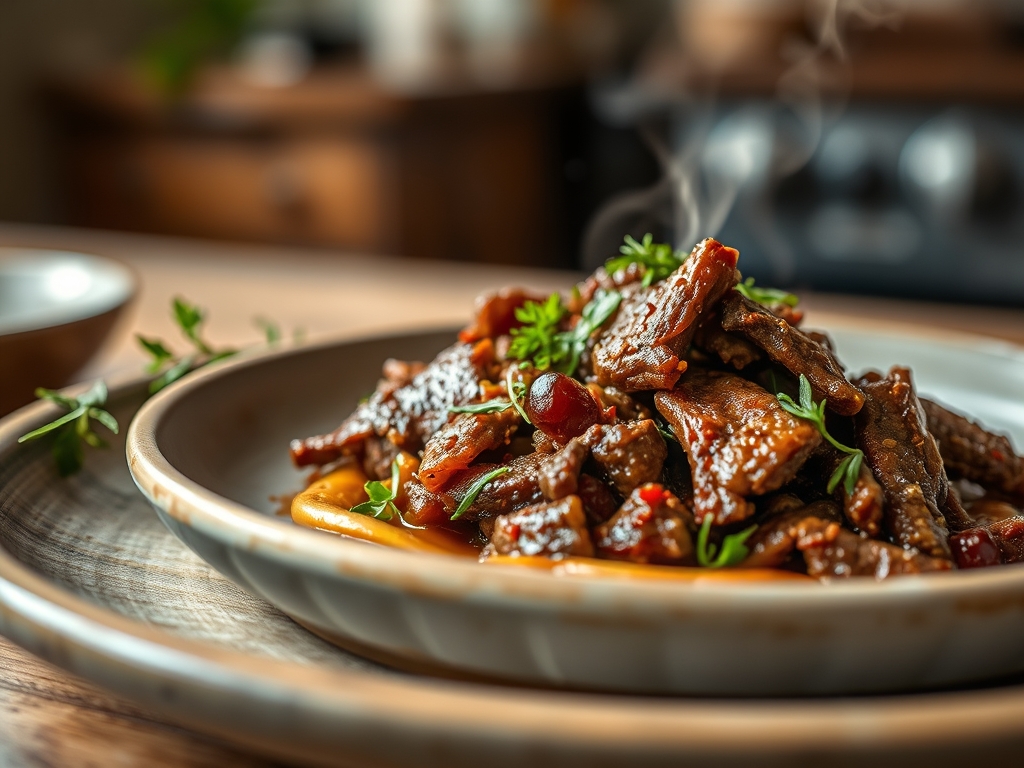
Imagine the scent of slow-simmered oregano and garlic clinging to your kitchen curtains. You have a plastic container of cold, shredded protein sitting in the fridge; a silent promise of a second act. Finding the best leftover italian beef recipes is about more than just reheating; it is a chemical transformation of collagen and fat into pure culinary gold.
The beauty of Italian beef lies in its structural integrity. Unlike delicate poultry, this beef has been braised until the connective tissues have broken down into gelatin. When cold, it is a firm, flavorful mass. When heated correctly, those fats liquefy to create a mouthfeel that is velvety and rich. We are going to take that foundation and pivot into six distinct directions; from high-heat sears to emulsified sauces; ensuring that your second meal feels like a deliberate masterpiece rather than a desperate afterthought.
The Gathers:
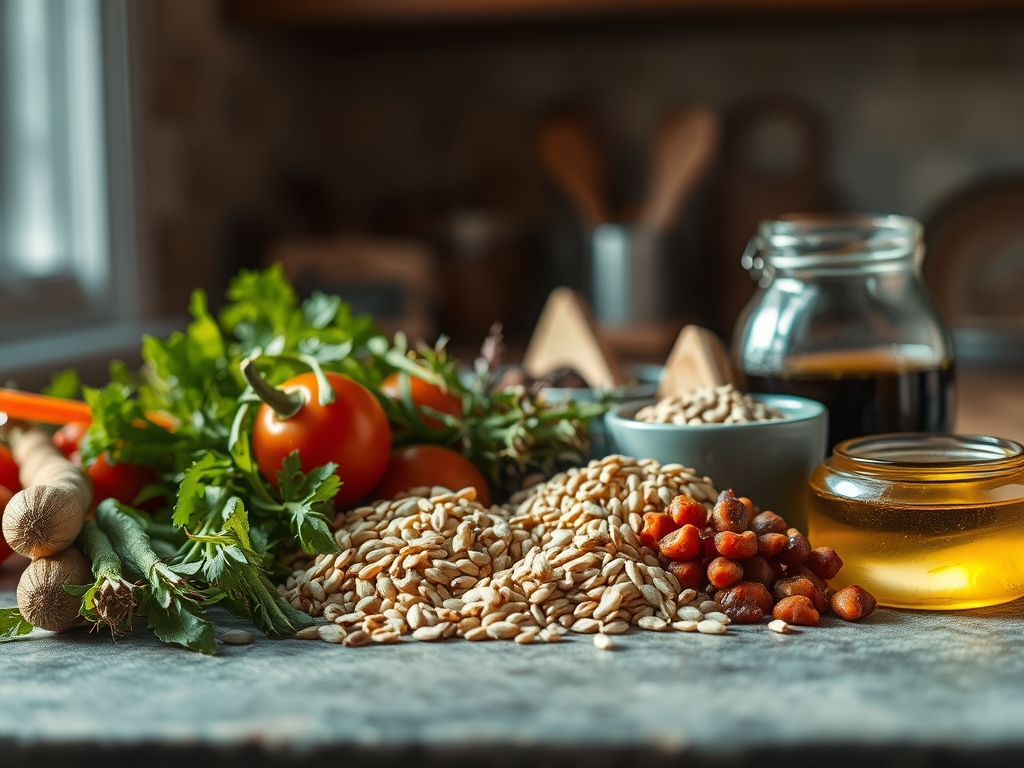
To execute these leftover italian beef recipes, your mise-en-place must be precise. Start with your primary protein: the beef should be chilled to allow for clean slicing or dicing. You will need a heavy-bottomed skillet (cast iron is ideal for heat retention) and a saucier for any liquid-based transitions.
Gather high-acid components like piquant giardiniera and pickled red onions. These provide the necessary contrast to the heavy lipids in the beef. For the dairy elements, reach for low-moisture mozzarella or a sharp provolone; these have the protein structure required for a perfect stretch without releasing excess water.
Smart Substitutions:
If you are out of traditional au jus, a high-quality bone broth fortified with a splash of Worcestershire sauce and a pinch of dried basil will mimic the flavor profile. If you lack hoagie rolls, use a sourdough loaf; the lactic acid in the bread complements the savory notes of the beef. For a lighter touch, replace heavy cream in sauces with a dollop of Greek yogurt added off the heat to prevent curdling.
The Clock:
In a professional kitchen, we operate on the "Chef's Flow." This means grouping tasks by thermal intensity. Your total active prep time for these variations is roughly 15 minutes, with cook times ranging from 5 to 20 minutes.
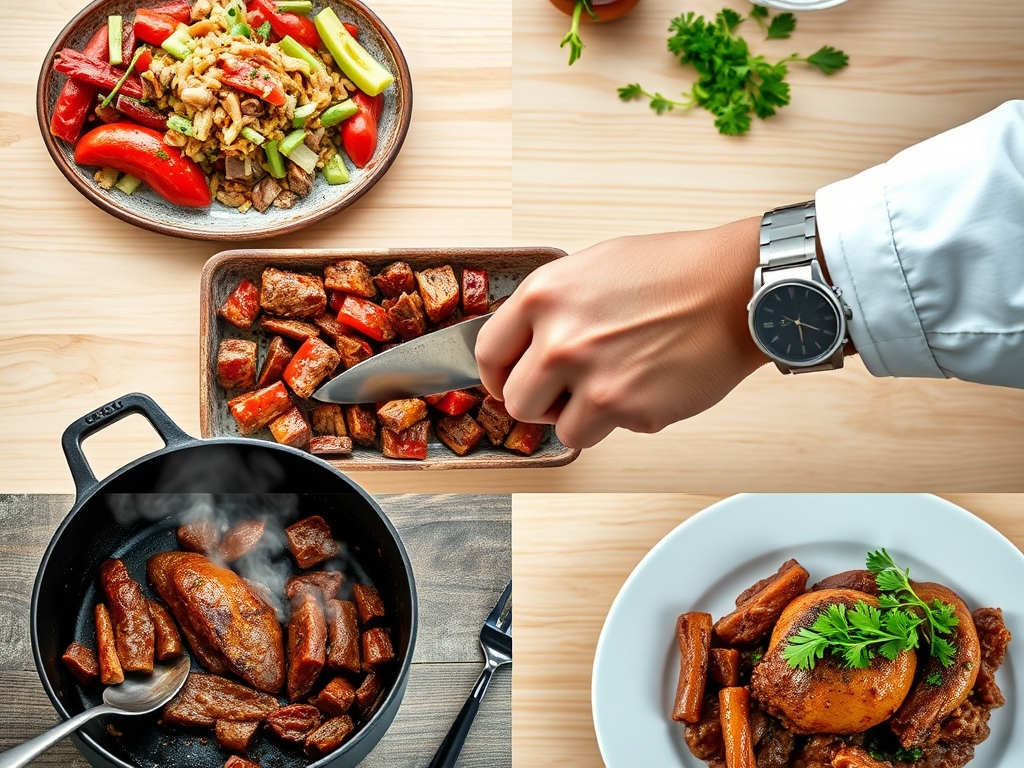
The flow begins with the cold prep: slicing aromatics with a sharp chef knife and grating cheese with a microplane to increase surface area for faster melting. Next, move to the stovetop. High-heat applications like a beef stir-fry or "Italian Philly" cheesesteak happen first. Slower, liquid-based simmer applications like a beef-infused ragu happen last. This sequence ensures your tools stay hot and your momentum stays high.
The Masterclass:
1. The Maillard Sear Breakfast Hash
Dice your beef into half-inch cubes. Heat your cast iron skillet until it wisps with smoke. Toss in the beef with par-boiled potatoes. Use a metal spatula to press the mixture down, maximizing contact with the heat.
Pro Tip: This relies on the Maillard Reaction, where amino acids and reducing sugars transform under high heat to create a complex, savory crust. Do not move the beef too early; let the crust form to prevent sticking.
2. The Emulsified Beef Ragu
Place your leftover beef and its jus into a saucier. Add a splash of heavy cream and a handful of Parmesan. Whisk vigorously over medium heat until the fat and liquid unite into a glossy, viscous sauce. Toss with pappardelle.
Pro Tip: You are creating an emulsion. The proteins in the cheese act as stabilizers, preventing the fat from separating into an oily mess. Always add cheese gradually to maintain a smooth texture.
3. The Piquant Beef Tostada
Flash-fry corn tortillas until crisp. Reheat the beef in a small pan with a squeeze of lime and a dash of cumin. Top the shells with the beef, smashed avocado, and plenty of giardiniera.
Pro Tip: The acidity in the lime and pickles performs a denaturation of sorts on your palate; it "cuts" through the heavy tallow of the beef, making the flavor profile feel bright and refreshed.
4. The Italian Beef Grilled Cheese
Butter two slices of thick brioche. Layer thin slices of cold beef between three slices of provolone. Griddle over medium-low heat using a bacon press to ensure even browning.
Pro Tip: Use thermal carryover. By cooking over lower heat, the bread browns at the same rate the beef core reaches its melting point. If the heat is too high, you will have burnt bread and a cold center.
5. The Deconstructed Au Jus Risotto
Stir shredded beef into your risotto during the last three minutes of cooking. Use a silicone spatula to fold it in gently so you do not break the rice grains.
Pro Tip: The starches released from the Arborio rice will gelatinize with the beef jus, creating a luxurious mouthfeel without needing excessive butter.
6. The Beef and Giardiniera Flatbread
Spread a thin layer of garlic oil on a pre-made crust. Scatter the beef, peppers, and onions. Bake at 450 degrees Fahrenheit until the edges are charred.
Pro Tip: High-heat baking triggers evaporative cooling initially, but once the surface moisture vanishes, the sugars in the crust caramelize, providing a crunchy contrast to the tender beef.
The Deep Dive:
Macro Nutrition:
Leftover Italian beef is a protein powerhouse. A standard 4-ounce serving contains roughly 25g of protein and 15g of fat. While it is low in carbohydrates, the sodium content can be high due to the curing and braising process. Balance this by pairing your beef with high-fiber greens or complex carbohydrates.
Dietary Swaps:
For a Keto version, ditch the bread and serve the beef over a bed of sautéed zucchini noodles or inside a hollowed-out bell pepper. For a Gluten-Free path, ensure your au jus was not thickened with flour; use cornstarch or a reduction method instead. Vegan friends can mimic this experience using shredded king oyster mushrooms braised in soy sauce, liquid smoke, and Italian herbs.
The Fix-It:
- The Beef is Dry: If the meat feels "stringy," it has lost its internal moisture. Fix this by simmering it briefly in a 1:1 ratio of beef broth and butter to re-introduce lipids.
- The Sauce is Broken: If your cheese sauce looks curdled, add a teaspoon of hot pasta water and whisk violently. The starches will help re-emulsify the fats.
- The Flavor is Dull: Leftovers often lose their "top notes." Revive the dish with "The Holy Trinity of Finishers": a squeeze of lemon, a sprinkle of fresh parsley, and a pinch of flaky sea salt.
Meal Prep:
When reheating, avoid the microwave if possible; it vibrates water molecules so rapidly they steam the meat from the inside out, making it rubbery. Instead, use a low-temperature oven (275 degrees) or a gentle simmer on the stovetop to preserve the delicate protein strands.
The Wrap-Up:
Transforming your fridge staples into these leftover italian beef recipes is the ultimate culinary flex. You are not just eating "old food"; you are using a pre-seasoned, tenderized ingredient to skip the hardest part of cooking. Whether you are emulsifying a rich ragu or searing a crispy hash, remember that heat control and acid balance are your best friends. Now, grab those tongs, fire up the range, and turn that Tupperware into a five-star feast!
The Kitchen Table:
How long does leftover Italian beef last in the fridge?
When stored in an airtight container, leftover beef remains safe and flavorful for three to four days. Always ensure it reaches an internal temperature of 165 degrees Fahrenheit when reheating to ensure food safety.
Can I freeze leftover Italian beef?
Yes. Freeze the beef in its own juices to prevent freezer burn. Use a vacuum sealer or heavy-duty freezer bags. It will maintain peak quality for up to three months; thaw overnight in the refrigerator before using.
What is the best way to reheat beef without it getting tough?
The "low and slow" method is king. Place the beef in a covered skillet with a splash of broth or water over medium-low heat. This creates a gentle steam environment that hydrates the fibers without tightening the proteins.
How do I make the beef spicy if it was originally mild?
Introduce heat during the reheating phase. Saute red pepper flakes in olive oil before adding the beef, or fold in chopped sport peppers and extra giardiniera. The oil will carry the capsaicin evenly throughout the meat.