
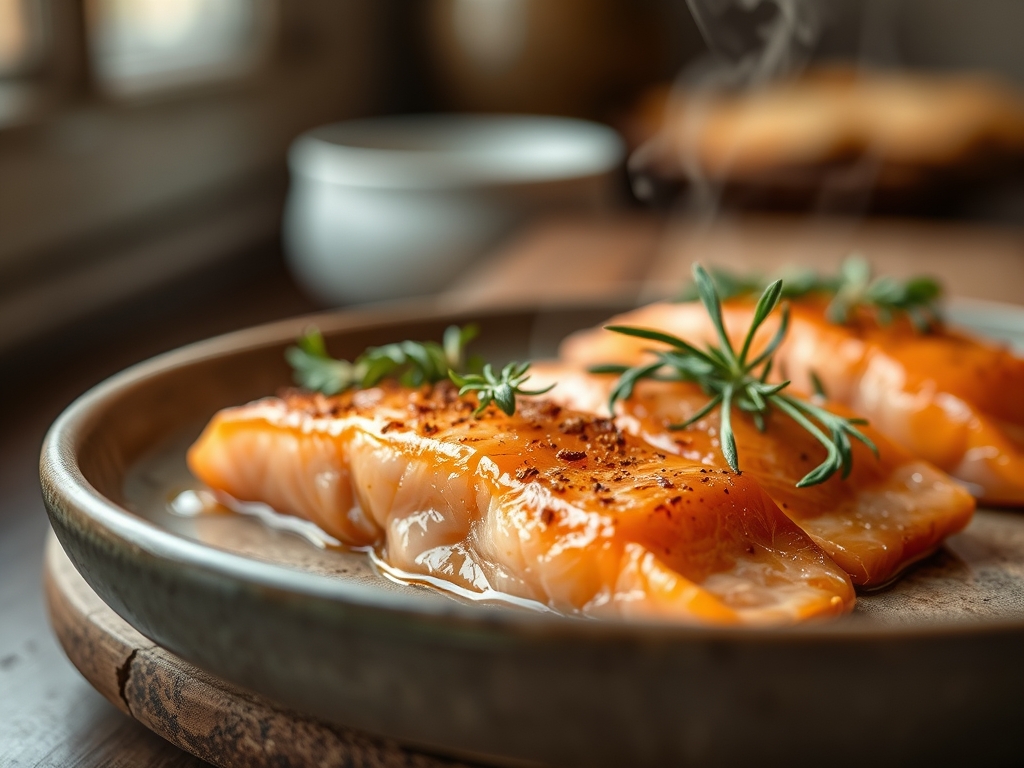
Imagine a silver-skinned fillet resting on a marble slab; its flesh is a vibrant, translucent coral that yields to the edge of a knife like chilled butter. This is the alchemy of smoke and salt. Most people assume that mastering easy cold smoked salmon recipes requires a commercial smokehouse or a degree in food science, but the truth is far more approachable. It is about the delicate dance of moisture control and temperature management. We are not cooking the fish with heat; we are curing it with salt and infusing it with the aromatic essence of smoldering hardwoods. The result is a silky, piquant delicacy that elevates any brunch or dinner party from standard to sophisticated. By understanding the molecular changes occurring within the muscle fibers, you can transform a raw side of fish into a gourmet centerpiece. We are going to dive deep into the brine, the pellicle, and the cold-smoke chamber to ensure your kitchen produces results that rival the finest delis in Manhattan or the smokehouses of Scotland.
The Gathers:
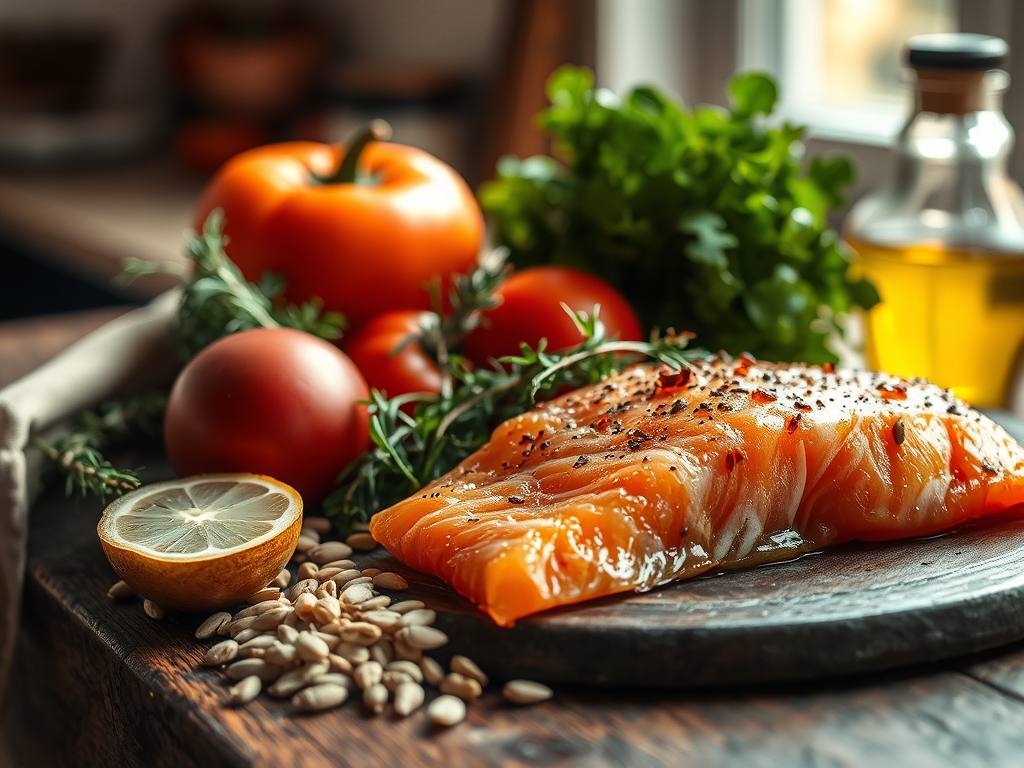
To begin, you need a high-quality side of Atlantic or King salmon. Look for deep pigmentation and firm flesh; any "fishy" scent indicates the breakdown of trimethylamine oxide, which we want to avoid. Your mise-en-place should be precise. Grab your digital scale to measure out a 2:1 ratio of kosher salt to granulated sugar. This mixture is your primary curing agent. You will also need aromatics: toasted peppercorns, crushed juniper berries, and perhaps a sprig of fresh dill.
For the "Smart Substitutions," if you find yourself without juniper berries, a splash of gin provides that same botanical, coniferous note. If you are watching your refined sugar intake, coconut sugar offers a deeper, molasses-like undertone that complements the smoke beautifully. Ensure you have a bench scraper handy to tidy your workstation and a saucier if you plan on making a warm glaze for serving. The science here is simple: salt draws out moisture through osmosis, while sugar balances the harshness and helps create a tacky surface for the smoke to cling to.
The Clock:
Mastering the "Chef's Flow" is about patience, not speed. The total active prep time is only about 30 minutes, but the passive time is where the magic happens.
- The Cure: 12 to 24 hours. This is non-negotiable for texture development.
- The Rinse and Dry: 4 to 8 hours. This creates the pellicle, a sticky skin that is vital for smoke absorption.
- The Smoke: 6 to 12 hours. Since we are cold smoking, the temperature must stay below 80 degrees Fahrenheit.
- The Rest: 24 hours. This allows the smoke flavors to mellow and penetrate the center of the fillet.
Total time from sea to plate is roughly three days. Do not rush the process; the structural integrity of the fats depends on these slow transitions.
The Masterclass:
1. The Precision Cure
Lay your salmon on a parchment-lined sheet tray. Generously coat the entire surface with your salt and sugar mixture. Use a microplane to zest a bit of lemon over the top for a bright, acidic lift. Wrap the fish tightly in plastic wrap and weigh it down with a second tray and a few heavy cans.
Pro Tip: This process is called denaturation. The salt breaks down the protein structures, causing them to firm up and expel water. This concentrated environment prevents bacterial growth while intensifying the natural flavor of the fish.
2. The Cold Rinse
After the cure time has elapsed, the fish will feel significantly firmer. Rinse the fillet under cold, filtered water to remove all excess salt. Pat it bone-dry with lint-free towels. It should have a slightly translucent, jewel-toned appearance.
Pro Tip: Rinsing is crucial to prevent the final product from being an "over-salted" salt lick. The water also helps rehydrate the very surface layer just enough to keep it supple during the long drying phase.
3. Developing the Pellicle
Place the salmon on a wire rack over a baking sheet and set it in the refrigerator, uncovered. Let it sit for several hours until the surface feels tacky to the touch. This sticky layer is the pellicle.
Pro Tip: Without a proper pellicle, the smoke will simply bounce off the fish or create a bitter, creosote-heavy crust. The pellicle acts as a biological adhesive for the smoke particulates, ensuring an even, mahogany color.
4. The Cold Smoke Infusion
Set up your cold smoke generator using applewood or cherrywood chips. Place the salmon in the chamber, ensuring the internal temperature never exceeds 80 degrees Fahrenheit. If the weather is warm, place a tray of ice beneath the fish to act as a heat sink.
Pro Tip: Cold smoking is not a cooking process; it is a flavor infusion. Keeping the temperature low prevents the fats from rendering, which preserves that signature "raw" silken texture that defines world-class lox.
5. The Mellowing Period
Once smoked, wrap the salmon in butcher paper and let it sit in the fridge for at least 24 hours before slicing. This is the hardest part, but the most rewarding.
Pro Tip: Freshly smoked salmon can taste acrid. This rest period allows the smoke molecules to equilibrate throughout the flesh, moving from the exterior toward the center for a balanced profile.
6. The Precision Slice
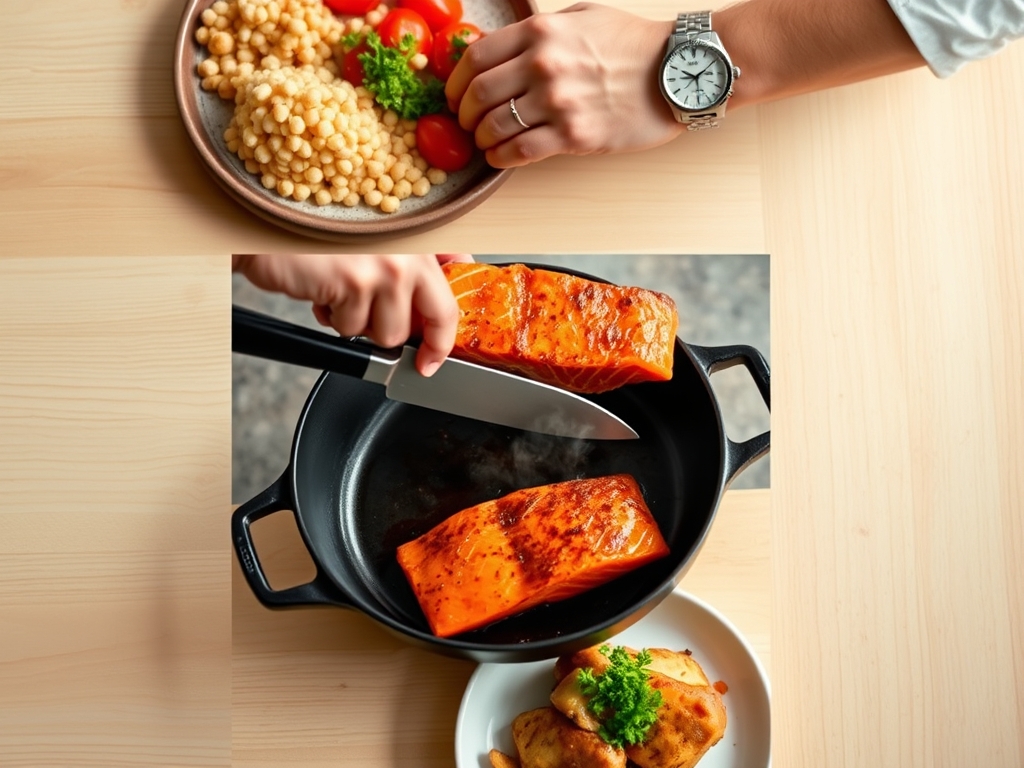
Using a long, flexible slicing knife or a hollow-ground salmon slicer, cut the fish into paper-thin ribbons against the grain. Aim for slices so thin you can almost see the knife through them.
Pro Tip: Slicing against the grain shortens the muscle fibers, making the salmon feel more tender on the palate. Use a tongs to arrange the ribbons into elegant rosettes for presentation.
The Deep Dive:
Macro Nutrition
Cold smoked salmon is a nutritional powerhouse. It is exceptionally high in Omega-3 fatty acids, which are essential for brain health. A standard 3-ounce serving provides roughly 18 grams of high-quality protein and zero carbohydrates, making it a staple for low-carb lifestyles.
Dietary Swaps
- Vegan: Use a mandoline to slice large carrots into ribbons. Marinate them in liquid smoke, caper brine, and olive oil, then roast at a low temperature to mimic the texture.
- Keto/GF: This recipe is naturally Keto and Gluten-Free. Serve it on cucumber slices instead of crackers to keep the glycemic load low.
The Fix-It: 3 Common Pitfalls
- The Fish is Too Salty: You likely cured it too long or didn't rinse thoroughly. The Fix: Soak the finished fillet in cold water for 30 minutes to leach out excess salt, then pat dry.
- The Texture is Mushy: This happens if the fish was frozen and thawed improperly. The Fix: Ensure you start with "sushi-grade" fresh fish or flash-frozen fillets that have been thawed slowly in the fridge.
- Bitter Smoke Flavor: This is caused by "dirty" smoke (thick white clouds). The Fix: Aim for "thin blue smoke." If it's already bitter, lightly brush the surface with a bit of maple syrup to mask the acidity.
Meal Prep and Reheating
Never reheat cold smoked salmon in a microwave; the heat will coagulate the proteins and ruin the texture. If you must serve it warm, gently "sear" it by placing it on top of hot pasta or a warm bagel. For storage, vacuum seal individual portions to maintain "day-one" freshness for up to two weeks.
The Wrap-Up:
Mastering easy cold smoked salmon recipes is a rite of passage for any serious home cook. It requires you to step away from the stove and lean into the slower, more methodical side of culinary arts. By focusing on the development of the pellicle and the precision of the salt-to-sugar ratio, you create a product that is infinitely better than anything found in a plastic grocery store vacuum pack. Grab your digital scale, find the freshest salmon available, and start your three-day journey into the world of artisanal curing. Your future self, and your brunch guests, will thank you.
The Kitchen Table:
How long does homemade cold smoked salmon last?
When stored in an airtight container or vacuum-sealed bag, homemade cold smoked salmon will stay fresh for about 10 to 14 days in the refrigerator. For longer storage, you can freeze it for up to two months without significant texture loss.
Can I cold smoke salmon without a smoker?
Yes, you can use a handheld "smoking gun" or a cold smoke generator insert inside a standard charcoal grill. The key is keeping the fish away from any direct heat source to ensure the internal temperature stays below 80 degrees Fahrenheit.
What is the best wood for smoking salmon?
Fruitwoods like apple, cherry, or peach provide a mild, sweet flavor that does not overpower the delicate fish. For a more traditional, robust profile, many chefs prefer alder or oak. Avoid heavy woods like hickory or mesquite for cold smoking.
Why is my smoked salmon white on the surface?
This is likely albumin, a protein that pushes to the surface when the fish is heated too quickly. If you see this during cold smoking, your temperature is too high. Ensure you are using ice to keep the environment chilled.