
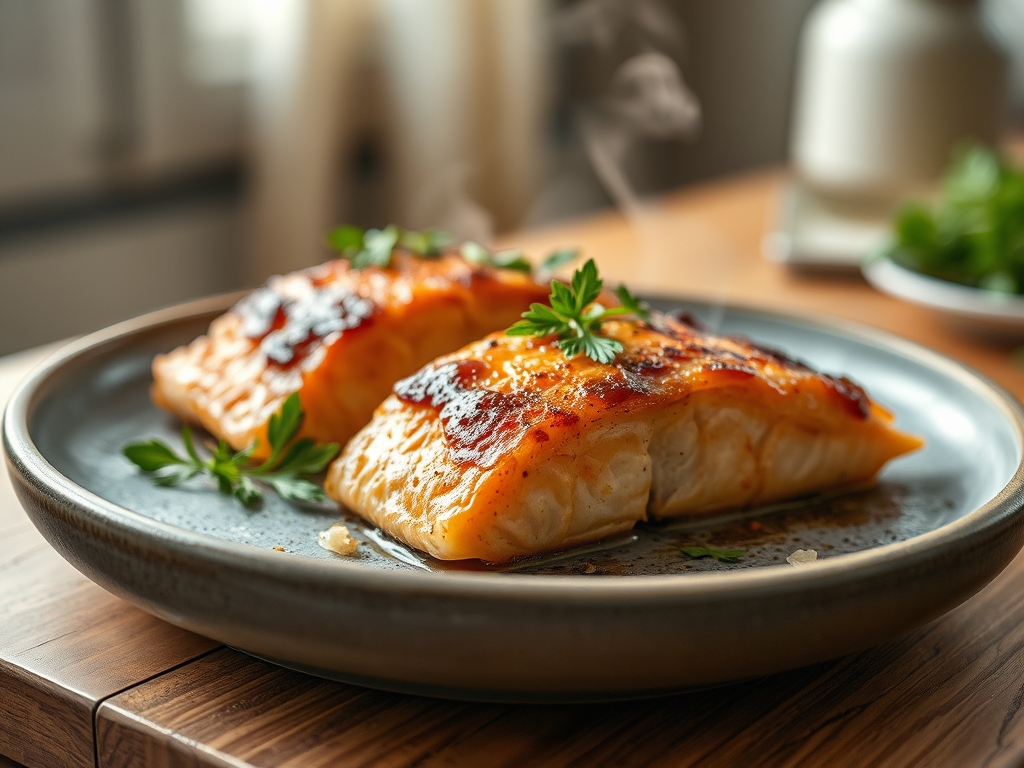
Picture the scene: it is Tuesday night and you are staring at a cold, slightly lonely fillet of fish sitting in a plastic container. Most people see a sad repeat of yesterday, but you see a goldmine of flavor. Finding the best leftover baked salmon recipes is not just about avoiding food waste; it is an exercise in culinary upcycling that transforms flaky, protein-rich meat into a five-star brunch or a sophisticated dinner. When salmon sits overnight, its fats solidify and its flavors concentrate, making it the perfect candidate for structural transformations. We are talking about creamy rillettes, crispy pan-seared cakes, and silky pastas that utilize the pre-existing Maillard reaction from the initial bake. The goal here is to respect the delicate cellular structure of the fish while introducing new textures and piquant aromatics. By the time we are done, that "leftover" label will feel like a total misnomer. We are treating this fish as a premium ingredient that just happened to have a head start in the oven.
The Gathers:
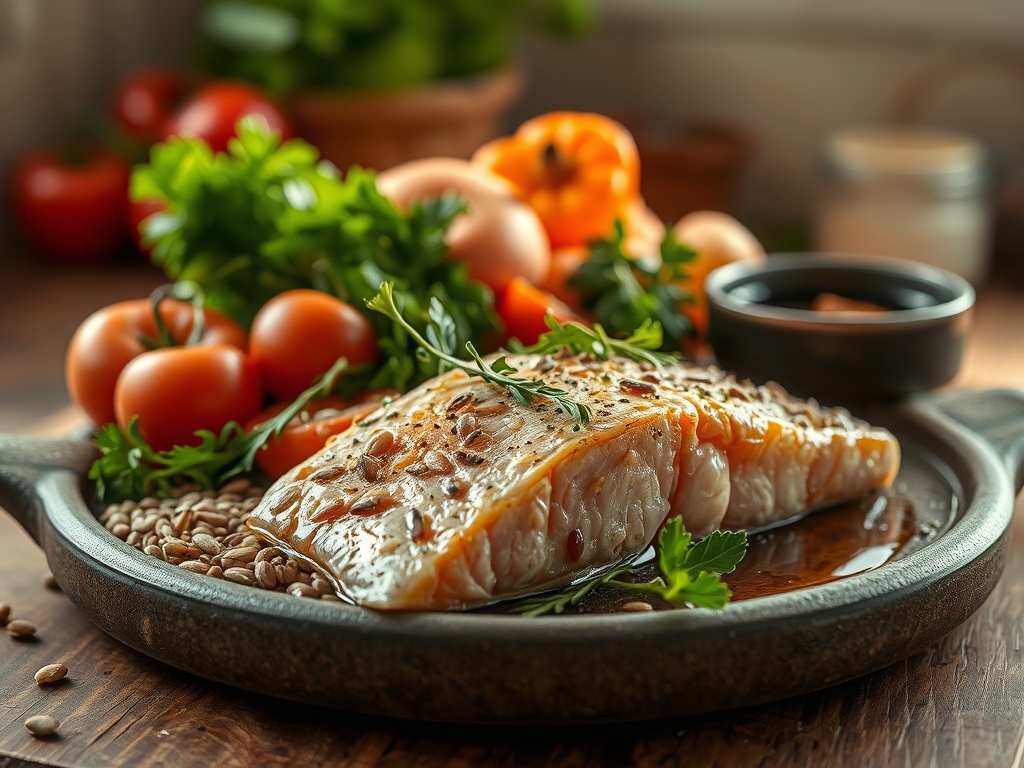
To execute these transformations, your mise-en-place must be precise. Start with your chilled salmon, which should be flaked into uniform chunks using a bench scraper or your fingers to ensure you do not crush the muscle fibers. You will need a high-quality fat source to restore moisture; think Greek yogurt for a viscous base or a high-fat European butter for sautéing. Aromatics are non-negotiable. Gather fresh dill, capers for a salty pop, and lemons to provide the citric acid necessary to cut through the heavy omega-3 oils.
For structural integrity in cakes or patties, use panko breadcrumbs or almond flour. If you are leaning toward a pasta dish, have a saucier ready to emulsify your liquids. Smart Substitutions: If you lack fresh herbs, a teaspoon of dried tarragon offers a similar anise-like profile. No Greek yogurt? Sour cream or even a mashed avocado provides the creamy mouthfeel required to bind the fish without overpowering its natural sweetness. Always keep a microplane nearby to zest citrus directly over the dish; the volatile oils in the zest provide a brighter punch than the juice alone.
The Clock
Efficiency in the kitchen relies on "Chef's Flow," the art of overlapping tasks to minimize downtime. For most leftover baked salmon recipes, the active prep time is a mere 10 to 15 minutes because the primary protein is already cooked. Your "Clock" starts with the cold prep: flaking the fish and chopping aromatics. While the fish reaches room temperature, you should be heating your heavy-bottomed skillet or boiling water for pasta.
The actual "cook" phase is usually under 8 minutes. Since the salmon is already cooked, you are merely reheating it to an internal temperature of 125 degrees Fahrenheit to avoid the "overcooked" rubbery texture. By the time your pasta hits al dente or your patties develop a golden crust, the salmon should just be hitting its thermal peak. Total time from fridge to table is roughly 22 minutes.
The Masterclass
1. The Flake and Inspect
Begin by gently breaking the cold salmon into large flakes. Use a digital scale if you are following a strict macro-count, but generally, two cups of flaked fish is the sweet spot for most recipes. Remove any stray pin bones with tongs.
Pro Tip: Cold salmon is easier to handle because the subcutaneous fats are solid. This prevents the fish from turning into a mushy paste, preserving the "large flake" mouthfeel that is synonymous with high-end seafood dishes.
2. Building the Emulsion
If you are making a salmon salad or spread, whisk your binder (mayo or yogurt) with your acids and seasonings before adding the fish. This ensures the seasoning is distributed evenly throughout the viscous base without over-working the delicate fish.
Pro Tip: This is a lesson in emulsification. By mixing the fat and acid first, you create a stable coating that protects the fish from drying out when it hits the heat or sits in the fridge.
3. The Sear and Sizzle
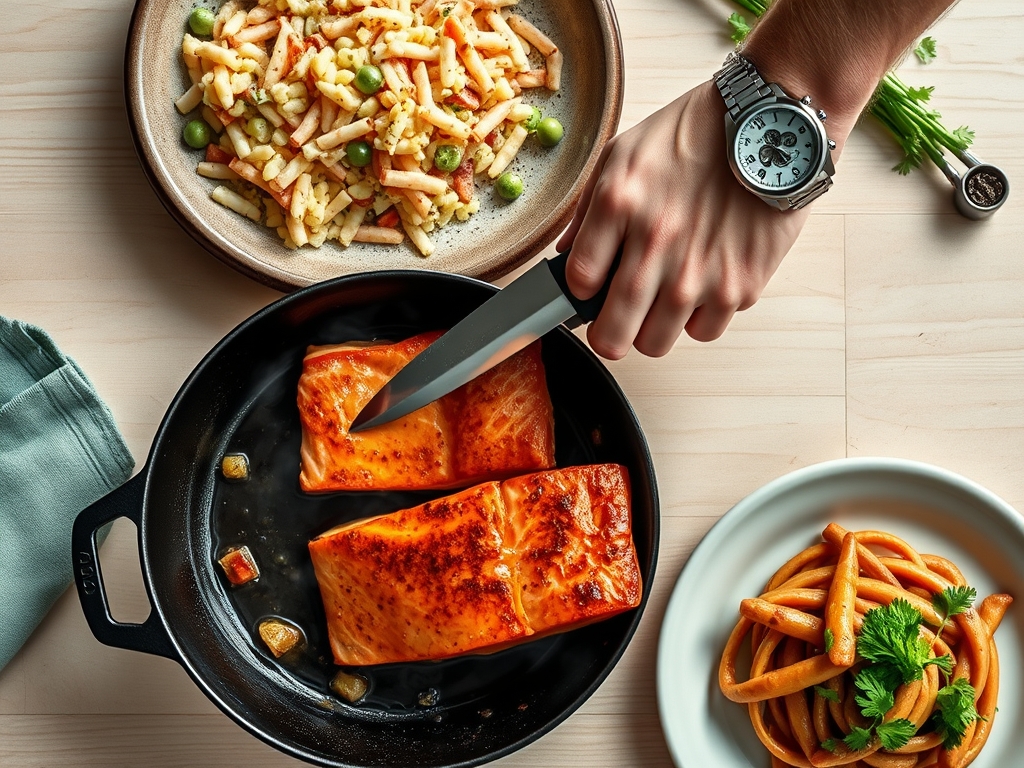
For salmon cakes or hash, heat a heavy-bottomed skillet with a high-smoke-point oil like avocado oil. Place your portions in the pan and leave them undisturbed for at least three minutes.
Pro Tip: This triggers the Maillard reaction, a chemical reaction between amino acids and reducing sugars that gives browned food its distinctive flavor. Moving the fish too early prevents this crust from forming and causes the fish to stick.
4. Infusing the Aromatics
Add your "hard" aromatics like shallots or garlic to the pan mid-way through. Use a saucier if you are building a cream sauce, deglazing the pan with a splash of dry white wine to pick up the fond.
Pro Tip: Deglazing releases the caramelized bits stuck to the pan, incorporating concentrated salmon essence back into your sauce for a deeper flavor profile.
5. The Gentle Fold
Whether you are adding salmon to a frittata or a pasta, always add it at the very last second. Use a silicone spatula to fold the fish into the warm components.
Pro Tip: This prevents thermal carryover from overcooking the fish. You only want to move the salmon from "cold" to "warm," not "warm" to "leather."
The Deep Dive
From a nutritional standpoint, salmon is a powerhouse. It is dense in Omega-3 fatty acids, specifically EPA and DHA, which are vital for brain health. A standard 4-ounce serving of leftover salmon provides roughly 25 grams of protein and zero carbohydrates, making it a staple for Keto and Paleo lifestyles. For a Vegan swap, hearts of palm or chickpeas can mimic the texture, though you will miss the specific fatty acid profile. For Gluten-Free needs, swap breadcrumbs for crushed pork rinds or gluten-free panko to maintain that essential crunch.
The Fix-It:
- Problem: The fish smells too "fishy." The Fix: Soak the cold flakes in a tablespoon of milk for 5 minutes; the casein in milk binds to trimethylamine, the compound responsible for the odor, and neutralizes it.
- Problem: The salmon cakes are falling apart. The Fix: Chill the formed patties in the freezer for 10 minutes before frying. This solidifies the fats and binders, ensuring they hold their shape in the pan.
- Problem: The meat is too dry. The Fix: Gently infuse the fish by simmering it in a small amount of salted butter or olive oil over low heat before adding it to your main dish.
Meal Prep Science: When reheating, avoid the microwave at all costs. The uneven agitation of water molecules in a microwave will explode the delicate fats in the salmon, leaving it dry and stinky. Instead, use a low oven (275 degrees) with a splash of water covered in foil to create a steam chamber.
The Wrap-Up
Transforming your fish into various leftover baked salmon recipes is the ultimate "work smarter, not harder" kitchen hack. You have already done the heavy lifting of seasoning and cooking; now, you get to play with textures and global flavor profiles. Whether you turn those flakes into a piquant Mediterranean salad or a rich, buttery pasta, the key is to treat the ingredient with the respect it deserves. Grab your microplane, zest that lemon, and turn yesterday's dinner into today's culinary masterpiece. You have got the science, the tools, and the talent. Now, go make something delicious!
The Kitchen Table
Can I freeze leftover baked salmon?
Yes, you can freeze it for up to two months. Wrap it tightly in plastic wrap and place it in a vacuum-sealed bag to prevent oxidation and freezer burn, which can degrade the delicate omega-3 fatty acids.
How long does cooked salmon last in the fridge?
Cooked salmon remains safe and flavorful for three to four days when stored in an airtight container at or below 40 degrees Fahrenheit. Always check for a neutral, briny scent before using it in recipes.
Is it safe to eat cold leftover salmon?
Absolutely. Cold salmon is a delicacy in many cultures. The fats become firm and creamy, making it an excellent addition to grain bowls, salads, or served on crackers with a bit of horseradish and dill.
What is the best way to flake salmon?
Use two forks or a bench scraper to gently pull the meat apart along its natural muscle striations. This preserves the structural integrity of the flakes, providing a better mouthfeel than if the fish were chopped or shredded.