
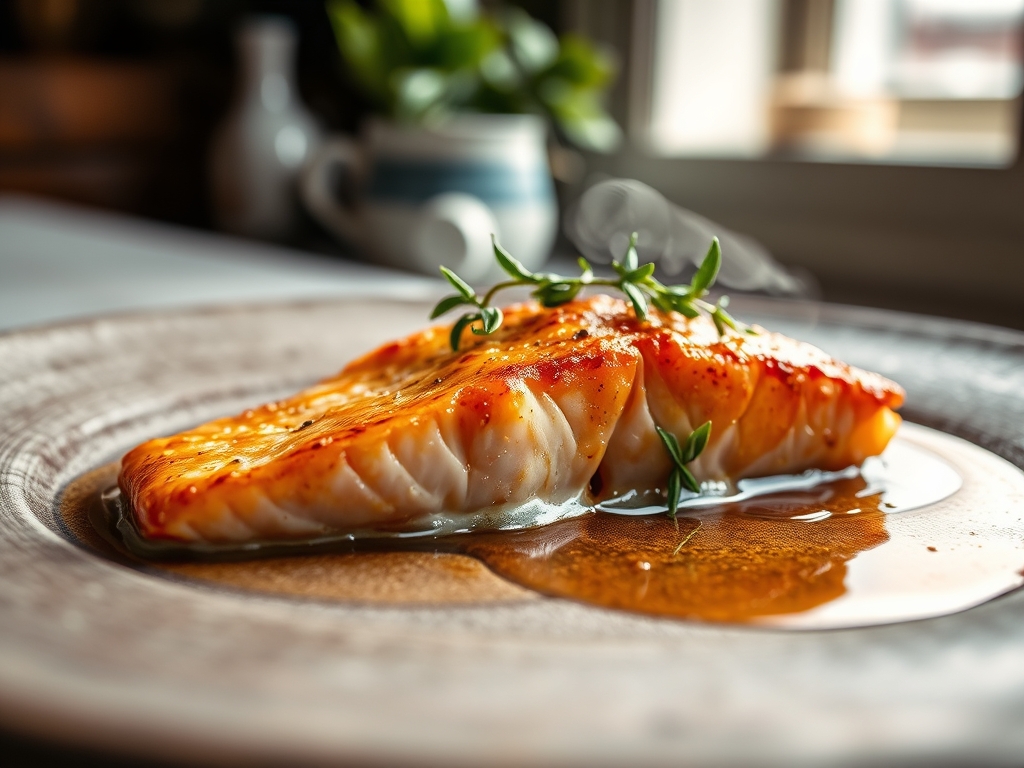
Imagine a fork sliding through a fillet of fish that offers zero resistance. It does not flake away into dry, fibrous shards; instead, it yields in lush, silken petals that glisten with moisture. This is the magic of the gentle heat found in the best poached salmon recipes oven techniques. While pan-searing offers crunch, it often leaves the interior overcooked and the proteins tightened. Oven-poaching is the sophisticated, low-stress alternative that transforms a simple weeknight dinner into a restaurant-caliber experience. We are moving away from the aggressive hiss of the skillet and into the controlled, humid environment of a parchment-lined dish. By bathing the fish in a shallow pool of aromatic liquid, we create a thermal buffer that ensures the flesh remains succulent from edge to center. This method is the ultimate secret weapon for anyone who loves the buttery texture of high-quality seafood but hates the lingering smell of fried oil in the kitchen. Grab your apron and a glass of crisp white wine; we are about to master the art of the gentle poach.
The Gathers:
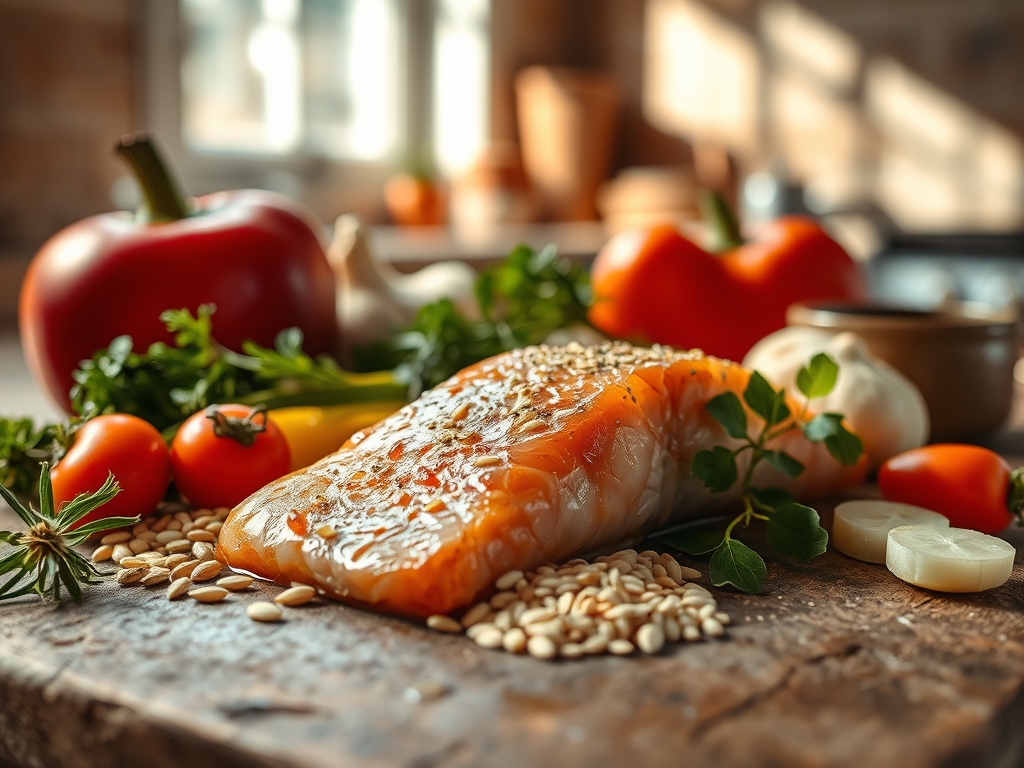
To achieve perfection, your mise-en-place must be intentional. Start with center-cut Atlantic or King salmon fillets, ideally six to eight ounces each. You will need a high-quality saucier or a shallow ceramic baking dish to act as the poaching vessel. The poaching liquid, or court bouillon, requires a balance of acidity and aromatics. Gather dry white wine (like Sauvignon Blanc), filtered water, and fresh lemon slices. For the aromatics, reach for peppercorns, bay leaves, and a handful of fresh dill.
Smart Substitutions: If you are avoiding alcohol, swap the wine for a high-quality vegetable stock infused with a tablespoon of white wine vinegar to maintain that piquant brightness. Instead of dill, try tarragon for a subtle anise note. Always use a microplane to zest your citrus before slicing it; those essential oils are too flavorful to waste. Finally, ensure you have a digital scale to verify your fillet weights, as uniform size is the key to uniform cooking.
The Clock
The "Chef's Flow" for this dish is remarkably efficient. Expect a total active prep time of 10 minutes and a cook time of 15 to 20 minutes depending on the thickness of your fish.
- Prep (10 minutes): This involves slicing the aromatics, preparing the liquid, and patting the fish dry.
- The Poach (15-20 minutes): The fish rests in a 300-degree Fahrenheit oven. This low temperature prevents the proteins from contracting too quickly.
- The Rest (5 minutes): Carryover cooking is a scientific reality. Letting the fish sit in the warm liquid for a few minutes post-oven allows the juices to redistribute.
The Masterclass
1. Temper the Protein
Remove your salmon from the refrigerator at least 20 minutes before cooking. Use a bench scraper to move your fillets onto a clean surface and pat them bone-dry with paper towels.
Pro Tip: This step prevents "thermal shock." If cold fish hits a warm liquid, the muscle fibers contract violently, squeezing out moisture and leaving you with a tough texture. Bringing the fish toward room temperature ensures a viscous, tender result.
2. Construct the Aromatic Base
Layer your lemon slices, herbs, and peppercorns at the bottom of your baking dish. Place the salmon fillets on top, skin-side down. Pour your poaching liquid around the fish until it reaches halfway up the sides of the fillets.
Pro Tip: This creates a dual-cooking environment. The bottom half of the fish undergoes a traditional poach, while the top half gently steams. This prevents the fish from becoming waterlogged while ensuring it stays infused with flavor.
3. Seal the Environment
Cover the dish tightly with a piece of parchment paper, followed by a layer of heavy-duty aluminum foil. Ensure the seal is airtight to trap the steam inside the vessel.
Pro Tip: By sealing the dish, you are creating a pressurized steam chamber. This prevents the evaporation of the poaching liquid, which maintains a constant humidity level and prevents the formation of albumin (that white, unappealing protein foam).
4. The Low and Slow Bake
Slide the dish into the center of a 300-degree Fahrenheit oven. Monitor the internal temperature using a digital probe thermometer. You are aiming for an internal temperature of 125 degrees Fahrenheit for medium-rare or 135 degrees Fahrenheit for medium.
Pro Tip: Using a low temperature prevents the render of healthy fats too quickly. High heat causes the fats to leak out, but low heat keeps those Omega-3s trapped within the lamellae (the layers of the fish).
5. The Gentle Extraction
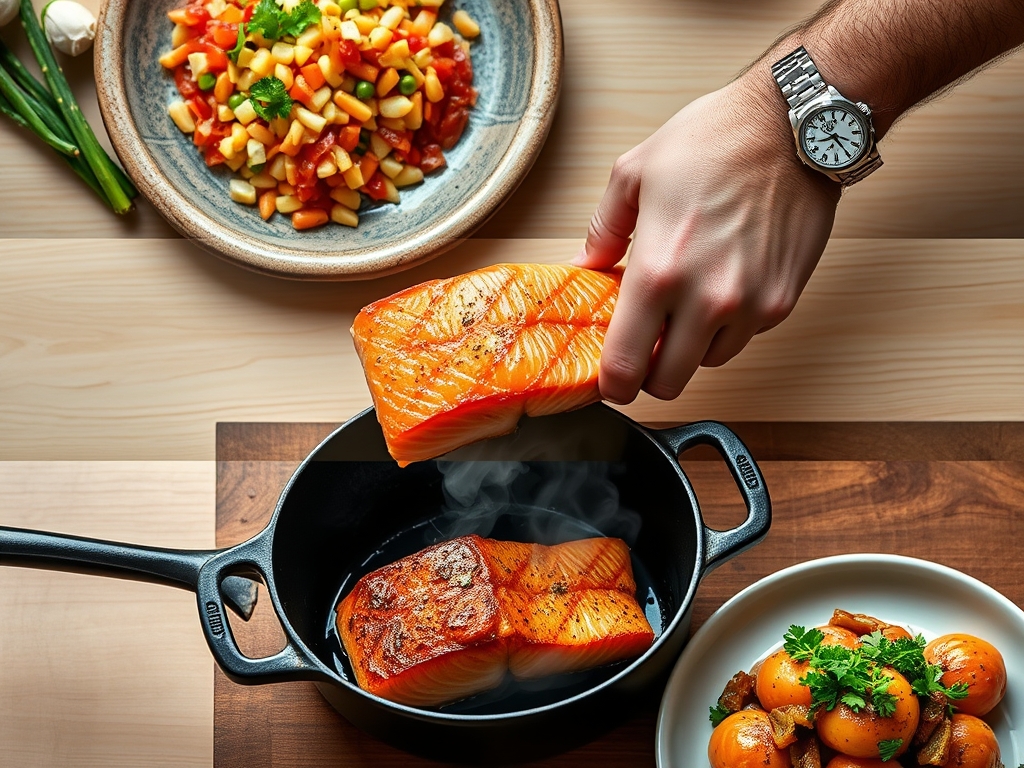
Once the target temperature is reached, use tongs or a wide fish spatula to carefully lift the fillets out of the liquid. Note the texture in the step-by-step photos below; the flesh should look opaque but still feel slightly springy to the touch.
Pro Tip: Be mindful of "thermal carryover." The internal temperature will continue to rise by 3 to 5 degrees after you remove the fish from the oven. Pulling the fish slightly early ensures it does not overcook on the plate.
6. Emulsify a Quick Sauce
While the fish rests, take a half-cup of the poaching liquid and whisk it into a small saucepan with a knob of cold butter. Use a whisk to aerate the mixture until it thickens into a light silk.
Pro Tip: This is a simplified beurre blanc. The acid in the poaching liquid stabilizes the fat in the butter, creating a temporary emulsion that adds a luxurious mouthfeel without being heavy.
The Deep Dive
Macro Nutrition: Poached salmon is a nutritional powerhouse. A standard six-ounce serving provides roughly 34 grams of high-quality protein and 12 grams of healthy fats, primarily Omega-3 fatty acids. Because we are poaching rather than frying, the calorie count remains low, typically around 250 to 300 calories per serving.
Dietary Swaps: This recipe is naturally Gluten-Free and Keto-friendly. For a Vegan alternative, apply this poaching method to thick slabs of "Lion's Mane" mushrooms or extra-firm tofu. The porous nature of the mushrooms allows them to absorb the court bouillon beautifully.
The Fix-It:
- Problem: The fish is covered in white gunk. The Fix: This is albumin. It happens when heat is too high. Next time, drop your oven temp by 25 degrees and ensure your seal is tighter.
- Problem: The skin is rubbery. The Fix: Poached skin is never crispy. Simply slide a knife between the flesh and skin after cooking; it will peel away in one clean sheet.
- Problem: The flavor is bland. The Fix: You likely under-salted the liquid. The poaching liquid should taste as salty as the sea to properly season the interior of the fish.
Meal Prep & Reheating: To maintain "day-one" quality, store the salmon in a small amount of its poaching liquid. When reheating, do not use the microwave. Instead, place it in a covered dish with a splash of water in a 275-degree oven for 8 minutes. This prevents the proteins from becoming rubbery.
The Wrap-Up
Mastering poached salmon recipes oven style is about embracing the "less is more" philosophy of French cooking. By respecting the delicate nature of the fish and using controlled, humid heat, you unlock a texture that is simply impossible to achieve on a stovetop. Whether you are hosting a sophisticated brunch or just treating yourself to a healthy Tuesday dinner, this method is foolproof. It is elegant, efficient, and scientifically superior for preserving the integrity of fine seafood. Now, go forth and poach with confidence!
The Kitchen Table
Can I poach frozen salmon in the oven?
It is best to thaw salmon first for even cooking. If you must cook from frozen, increase the poaching liquid volume and add 10 to 15 minutes to the timer to account for the internal ice crystals.
What is the best liquid for poaching?
A classic court bouillon is best. Use a mix of water, dry white wine, lemon juice, and aromatics. This combination provides acidity to brighten the fish and enough moisture to keep it tender during the bake.
How do I know when poached salmon is done?
The most reliable method is using a digital thermometer to reach 125-135 degrees Fahrenheit. Visually, the fish should change from translucent pink to an opaque, pale coral and flake easily when pressed with a finger.
Why is my poached salmon dry?
Dryness is caused by overcooking or high temperatures. If the internal temperature exceeds 145 degrees, the muscle fibers tighten and squeeze out all moisture. Always use a low oven setting and a thermometer for precision.